
Clinically Reviewed By Brittany Astrom - LMFT
Brittany has 15 years of experience in the Mental Health and Substance Abuse field. Brittany has been licensed for almost 8 years and has worked in various settings throughout her career, including inpatient psychiatric treatment, outpatient, residential treatment center, PHP and IOP settings.
What Does Xanax Do to the Brain?
Xanax, the generic name alprazolam, is a prescription drug classified as a benzodiazepine. It is commonly used to manage anxiety and panic disorders. While effective for these conditions, taking Xanax impacts brain function and comes with potential risks. This article explores how Xanax affects the brain, the risks of Xanax addiction, and the importance of proper medical supervision.
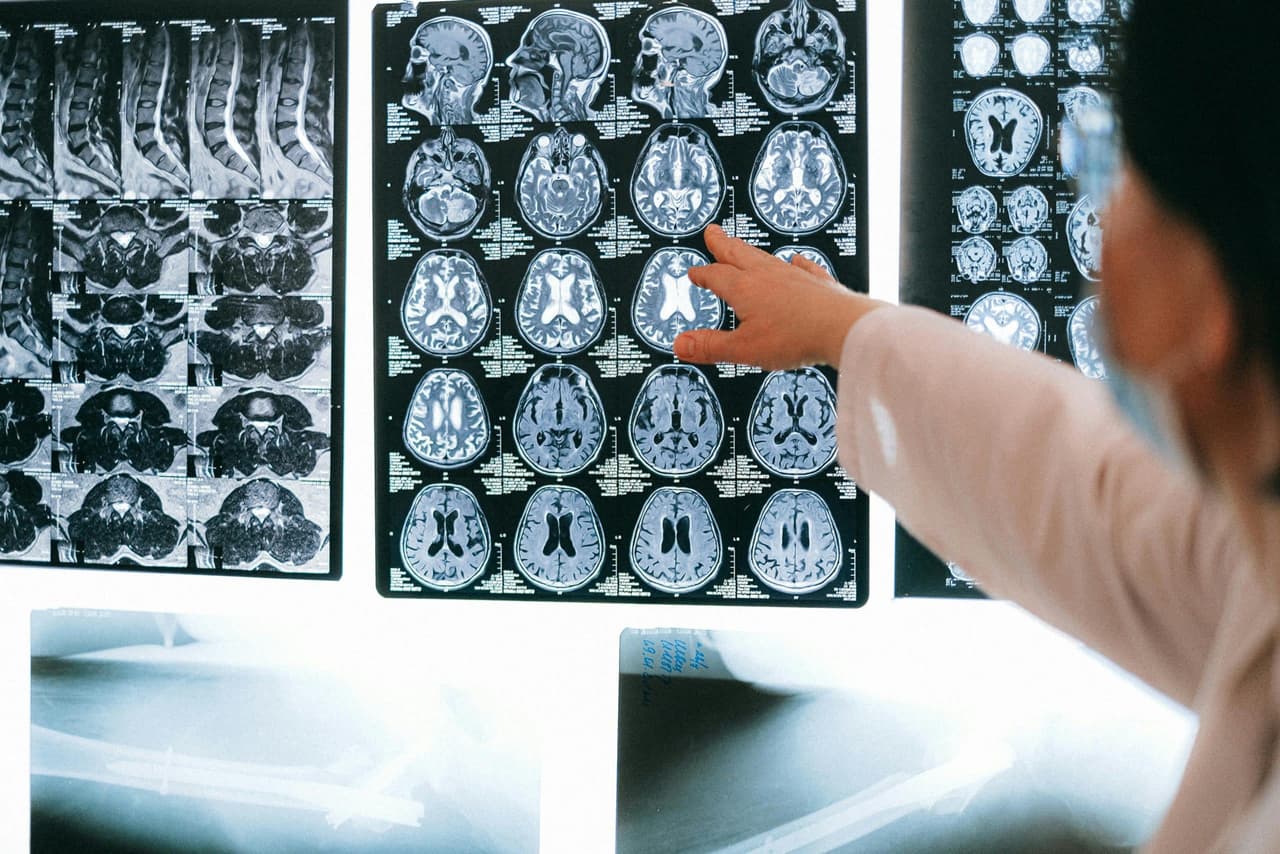
!what does xanax do to the brain
How Xanax Affects Brain Function
Xanax works by increasing the activity of gamma-aminobutyric acid (GABA), a brain chemical that inhibits brain activity and helps create calming effects. This action reduces symptoms of chronic anxiety and panic attacks, giving individuals relief from overwhelming stress. However, Xanax’s calming effect can also lead to memory problems and difficulty concentrating with long-term use.
The Effects of Xanax on the Central Nervous System
As a CNS depressant, Xanax slows down brain activity, producing a sense of relaxation. This makes it effective for anxiety and panic disorders. However, CNS depressants, including Xanax, can cause adverse effects like drowsiness, slower response time, and cognitive impairments such as new verbal skills problems and visual-spatial problems.
Risks of Xanax Use and Addiction
While prescription drugs like Xanax can provide short-term relief, prolonged use increases the risk of physical dependence. Over time, individuals may require a higher dose to achieve the same effect, leading to Xanax addiction. Addiction to Xanax and other benzodiazepines is common because these drugs act on the brain’s reward system, reinforcing repeated use.
Xanax Withdrawal Symptoms
Experiencing withdrawal symptoms is a significant challenge for those dependent on Xanax. Symptoms may include insomnia, irritability, and anxiety. Severe cases of Xanax withdrawal can result in memory loss, difficulty concentrating, and even seizures. Medical supervision is crucial when discontinuing Xanax to prevent relapse and manage possible symptoms safely.
The Dangers of Xanax Abuse
Xanax abuse occurs when individuals take the medication in higher doses or more frequently than prescribed. This can lead to serious consequences, including Xanax overdose. Combining Xanax with other substances, such as alcohol or other prescription drugs, increases the risk of dangerous side effects.
How Xanax Affects the Brain’s Reward System
Xanax alters the brain’s reward system by promoting feelings of pleasure and relaxation. Over time, this can disrupt normal brain activity, making it difficult to stop using the drug. Such changes contribute to substance use disorder, requiring treatment options that address both physical and psychological aspects of addiction.
Long-Term Effects of Xanax Use
Extended Xanax use can cause brain damage, affecting memory and cognitive abilities. Memory loss and difficulty concentrating are common among those who have used Xanax for a prolonged period. Individuals may also develop tolerance, needing higher doses to achieve calming effects.
Treatment Options for Xanax Addiction
Overcoming Xanax addiction requires comprehensive support. Treatment often involves medical professionals who can provide cognitive behavioral therapy and medication to ease withdrawal symptoms. Holistic approaches, including motivational interviewing, are effective for addressing underlying issues and preventing relapse.
The Role of Medical Professionals in Managing Xanax Use
Medical professionals play a critical role in ensuring the safe use of prescription medications like Xanax. They can monitor for signs of Xanax abuse, adjust dosages appropriately, and recommend alternatives such as other medications or therapies. Individuals should consult a medical professional before making changes to their Xanax use.
Alternatives to Xanax for Anxiety and Panic Disorders
While Xanax is effective for anxiety and panic disorders, other benzodiazepines and non-addictive medications may be safer options for long-term management. Cognitive behavioral therapy, alongside other treatments, can provide relief without the risks associated with addictive drugs.
Importance of Awareness and Informed Decisions
Understanding how Xanax affects the brain and recognizing the risks of Xanax addiction can empower individuals to make informed decisions about their mental health.
Access to reliable information and support from mental health services administration and organizations like American Addiction Centers can help individuals overcome challenges related to substance abuse.
!what does xanax do to the brain
Key Takeaways
- 1Xanax, a CNS depressant, affects brain function by increasing GABA activity, creating calming effects.
- 1Long-term Xanax use can lead to physical dependence, memory problems, and cognitive impairments.
- 1Withdrawal symptoms, including insomnia and irritability, require medical supervision to manage safely.
- 1Combining Xanax with other substances increases the risk of adverse effects and overdose.
- 1Treatment options include cognitive behavioral therapy, alternative medications, and support from medical professionals.
- 1Education about Xanax use and its effects on the brain’s reward system is essential for preventing addiction.
By understanding the effects of Xanax on the brain and seeking the right support, individuals can prioritize their mental health while minimizing risks associated with prescription drugs.
Frequently Asked Questions
1. Can Xanax cause memory problems? Yes, prolonged use of Xanax can lead to memory loss and difficulty concentrating. These effects are common among individuals who have developed a dependence on the drug.
2. What are the withdrawal symptoms of Xanax? Withdrawal symptoms include insomnia, anxiety, irritability, memory loss, and, in severe cases, seizures. It is important to discontinue Xanax under medical supervision to manage these symptoms safely.
3. How does Xanax affect the brain’s reward system? Xanax stimulates the brain’s reward system by promoting feelings of relaxation and pleasure. Over time, this can disrupt normal brain activity and lead to substance use disorder.
4. Is Xanax safe to use with other medications? Combining Xanax with other medications or substances like alcohol can increase the risk of adverse effects, including overdose. Always consult a medical professional before mixing Xanax with other substances.
5. Are there alternatives to Xanax for managing anxiety? Yes, alternatives include other benzodiazepines, non-addictive medications, and therapies like cognitive behavioral therapy. These options can be effective without the risks of long-term Xanax use.

Seeking Treatment? We Can Help
At Sun County Wellness, as an in-network provider we work with most insurance plans, such as:
If you or a loved one are struggling with mental health challenges or substance abuse, reach out to Sun County Wellness today. Our team of compassionate professionals is here to support your journey towards lasting well-being. Give us a call at 949-993-1149
Visit SAMHSA or contact us today for more inforamtion.