

Clinically Reviewed By Brittany Astrom - LMFT
Brittany has 15 years of experience in the Mental Health and Substance Abuse field. Brittany has been licensed for almost 8 years and has worked in various settings throughout her career, including inpatient psychiatric treatment, outpatient, residential treatment center, PHP and IOP settings.
What Is a Dry Drunk?
A “dry drunk” refers to a person who has stopped consuming alcohol but continues to exhibit behaviors, attitudes, and thought patterns characteristic of active addiction. The term is commonly associated with Alcoholics Anonymous (AA) and describes individuals who achieve abstinence from alcohol but struggle with the emotional and psychological aspects of recovery.
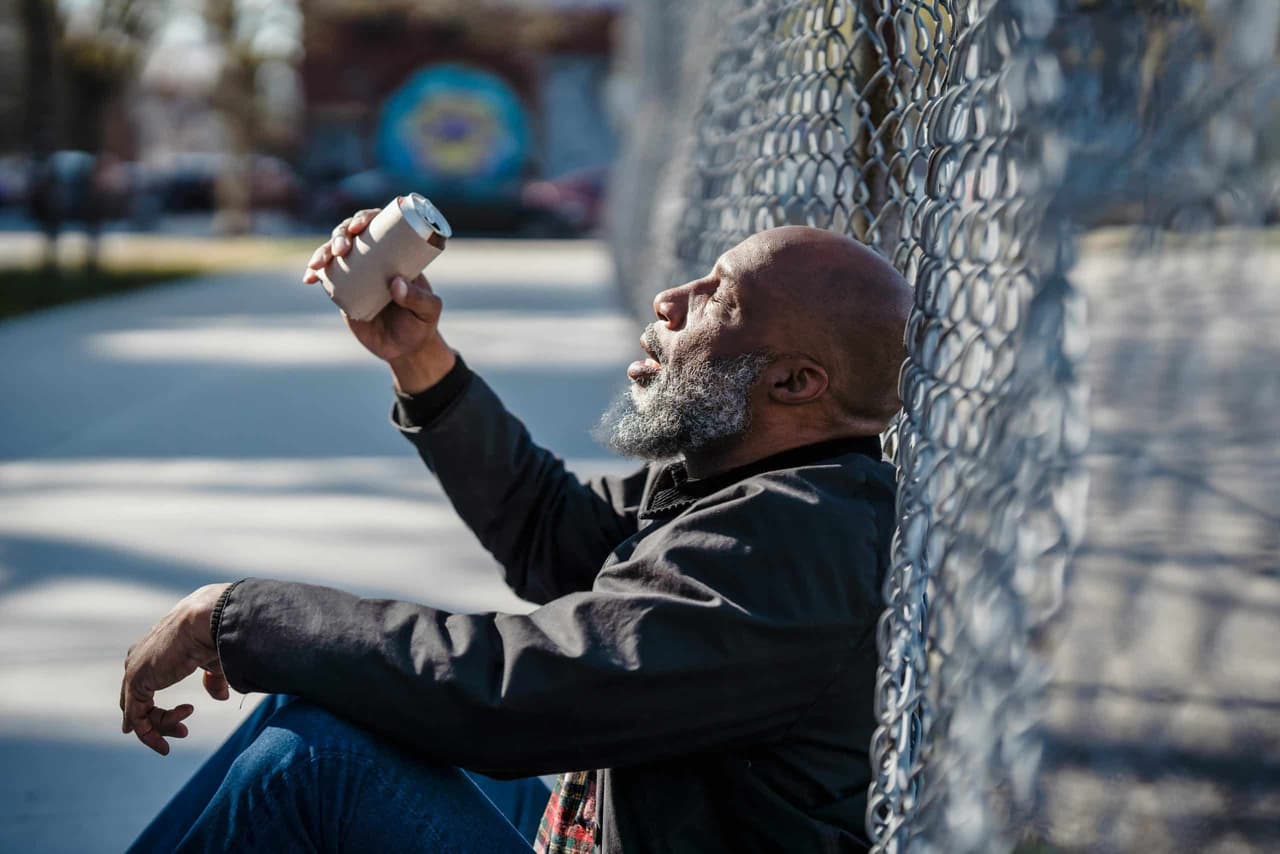
Understanding the Concept of a Dry Drunk
The term “dry drunk” often carries a negative connotation. It suggests that while the individual is no longer consuming alcohol, they have not addressed the underlying issues that fueled their addiction. These unresolved issues can lead to destructive behaviors, emotional instability, and potential relapse risks.
Key Characteristics of a Dry Drunk
- Negative Behaviors: Persistent anger, irritability, or resentment.
- Drunk Symptoms Without Alcohol: Behaviors similar to those exhibited during active addiction, such as impulsive behavior and poor impulse control.
- Emotional Baggage: Unresolved emotional issues and negative thought patterns.
- Risk of Relapse: Increased likelihood of returning to alcohol use without proper coping mechanisms.

Psychological and Emotional Aspects
A dry drunk reflects unresolved psychological issues and emotional challenges. These issues may include:
- Underlying Issues: Emotional instability, co-occurring disorders, or untreated mental health conditions.
- Mental Health Challenges: Depression, anxiety, and other diagnosable conditions.
- Negative Mindset: Persistent negative attitudes toward life and difficulties adopting a healthier mindset.
Post-Acute Withdrawal Syndrome (PAWS)
Many individuals in recovery experience PAWS, which includes:
- Psychological symptoms like mood swings and irritability.
- Cravings for alcohol and difficulty managing emotions.
- Common symptoms such as insomnia and fatigue.

The Recovery Process
Achieving recovery from alcohol addiction requires more than abstinence. A comprehensive recovery process addresses both the physical and psychological aspects of addiction.
Steps for a Successful Recovery
- 1Behavioral Therapies: Evidence-based therapies such as dialectical behavior therapy (DBT) help address negative behaviors and promote healthier coping mechanisms.
- 212-Step Program Participation: Joining groups like Alcoholics Anonymous provides support and accountability through a structured recovery community.
- 3Treatment for Alcoholism: Professional treatment programs address addiction to alcohol and co-occurring disorders.
- 4Healthy Coping Strategies: Developing coping methods to handle emotional challenges and prevent relapse.
- 5Time with Family: Rebuilding relationships to enhance quality of life and emotional stability.
Signs of Emotional Relapse
Emotional relapse often precedes physical relapse. Recognizing the signs can help prevent a return to drinking habits.
- Negative Attitudes: Persistent feelings of frustration or dissatisfaction.
- Emotional Instability: Mood swings, irritability, or difficulty managing emotions.
- Fear of Relapse: Anxiety about maintaining sobriety.
- Poor Coping Skills: Reliance on unhealthy coping mechanisms or avoidance behaviors.
Treatment and Support Options
Effective recovery efforts include professional support, counseling, and structured treatment programs. These resources help individuals address both the surface-level behaviors and the deeper issues contributing to their addiction.
Treatment Programs
- Alcohol Detox Programs: Safely manage withdrawal symptoms during the acute withdrawal period.
- Alcohol Addiction Treatment Programs: Comprehensive approaches combining therapy, counseling sessions, and support groups.
- Evidence-Based Therapies: Methods supported by research, such as cognitive-behavioral therapy (CBT) and DBT.
- 12-Step Recovery Groups: Ongoing support through groups like Alcoholics Anonymous.
Holistic Support for Recovery
Recovery programs often emphasize a whole-person approach, addressing:
- Physical Health: Improving nutrition and fitness.
- Mental Health: Managing co-occurring disorders and emotional challenges.
- Lifestyle Adjustments: Building habits for life and maintaining an alcohol-free lifestyle.
Conclusion
Understanding and addressing dry drunk syndrome is vital for achieving long-term recovery from alcohol addiction. Abstinence alone does not guarantee a healthier mindset or emotional stability. Engaging in comprehensive treatment programs and adopting healthier coping mechanisms can help individuals rebuild their lives and achieve successful recovery. Sun County Wellness is committed to supporting individuals on their journey to recovery through evidence-based programs and compassionate care.

Seeking Treatment? We Can Help
At Sun County Wellness, as an in-network provider we work with most insurance plans, such as:
If you or a loved one are struggling with mental health challenges or substance abuse, reach out to Sun County Wellness today. Our team of compassionate professionals is here to support your journey towards lasting well-being. Give us a call at 949-993-1149
Visit SAMHSA or contact us today for more inforamtion.