
Clinically Reviewed By Brittany Astrom - LMFT
Brittany has 15 years of experience in the Mental Health and Substance Abuse field. Brittany has been licensed for almost 8 years and has worked in various settings throughout her career, including inpatient psychiatric treatment, outpatient, residential treatment center, PHP and IOP settings.
BPD vs Bipolar: Understanding the Differences
Mental health is a complex field, with numerous mental illnesses sharing overlapping symptoms, making proper diagnosis challenging. Two such conditions often compared are borderline personality disorder (BPD) and bipolar disorder. While both involve mood changes and emotional challenges, they are distinct mental health conditions requiring different approaches to treatment. By exploring the nuances of these conditions, we can better understand their symptoms, causes, and treatments, enabling individuals to seek appropriate care and improve their quality of life.
What is Borderline Personality Disorder (BPD)?
Borderline personality disorder (BPD) is a type of personality disorder characterized by persistent instability in emotional regulation, relationships, and behavior. People with BPD often face unique challenges in their daily lives that require comprehensive therapeutic support.
Definition and Overview
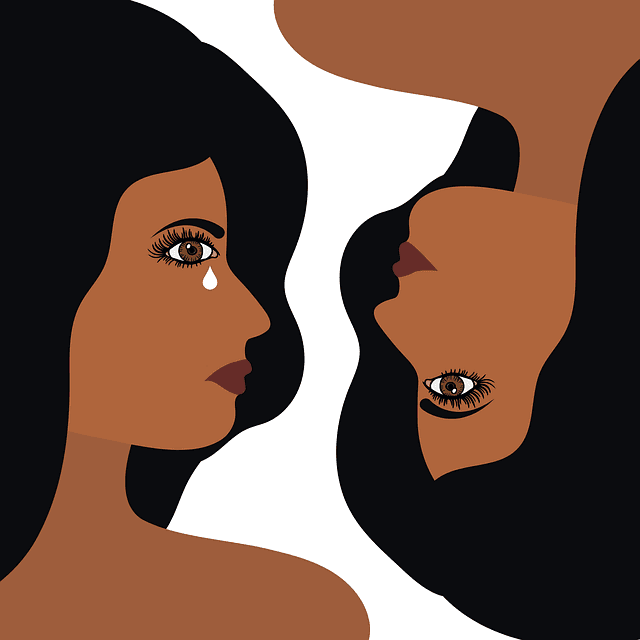
Borderline personality disorder (BPD) is a complex personality disorder that significantly impacts an individual’s ability to regulate their emotions. This often leads to unstable relationships and impulsive behaviors. People with BPD experience a persistent pattern of instability in their interpersonal relationships, self-identity, and behavior. This emotional turbulence can result in intense emotional pain, often driving self-destructive actions.
On the other hand, bipolar disorder is a mood disorder characterized by extreme mood swings, including manic and depressive episodes. These mood swings are more cyclical and less influenced by external events compared to BPD. Understanding the definitions and overviews of these conditions is crucial for achieving a proper diagnosis and implementing effective treatment strategies. Recognizing the fundamental differences between a personality disorder like BPD and a mood disorder like bipolar disorder helps in tailoring the right therapeutic approach for each condition.
Characteristics of BPD
Key traits of BPD include:
- Intense emotional reactions and difficulty regulating emotions, often leading to overwhelming feelings of anger, sadness, or frustration.
- Unstable relationships, which may shift rapidly between idealization and devaluation, causing significant interpersonal conflicts.
- Impulsive behaviors such as overspending, risky sexual behaviors, or self-harm.
- Mood instability, frequently influenced by external stressors rather than occurring spontaneously.
- A profound and often irrational fear of abandonment, which may result in clingy or avoidant behaviors.
Symptoms of BPD
Common BPD symptoms include:
- Emotional dysregulation, which manifests as sudden and intense mood changes.
- Impulsive behavior, such as substance abuse, reckless driving, or binge eating.
- Self-harm or suicidal ideation, stemming from feelings of hopelessness or emotional pain.
- Episodes of dissociation, where individuals feel disconnected from their surroundings or their own identity.
- Difficulty maintaining stable self-esteem, often feeling unworthy or inadequate.
Impact on Mental Health

Both borderline personality disorder and bipolar disorder can profoundly affect an individual’s mental health. BPD often leads to emotional dysregulation, where individuals struggle to manage their intense emotions, resulting in impulsivity and unstable relationships. This emotional pain can drive self-destructive behaviors, making daily life challenging.
Bipolar disorder, with its extreme mood swings, can also disrupt daily life and relationships. The manic episodes can lead to risky behaviors and strained relationships, while depressive episodes can cause significant emotional and physical fatigue. The impact on mental health is substantial for both conditions, underscoring the importance of seeking professional help. Effective management of these disorders can improve mental health outcomes, helping individuals lead more stable and fulfilling lives.
What is Bipolar Disorder?
Bipolar disorder, often referred to as a mood disorder, is one of the bipolar disorders characterized by significant shifts in mood, energy levels, and activity. Unlike BPD, these shifts occur in distinct cycles and are less influenced by external events. Bipolar disorder can profoundly impact an individual’s ability to function and maintain stability.
Types of Bipolar Disorder
- Bipolar I disorder: Includes at least one manic episode lasting a week or more, often severe enough to require hospitalization and disrupt daily life.
- Bipolar II disorder: Involves at least one hypomanic episode and one major depressive episode, without the full intensity of mania.
- Cyclothymic disorder: Features frequent mood swings over at least two years that don’t meet the criteria for mania or major depression.
Symptoms of Bipolar Disorder
Key symptoms of bipolar disorder include:
- Manic episodes, characterized by elevated mood, heightened energy, reduced need for sleep, and impulsive decision-making.
- Depressive episodes, marked by persistent sadness, fatigue, and feelings of worthlessness.
- Mood swings, which may occur without identifiable triggers.
- Fluctuations in sleep patterns, ranging from insomnia to hypersomnia.
- Difficulties maintaining focus and managing responsibilities during episodes of mania or depression.
Key Differences Between BPD and Bipolar Disorder
While both disorders involve mood disturbances, their causes, symptoms, and patterns of occurrence differ significantly between mood disorders and personality disorders.
Mood Changes
- BPD: Mood swings in BPD are typically short-lived and directly tied to interpersonal conflicts or external stressors.
- Bipolar disorder: Mood shifts, including manic or depressive episodes, last for days, weeks, or even months and occur independently of situational triggers.
Impulsivity
- BPD: Impulsivity is often a reaction to emotional distress, with behaviors aimed at alleviating immediate pain or frustration.
- Bipolar disorder: Impulsive behaviors are more likely to occur during manic episodes, driven by elevated energy levels and a diminished sense of consequences.
Relationships
- BPD: Individuals often experience intense and unstable relationships, frequently cycling between adoration and resentment due to an intense fear of abandonment.
- Bipolar disorder: Relationships may be affected by mood changes, but these are not a core characteristic of the disorder.
Similarities and Differences in Symptoms
While borderline personality disorder and bipolar disorder share some overlapping symptoms, such as mood instability and impulsivity, they also have distinct differences. BPD is primarily characterized by emotional dysregulation, unstable relationships, and impulsive behaviors. Individuals with BPD often experience intense and rapid mood changes triggered by interpersonal conflicts or external stressors.
In contrast, bipolar disorder is marked by extreme mood swings that include manic and depressive episodes. These mood swings are more prolonged and occur in distinct cycles, independent of situational triggers. Manic episodes involve elevated mood, increased energy, and impulsive decision-making, while depressive episodes are characterized by persistent sadness, fatigue, and feelings of worthlessness.
Understanding these similarities and differences is crucial for a proper diagnosis. Accurate identification of the symptoms can lead to more effective treatment plans, tailored to address the specific needs of individuals with either borderline personality disorder or bipolar disorder.
Co-Occurring Disorders
Both disorders are associated with co-occurring disorders, which can complicate diagnosis and treatment. These may include:
- Substance abuse, often used as a coping mechanism for emotional distress.
- Other mental health disorders, such as eating disorders, anxiety, or major depressive disorder.
- Childhood trauma, including emotional neglect or childhood abuse, which can increase vulnerability to both conditions.
- Physical health issues, such as chronic fatigue or immune dysfunction, stemming from prolonged emotional or mental stress.
Diagnosing and Treating BPD vs Bipolar
Given the overlapping symptoms of these disorders, a thorough evaluation by mental health professionals is essential for achieving a proper diagnosis. Tailored treatment plans ensure that each condition is managed effectively.
Treating Borderline Personality Disorder
There are several effective ways to treat borderline personality disorder, including:
Dialectical behavior therapy (DBT): A specialized form of therapy focusing on mindfulness, distress tolerance, emotional regulation, and interpersonal effectiveness. It is highly effective in reducing impulsive behaviors and emotional dysregulation.
Cognitive-behavioral therapy (CBT): Addresses negative thought patterns and helps individuals build healthier coping mechanisms.
Skills training and support groups to improve interpersonal relationships and manage intense emotions.
Treating Bipolar Disorder
- Mood stabilizers and antipsychotic medications: These are often prescribed to regulate mood swings and prevent extreme highs and lows.
- Psychotherapy, such as CBT, to help individuals recognize and manage symptoms of depression and mania.
- Lifestyle interventions, including maintaining consistent routines, exercising regularly, and monitoring sleep patterns, to minimize mood instability. Environmental factors, such as family conflict and emotional trauma during childhood, can contribute to the risk of developing bipolar disorder.
Why Seek Treatment?
Untreated BPD or bipolar disorder can lead to severe consequences, including challenges in personal relationships, work, and overall quality of life. Both conditions are associated with an increased risk of suicidal behaviors, emphasizing the importance of early intervention.
At Sun County Wellness, we specialize in holistic care for individuals with mental health conditions, including borderline personality disorder and bipolar disorder. Our evidence-based treatments are tailored to address the unique needs of each client, providing a compassionate path toward recovery.
Conclusion
Understanding the distinctions between BPD vs bipolar is crucial for achieving an accurate diagnosis and accessing effective treatment. These conditions, while sharing some similarities, are fundamentally different in their causes, symptoms, and treatment approaches. If you or a loved one is struggling with these challenges, reach out to Sun County Wellness. Our dedicated team is here to support you on the journey to recovery, fostering resilience and a renewed sense of hope.

Seeking Treatment? We Can Help
At Sun County Wellness, as an in-network provider we work with most insurance plans, such as:
If you or a loved one are struggling with mental health challenges or substance abuse, reach out to Sun County Wellness today. Our team of compassionate professionals is here to support your journey towards lasting well-being. Give us a call at 949-993-1149