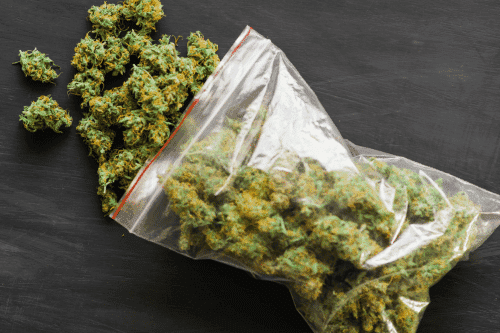

Clinically Reviewed By Brittany Astrom - LMFT
Brittany has 15 years of experience in the Mental Health and Substance Abuse field. Brittany has been licensed for almost 8 years and has worked in various settings throughout her career, including inpatient psychiatric treatment, outpatient, residential treatment center, PHP and IOP settings.
Can You Overdose on Weed? Symptoms, Signs, & Treatment
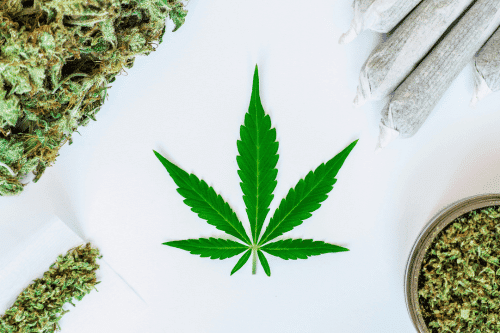
Understanding the Potential Risks of Marijuana Overdose
With the growing legalization of marijuana across the United States and many parts of the world, more people are using cannabis for both recreational and medical purposes. While marijuana is widely considered to be less harmful than many other drugs, a common question remains: Can you overdose on weed? The short answer is yes, you can experience a form of overdose from marijuana. However, it’s important to understand that the nature of a marijuana overdose differs significantly from overdoses caused by more dangerous drugs such as opioids or alcohol.
In this article, we will take a deep dive into the concept of a marijuana overdose, what causes it, what symptoms to look for, and how to respond if you or someone you know consumes too much marijuana. We will also discuss the relationship between cannabis use and public health, and provide some guidance for those seeking help for marijuana addiction or substance abuse.
What Is a Marijuana Overdose?
A marijuana overdose, sometimes referred to as acute marijuana intoxication or cannabis overdose, happens when an individual consumes more cannabis than their body can process. It typically leads to unpleasant symptoms, though it is not usually life-threatening. Unlike a heroin or opioid overdose, which can cause fatal respiratory depression, marijuana overdose symptoms are generally not fatal but can be distressing enough to require medical attention.
This is especially true for new users, individuals with underlying health issues, or those consuming particularly potent cannabis products. Marijuana overdose symptoms can range from mild to severe depending on several factors, including how much THC was consumed, the user’s tolerance level, and how the marijuana was ingested.

Prevalence and Impact of Marijuana Overdose
Marijuana overdose is becoming an increasingly significant concern, especially among adolescents and young adults. According to the Centers for Disease Control and Prevention (CDC), marijuana use is the most common form of illicit drug use among individuals aged 12-25. While the exact prevalence of marijuana overdose is challenging to pinpoint due to inconsistent reporting and many cases going unreported, studies suggest that approximately 1 in 10 individuals who use marijuana may experience an overdose.
The impact of a marijuana overdose can range from mild to severe. In extreme cases, it can lead to respiratory depression, which, although rare, can be fatal if not promptly treated. Additionally, marijuana overdose can trigger panic attacks, anxiety, and paranoia, which may have lasting effects on mental health. As marijuana use continues to rise, understanding and addressing the risks associated with overdose becomes increasingly important for public health.
Symptoms of a Marijuana Overdose
Recognizing the overdose symptoms of marijuana is key to understanding whether a person may need medical help. Some common marijuana overdose symptoms include:
- Panic attacks and extreme anxiety
- Trouble breathing, sometimes accompanied by chest pain
- Increased heart rate and high blood pressure
- Confusion, paranoia, or hallucinations
- Severe dizziness or feeling faint
- Nausea and vomiting
- Impaired motor skills and judgment
For most people, these symptoms are temporary and subside as the effects of THC wear off. However, for individuals with pre-existing conditions such as heart problems or anxiety disorders, the symptoms may be more dangerous and require prompt medical intervention.
One symptom that is often particularly alarming is trouble breathing, which can lead to chest pain and feelings of extreme discomfort. This is why it’s essential to seek medical attention if these symptoms become severe.
Causes of Marijuana Overdose
The main cause of a marijuana overdose is the consumption of too much THC, the primary psychoactive compound in cannabis. THC affects the brain and central nervous system, causing the “high” associated with marijuana. When taken in large quantities, particularly by inexperienced users, it can lead to symptoms of overdose.
Today’s cannabis products are much more potent than those available decades ago. Smoking marijuana offers nearly immediate intoxication effects, while edibles can lead to delayed effects, increasing the risk of overdose due to users consuming more while waiting for the desired high. This is especially true of cannabis edibles, which can have a delayed effect, causing users to accidentally consume too much before feeling the full impact. Edible cannabis products pose a higher risk for overdose symptoms due to the longer onset time, often leading users to think the product isn’t working and consume more.
THC Overdose vs. Traditional Overdose
It is essential to note that THC overdose does not typically result in death. While many substances can cause a fatal overdose—like alcohol, opioids, and other illicit drugs—THC overdoses rarely lead to respiratory depression or death. However, this does not mean a weed overdose is harmless. The symptoms of a marijuana overdose can still be extremely uncomfortable and, in some cases, dangerous.
Some severe symptoms associated with marijuana overdose can mimic those of other, more harmful drug overdoses. For instance, trouble breathing or chest pain could be mistaken for signs of a heart attack. Panic attacks can also make a person feel as though they are in danger, which increases anxiety and worsens the situation.
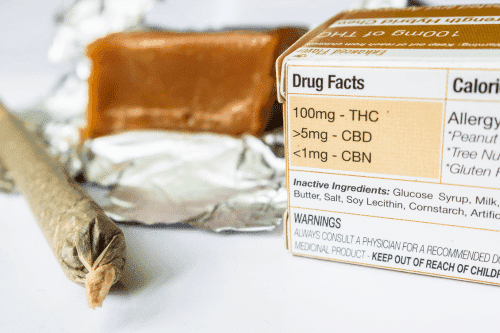
Can You Overdose on Edibles?
Edible cannabis products are one of the most common causes of marijuana overdose. Because edibles take longer to produce effects—sometimes several hours—people may consume multiple doses thinking they haven’t taken enough. By the time the effects set in, the user may have already consumed an excessive amount, leading to severe symptoms.
Marijuana edibles can also produce a more intense and prolonged high compared to smoking cannabis, making it easier for someone to overdose on them. It’s essential to exercise caution when consuming edibles, particularly for new users or those with low tolerance.
Who Is at Risk for a Marijuana Overdose?
Certain individuals are at a higher risk of experiencing a marijuana overdose than others. These high-risk groups include:
- New users: People who are new to cannabis and unfamiliar with its effects are more likely to overdose by consuming too much.
- Pediatric populations: Children who accidentally ingest marijuana, especially edibles, are more prone to serious symptoms. In recent years, pediatric cannabis exposures have increased, particularly in states where recreational marijuana is legal.
- Individuals with pre-existing conditions: People with heart conditions or mental health disorders like anxiety or depression are at a higher risk of experiencing severe symptoms, such as panic attacks, increased heart rate, or high blood pressure.
- Chronic marijuana users: Those who use marijuana frequently and in large quantities may be more likely to experience overdose symptoms due to their body’s accumulation of THC over time.
Short-term Effects of Marijuana Use
Marijuana use can produce a variety of short-term effects on both the body and mind. Some of the most common short-term effects include:
- Impaired cognitive function, such as difficulty concentrating and memory loss
- Increased heart rate and blood pressure
- Altered perception and mood, including feelings of euphoria and relaxation
- Increased appetite and dry mouth
- Red eyes and dilated pupils
These effects can last for several hours, depending on how the marijuana was consumed and the individual’s tolerance level. In some instances, marijuana use can lead to acute marijuana intoxication, characterized by symptoms like confusion, disorientation, and difficulty speaking. Being aware of these short-term effects can help users make more informed decisions about their marijuana consumption.
Long-term Effects of Marijuana Use
Prolonged and heavy use of marijuana can lead to several long-term effects on both the body and mind. Some of the most common long-term effects include:
- Cognitive impairment, including persistent difficulty concentrating and memory loss
- Increased risk of mental health issues, such as depression and anxiety
- Respiratory problems, including chronic bronchitis and lung infections
- Increased risk of heart attack and stroke
- Decreased motivation and productivity
Moreover, long-term marijuana use can lead to dependence and addiction. According to the American Addiction Centers, approximately 1 in 6 individuals who use marijuana will develop an addiction. Understanding these long-term risks is crucial for anyone considering regular marijuana use.
Marijuana Use and Public Health
As marijuana becomes more widely accepted for both recreational and medicinal use, its impact on public health is gaining more attention. According to the Centers for Disease Control and Prevention (CDC), marijuana use, particularly heavy use, can have negative consequences on physical and mental health. Long-term users may be at an increased risk of developing dependency, which can lead to marijuana addiction.
Substance abuse related to marijuana use is also on the rise, and some individuals who use marijuana may be more likely to experiment with other substances, increasing their risk of more serious health issues. Studies show that heavy marijuana users can develop a marijuana use disorder, characterized by cravings, withdrawal symptoms, and an inability to stop using the drug despite negative effects on their life. Understanding drug abuse, including the prevalence and societal impacts, is crucial to addressing these challenges and implementing effective interventions.
Legalization Impacts on Marijuana Use
The legalization of recreational cannabis has significantly impacted marijuana use, particularly among adolescents and young adults. Studies have shown that legalization has led to an increase in marijuana use within this age group, and some research suggests that the risk of marijuana overdose has also risen.
However, legalization has also brought about increased regulation and education regarding marijuana use, which can help mitigate the risk of overdose and other negative effects. Additionally, legalization has improved access to treatment and support services for individuals struggling with marijuana addiction, providing a more structured approach to addressing substance abuse.
The Link Between Marijuana and Other Substance Use
While marijuana may not be as dangerous as drugs like heroin or methamphetamines, there is a clear association between marijuana abuse and the use of other drugs. Many individuals who start with marijuana eventually try more dangerous substances, leading to substance use disorders that can be challenging to overcome without professional treatment.
For some individuals, marijuana can act as a gateway to other drug use. If you or a loved one is struggling with marijuana addiction or the use of illicit drugs, it is important to seek help from professionals who specialize in treating substance abuse.
Can Marijuana Overdose Be Fatal?
A fatal overdose directly caused by marijuana is highly unlikely. However, marijuana use can contribute to dangerous behaviors and accidents, particularly if someone operates a vehicle while under the influence. Impaired judgment and motor skills can lead to accidental death or serious injury, which is why it’s crucial to avoid driving or engaging in other risky activities while high.
Moreover, for individuals with underlying health conditions, such as heart disease, marijuana use can exacerbate symptoms, increasing the likelihood of experiencing a heart attack or other cardiovascular complications.
What To Do If You Suspect a Marijuana Overdose
If you suspect that someone has overdosed on marijuana, it’s important to assess their symptoms and determine whether they need medical help. While most marijuana overdoses resolve without intervention, severe cases may require medical attention.
Signs that someone may need professional care include:
- Difficulty breathing or chest pain
- Severe confusion or hallucinations
- Uncontrollable vomiting
- Rapid heart rate and high blood pressure
If the individual is experiencing severe symptoms or if you are unsure of how to handle the situation, do not hesitate to seek medical help. Emergency responders can provide necessary care and ensure that the person’s condition does not worsen.
How To Prevent a Marijuana Overdose
Preventing a marijuana overdose is largely a matter of using cannabis responsibly. Here are some tips for reducing your risk:
- 1Start with small doses, particularly if you are new to marijuana or trying a new product.
- 1Avoid consuming multiple doses of cannabis edibles without waiting for the first dose to take effect. Be patient.
- 1Refrain from mixing marijuana with other substances, including alcohol and prescription medications, as this can increase the risk of adverse effects.
- 1Keep cannabis out of reach of children and pets to avoid accidental ingestion.
- 1Be mindful of your own tolerance and avoid using more than you need to achieve the desired effects.
Parental Guidance and Support
Parents play a vital role in preventing and addressing marijuana use among adolescents and young adults. Open and honest communication about the risks and effects of marijuana is essential. Setting clear rules and consequences for marijuana use can also help guide young people in making safer choices.
Encouraging children to seek help if they are struggling with marijuana addiction or experiencing overdose symptoms is crucial. Parents can also seek support and guidance from healthcare professionals and addiction treatment centers to better understand how to address these issues. By fostering a supportive and informed environment, parents can help their children navigate the challenges associated with marijuana use.
Seeking Help for Marijuana Abuse
If you or someone you know is struggling with marijuana abuse or dependency, it’s crucial to seek professional help. Sun County Wellness provides comprehensive treatment for individuals dealing with marijuana addiction and other substance use disorders. Our compassionate team is dedicated to helping individuals reclaim their lives and achieve long-term recovery.
Conclusion
While it’s rare to experience a fatal overdose from marijuana, consuming too much THC can lead to uncomfortable and sometimes dangerous symptoms. Whether you’re using marijuana for recreational or medicinal purposes, it’s essential to understand the risks associated with marijuana overdose and practice responsible use. If you or someone you know exhibits signs of a marijuana overdose, especially if trouble breathing or chest pain is present, don’t hesitate to seek medical attention.
At Sun County Wellness, we are here to support individuals who are struggling with marijuana addiction and other substance use issues. Contact us today to learn more about how we can help you or your loved one take the first steps toward recovery.

Seeking Treatment? We Can Help
At Sun County Wellness, as an in-network provider we work with most insurance plans, such as:
If you or a loved one are struggling with mental health challenges or substance abuse, reach out to Sun County Wellness today. Our team of compassionate professionals is here to support your journey towards lasting well-being. Give us a call at 949-993-1149