5 Star Rated Facility | 1000+ Lives Changed

Call Now | 949-828-0960

Heroin Addiction Treatment
Women's Addiction and Mental Health Treatment Center in San Juan Capistrano, CA
Substance Abuse
Verify Insurance
Need to find out if we take your insurance? Call Us Today for verification.
Call Now for Addiction Treatment
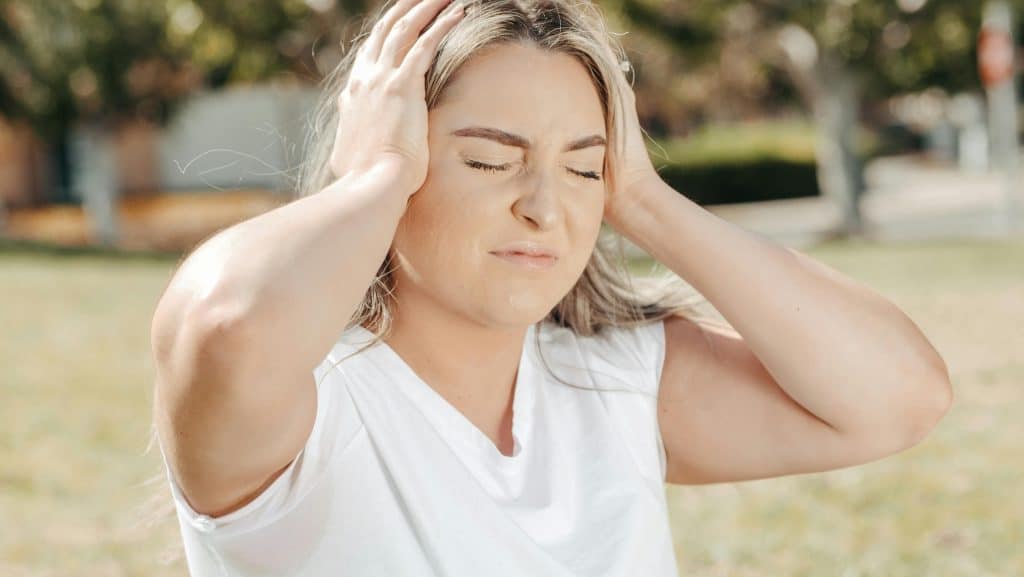
Understanding Heroin Addiction
Heroin is an addictive drug, often found in white or brown powder or as black tar heroin. People smoke heroin, inject it, or inhale it, and each method increases the risk of physical dependence and heroin overdose. The drug impacts the brain’s opioid receptors, leading to a strong physical and psychological hold on users. This creates a cycle of substance abuse that is challenging to break without professional support.
Substance Abuse and Heroin Addiction
Heroin addiction is one of the most dangerous forms of substance abuse due to the drug’s powerful effect on the brain and body. People abusing heroin may experience rapid development of physical dependence, making it difficult to stop without medical support. Substance abuse not only affects physical health but also impacts mental well-being. Those struggling with heroin addiction often experience intense cravings, changes in behavior, and an increased risk of overdose.
At Sun County Wellness, we understand the unique challenges of overcoming substance abuse. Our comprehensive heroin addiction treatment program is designed to address both the physical symptoms of withdrawal and the mental health issues associated with substance abuse. By combining medical care, therapy, and support groups, we help clients break free from the cycle of addiction and build healthier, more fulfilling lives.
Effects of Heroin Use Disorder
Heroin addiction affects both the body and mind. Regular drug use impacts the brain’s chemistry, leading to increased dependency on heroin. Over time, users develop physical symptoms and mental health issues that require targeted treatment. Heroin abuse also poses risks of overdose, which can be fatal. Professional treatment centers, like Sun County Wellness, play a crucial role in providing life-saving support and guidance.
Withdrawal Symptoms and Heroin Detox
Rehabilitation can put an end to mental health
Call and ask the facility directly or call your own provider to determine if your insurance covers the treatment.
The Role of the National Institute on Drug Abuse
The National Institute on Drug Abuse (NIDA) and the Substance Abuse and Mental Health Services Administration (SAMHSA) provide guidance on evidence-based heroin addiction treatment. These institutions emphasize the importance of personalized, structured care in treatment centers to address both the physical and psychological aspects of addiction.
Treatment for Heroin Addiction
Effective heroin addiction treatment must address both substance abuse and mental health. At Sun County Wellness, we create customized treatment plans based on individual needs. This includes a mix of outpatient treatment, inpatient rehab, and family therapy. Our comprehensive approach ensures each client receives well-rounded care.

Treatment Options for Heroin Use Disorder
- Cognitive-Behavioral Therapy (CBT): CBT helps clients recognize and change harmful thinking patterns that fuel drug abuse. This approach is effective in reducing cravings and preventing relapse.
- Contingency Management: This program rewards clients for meeting treatment goals, which motivates positive behaviors and reinforces sobriety.
- Family Therapy: Family support is crucial for recovery. Family therapy sessions help rebuild trust and improve communication, allowing family members to provide meaningful support throughout treatment.
Support Groups: Support groups are vital for maintaining sobriety. These groups offer a network of individuals who have faced similar struggles, providing a sense of community and mutual encouragement. Sun County Wellness connects clients with support groups to help them stay on track.
Behavioral Treatments for Heroin Addiction
Behavioral treatments play a significant role in treating heroin addiction. These therapies help clients change negative thought patterns and develop healthier coping mechanisms.
Types of Behavioral Treatments
- Cognitive-Behavioral Therapy (CBT): CBT helps clients recognize and change harmful thinking patterns that fuel drug abuse. This approach is effective in reducing cravings and preventing relapse.
- Contingency Management: This program rewards clients for meeting treatment goals, which motivates positive behaviors and reinforces sobriety.
- Family Therapy: Family support is crucial for recovery. Family therapy sessions help rebuild trust and improve communication, allowing family members to provide meaningful support throughout treatment.
Support Groups: Support groups are vital for maintaining sobriety. These groups offer a network of individuals who have faced similar struggles, providing a sense of community and mutual encouragement. Sun County Wellness connects clients with support groups to help them stay on track.
Understanding Heroin and Opioid Receptors
Heroin interacts with the brain’s opioid receptors, which are also affected by other drugs like prescription painkillers. These receptors regulate pain and reward, making them vulnerable to the effects of addictive drugs. Treatment that focuses on both heroin addiction and the same opioid receptors helps in reducing cravings and minimizing the risk of relapse.
Role of National Organizations in Addiction Treatment
National organizations play an active role in shaping effective heroin addiction treatment. The National Institute on Drug Abuse (NIDA) and the Drug Enforcement Administration (DEA) focus on reducing the use of illicit drugs and improving access to evidence-based treatments. Their research supports the development of personalized treatment plans and Medication-Assisted Treatment (MAT) strategies that improve safety and long-term recovery outcomes.
At Sun County Wellness, our programs reflect national guidance for treating opioid use disorders and substance use disorders. Our clinical staff incorporates guidelines from these organizations to ensure every patient receives a comprehensive treatment plan that supports both mental and physical health. This includes addressing the effects of heroin addiction, such as shallow breathing, heart rate changes, sexual dysfunction, cold flashes, and severe itching—as well as deeper concerns like infectious disease transmission and emotional pain.
Building a Long-Term Treatment Plan
A successful recovery begins with a clear, structured, and comprehensive treatment plan. At Sun County Wellness, we support each patient through every step of their recovery journey with heroin addiction treatment, starting with medically monitored detox for acute heroin withdrawal and moving into ongoing care that includes individual therapy, aftercare support, and relapse prevention.
Each plan is built around the unique needs of the patient. We treat both the physiological dependence and psychological symptoms of opioid addiction while also addressing co-occurring mental health disorders and co-occurring addictions. For many, this includes a combination of medication, such as a daily dose of methadone or maintenance therapy, with structured individual therapy sessions and support through 12-Step support groups.
Why Choose Sun County Wellness?
Sun County Wellness stands out due to our compassionate team, evidence-based methods, and focus on holistic healing. We are committed to helping clients overcome heroin addiction and build healthy, fulfilling lives.
Seeking Treatment?
Frequently Asked Questions
Heroin addiction treatment is a program that helps individuals stop using heroin and manage withdrawal symptoms. Treatment includes medical detox, therapy, and support groups, addressing both physical and mental health aspects of addiction.
Withdrawal symptoms from heroin include nausea, muscle pain, anxiety, and strong cravings. Symptoms can be managed with medical supervision, which makes the detox process safer and more comfortable.
Inpatient rehab requires clients to stay at a treatment center, providing 24/7 support and a stable environment. Outpatient treatment allows clients to live at home while attending scheduled therapy sessions. Both options offer effective support for heroin addiction recovery.
Family therapy involves family members in the recovery process, improving communication and rebuilding trust. It helps families understand addiction and supports them in providing the right kind of help.
Yes, medications can help manage withdrawal symptoms and reduce cravings. These medications are often part of a comprehensive treatment plan that includes therapy and support groups.
Our Women's Treatment Facility
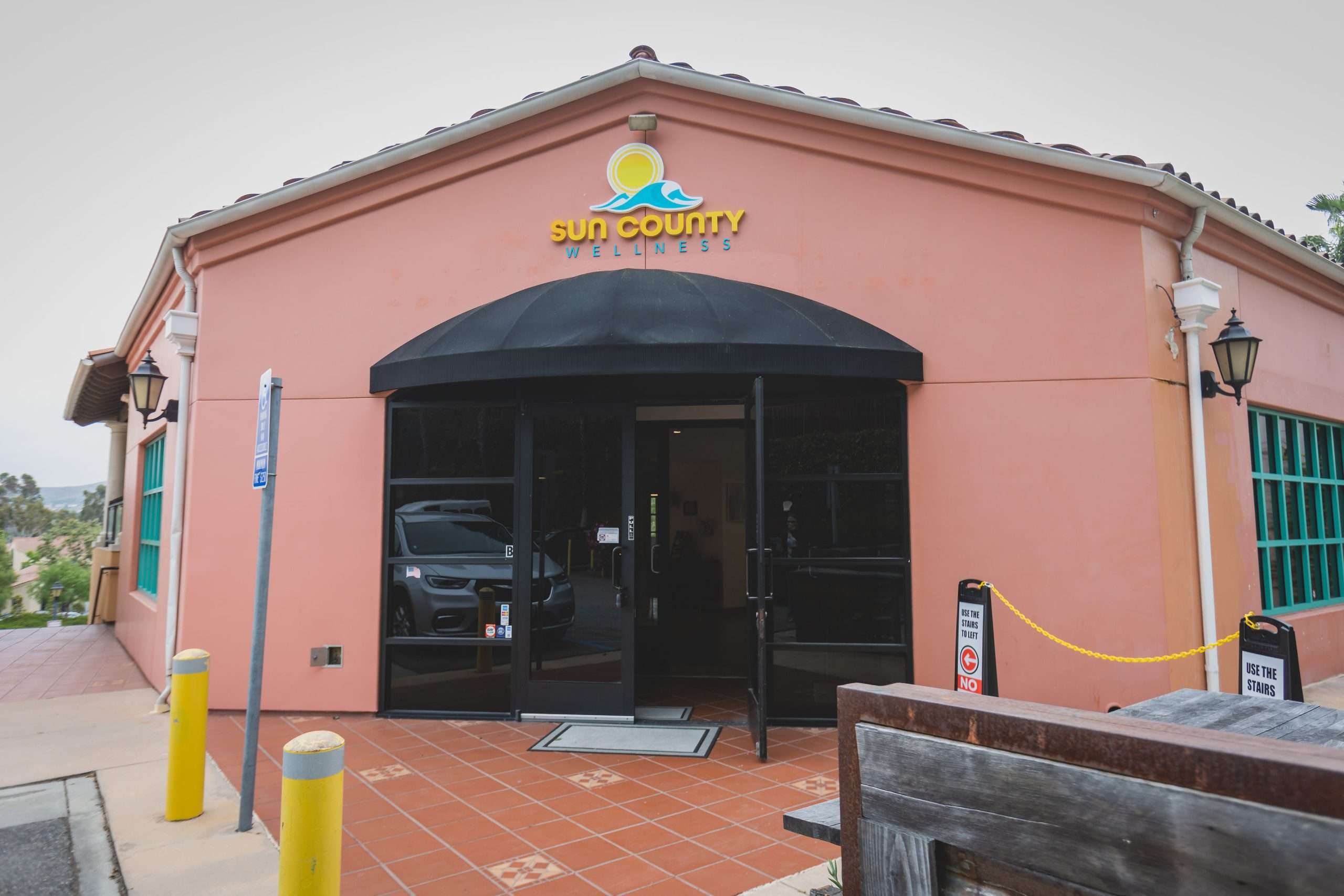
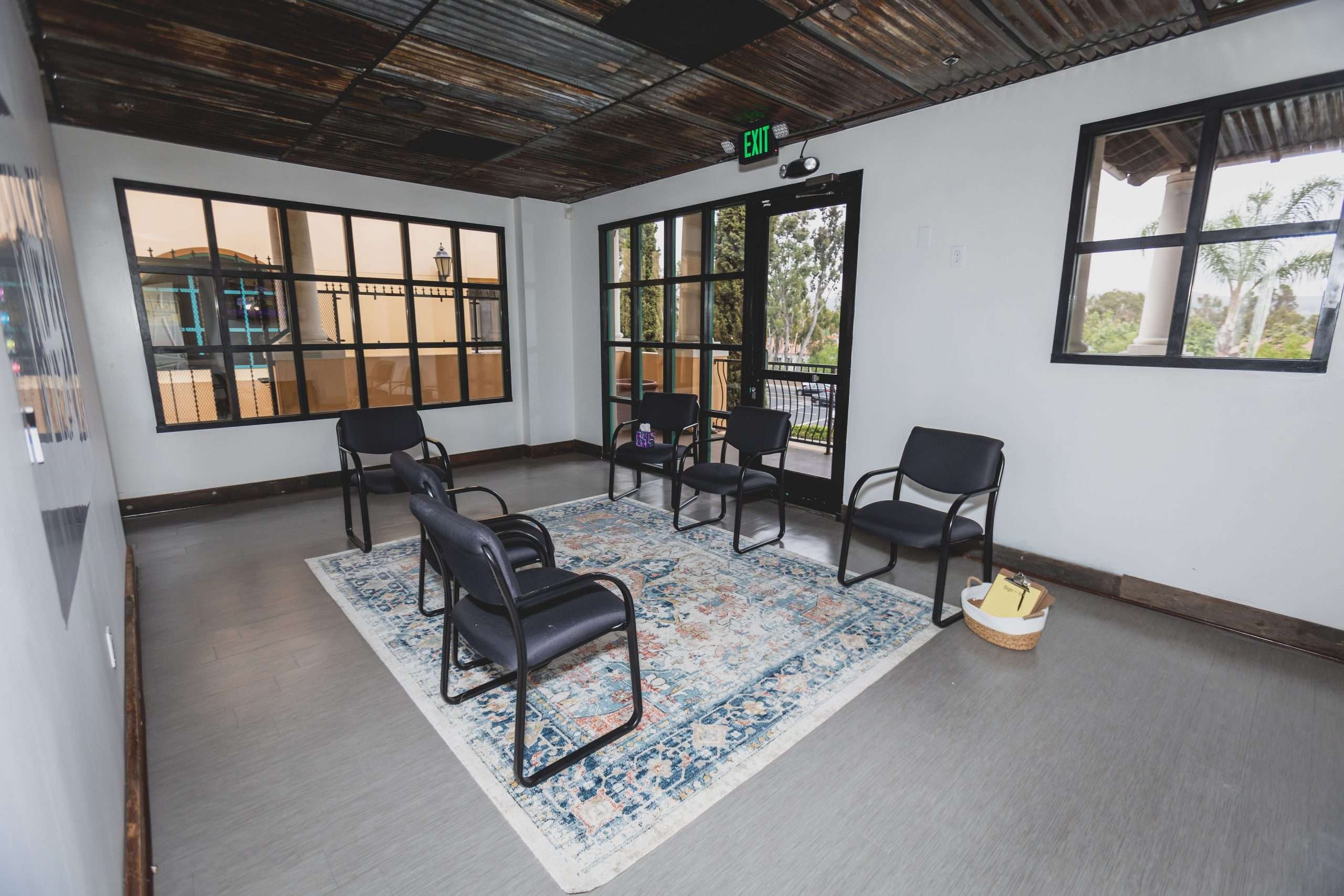
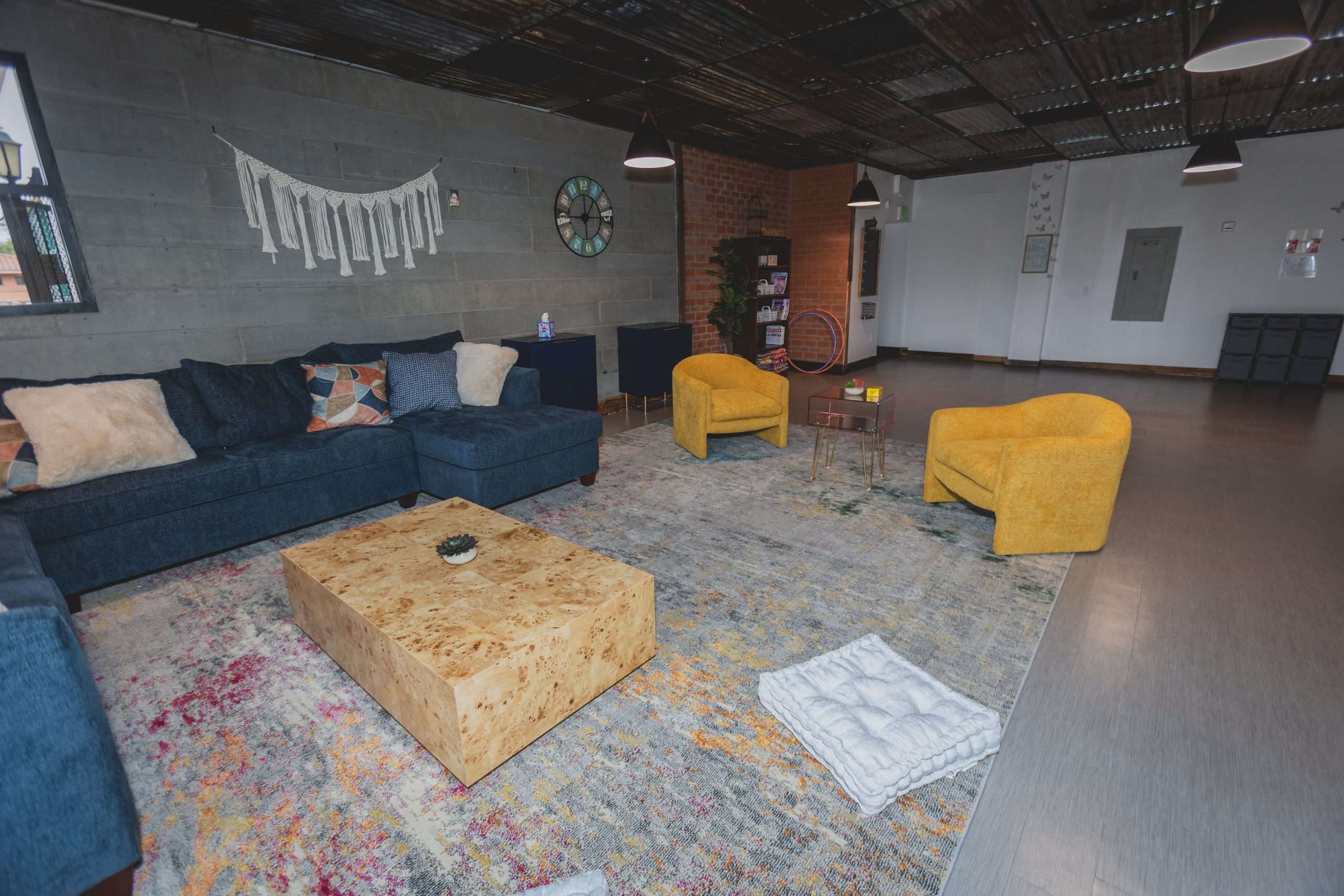
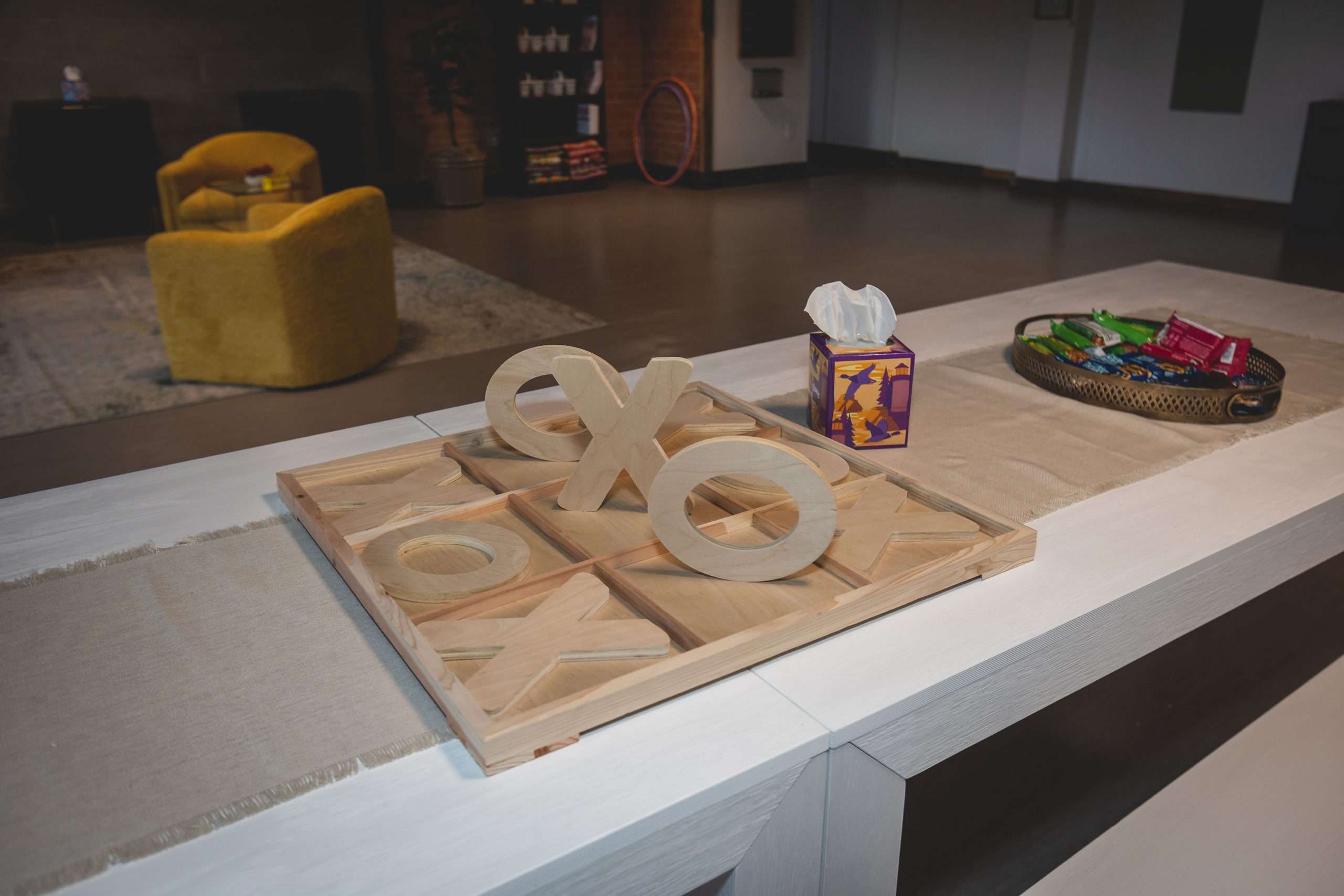
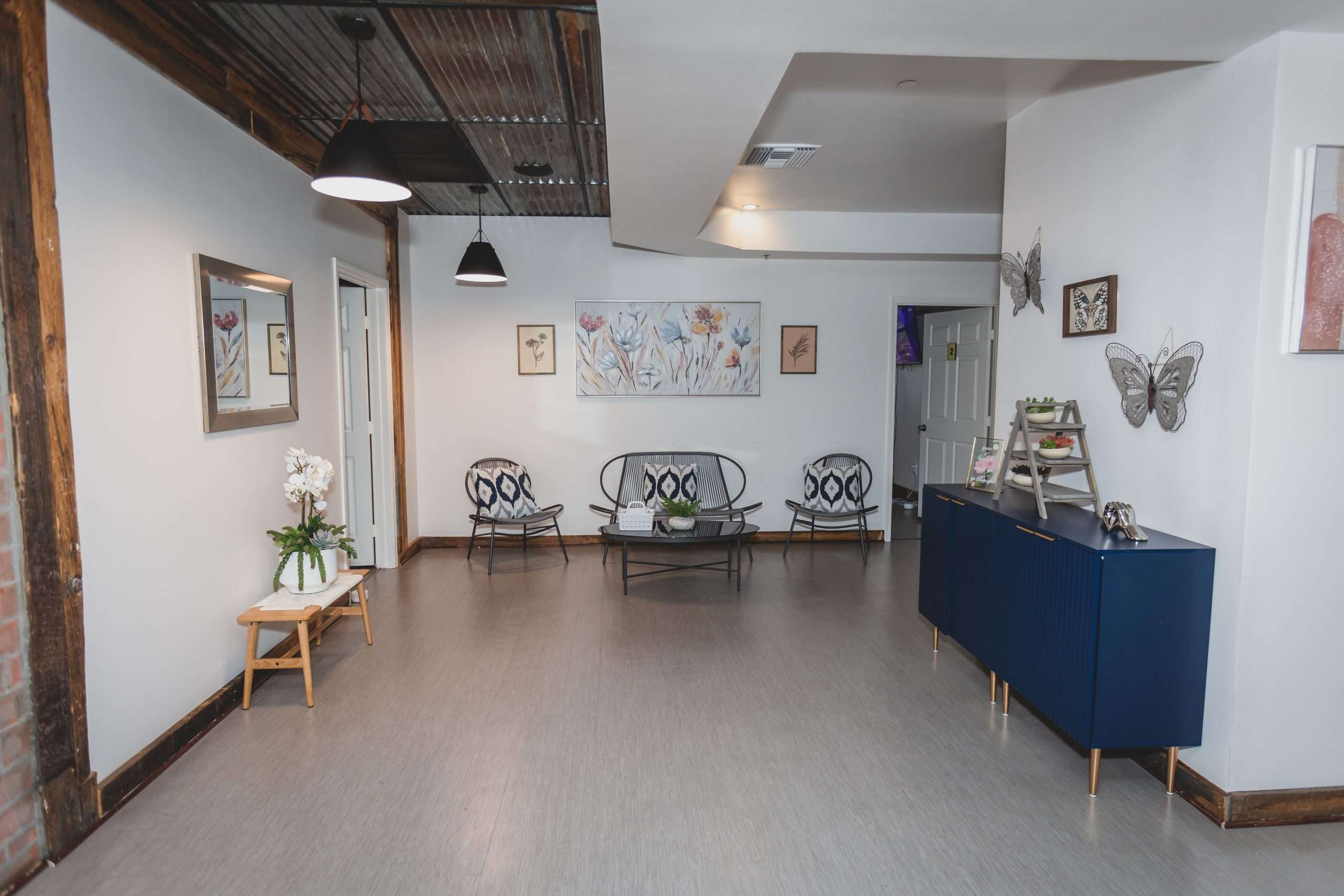
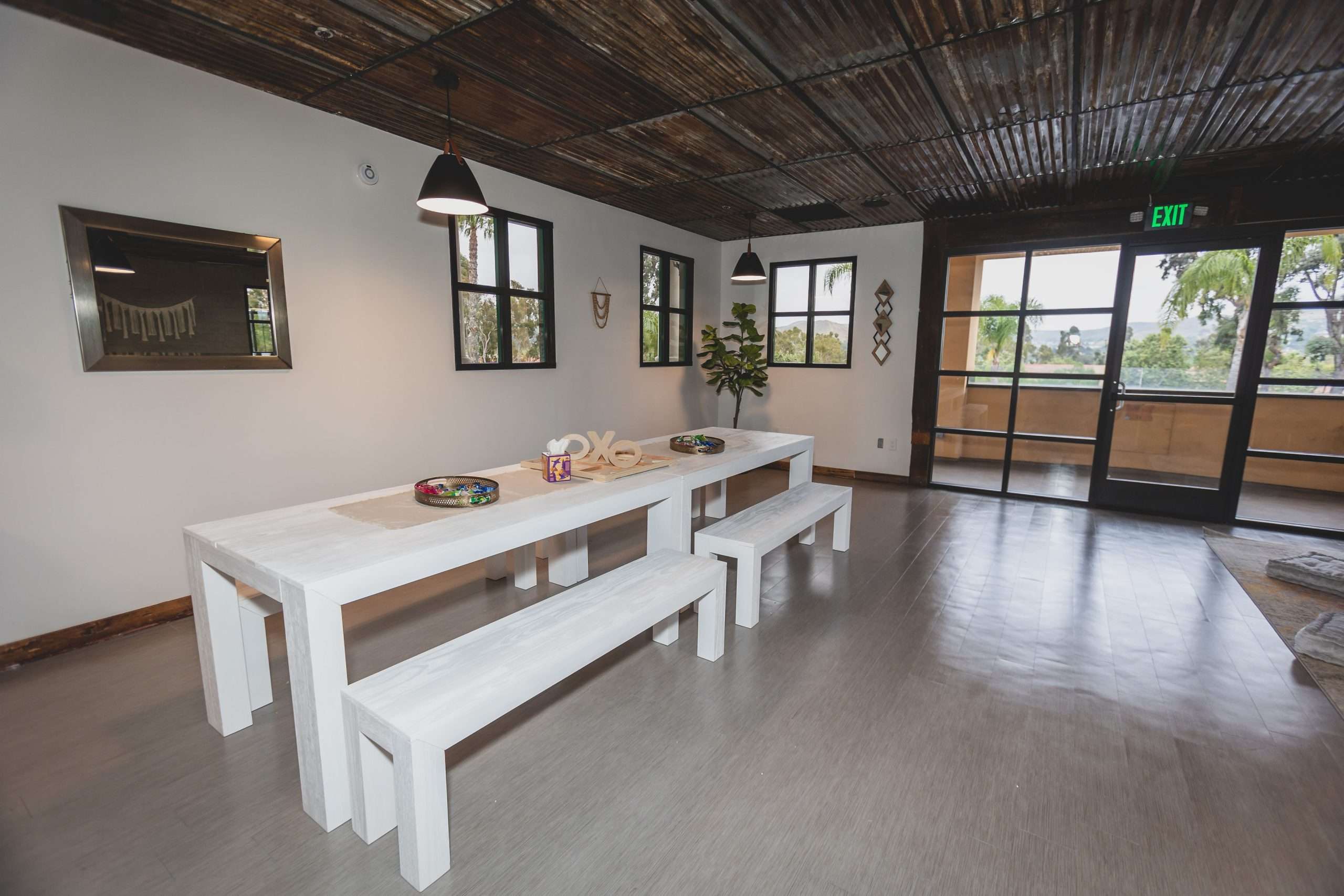
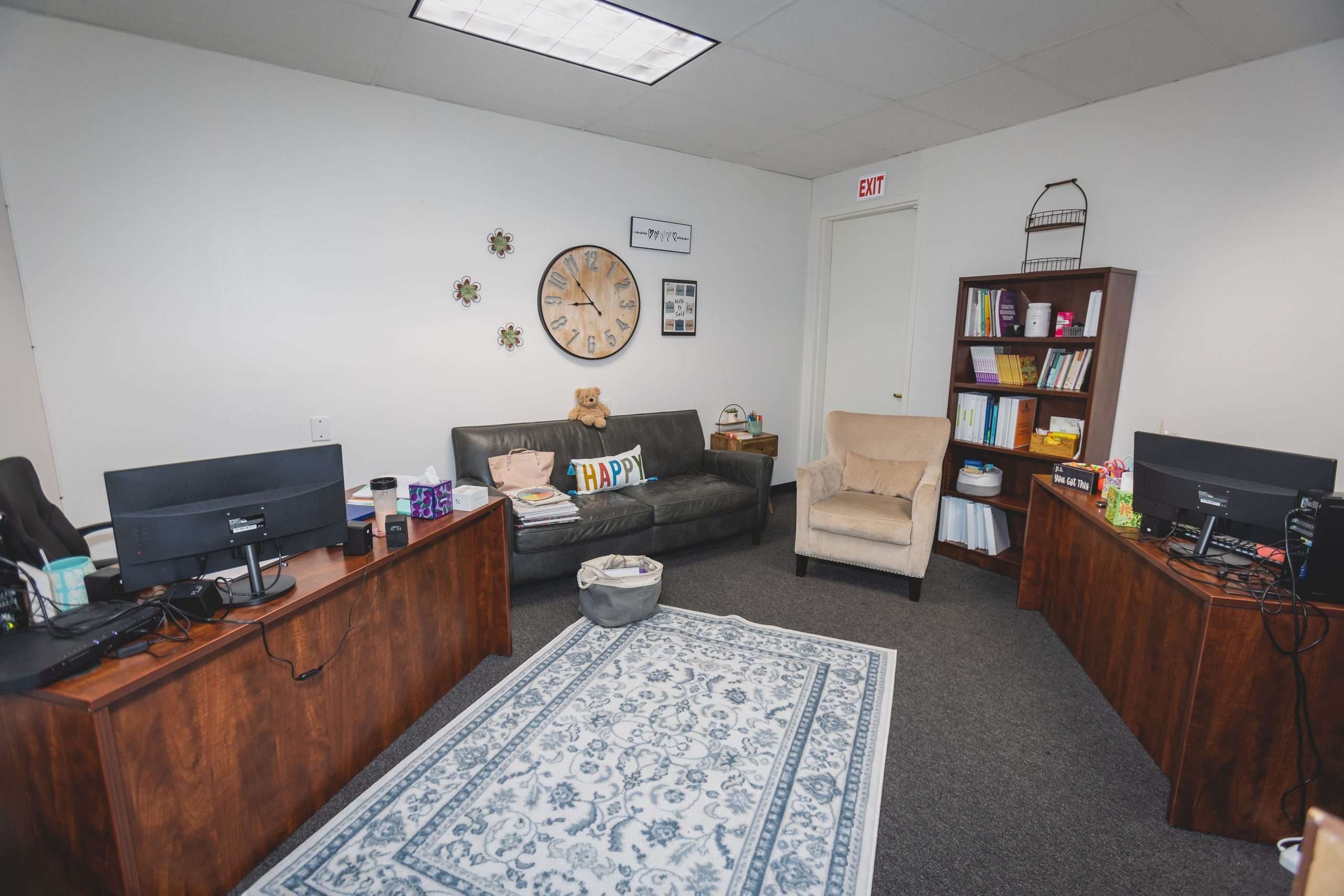
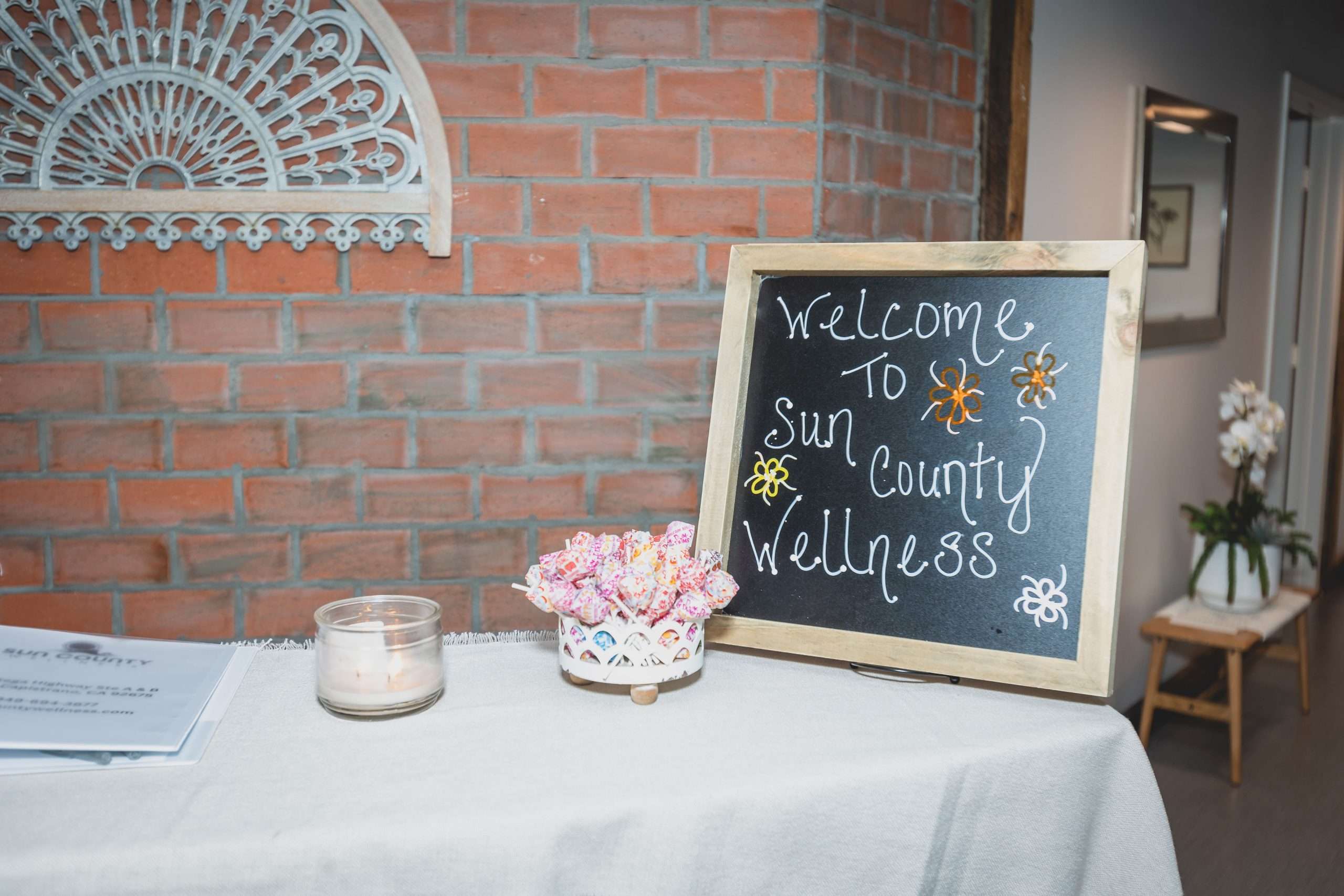
Locating Our Addiction Treatment Center For Women
John Wayne Airport (SNA)
- Distance: Approximately 21 miles
- Directions:
- Head northeast on N Airport Way.
- Use the right lane to take the ramp to CA-55 S.
- Merge onto CA-55 S.
- Take exit 5A for I-405 S toward San Diego.
- Keep left at the fork and merge onto I-405 S.
- Take exit 8 for CA-73 S toward San Diego (Toll Road).
- Merge onto CA-73 S (Toll Road).
- Take exit 5 for Greenfield Dr.
- Turn left onto Rancho Viejo Rd.
- Turn right onto Ortega Hwy.
- Sun County Wellness will be on the left.
Los Angeles International Airport (LAX)
- Distance: Approximately 61 miles
- Directions:
- Head east on World Way.
- Use the right 2 lanes to take the I-405 S ramp.
- Merge onto I-405 S.
- Take exit 8 for CA-73 S toward San Diego (Toll Road).
- Merge onto CA-73 S (Toll Road).
- Take exit 5 for Greenfield Dr.
- Turn left onto Rancho Viejo Rd.
- Turn right onto Ortega Hwy.
- Sun County Wellness will be on the left.
Long Beach Airport (LGB)
- Distance: Approximately 47 miles
- Directions:
- Head south on Donald Douglas Dr.
- Take the ramp to I-405 S.
- Merge onto I-405 S.
- Take exit 8 for CA-73 S toward San Diego (Toll Road).
- Merge onto CA-73 S (Toll Road).
- Take exit 5 for Greenfield Dr.
- Turn left onto Rancho Viejo Rd.
- Turn right onto Ortega Hwy.
- Sun County Wellness will be on the left.
San Diego International Airport (SAN)
- Distance: Approximately 64 miles
- Directions:
- Head northwest on N Harbor Dr.
- Use the left 2 lanes to take the ramp onto I-5 N.
- Continue on I-5 N.
- Take exit 81 for CA-74/Ortega Hwy.
- Turn right onto CA-74 E/Ortega Hwy.
- Sun County Wellness will be on the right.