

Clinically Reviewed By Brittany Astrom - LMFT
Brittany has 15 years of experience in the Mental Health and Substance Abuse field. Brittany has been licensed for almost 8 years and has worked in various settings throughout her career, including inpatient psychiatric treatment, outpatient, residential treatment center, PHP and IOP settings.
Depression After Drinking: Uncovering the Emotional Hangover
Drinking alcohol is often associated with social gatherings, celebrations, or ways to unwind after a stressful day. However, for many individuals, excessive alcohol consumption can lead to more than just a hangover. Feelings of sadness, fatigue, or emotional distress often follow a night of drinking, which can signal a condition known as depression after drinking. This article explores why these emotional lows occur, how drinking impacts mental health, and ways to break the cycle of alcohol-related depression.
Why Does Drinking Alcohol Cause Depression?

Alcohol directly impacts the brain’s chemistry by altering neurotransmitter activity, particularly those responsible for mood regulation, such as serotonin and dopamine. Drinking heavily can exacerbate this disruption, leading to emotional instability and negative emotions once the alcohol wears off. The brain’s attempt to restore balance after alcohol intake can cause feelings of depression, particularly during the recovery phase.
Alcohol and Mental Health
Alcohol consumption, particularly in excessive amounts, is closely linked to mental health disorders like anxiety and depression. Heavy drinking and binge drinking increase the likelihood of developing alcohol-induced depression, a condition that mimics the symptoms of major depressive disorder. When individuals drink heavily or regularly, they may find that their ability to regulate mood diminishes, leading to a higher risk of depression. The term ‘hangover depression’ refers to feelings of low mood, apathy, and sadness that arise following alcohol consumption.
Additionally, alcohol is a depressant, meaning that its use depresses the central nervous system, contributing to feelings of sadness or fatigue. Alcohol use disorder and alcohol abuse exacerbate these symptoms, potentially triggering depressive disorders in individuals who already experience underlying mental health conditions.
Hangover Depression: A Closer Look
A common experience after heavy alcohol consumption is what some call hangover depression. The term hangover depression refers to feelings of low mood, apathy, and sadness that arise following alcohol consumption. The body’s chemical changes following alcohol intake can create an emotional imbalance, leaving individuals feeling depressed and disconnected.
Hangxiety, a type of anxiety that follows drinking, can also worsen these feelings. People may wake up feeling anxious or guilty about their behavior while intoxicated, leading to more alcohol cravings or further mental health challenges.
The Impact of Drinking on Brain Chemistry
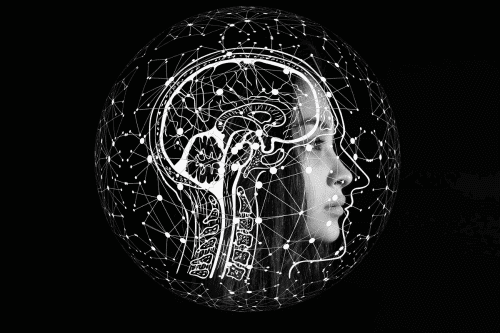
Drinking heavily alters brain chemistry in ways that can disrupt mood regulation. When the effects of alcohol wear off, the brain is left in a vulnerable state, which may cause individuals to feel emotionally drained or depressed. Long-term alcohol use can deplete serotonin levels, leading to persistent depressive symptoms.
Sleep disturbances also contribute to the development of alcohol-related depression. Alcohol affects the sleep cycle, reducing REM sleep, which is essential for mental restoration. Poor-quality sleep can leave individuals feeling fatigued, further exacerbating depressive symptoms.
Signs and Symptoms of Depression After Drinking
Depression after drinking can manifest in various ways. Common symptoms include:
- Persistent sadness or low mood
- Fatigue and lack of motivation
- Increased irritability or anxiety
- Difficulty concentrating or focusing
- Loss of interest in daily activities
If these symptoms persist beyond a few weeks or interfere with daily life, it may indicate a more severe issue such as alcohol-induced depression or an anxiety disorder. Excessive alcohol consumption can exacerbate these symptoms.
How to Break the Cycle of Depression and Alcohol
Addressing depression after drinking requires both lifestyle changes and professional support. Here are some strategies to help reduce depressive symptoms:
Reducing excessive alcohol consumption can significantly improve mental health.
1. Quit Drinking or Reduce Alcohol Intake
Excessive alcohol consumption can significantly impact mental health, and reducing or stopping alcohol use can improve mental health over time. Those experiencing withdrawal symptoms may benefit from working with a mental health professional to ease the transition.
2. Seek Professional Support
Mental health professionals can help individuals manage both alcohol use and depressive disorders. Therapy, counseling, or participation in support groups can provide valuable tools for maintaining mental well-being.
Professional support can also help manage the effects of excessive alcohol consumption.
3. Focus on Quality Sleep and Nutrition
Getting adequate sleep and staying hydrated are essential. Drinking water regularly helps the body recover, while establishing a healthy sleep cycle restores mood balance. Excessive alcohol consumption can disrupt sleep and nutrition.
4. Address Underlying Mental Health Issues
Many individuals who struggle with alcohol use have underlying mental health issues such as anxiety disorders or major depression. Treating these conditions is essential for long-term recovery. Excessive alcohol consumption can exacerbate underlying mental health issues.
5. Understand Genetic and Environmental Factors
Some people may have a genetic predisposition toward mental health issues or alcohol addiction. Recognizing these factors can guide individuals in developing personalized coping strategies. Additionally, genetic and environmental factors can influence excessive alcohol consumption.
Conclusion: Is It Normal to Feel Depressed After Drinking?
Feeling depressed after drinking is not uncommon, especially among those with a history of mental health challenges. However, if depression after drinking becomes a recurring issue, it may signal the need for a more comprehensive evaluation of both mental health and alcohol use. Acknowledging the link between drinking and mood disturbances is the first step toward healing. Seeking help from a mental health professional can empower individuals to make positive changes and regain control over their well-being. Excessive alcohol consumption can significantly impact mental health.

Seeking Treatment? We Can Help
At Sun County Wellness, as an in-network provider we work with most insurance plans, such as:
If you or a loved one are struggling with mental health challenges or substance abuse, reach out to Sun County Wellness today. Our team of compassionate professionals is here to support your journey towards lasting well-being. Give us a call at 949-993-1149