

Clinically Reviewed By Brittany Astrom - LMFT
Brittany has 15 years of experience in the Mental Health and Substance Abuse field. Brittany has been licensed for almost 8 years and has worked in various settings throughout her career, including inpatient psychiatric treatment, outpatient, residential treatment center, PHP and IOP settings.
Depression and Addiction: Understanding the Connection
Depression and addiction often occur together. These co-occurring disorders can affect every part of life. At Sun County Wellness in Orange County, we provide care for women living with substance use disorders and depressive disorders.
Understanding Depression
Depression is a mental health condition that affects thoughts, behaviors, and daily life. It often impacts energy levels, physical activity, and social interaction.
Types of Depressive Disorders
The American Psychiatric Association identifies several forms of depression, including:
- Major depression: A severe form that includes depressed mood, excessive guilt, and loss of interest in regular activities.
- Persistent depressive disorder: Long-term low mood lasting two years or more.
- Postpartum depression and Postnatal depression: Affects new mothers.
- Seasonal Affective Disorder: Linked to seasonal changes.
- Bipolar disorder: A mood disorder that includes depression and episodes of mania.
These are all recognized psychiatric disorders and may appear alongside anxiety disorders, personality disorders, or antisocial personality disorder.
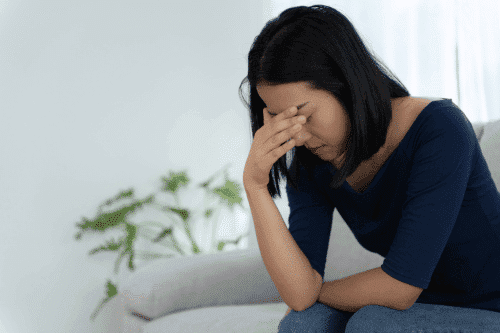
Symptoms of Depression
Common symptoms include:
- Feelings of worthlessness
- Feelings of guilt or excessive guilt
- Fatigue
- Sleep changes
- Appetite changes
- Trouble focusing
- Thoughts of death or suicide
These symptoms of depression can vary by levels of depression, age, and other psychiatric conditions.
Impact on Daily Life and Relationships
Clinical depression can disrupt daily life, including work and school. It affects quality of life and often causes withdrawal from loved ones. It may increase self-destructive behavior and lower performance in daily activities.
Understanding Addiction
Addiction is a chronic brain disease. The National Institute on Drug Abuse describes it as compulsive use of drugs of abuse or alcohol, despite harmful outcomes.
Types of Addiction
Addictive behaviors include:
- Alcohol use disorder
- Nicotine abuse
- Use of illicit or prescription drugs
- Behavioral addictions like gambling
These substance use disorders often overlap with psychiatric comorbidity such as comorbid depression or co-occurring substance use.
Signs and Symptoms of Addiction
Look for:
- Loss of control
- Cravings
- Tolerance
- Withdrawal
- Neglect of responsibilities
- Use despite harm
These signs may increase impairment among cocaine users and alcohol-related impairment.
Impact on Mental and Physical Health
Addiction harms physical health and worsens mental disorders. It can impact brain regions linked to judgment, reward, and behavior.

The Link Between Depression and Addiction
There is a strong association between depression and substance abuse. People with depression may turn to substances for relief, creating a cycle of harm.
Co-occurring Mental Disorders
Many women have both depressive disorders and substance use disorders. This pairing is called a co-occurring condition or dual diagnosis.
Cyclical Nature of Depression and Addiction
Depression may cause substance use. Substance use then worsens depression. This cycle lowers quality of life and increases psychiatric disorders.
Shared Triggers and Risk Factors
Common risk factors include:
- Trauma
- Genetics
- Environmental factors
- Low self-esteem
- A history of depression
- Medical conditions
A longitudinal study may show how depression with age and depression with treatment involvement evolve over time.
Self-medication and Its Pitfalls
Some people self-medicate with drugs or alcohol. This often leads to comorbid substance use and worsens the development of depression.
Diagnosis and Assessment
Early detection can improve outcomes.
Identifying Depression Symptoms in Addictive Behaviors
Health care providers must recognize depressive symptoms hidden by effects of substance use. Tools like the Hopkins Symptom Checklist help in diagnosis.
Comprehensive Evaluations for Dual Diagnosis
A full evaluation includes medical history, mental health screenings, and substance use assessments. It identifies both mental health disorders and comorbid depression.
The Role of Genetics and Brain Changes
Brain chemistry, especially involving dopamine and serotonin, plays a role. Studies show how brain regions are affected in both conditions.
Treatment Approaches
Dual treatment is needed for success.
Behavioral Therapies
Behavioral therapy helps patients change thought patterns and actions. Options include:
- Cognitive behavioral therapy (CBT)
- Dialectical behavior therapy (DBT)
- Motivational interviewing
These improve coping and reduce relapse.
Medications
Medications for depression include:
- SSRIs
- SNRIs
- Monoamine oxidase inhibitors
For addiction, inpatient treatment, residential rehab, or medication-assisted treatment under medical supervision may be used.
Integrated Treatment Plans
Treatment must address both mental disorders and substance use. Our women-only center uses compassionate admissions navigators to guide each person toward healing.
Recovery and Support
Ongoing support leads to long-term recovery.
Importance of Personalized Treatment
Everyone is different. Our plans fit each woman’s needs, symptoms, and history.
Support Networks and Community Resources
Support helps maintain progress. Examples include:
- Therapy
- Peer groups
- Alcoholics Anonymous
- Family involvement
- Tools like the online treatment locator from the Mental Health Services Administration
Participation in Clinical Trials
Some may qualify for trials through organizations like the American Psychological Association, American Addiction Centers, or American Journal on Addictions. These can reveal the clinical implications of new treatments.
Long-term Recovery Strategies
Recovery involves:
- Ongoing therapy
- Support groups
- Relapse prevention
- Self-care
- Avoiding self-destructive behavior
Regular visits to primary care providers and mental health professionals help track depression scores, manage medications, and support healing. At Sun County Wellness, we treat co-occurring disorders in women with care, skill, and respect. If you or someone you know is facing depression and addiction, reach out today. Healing is possible.

Seeking Treatment? We Can Help
At Sun County Wellness, as an in-network provider we work with most insurance plans, such as:
If you or a loved one are struggling with mental health challenges or substance abuse, reach out to Sun County Wellness today. Our team of compassionate professionals is here to support your journey towards lasting well-being. Give us a call at 949-993-1149
Visit SAMHSA or contact us today for more inforamtion.