

Clinically Reviewed By Brittany Astrom - LMFT
Brittany has 15 years of experience in the Mental Health and Substance Abuse field. Brittany has been licensed for almost 8 years and has worked in various settings throughout her career, including inpatient psychiatric treatment, outpatient, residential treatment center, PHP and IOP settings.
Understanding Depression in Pregnancy: Signs and Solutions
Depression During Pregnancy: You’re Not Alone
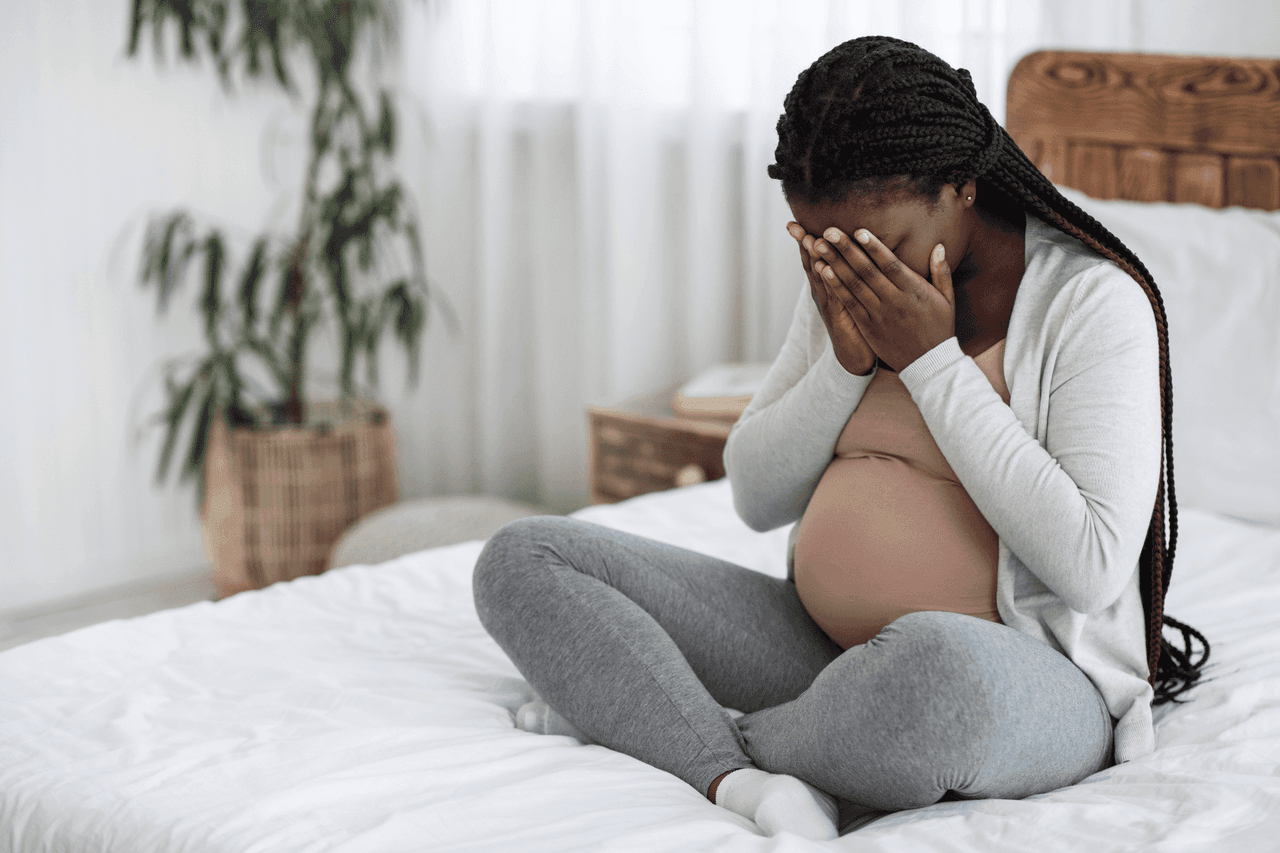
Depression during pregnancy, also called antenatal depression, can affect any mother, regardless of background or health history. It impacts mood, sleep, and daily behavior, and may involve serious emotional and physical symptoms. If you are feeling persistent sadness or low energy while pregnant, you are not alone.
Sun County Wellness offers therapy and support for women in Orange County facing mental health challenges during pregnancy. Our health care providers specialize in treating women during this sensitive time.
How Common Is Depression During Pregnancy?
Antenatal depression is more common than most expect. Studies from the Centers for Disease Control and Prevention (CDC) show that about 7–20% of pregnant women experience depression symptoms. Many also experience postpartum depression after delivery.
Although temporary postpartum blues affect up to 80% of new mothers, full postpartum depression is more serious and can require therapy, medication, or additional health care.
Why Does Depression During Pregnancy Often Get Overlooked?
Symptoms of depression during pregnancy may be confused with normal hormone shifts or pregnancy-related changes like fatigue, weight gain, or sleep problems. Some may feel pressure to maintain a positive outlook, leading to underreporting.
Additionally, screening for prenatal depression is not always standard practice. Lack of attention from a physician or nurse practitioner, along with stigma, may lead to missed diagnoses.
What Are the Risk Factors for Depression During Pregnancy?
Several risk factors may increase the likelihood of developing antenatal depression:
- Unintended pregnancy
- Intimate partner violence
- Low social support
- Past history of bipolar disorder or mood disorders
- Substance use like alcohol or other drugs
- Financial stress or relationship problems
- Hormone imbalances
- Medical conditions like insomnia or chronic disease
- Exposure to violence or trauma
A patient with one or more of these risk factors should receive early screening and support from a qualified health professional.
What Are the Symptoms of Depression During Pregnancy?
Common symptoms include:
- Ongoing fatigue
- Loss of pleasure in normal activities
- Changes in appetite or weight
- Irritability or hopelessness
- Thoughts of suicidal ideation
- Trouble concentrating
- Withdrawal from others
- Low energy
- Disturbed sleep
These symptoms often affect both the mother and fetus, increasing the risk of preterm birth, low birth weight, and challenges with breast milk production or bonding after birth.
Management and Treatment
How Do Providers Treat Prenatal Depression?
At Sun County Wellness, our approach to antenatal and postpartum depression includes:
- Cognitive behavioral therapy (CBT) and interpersonal therapy
- Medication such as selective serotonin reuptake inhibitors (SSRIs) including fluoxetine, paroxetine, and duloxetine when clinically safe
- Electroconvulsive therapy (ECT) for severe, treatment-resistant cases
- Exercise, proper nutrition, and a healthy diet to stabilize mood
- Referrals to specialists in obstetrics and mental health
Antidepressants can be effective during pregnancy, but their use requires close monitoring due to potential risks to the fetus and uterus. Our team follows data and guidelines from leading sources like the Mayo Clinic.

How Can I Manage Prenatal Depression?
Ways to manage symptoms include:
- Following a routine with regular sleep, eating, and exercise
- Reducing stress with relaxation techniques
- Seeking emotional support from a parent, partner, or counselor
- Avoiding alcohol, drugs, and harmful substances
- Staying in contact with your health care provider
- Using helplines like 988 during emotional emergencies
- Considering prenatal testing to address fears or concerns early
- Educating yourself with trustworthy information and resources
Prevention
How Can I Reduce My Risk of Prenatal Depression?
Preventive steps include:
- Building social support systems
- Maintaining consistent health care
- Managing existing mental health conditions with help from professionals
- Using reliable birth control to plan for pregnancies
- Addressing menstrual cycle concerns with your physician
- Avoiding intimate partner violence and unsafe environments
- Getting proper nutrition and prenatal medicine if needed
Early screening is key to identifying symptoms and addressing them before the postpartum period. Discuss any history of depression, anxiety, or panic with your provider early in the pregnancy journey.
What Is the Treatment for Depression?
Effective treatments include:
- Therapy with a licensed counselor
- Safe use of antidepressants, including SSRIs
- Group support for expectant and new mothers
- In some cases, electroconvulsive therapy
- Ongoing follow-up through your clinic or health care provider
I Have Antenatal Depression. Will I Get Postnatal Depression?
Experiencing antenatal depression increases the risk of postpartum depression, especially if left untreated. However, early intervention, screening, and continuous therapy reduce the chance of symptoms worsening after birth.
Our team at Sun County Wellness provides long-term care to reduce relapse and support mental health beyond delivery.
How Can I Help Myself?
You can support your mental wellness by:
- Speaking up and asking for help
- Avoiding isolation and maintaining attention to your mind and body
- Staying informed through trustworthy health resources
- Practicing self-care like exercise, hobbies, and rest
- Prioritizing sleep and healthy eating
Depression in pregnancy is treatable. The sooner you get help, the better the outcome for both you and your baby.
Contact Sun County Wellness
At Sun County Wellness, we help women in Orange County manage depression, anxiety, and co-occurring conditions through pregnancy and beyond. We offer individualized treatment, private therapy, and clinical support in a calm, caring environment.
If you or someone you love may be struggling with antenatal depression, contact us today to speak with a licensed health care provider.

Seeking Treatment? We Can Help
At Sun County Wellness, as an in-network provider we work with most insurance plans, such as:
If you or a loved one are struggling with mental health challenges or substance abuse, reach out to Sun County Wellness today. Our team of compassionate professionals is here to support your journey towards lasting well-being. Give us a call at 949-993-1149
Visit SAMHSA or contact us today for more inforamtion.