

Clinically Reviewed By Brittany Astrom - LMFT
Brittany has 15 years of experience in the Mental Health and Substance Abuse field. Brittany has been licensed for almost 8 years and has worked in various settings throughout her career, including inpatient psychiatric treatment, outpatient, residential treatment center, PHP and IOP settings.
Managing Detoxing Neurological Side Effects: What To Expect and How To Cope
Detoxing from substances can lead to significant neurological side effects, including detoxing neurological side effects that range from mood swings and cognitive issues to severe symptoms like seizures and tremors. Understanding these side effects is crucial for managing them effectively during your detox journey. In this article, we’ll cover common neurological symptoms during detox, how they impact your body, and practical strategies to cope.
Key Takeaways
- Neurological side effects during detox are common, stemming from changes in brain chemistry and can last for extended periods, necessitating patience and resilience.
- Anxiety, cognitive impairments, and sleep disturbances are prevalent symptoms during detox, requiring comprehensive support and potential medical intervention to manage effectively.
- Medication-assisted treatment and the presence of medical professionals are critical in managing withdrawal symptoms and ensuring patient safety throughout the detox process.
Understanding Neurological Side Effects During Detox

Starting the detox process often brings significant neurological side effects due to withdrawal symptoms. These side effects are primarily due to the changes in brain chemistry that occur when the body is no longer receiving the substances it has become dependent on. During opioid addiction, decreased dopamine production severely affects mood regulation, leading to mood swings and irritability.
In addition to mood disturbances, cognitive issues such as memory loss and difficulty concentrating can arise during the detoxification process. Protracted withdrawal syndrome is another challenge, where symptoms can last for months or even years, making the detox journey a long-term commitment.
Recognizing these changes prepares individuals for the journey ahead, emphasizing patience and resilience.
Common Neurological Symptoms of Detox
Experiencing a range of neurological symptoms is common during detox. These withdrawal symptoms can be both physical and psychiatric, affecting various aspects of your well-being. Anxiety, sleep disturbances, and cognitive impairments are some of the most frequently reported symptoms. For example, many people experience heightened sensitivity to sensory inputs and panic attacks during alcohol withdrawal and drug and alcohol detox.
Mood changes are another significant aspect of detox symptoms. Anxiety and depression often surface, creating emotional turbulence that can be hard to navigate. Early withdrawal phases are particularly challenging, with sleep disturbances and heightened tension being common. For those withdrawing from benzodiazepines, a ‘rebound’ effect can occur, where anxiety and insomnia re-emerge within days.
In severe cases, symptoms can escalate to psychotic reactions or seizures, underscoring the need for medical supervision. Difficulty concentrating and perceptual changes are also common, making everyday tasks seem daunting. Recognizing these symptoms aids in seeking appropriate support and interventions.
The Central Nervous System and Detox
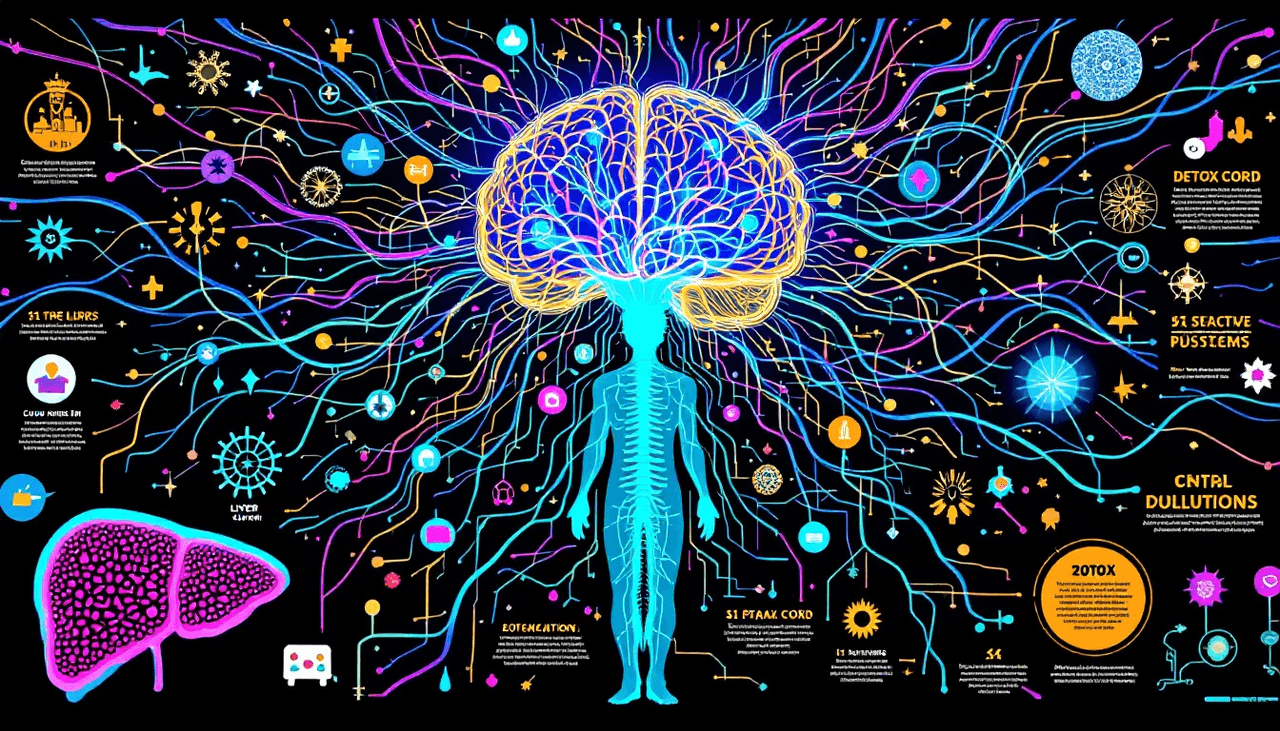
The central nervous system is pivotal during detox. Prolonged use of substances like benzodiazepines alters the functionality of GABA receptors, leading to heightened neuronal excitability upon withdrawal. This can result in various detox symptoms, including anxiety, confusion, and cognitive difficulties.
The impact on the central nervous system can be profound and long-lasting. Many individuals experience new symptoms during or after tapering off benzodiazepines, which differ from the original reasons for their prescription. Post-acute withdrawal syndrome can lead to prolonged cognitive impairment, affecting one’s ability to function in daily life. Factors such as dosage, duration of use, and individual physiology significantly influence the severity of these symptoms.
Managing these symptoms requires a gradual tapering method to minimize severe withdrawal symptoms. Sleep disturbances, including insomnia and vivid dreams, are common during withdrawal, often exacerbated by physical symptoms like muscle tension and nausea. Recognizing these dynamics helps individuals and their support systems better prepare for detox.
Managing Anxiety and Depression During Detox

Anxiety and depression are prevalent during the detox process, often stemming from the chemical imbalances in the brain caused by substance withdrawal. Emotional symptoms like depression and paranoia can further complicate the detoxification process. Managing these mental health issues is crucial for a successful detox journey.
Staying hydrated and getting adequate rest are fundamental for managing anxiety and depression. Additionally, having a strong support system can provide the necessary emotional and practical help during the toughest days of detox.
Medically supervised detox programs can ease withdrawal discomfort and reduce relapse likelihood. Prescription medications, such as antidepressants, can manage withdrawal symptoms and correct chemical imbalances in the brain.
Cognitive Impairments and Detox

Cognitive impairments frequently challenge individuals during detox. Benzodiazepine withdrawal, in particular, can lead to cognitive disturbances such as confusion and memory problems. Many individuals report experiencing persistent cognitive challenges, including impaired memory and reduced focus.
Mental fog is another frequently reported issue during detox, impacting clarity of thought and decision-making. Short-term memory loss and difficulty concentrating are also prevalent, making it hard to carry out daily tasks. These impairments often correlate with negative life consequences, highlighting the need for comprehensive support.
Insomnia and Sleep Disturbances
Insomnia and sleep disturbances are among the most common drug withdrawal symptoms experienced during detox. The sudden absence of substances can severely disrupt sleep patterns, leading to persistent insomnia. These sleep issues are often exacerbated by physical discomfort, such as muscle aches, nausea, and headaches.
Managing sleep disturbances requires addressing both the physical and psychological aspects of detox. Creating a calming bedtime routine, ensuring a comfortable sleep environment, and possibly using sleep aids under medical supervision can help mitigate these issues.
Recognizing the root causes of these disturbances leads to more effective coping strategies during detox.
Seizures and Tremors: Severe Neurological Symptoms
Severe neurological symptoms like seizures and tremors can occur during detox, especially with benzodiazepine withdrawal. These symptoms are life-threatening and require immediate medical attention. The risk of seizures is particularly high in individuals with a history of seizures or those using high doses of benzodiazepines.
Gradual tapering under medical guidance helps minimize severe withdrawal symptoms. Medical supervision during detox is crucial to prevent potentially fatal complications such as seizures and suicidal behavior.
Tremors, excessive sweating, and muscle pain are other physical symptoms that may occur as the central nervous system readjusts after being suppressed by benzodiazepines.
Medication Assisted Treatment for Neurological Symptoms
Medication-assisted treatment (MAT) is crucial for managing neurological symptoms during detox. Anticonvulsants like carbamazepine and pregabalin can help alleviate withdrawal symptoms during benzodiazepine detox. Antidepressants may also be prescribed to correct chemical imbalances in the brain that arise during detox.
Flumazenil, a medication that facilitates rapid withdrawal from benzodiazepines, can be used, but it comes with a risk of seizures. To mitigate this risk, long-acting benzodiazepines are often employed in MAT. Overall, medication-assisted treatment helps manage neurological symptoms effectively, ensuring a safer detox process.
The Role of Medical Professionals in Detox
Medical professionals are indispensable during detox. Their expertise is crucial in preventing and managing potentially harmful side effects. Surrounding patients with trained and licensed professionals ensures that mental side effects are effectively managed during detox.
Monitoring withdrawal symptoms is vital since medical detox can be life-threatening if mismanaged. Healthcare providers offer mental health support and monitor vital signs to ensure patient safety. By creating a safe and supportive environment, medical professionals facilitate a smoother and more effective detox process.
Supporting Mental Health During Detox

Mental health support during detox is paramount due to the high incidence of co-occurring disorders. Close to 9% of American adults are affected by co-occurring mental health disorder and substance use disorders, underscoring the need for comprehensive mental health services administration support during detox. A supportive network for emotional and practical help can encourage individuals to enter treatment post-detox.
Compassionate engagement during detox helps transition patients towards substance abuse treatment and recovery. Psychological dependence and co-occurring mental conditions significantly impact the chances of successful substance abstinence, making mental health support critical. Psychological treatments alongside gradual dose reduction have been found to be more effective than tapering alone.
A supportive therapeutic alliance predicts better treatment outcomes for substance abuse users. Detoxification provides a critical opportunity to address both the psychological and social issues of patients.
Long-Term Recovery and Neurological Health
Maintaining neurological health and reducing relapse risk are crucial for long-term recovery from detox. Protracted withdrawal from benzodiazepines can lead to lingering cognitive deficits that affect daily functioning. Cognitive and memory difficulties can persist for months or years.
Research highlights the need for effective treatment strategies to manage the lasting effects of benzodiazepine use. Long-term recovery plans are crucial in maintaining neurological health and ensuring a successful recovery journey. Incorporating proper nutrition, regular exercise, and ongoing mental health support can significantly enhance the recovery process.
Summary
Navigating the neurological side effects of detox is a challenging journey, but understanding the process and having the right support can make it manageable. From common symptoms like anxiety and sleep disturbances to severe complications such as seizures, being informed is the first step towards a successful detox and long-term recovery.
In conclusion, the road to recovery is paved with challenges, but with medical supervision, medication-assisted treatment, and strong mental health support, it is possible to overcome these obstacles. Remember, patience and resilience are your allies in this journey towards a healthier, substance-free life.

Seeking Treatment? We Can Help
At Sun County Wellness, as an in-network provider we work with most insurance plans, such as:
If you or a loved one are struggling with mental health challenges or substance abuse, reach out to Sun County Wellness today. Our team of compassionate professionals is here to support your journey towards lasting well-being. Give us a call at 949-993-1149