
Clinically Reviewed By Brittany Astrom - LMFT
Brittany has 15 years of experience in the Mental Health and Substance Abuse field. Brittany has been licensed for almost 8 years and has worked in various settings throughout her career, including inpatient psychiatric treatment, outpatient, residential treatment center, PHP and IOP settings.
Discover the Most Common Street Names for Cocaine
Knowing the street names for cocaine is crucial for identifying cocaine use. This article will cover common slang terms used to refer to cocaine, helping you recognize potential drug use in your surroundings.
Key Takeaways
- Common street names for cocaine include blow, coke, snow, and flake, which can help identify potential cocaine use.
- Cocaine slang varies by region and can reflect local culture, highlighting the importance of staying updated on terms and their meanings.
- Recognizing cocaine paraphernalia and behavioral signs of abuse, alongside familiar slang, is crucial for timely intervention and support.
Common Street Names for Cocaine

Before:
Cocaine goes by many names, each as elusive as the drug itself. Recognizing these names can be your first step in identifying potential cocaine use around you. The most common street names for cocaine include blow, coke, snow, and flake. These terms are often thrown around in casual conversation among users and dealers, creating a veil of normalcy around a dangerous substance.
After:
The most common street names for cocaine include:
- blow
- coke
- snow
- flake
- street name
Recognizing these names can be your first step in identifying potential cocaine use around you. These terms are often thrown around in casual conversation among users and dealers, creating a veil of normalcy around a dangerous substance.
Before:
But the slang doesn’t stop there. Other nicknames for cocaine such as ‘bump,’ ‘line,’ and ‘nose candy’ are frequently used. These terms often describe the method of use—‘line’ for a line of the drug ready to be snorted, and ‘bump’ for a small amount ingested. Recognizing these slang names for cocaine is especially important for parents and educators who might overhear these terms in youth conversations, providing an early warning sign of potential drug use.
After:
But the slang doesn’t stop there. Other nicknames for cocaine include:
- ‘bump,’ which refers to a small amount ingested
- ‘line,’ which describes a line of the drug ready to be snorted
- ‘nose candy,’ a colloquial term for cocaine
Recognizing these slang names for cocaine is especially important for parents and educators who might overhear these terms in youth conversations, providing an early warning sign of potential drug use.
Understanding these common street names for cocaine can make a significant difference in identifying and addressing cocaine abuse early. It’s not just about knowing the terms but also about understanding the context in which they are used. This knowledge empowers you to act if you suspect someone close to you is involved with cocaine.
Crack Cocaine Nicknames
When it comes to crack cocaine, the slang takes on a different flavor. Crack cocaine is a form of cocaine hydrochloride that has been processed to create a rock crystal, which is then heated and smoked. This process involves mixing powder cocaine with water and ammonia, and cooking it with baking soda. The result is a cheaper, more potent form of cocaine that is often found in lower-income areas.
Common nicknames for crack cocaine include rock, gravel, and hail. The term ‘crack’ itself is derived from the crackling sound the rocks make when they are heated and smoked. These street names not only describe the physical appearance of the drug but also its method of use. The term ‘crystals’ is also used to refer to the rock form of crack cocaine.
Recognizing these nicknames is key to identifying crack cocaine use in your environment. Awareness of terms like rock and gravel allows for better identification of conversations or activities that might indicate crack cocaine abuse. This awareness can be the first step in addressing and preventing further drug abuse.
Regional Variations in Cocaine Slang

Cocaine slang isn’t just uniform across the board; it varies greatly depending on the region. Local culture and socio-economic conditions play a significant role in shaping the slang terms used for cocaine. For instance, the terms used in urban settings can differ vastly from those in rural areas, even within the same country.
Internationally, cocaine slang is deeply embedded in local languages and dialects, reflecting cultural nuances. In South America, where the coca plant is native, slang terms differ from those used in North America or Europe. The constant evolution of these terms is also driven by the need for drug dealers to stay ahead of law enforcement.
New slang terms frequently emerge, making it a challenge to stay updated. Understanding these regional variations offers valuable insights into local drug culture and aids in identifying cocaine use. Staying informed about these nuances helps you navigate and understand the covert world of cocaine slang more effectively.
Slang Terms for Cocaine Mixed with Other Drugs
The world of cocaine slang gets even more complex when it comes to mixtures with other drugs. These terms offer insight into more complex substance abuse patterns. For instance, cocaine mixed with heroin is commonly referred to as Belushi, Bombita, or Speedball. These combinations are particularly dangerous, often leading to severe health complications or overdose.
Cocaine mixed with PCP is known by names like Space and Whack. These mixtures can lead to unpredictable and violent behavior due to the hallucinogenic properties of PCP. On the other hand, when cocaine is mixed with marijuana, it is often called Bazooka. Each of these terms reflects a different level of risk and abuse, highlighting the importance of recognizing them.
Recognizing these slang terms helps identify more severe substance abuse issues. It underscores how combining other substances amplifies the risks and consequences of drug abuse. Awareness of these terms aids in understanding and addressing the complexities of substance abuse.
Identifying Cocaine Use Through Slang
Recognizing slang associated with cocaine is a powerful tool in identifying potential drug use. For parents, teachers, and friends, understanding these terms is crucial for detecting if someone, especially youth, is using drugs. The language of drug use is constantly evolving, with new slang terms emerging regularly. Staying informed and vigilant is essential.
Parents, in particular, should make an effort to learn and understand the slang terms related to cocaine. This knowledge helps them monitor their children’s conversations and activities, allowing for early intervention if necessary. Understanding these slang terms can help in recognizing the signs of cocaine use, leading to timely and effective action.
In the battle against cocaine addiction, knowledge is a powerful weapon. Staying updated on the latest slang terms enables you to play a crucial role in preventing and addressing cocaine abuse in your community. This proactive approach can make a significant difference in the lives of those affected by drug use.
Cocaine Paraphernalia
Identifying cocaine use isn’t just about recognizing slang terms; it’s also about being aware of the paraphernalia associated with the drug. Common cocaine paraphernalia includes paper tubes, small glass pipes, and syringes. These items are often used to snort or inject cocaine, making them key indicators of drug use.
Straws or rolled-up dollar bills are commonly utilized for snorting cocaine. Users often place cocaine on small mirrors for easier snorting due to their smooth surface. Razor blades or credit cards are frequently used to chop and prepare cocaine for snorting. Small plastic bags used to transport cocaine are often found among users.
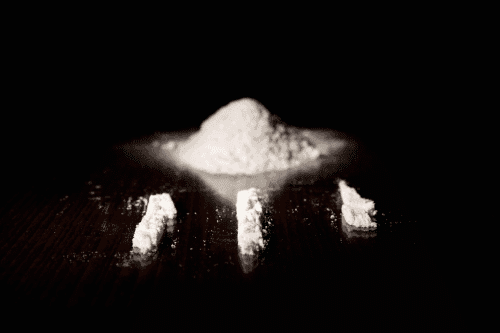
Recognizing these items can be crucial for identifying cocaine use in your environment. Awareness of drug paraphernalia aids in detecting and addressing potential drug abuse, including the drug’s appearance. This knowledge can help you take the necessary steps to prevent further harm and seek help for those affected.
Behavioral Signs of Cocaine Abuse

Cocaine abuse often manifests in noticeable behavioral changes. These changes can be dramatic and alarming, serving as key indicators of cocaine use. Cocaine abuse may lead to observable changes in personality and unexpected behaviors. Dramatic mood swings and sudden aggressiveness are common signs.
Prolonged cocaine use can cause severe anxiety and sudden changes in emotional state. Hyperactivity and rapid speech are also common behavioral changes associated with cocaine abuse. Individuals abusing cocaine may engage in high-risk behaviors and exhibit deceitful actions. They often experience decreased pleasure in activities that were once enjoyable.
Recognizing these signs is crucial for identifying and addressing cocaine abuse. Awareness of these behavioral changes allows for timely action to seek help and support for those affected. This proactive approach can make a significant difference in the lives of those struggling with cocaine addiction.
Treatment Options for Cocaine Addiction
Overcoming cocaine addiction is a challenging journey, but there are effective treatment options available. Treatment typically starts with detoxification followed by therapy in an inpatient rehabilitation program, which usually lasts between 30 to 90 days depending on individual recovery needs. These programs are tailored to the individual’s needs, providing a comprehensive approach to recovery.
Cognitive Behavioral Therapy (CBT) is frequently used to help patients identify and combat harmful thought patterns related to cocaine use. This therapy is a crucial component of the recovery process, helping individuals develop healthier coping mechanisms for their mental and behavioral health. A comprehensive substance abuse evaluation is also essential to tailor the treatment plan based on addiction severity and personal circumstances.
Ongoing support is crucial for long-term sobriety. This includes follow-up care, support groups, and counseling to help individuals maintain their recovery. Understanding and utilizing these treatment options enables individuals struggling with cocaine addiction to take the first steps towards a healthier, drug-free life.
Summary
Understanding the slang terms and paraphernalia associated with cocaine is crucial in identifying and combating cocaine abuse. From common street names to regional variations and nicknames for cocaine mixed with other drugs, being informed can make a significant difference. Recognizing the behavioral signs of cocaine abuse and knowing the available treatment options are essential steps in addressing this issue.
Cocaine addiction is a serious and complex problem, but recovery is possible with the right support and treatment. By staying informed and vigilant, you can help those affected by cocaine abuse take the first steps towards recovery and a healthier future.

Seeking Treatment? We Can Help
At Sun County Wellness, as an in-network provider we work with most insurance plans, such as:
If you or a loved one are struggling with mental health challenges or substance abuse, reach out to Sun County Wellness today. Our team of compassionate professionals is here to support your journey towards lasting well-being. Give us a call at 949-993-1149