

Clinically Reviewed By Brittany Astrom - LMFT
Brittany has 15 years of experience in the Mental Health and Substance Abuse field. Brittany has been licensed for almost 8 years and has worked in various settings throughout her career, including inpatient psychiatric treatment, outpatient, residential treatment center, PHP and IOP settings.
Seasonal Affective Disorder and Winter Blues: Evidence‑Based Treatments That Help Women
Seasonal Affective Disorder (SAD) and the more common winter blues are mood changes tied to shorter days and colder months — and women tend to be affected more often. This article clarifies how clinical SAD differs from non‑clinical winter blues, reviews the most effective, research‑backed treatments — light therapy, cognitive behavioral therapy (CBT), and medication — and covers supportive lifestyle and holistic options like Vitamin D, exercise, and mindfulness. You’ll find clear, practical advice on selecting and using light boxes, how CBT targets seasonal thinking and behavior, when medication may be appropriate for prevention or acute care, and which natural strategies have evidence behind them. We also describe gender‑specific factors (hormonal influences, reproductive stages) and how co‑occurring substance use alters treatment planning for women. Finally, there are concrete steps to find personalized, women‑focused programs and verify insurance in Orange County. Throughout, recommendations are grounded in current research and clinical reasoning to help women get effective seasonal depression care.
What Is Seasonal Affective Disorder and How Does It Differ from Winter Blues?
Seasonal Affective Disorder is a pattern of major depressive episodes that reliably appear with the seasons — most commonly in fall or winter. The winter blues are milder, non‑clinical dips in mood that don’t cause major disruption. SAD includes core features of major depression (low mood, loss of interest, changes in sleep and appetite) but follows a predictable seasonal timing, pointing to circadian and neurochemical drivers. Making this distinction matters because treatment intensity differs: SAD often responds to daily light therapy, structured psychotherapy, and sometimes antidepressants, while the winter blues frequently improve with lifestyle changes and brief supports. Research shows women are diagnosed with SAD more often, likely due to interactions between sex hormones, life stressors, and heightened circadian sensitivity. Knowing the difference helps you decide when to seek a clinical evaluation and whether preventive measures — like morning light or seasonal medication — are worth considering.
What Are the Common Symptoms of SAD and Winter Blues in Women?
SAD usually presents as persistent low mood plus seasonal changes in sleep, appetite, energy, and social engagement that impair daily function. Women with SAD commonly report sleeping more (hypersomnia), craving carbohydrates and gaining weight, marked fatigue, difficulty concentrating, and pulling back from family or work duties. The winter blues are similar but milder: transient low mood, lower motivation, and brief social withdrawal without major functional decline or suicidal thoughts. Urgent clinical attention is needed if there are thoughts of self‑harm, severe sleep disturbance, extreme slowing or agitation, or a sudden, sharp worsening of mood. Early recognition of these patterns allows timely interventions that reduce the chance of repeated seasonal episodes.
- Common symptoms in SAD and winter blues:
Persistent low mood or sadness that intensifies in fall and winter.Longer sleep and daytime fatigue.Appetite shifts, stronger carbohydrate cravings, and possible weight gain.Withdrawal from social or work activities and trouble concentrating.
These symptom patterns help clinicians decide whether self‑care, light therapy and CBT, or more intensive psychiatric treatment is the right path for women experiencing seasonal mood changes.
How Do Hormonal and Biological Factors Affect SAD in Women?
Hormonal cycles and life stages can change vulnerability to SAD by modulating serotonin, melatonin, and circadian rhythms. Fluctuations in estrogen and progesterone affect neurotransmitter sensitivity and sleep architecture; pregnancy, the postpartum period, and perimenopause introduce hormonal shifts that may intensify seasonal mood changes and alter treatment tolerability. Biologically, shorter winter mornings delay circadian timing, boosting melatonin at the wrong times and reducing daytime serotonin activity — a pattern that maps onto low energy and carbohydrate cravings often reported by women. Clinically, these mechanisms point to tailored strategies: morning light to realign circadian timing, CBT to rebuild activity and routines, and careful medication choices when pregnancy or breastfeeding are considerations. Recognizing hormonal and biological contributors improves personalized treatment planning and helps choose the right timing and combination of interventions.
How Does Light Therapy Work to Treat Seasonal Affective Disorder?
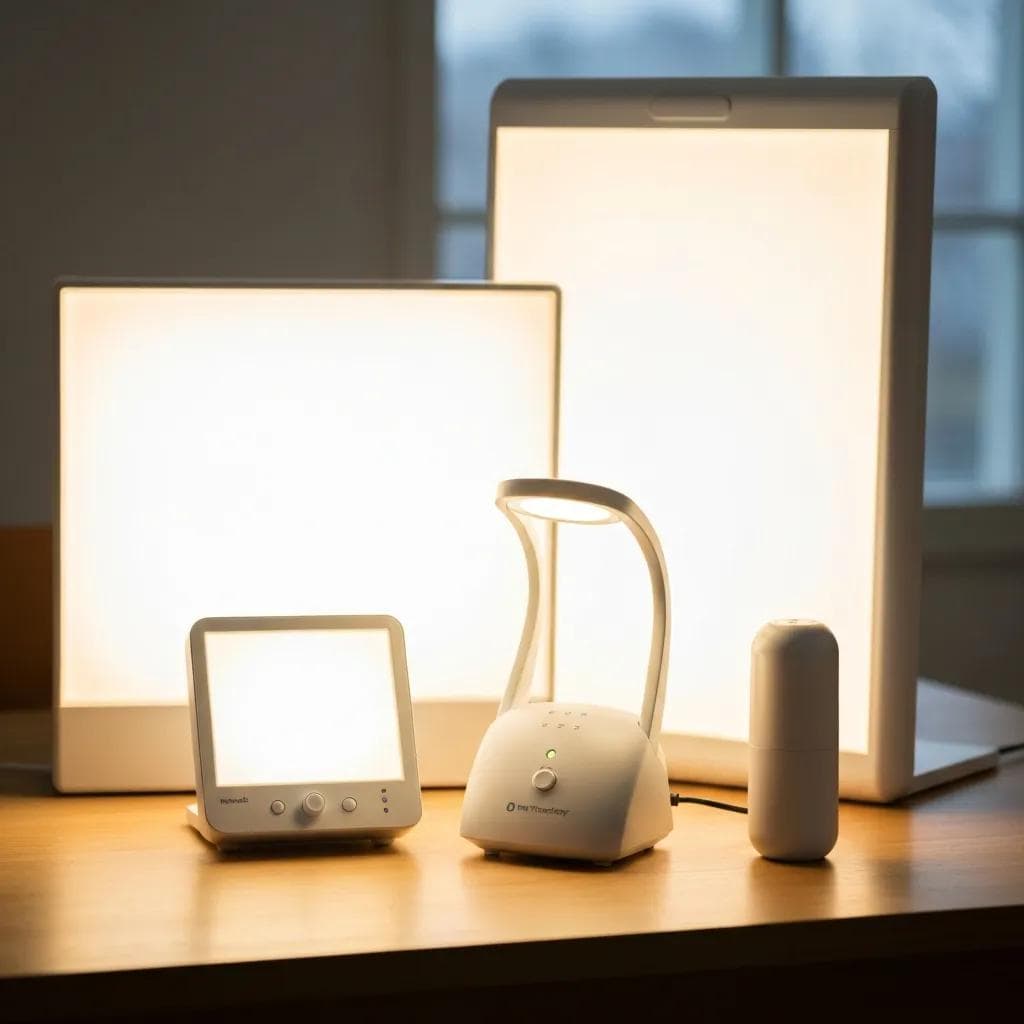
Light therapy eases SAD by delivering bright, broad‑spectrum light that helps reset the circadian clock and influence neurotransmitter activity, which often leads to better mood and more daytime energy. Morning bright light suppresses overnight melatonin and advances circadian phase, restoring a healthier sleep‑wake rhythm and improving alertness; retinal stimulation also appears to boost serotonin pathways. Controlled trials find that daily morning sessions with a 10,000‑lux, UV‑filtered light box for 20–30 minutes can reduce symptoms within one to two weeks for many people. Safety notes: eye sensitivity, photosensitizing medications, and migraine history can affect tolerance; anyone with retinal disease should consult an eye specialist. Below are practical usage tips and device features to help women choose an appropriate light therapy routine.
- Recommended light therapy usage guidelines:
Use a 10,000‑lux, UV‑filtered device in the morning for 20–30 minutes each day.Place the device so light reaches your eyes indirectly while you go about morning activities.Start with shorter sessions if you get headaches or eye strain, and check with your clinician for adjustments.
Following these simple principles maximizes benefit while reducing side effects and helps you select the right light box for daily life.
How Does Light Therapy Regulate Circadian Rhythm and Mood?
Light therapy acts on retinal photoreceptors that signal the brain’s suprachiasmatic nucleus, the master clock that times melatonin release and the sleep‑wake cycle. Morning light suppresses melatonin at the right time and advances circadian phase, which improves sleep quality, reduces midday fog, and sharpens concentration — effects tied to improved serotonin function and mood. Timing matters: morning exposure advances the clock, while evening light can delay it and worsen sleep complaints. For women whose hormonal cycles influence sleep, a consistent morning routine using light therapy helps stabilize circadian timing and complements other treatments like CBT and medication. This neurobiology is why light therapy is a frontline, noninvasive option for seasonal depression.
What Are the Best SAD Light Boxes and Usage Guidelines for Women?
When choosing a light box, prioritize lux output, UV filtration, and a size that fits your routine. A 10,000‑lux, UV‑filtered device is the clinical standard: it’s effective for circadian entrainment while minimizing skin or eye risk. Devices should be large enough to let you carry out morning tasks during a 20–30 minute session; dawn simulators gently wake you over 30–60 minutes if abrupt light is uncomfortable. Pregnant people, those on photosensitizing medications, or migraine sufferers may prefer shorter starts and clinical guidance. The table below lays out common device types and practical tradeoffs.
Device Type
Typical Lux Rating
Recommended Daily Duration
Typical Benefits / Common Risks
Standard light box
10,000 lux
20–30 minutes in the morning
Fast circadian entrainment; possible eye strain or headache
Dawn simulator
100–300 lux at night
Gradual wake-up over 30–60 minutes
Gentle phase advance; may be too mild for severe SAD
Portable LED lamp
2,500–5,000 lux (close distance)
30–60 minutes (when held or placed close)
Convenient for travel; requires longer daily use
Desk panel (large)
5,000–10,000 lux
20–30 minutes
Flexible placement; effect varies with angle and distance
Higher lux shortens required session time but can increase transient side effects; lower‑lux options are gentler yet need longer exposure. Aim for a UV‑filtered 10,000‑lux device if possible, use it every morning, and adjust if side effects appear. Keep your clinician informed to ensure safety and best results.
What Role Does Cognitive Behavioral Therapy Play in Managing Seasonal Depression?
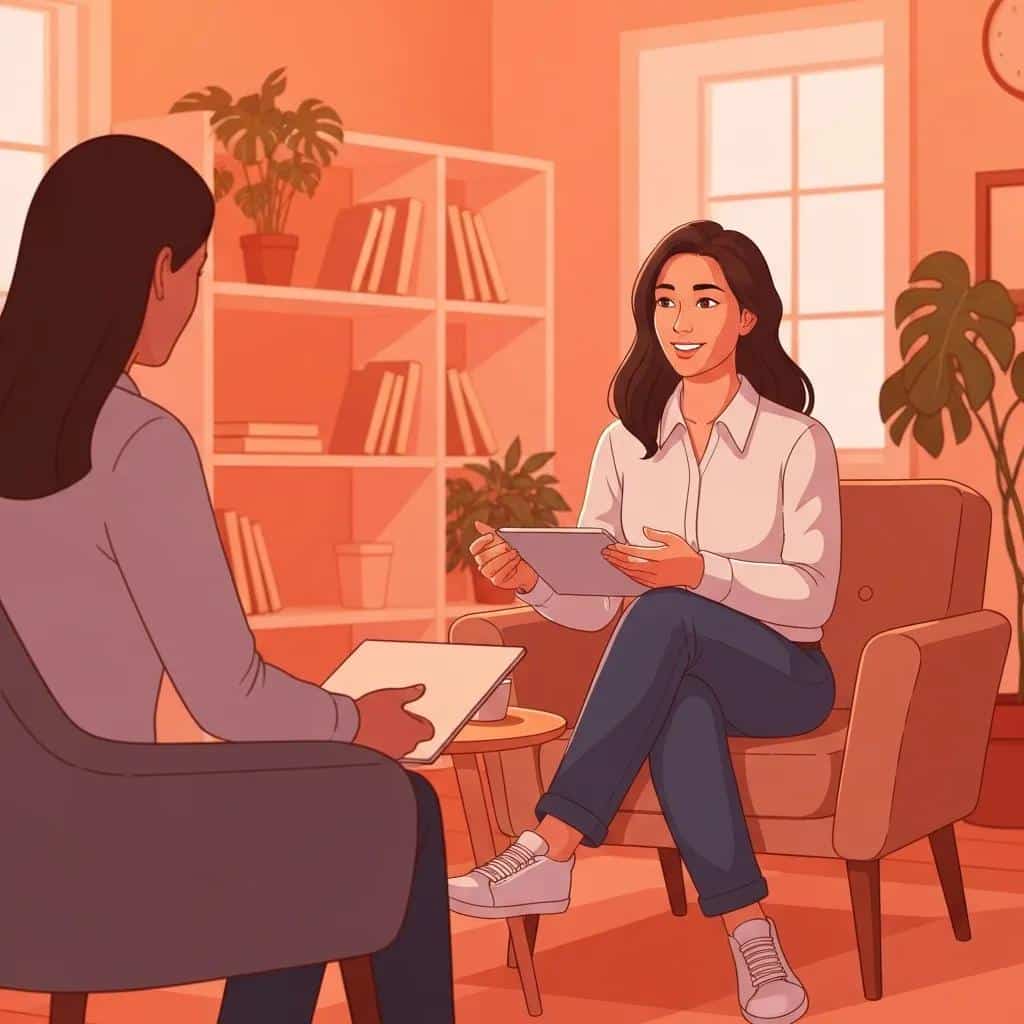
Cognitive Behavioral Therapy (CBT) is a proven psychotherapy that treats SAD by changing the thoughts and behaviors that keep seasonal low mood in place, and by teaching structured skills to increase activity and stabilize routines. CBT for SAD blends cognitive restructuring — challenging negative winter‑focused beliefs — with behavioral activation that schedules mood‑boosting activities during low‑energy months. Trials show CBT delivers lasting benefit and can lower recurrence when taught as a preventive skills package before symptoms begin. CBT pairs well with light therapy or medication: biological treatments correct circadian or chemical imbalance, while CBT addresses the psychosocial triggers that maintain low mood. The next section describes practical CBT techniques women can use between sessions to reduce withdrawal and negative thinking.
- CBT provides three primary benefits in SAD treatment:
Cognitive Restructuring: shifts unhelpful expectations about winter and functioning. Behavioral Activation: schedules rewarding activities to counter withdrawal. Relapse Prevention: builds a seasonal plan to lower recurrence risk.
These elements make CBT a core non‑pharmacologic tool for women coping with seasonal depression.
How Does CBT Help Change Negative Thought Patterns in SAD?
CBT helps by teaching structured exercises that catch automatic negative thoughts and replace them with balanced alternatives, while reducing avoidance behaviors that keep mood low. Practical tools include activity scheduling to reintroduce social and physical engagement, thought records to test catastrophic winter predictions, and graded exposure to counter withdrawal and rumination. For women balancing caregiving or work, behavioral activation focuses on small, achievable steps — short midday walks outdoors, brief social check‑ins, and consistent sleep routines — to rebuild energy. For example, a woman who committed to three short outdoor activities weekly reported better energy and fewer automatic negative thoughts within four weeks, showing how CBT skills translate into measurable change. These strategies also support consistent morning routines alongside light therapy.
Why Is Gender-Specific CBT Important for Women with Seasonal Depression?
Gender‑specific CBT tailors content and group dynamics to the challenges women often face — caregiving load, hormonal mood shifts, and higher rates of trauma — improving relevance and engagement. Women‑centered groups let facilitators adapt behavioral activation to realistic daily schedules, address role strain that fuels seasonal withdrawal, and create peer support around reproductive‑life transitions that affect mood. Programs that blend trauma‑informed care and dual‑diagnosis awareness ensure co‑occurring substance use or trauma effects are treated within the CBT framework. Designing therapy with women’s social and biological contexts in mind boosts retention and makes skill practice more applicable to everyday life, supporting longer‑term recovery and relapse prevention.
What Medication Options Are Effective for Seasonal Affective Disorder in Women?
Medications commonly used for SAD include selective serotonin reuptake inhibitors (SSRIs) and bupropion, which target neurotransmitter systems linked to seasonal mood changes. SSRIs raise serotonin levels and are often first‑line for moderate to severe SAD; bupropion (a norepinephrine–dopamine agent) has evidence for lowering winter recurrence when started preventively before symptoms begin. Choosing medication depends on symptom severity, past treatment response, reproductive plans, and side‑effect profiles. It’s essential to screen for bipolar disorder before starting antidepressants to avoid triggering mania. Close coordination between psychiatry and primary care supports safe prescribing, monitoring, and appropriate tapering.
How Do Antidepressants Like SSRIs and Bupropion Treat SAD?
SSRIs work by increasing synaptic serotonin, which over several weeks can improve mood, sleep regulation, and appetite control; many people notice changes by 2–4 weeks with fuller effects by 6–8 weeks. Bupropion increases norepinephrine and dopamine and may boost energy earlier; when started in the fall it has shown efficacy in preventing winter recurrences. In clinical practice, choice between SSRIs, bupropion, or alternatives hinges on prior response, side‑effect concerns, and individual factors such as pregnancy plans or medical comorbidity. The table below compares typical medication features to help women and clinicians weigh options.
Medication Class / Drug
Mechanism
Typical Onset
Common Side Effects / Considerations
SSRI (e.g., fluoxetine)
Increases serotonin
2–4 weeks for noticeable effect
Possible sexual side effects, GI upset; pregnancy counseling recommended
Bupropion
Norepinephrine/dopamine reuptake inhibition
1–3 weeks may see energy improvement
Stimulant‑like effects; small seizure risk at high doses; can help fatigue
SNRI (as alternative)
Raises serotonin & norepinephrine
2–4 weeks
May affect blood pressure; sexual side effects possible
What Are the Considerations and Side Effects of SAD Medications for Women?
When prescribing antidepressants for women, clinicians weigh reproductive status, interactions with hormonal contraception or fertility treatments, breastfeeding safety, and each drug’s risk–benefit profile. Common SSRI side effects include sexual dysfunction, weight change, and sleep disruption; bupropion may boost motivation and energy but can produce stimulant effects and carries a small seizure risk at high doses. Screening for bipolar disorder is critical because antidepressants alone can trigger mania in susceptible individuals; collaborative care with psychiatric specialists helps manage complex cases. Regular monitoring, shared decision‑making about reproductive goals, and combining medication with CBT or light therapy generally gives the best outcomes for women with SAD.
- Medication considerations checklist:
Discuss reproductive plans and pregnancy/lactation safety before starting medication.Screen for bipolar disorder and substance use prior to antidepressant initiation.Monitor side effects closely and adjust treatment with your prescriber as needed.
Following these steps helps ensure medication is used safely and effectively within each woman’s broader health context.
What Natural and Holistic Remedies Help Alleviate Winter Blues?
Lifestyle changes and complementary therapies can meaningfully reduce milder winter blues and support formal SAD treatments by improving circadian habits, nutrition, and physical activity. Vitamin D supplementation — when a deficiency is identified — may support mood through immune and neural pathways. Regular aerobic exercise, especially outdoors, boosts serotonin and endorphins and improves sleep. Diets emphasizing whole foods, omega‑3s, and steady meal timing reduce energy swings and carbohydrate cravings. Adjunctive therapies such as acupuncture, mindfulness practice, equine‑assisted activities, and structured fitness programs offer stress relief, grounding, and social connection that complement CBT and medication. The table below summarizes common lifestyle and holistic options, recommended frequency, and the evidence behind them.
Introductory list: evidence‑based lifestyle interventions
- Key lifestyle and supplement approaches:
Test Vitamin D and supplement under medical supervision if levels are low.Do regular aerobic exercise (roughly 30 minutes, 3–5 times per week), preferably with outdoor time.Use mindfulness and consistent sleep hygiene to support circadian stability.
Intervention
Typical Dose/Frequency
Evidence Summary
Vitamin D (supplement)
Dose individualized after testing; common ranges 800–2,000 IU/day
Mixed results overall, but benefit likely when deficiency exists
Exercise (aerobic)
30 minutes, 3–5× weekly
Strong evidence for mood improvement and better sleep
Mindfulness / Meditation
Daily 10–20 minutes
Moderate evidence for reducing symptoms and managing stress
Acupuncture / Equine Therapy
Weekly sessions common
Emerging supportive evidence as adjunctive options
How Can Vitamin D, Exercise, and Diet Improve Seasonal Mood Changes?
Vitamin D supports brain and immune function and may help mood when levels are low, but supplementation should follow testing and medical guidance to tailor dosing and avoid excess. Regular aerobic exercise raises serotonin and endorphins, improves sleep, and reduces fatigue; exercising outdoors adds daylight exposure that complements light therapy. Diets rich in omega‑3s, whole grains, and lean protein, with consistent meal timing, help stabilize energy and curb carbohydrate cravings tied to seasonal low energy. Practical tips: check Vitamin D if you have risk factors or symptoms, plan short midday outdoor walks to pair activity with light exposure, and keep regular sleep and meal schedules to support circadian and metabolic cues that influence mood.
What Holistic Therapies Does Sun County Wellness Offer for SAD in Women?
Sun County Wellness offers holistic therapies that work alongside evidence‑based SAD treatments, blending nutrition, body‑based care, and mindfulness into gender‑focused plans. Our services include personalized nutrition support to stabilize energy, acupuncture to reduce stress and improve sleep, equine‑assisted sessions for grounding and social connection, structured mindfulness and fitness programming to reinforce behavioral activation, and trauma‑informed modalities that complement DBT and psychotherapy. These supports are intended to augment CBT, light therapy, and medication in a coordinated treatment plan for women. To learn whether these options fit your needs or to confirm coverage, contact admissions to request benefits verification and discuss individualized programming.
Sun County Wellness’s holistic supports are designed to supplement clinical care by addressing nutrition, movement, and trauma‑informed coping — strengthening the overall recovery path for women with seasonal mood concerns.
“Home Wearable Light Therapy for Postpartum Depression: A Feasibility Study”
>
“This open‑label feasibility study evaluated home wearable light therapy in eight women within six months postpartum. Participants used 60 minutes of morning light daily for five weeks. The device was generally well tolerated and participants showed significant improvements on self‑report and clinician‑rated depression measures, while objective circadian markers changed little. The study suggests home‑wearable light devices are feasible for postpartum women and may hold promise as a treatment option. ClinicalTrials.gov Identifier: NCT02769858 — LM Swanson, 2018.”
How Can Women Access Personalized and Dual Diagnosis Treatment for Seasonal Affective Disorder?
Getting gender‑specific, personalized, or dual diagnosis care for SAD follows a straightforward sequence: notice seasonal symptoms, get screened and assessed, determine the right level of care, and begin a coordinated plan that may combine light therapy, CBT, medication, and holistic supports. Integrated dual diagnosis programs treat substance use and mood disorders together, which reduces relapse risk and improves outcomes. Common levels of care include Partial Hospitalization Program (PHP) for intensive daytime treatment, Intensive Outpatient Program (IOP) for structured multi‑week therapy while living at home, and Outpatient Program (OP) for weekly therapy and medication management — letting care match symptom severity and life responsibilities. Below are practical steps to start the admissions and benefits verification process so women can move from recognition to treatment efficiently.
- Steps to access personalized and dual diagnosis treatment:
Notice seasonal patterns and request a screening from a qualified mental health professional. Complete a thorough clinical assessment that screens for mood disorder severity, bipolar spectrum features, and substance use. Determine the appropriate level of care (PHP, IOP, or OP) based on assessment findings. Verify insurance benefits and schedule an intake to create a tailored treatment plan.
Why Is Gender-Specific and Dual Diagnosis Care Crucial for Effective SAD Treatment?
Gender‑specific care recognizes how social roles, hormonal shifts, and higher trauma prevalence among women shape symptoms and treatment engagement, enabling clinicians to adapt schedules, group content, and therapeutic focus. Dual diagnosis care is vital because untreated substance use worsens sleep, mood, and medication response; integrated programs reduce fragmented care and offer coordinated relapse prevention strategies. For women, combining gender‑responsive psychotherapy with medical management, holistic supports, and addiction treatment elements promotes functional recovery across work, family, and health domains. This integrated model improves retention, enhances symptom reduction, and addresses the interconnected drivers of seasonal mood disorders.
“Long-Term and Preventative Treatments for Seasonal Affective Disorder (SAD)”
>
“Evidence supports bright light therapy and antidepressants for short‑term SAD treatment, but because SAD often recurs, long‑term and maintenance strategies deserve attention. Few studies extend beyond eight weeks, yet the evidence suggests light therapy may need to continue daily through the winter because stopping too early can lead to rapid relapse. Some research supports using antidepressants to maintain gains after a short course of light therapy early in an episode. Preventative studies with light therapy are limited; the strongest preventative evidence currently favors antidepressants. Notably, three large randomized, placebo‑controlled trials showed that bupropion XL started before the season reduced recurrence of depressive episodes in patients with SAD. — RW Lam, 2007.”
How to Verify Insurance and Begin Treatment at Sun County Wellness in Orange County?
To start care at Sun County Wellness, follow a simple benefits and admissions pathway that protects confidentiality and provides support through intake and placement. First, submit a brief inquiry or call to request benefits verification so our admissions team can confirm coverage details with insurers such as Aetna, Anthem, Blue Cross Blue Shield, Cigna, GEHA, Humana, Magellan, and UMR. Next, schedule an intake assessment that screens for mood disorder severity, bipolar features, and any substance use to determine whether PHP, IOP, or OP is most appropriate. Finally, work with admissions to build a personalized care plan that may include CBT, light therapy, medication management, and holistic options like nutrition, acupuncture, equine therapy, and mindfulness.
- 1Request insurance verification to confirm benefits and copay details.
- 2Schedule a clinical intake and assessment.
- 3Review the recommended level of care (PHP / IOP / OP) and begin the treatment plan.
This process provides practical support for women seeking gender‑specific and dual diagnosis treatment in Orange County while maintaining privacy and clinical alignment with individual needs.
Frequently Asked Questions
What lifestyle changes can help alleviate symptoms of Seasonal Affective Disorder?
Simple, consistent habits often make a big difference. Regular aerobic activity (walking, cycling, or similar) for about 30 minutes several times a week improves mood and sleep. Eating a balanced diet with omega‑3s, whole grains, and steady meal timing helps stabilize energy and reduce cravings. Practicing mindfulness, breathwork, or yoga can lower stress and support emotional balance during the darker months.
How can I determine if I have Seasonal Affective Disorder or just the winter blues?
Think about severity and impact. SAD usually causes marked functional impairment, recurring seasonal symptoms (like hypersomnia and weight gain), and lasts for weeks. The winter blues are milder and shorter, without major disruption to work or relationships. If symptoms are severe, persistent, or interfere with daily life, seek a professional evaluation for an accurate diagnosis and treatment plan.
What role does Vitamin D play in managing Seasonal Affective Disorder?
Vitamin D supports brain and immune function and low levels are associated with greater depressive symptoms in some studies. Supplementation may help when a deficiency is present, but it’s best to test levels and follow clinical guidance to pick the right dose and avoid excess intake.
Are there any risks associated with light therapy for SAD?
Light therapy is generally safe and effective, but some people experience eye strain, headaches, or mild agitation if used incorrectly. Those with certain eye conditions should consult an eye specialist before starting. Using a UV‑filtered light box and beginning with shorter sessions to assess tolerance helps reduce risks — and discussing use with a clinician provides extra safety.
How can Cognitive Behavioral Therapy (CBT) be tailored for women with SAD?
CBT can be adapted to focus on issues many women face — caregiving demands, hormonal mood shifts, and trauma history — making therapy more relevant and practical. Group formats offer peer support and allow clinicians to customize behavioral activation to realistic daily schedules. Tailored CBT helps women build skills that fit their lives and strengthens resilience through seasonal change.
What should I expect during a clinical assessment for SAD?
An assessment typically includes a review of symptoms, medical and psychiatric history, and any co‑occurring conditions. Clinicians will evaluate symptom timing and severity, screen for bipolar disorder or substance use, and determine the best level of care. The evaluation guides a personalized treatment plan that may include therapy, medication, light therapy, or lifestyle changes.
How can I find support groups for women dealing with SAD?
Support can come from local mental health organizations, community centers, hospitals, and therapists who run women‑focused groups. Online forums and moderated social media groups also connect people virtually. Ask your clinician or local wellness centers about group therapy or peer support options tailored to women with seasonal mood concerns.

Seeking Treatment? We Can Help
At Sun County Wellness, as an in-network provider we work with most insurance plans, such as:
If you or a loved one are struggling with mental health challenges or substance abuse, reach out to Sun County Wellness today. Our team of compassionate professionals is here to support your journey towards lasting well-being. Give us a call at 949-993-1149
Visit SAMHSA or contact us today for more inforamtion.