

Clinically Reviewed By Brittany Astrom - LMFT
Brittany has 15 years of experience in the Mental Health and Substance Abuse field. Brittany has been licensed for almost 8 years and has worked in various settings throughout her career, including inpatient psychiatric treatment, outpatient, residential treatment center, PHP and IOP settings.
Is Cocaine a Stimulant or Depressant?
Cocaine is a drug that has had a profound impact on individuals and societies worldwide. Its effects, both in the short and long term, are powerful and dangerous, leading to widespread addiction and significant health risks.
Understanding whether cocaine is a stimulant or depressant is crucial for those looking to comprehend its impact on the body and mind. In this article, we’ll take an in-depth look at cocaine’s classification, how it affects the body, and why it is considered one of the most addictive substances in the world.
Is Cocaine a Stimulant or Depressant?
To answer the question, “Is cocaine a stimulant or depressant?” – the answer is clear: Cocaine is a stimulant drug. Stimulants are substances that increase activity in the central nervous system, leading to enhanced alertness, energy, and elevated mood. Cocaine specifically affects the brain by increasing levels of dopamine, a neurotransmitter responsible for feelings of pleasure and reward.
Unlike depressant drugs, which slow down brain activity and are often used to relax or induce sleep, stimulants like cocaine speed up brain and bodily functions. Users of cocaine often feel euphoric, energetic, and hyper-alert, but this high is short-lived and often followed by a significant crash. The intensity of this crash often leads to repeated use, which significantly increases the risk of addiction. Additionally, mixing cocaine with other drugs, such as alcohol or heroin, can lead to dangerous and potentially lethal consequences.
Cocaine and the Central Nervous System
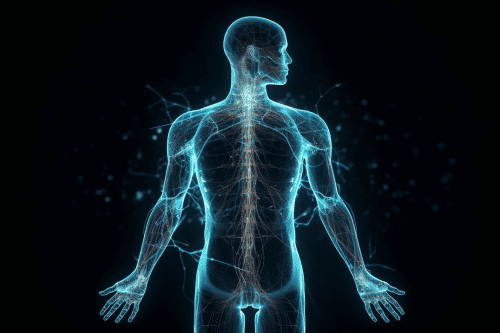
Cocaine’s primary mechanism of action is its effect on the central nervous system (CNS). By inhibiting the reuptake of dopamine, cocaine leads to a build-up of this chemical in the brain, amplifying feelings of pleasure. The user may feel on top of the world, but this artificial boost is dangerous.
Over time, the brain becomes dependent on cocaine to release dopamine, making it difficult to experience pleasure from natural rewards, such as food or social interactions. This dependency can lead to physical dependence, where the brain relies on cocaine to release dopamine, making it challenging to experience pleasure from natural rewards.
Stimulant drugs like cocaine have several physiological and psychological effects. While the short-term effects may seem desirable, the long-term consequences are devastating:
- Heightened alertness: Cocaine users may feel extremely focused or awake, but this state of heightened awareness often leads to reckless behavior.
- Increased energy: Cocaine causes a burst of energy, but this can also result in nervousness, anxiety, or agitation.
- Elevated heart rate and blood pressure: The stimulant effects of cocaine can lead to dangerous increases in both heart rate and blood pressure, raising the risk of heart attack and stroke.
Short-Term vs. Long-Term Effects of Cocaine Use
Cocaine’s stimulant effects can be broken down into short-term and long-term consequences. In the short term, cocaine use leads to the desired effects of increased energy, alertness, and euphoria. However, these effects come at a price. Even short-term use can cause harmful physical and mental health problems, including:
- Elevated mood and energy levels: Cocaine produces a temporary state of euphoria by increasing dopamine in the brain, but this can quickly fade.
- Increased heart rate and blood pressure: Cocaine stimulates the body’s cardiovascular system, which can lead to heart problems.
- Dilated pupils: One common physical sign of cocaine use is dilated pupils, which is often a visible indication of stimulant abuse.
Recognizing cocaine use as a form of drug abuse is crucial, as it highlights the need for professional help and support to overcome this complex illness.
Over time, cocaine use can lead to far more severe consequences, such as:
- Addiction: Cocaine is a highly addictive drug. Prolonged use leads to changes in brain chemistry, making it incredibly difficult to stop using the drug without professional help.
- Cocaine overdose: High doses of cocaine can lead to overdose, which can be fatal without immediate medical intervention.
- Mental health problems: Chronic cocaine use is associated with anxiety, paranoia, and depression, all of which can worsen over time.
Cocaine and Its Various Forms

Cocaine comes in different forms, each with its own methods of use and associated risks. Powdered cocaine is the most commonly used form and is typically snorted. Crack cocaine is a smoked form of the drug that is highly addictive and provides an even more intense, albeit short-lived, high.
Regardless of the form, cocaine is derived from the coca plant, native to South America. The plant has been used for centuries by indigenous peoples, but its modern, concentrated form is far more potent and dangerous. Cocaine hydrochloride is the powdered form of the drug that users snort, while crack cocaine is created by mixing powdered cocaine with water and baking soda, forming crystals that are then smoked.
How Cocaine Affects the Body
The effects of cocaine on the body are profound. One of the most dangerous aspects of the drug is its effect on the heart and cardiovascular system. Cocaine use causes an immediate increase in heart rate and blood pressure, placing users at risk for heart attacks and strokes. In fact, even a single use of cocaine can lead to a fatal cardiac event.
Other effects include:
- Increased energy and alertness: Users may feel more awake and capable of performing physical and mental tasks. However, this is often accompanied by nervousness and anxiety.
- Dilated pupils: Stimulant drugs like cocaine cause the pupils to widen, making the eyes more sensitive to light.
- Increased risk of respiratory failure: Smoking crack cocaine can lead to severe lung damage, increasing the risk of respiratory failure.
The short-term effects of cocaine may seem enticing, but the drug’s long-term consequences can be devastating, both physically and mentally.
Signs of Cocaine Abuse
Recognizing the signs of cocaine abuse is crucial for early intervention and seeking help for cocaine addiction. Cocaine abuse can manifest in various physical, behavioral, and psychological signs, which can be subtle at first but often become more pronounced over time.
Why Cocaine is So Addictive
Cocaine is one of the most highly addictive substances in existence. The drug’s ability to flood the brain with dopamine creates an overwhelming sense of euphoria, which users quickly want to experience again. This is why cocaine addiction often develops rapidly, with users needing more of the drug to achieve the same effects over time.
Repeated cocaine use alters the brain’s reward system, making it difficult for users to experience pleasure from anything other than the drug. This leads to compulsive drug-seeking behavior, even in the face of severe negative consequences, such as job loss, relationship problems, and deteriorating health. Cocaine abuse not only affects the user but also their families, friends, and society at large.
The Dangers of Cocaine Withdrawal
When someone becomes addicted to cocaine, quitting the drug can be an incredibly difficult and painful process. Cocaine withdrawal symptoms often include severe cravings, fatigue, depression, and anxiety. These symptoms can make it challenging to quit cocaine without professional help.
Cocaine withdrawal typically begins within hours of the last use and can last for several weeks. Symptoms often include:
- Intense cravings: The body’s dependence on the drug makes it hard to resist the urge to use again.
- Depression and anxiety: Without the dopamine boost from cocaine, users often feel emotionally unstable.
- Fatigue: As the body adjusts to the absence of the stimulant effects, extreme tiredness can set in.
Treatment for Cocaine Addiction
Cocaine addiction treatment often involves a combination of medical and psychological interventions. Detoxification is the first step, allowing the body to rid itself of the drug while managing withdrawal symptoms. After detox, individuals need to participate in behavioral therapies, which address the underlying causes of addiction and teach coping strategies for staying sober.
In addition to therapy, support groups and peer support are essential components of the recovery process. These resources provide a sense of community and accountability, helping individuals stay on the path to recovery.
Seeking Professional Help for Cocaine Addiction
If you or someone you love is struggling with cocaine addiction, it’s important to seek professional help as soon as possible. At Sun County Wellness, we offer comprehensive treatment plans that address both the physical and psychological aspects of addiction. Our team of experts will work with you to create a personalized recovery plan that supports long-term sobriety.
Conclusion
In conclusion, cocaine is a powerful stimulant that affects the central nervous system, leading to short-term euphoria and long-term addiction. While it may provide temporary feelings of pleasure, the risks far outweigh any perceived benefits. Cocaine addiction is a serious issue, but with the right treatment and support, recovery is possible. If you or a loved one is battling cocaine addiction, contact Sun County Wellness today for the help you need.

Seeking Treatment? We Can Help
At Sun County Wellness, as an in-network provider we work with most insurance plans, such as:
If you or a loved one are struggling with mental health challenges or substance abuse, reach out to Sun County Wellness today. Our team of compassionate professionals is here to support your journey towards lasting well-being. Give us a call at 949-993-1149