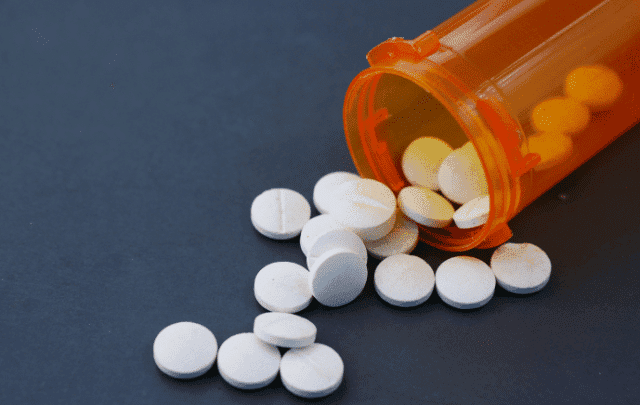

Clinically Reviewed By Brittany Astrom - LMFT
Brittany has 15 years of experience in the Mental Health and Substance Abuse field. Brittany has been licensed for almost 8 years and has worked in various settings throughout her career, including inpatient psychiatric treatment, outpatient, residential treatment center, PHP and IOP settings.
K 18 on a Pill: Uses, Effects, and Safety Tips
Discovered a pill imprinted with ‘K 18 on a pill’? This identifier marks a 5 mg oxycodone hydrochloride tablet, an opioid for managing moderate to severe pain. This article covers its uses, effects, and essential safety tips.
Key Takeaways
- The K 18 pill, containing 5 mg of oxycodone, is a powerful opioid used for managing moderate to severe pain but has a high potential for abuse and dependence, necessitating strict medical supervision.
- Common short-term effects of the K 18 pill include pain relief, euphoria, sedation, and dizziness, while long-term use can lead to serious risks such as addiction, respiratory depression, and increased sensitivity to pain.
- Safe storage and disposal of K 18 pills are crucial to prevent misuse, and patients, especially vulnerable groups like the elderly and pregnant women, must adhere to medical guidelines to ensure safe and effective use.
What is the K 18 Pill?
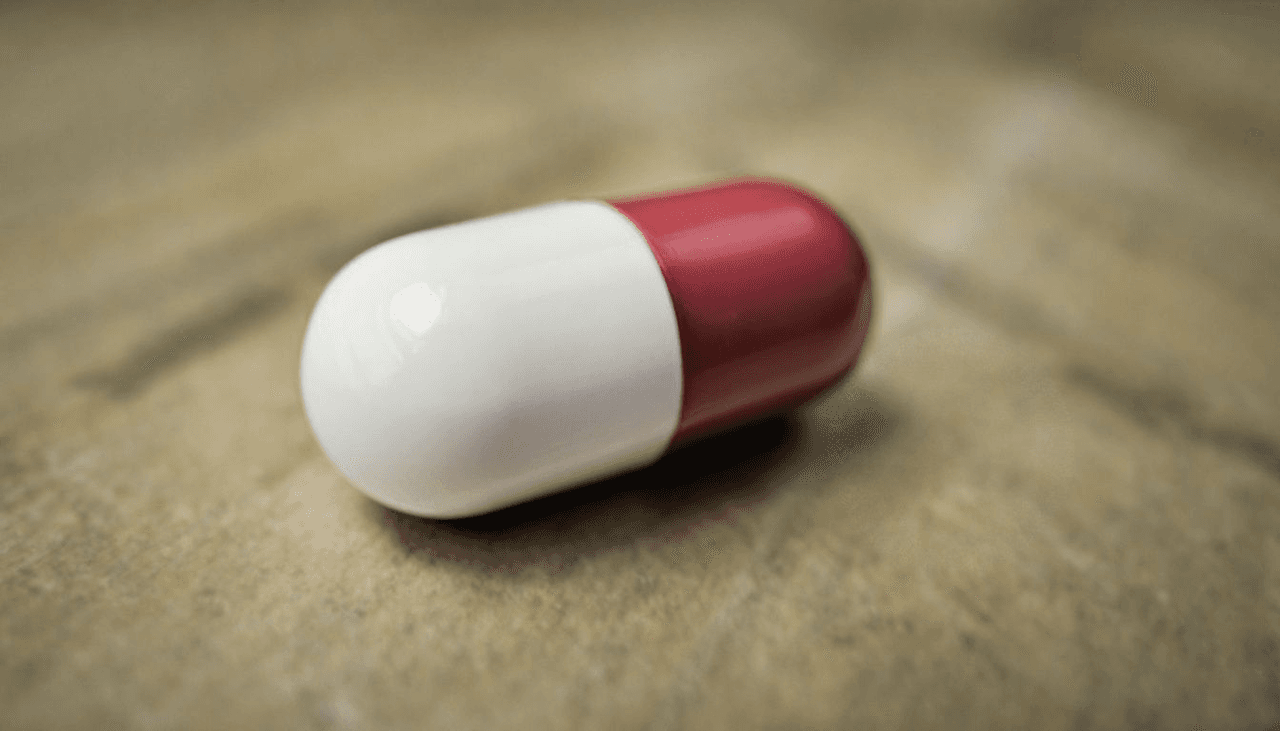
The K 18 pill is an opioid pain medication designed to provide relief from moderate to severe pain. Each pill contains 5 mg of oxycodone hydrochloride, a potent analgesic that alters the brain and nervous system’s response to pain. The K 18 pill is round, white, and marked with a distinct imprint, divided by a line with ‘K’ on one side and ‘18’ on the other, making it easily identifiable.
Classified as a Schedule II controlled substance, the K 18 pill has a high potential for abuse and dependence. Therefore, it must be used strictly under a doctor’s prescription to prevent misuse.
Medical Uses of the K 18 Pill
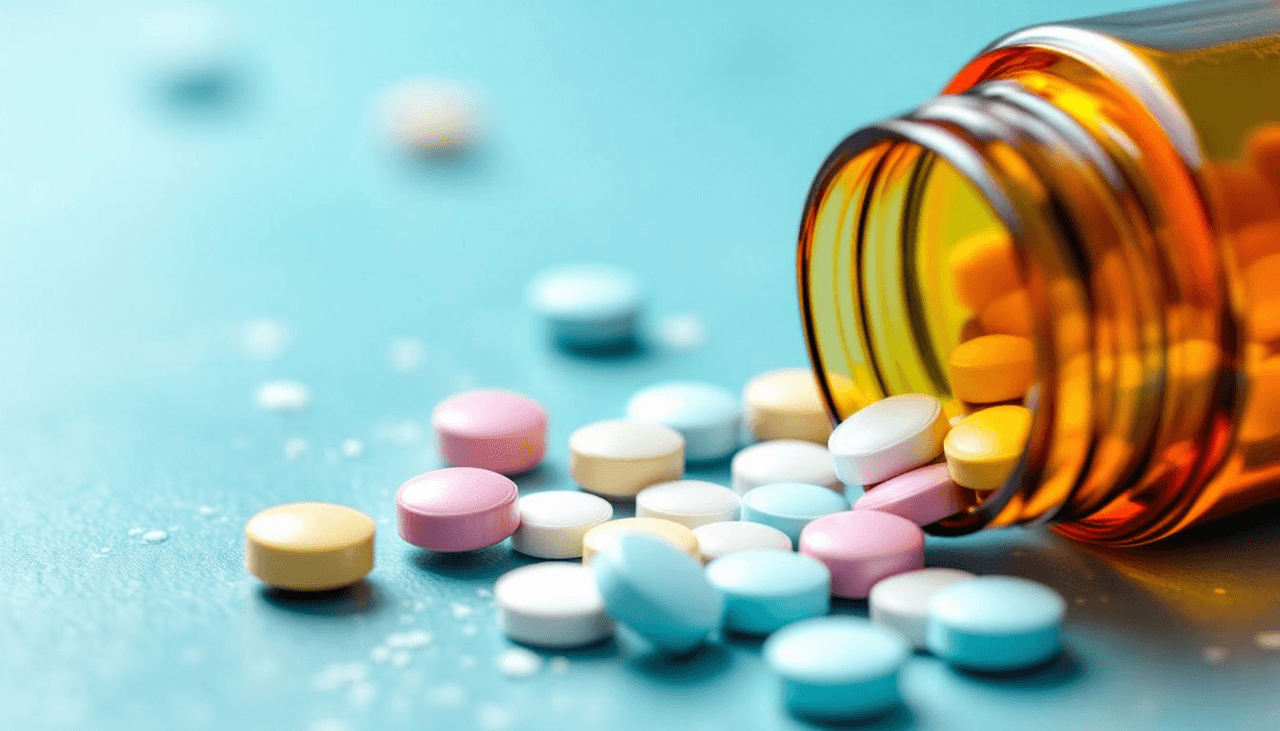
The K 18 pill is primarily prescribed for managing moderate to severe pain, especially in situations where other pain medications fail to provide adequate relief. It is commonly used in acute pain scenarios, such as postoperative recovery and injury-related pain, where immediate and effective pain management is crucial.
Beyond acute pain, the K 18 pill is also effective in managing chronic pain conditions, including those associated with cancer and severe illnesses. In palliative care settings, where the focus is on providing comfort to patients with terminal conditions, K 18 pills play a vital role in alleviating severe pain and improving quality of life.
Given its potency and effectiveness, the K 18 pill is a critical component in pain management. Responsible use under strict medical supervision is necessary to avoid the risks associated with opioid medications.
How the K 18 Pill Works
The K 18 pill works by altering the way the brain and nervous system respond to pain. Oxycodone, the active ingredient, binds to mu opioid receptors in the brain and spinal cord, blocking pain signals from being transmitted and perceived. This mechanism not only reduces the sensation of pain but also affects the emotional response, leading to a significant decrease in pain perception with opioid pain medications.
Additionally, the binding of oxycodone to these receptors triggers the release of dopamine, a neurotransmitter associated with feelings of pleasure and reward. This release can result in feelings of euphoria and relaxation, which, while beneficial for pain relief, also contribute to the potential for abuse and addiction.
Identifying the K 18 Pill

Proper identification of the k18 pills is vital to ensure correct usage and avoid counterfeit medications. Each k18 pill is a white, round tablet, marked with a line dividing ‘K’ and ‘18’, distinguishing it as a prescription pain medication.
Pill identification tools, such as apps and online databases, are invaluable for confirming the authenticity of K 18 pills and preventing confusion with counterfeit pills that may contain harmful substances like fentanyl.
Correct identification is essential for safe usage and to avoid the severe risks associated with counterfeit medications.
Common Dosages and Administration Guidelines
The K 18 pill is generally prescribed at a dosage of 5 mg for managing moderate to severe pain. Treatment usually begins at the lowest effective dose to assess tolerance and effectiveness. Patients are typically advised to take the medication every 4 to 6 hours, depending on pain levels and physician guidelines.
Patients must strictly adhere to their prescribed dosing schedule to minimize the risk of adverse effects and potential addiction. Healthcare providers may adjust the dosage based on pain control and patient response, but such adjustments should only be made under medical supervision.
Special populations, such as the elderly, may require dosage adjustments due to increased sensitivity to oxycodone. Patients should never self-adjust dosages, as improper use can lead to serious health risks, including overdose and addiction.
Short-Term Effects of the K 18 Pill
The K 18 pill provides immediate pain relief by interacting with specific receptors in the brain, decreasing pain perception and altering emotional responses. This interaction can result in feelings of euphoria, relaxation, and significant pain relief, making it effective for managing severe pain.
However, the short-term effects of the K 18 pill are not limited to pain relief. Common side effects include sedation, dizziness, and extreme drowsiness, which can vary in intensity among individuals. These effects can occur quickly, highlighting the need to adhere to prescribed dosages and monitor for adverse reactions.
In some cases, the K 18 pill can cause dry mouth and nausea. Extreme drowsiness may indicate a possible overdose, requiring immediate medical attention to prevent severe health complications.
Long-Term Risks and Side Effects
Long-term use of the K 18 pill carries significant risks, including addiction and dependence. As patients develop tolerance, they may require higher doses to achieve the same pain-relieving effects, increasing the risk of misuse and addiction.
Other long-term risks include respiratory depression, particularly with misuse or high doses, and increased sensitivity to pain. Prolonged use can also lead to sleep disturbances and a higher susceptibility to infections, highlighting the need for strict medical supervision.
Recognizing Signs of Abuse and Addiction
Recognizing the signs of K 18 pill abuse and addiction is crucial for early intervention and treatment. Common indicators include mood swings, frequent use of the medication, and obtaining prescriptions from multiple doctors. Abuse may involve taking higher doses than prescribed, mixing the pills with other substances, or obtaining them illegally.
If someone feels the need to take K 18 pills just to feel normal, this may indicate a problem. Once a prescription runs out, individuals addicted to the medication may turn to dangerous drugs like heroin and fentanyl. Withdrawal symptoms such as irritability, anxiety, and physical dependence can also signal opioid addiction.
Understanding these signs is vital for addressing the issue promptly and seeking appropriate addiction treatment. Behavioral therapies and support from healthcare providers can help individuals recover and prevent further substance abuse.
Treatment Options for K 18 Pill Dependency
Recovering from K 18 pill addiction is indeed possible. With the right treatment plan and a supportive network, individuals can successfully overcome this challenge. Medically assisted treatment (MAT) is a recommended approach, involving the safe detoxification from oxycodone and the use of medications to minimize withdrawal symptoms. Individual and cognitive-behavioral therapies are also effective in addressing the underlying issues of addiction.
Residential treatment centers provide comprehensive support, helping individuals develop coping skills and self-awareness to prevent future addictions. Primary care doctors can connect patients with local resources and addiction care, ensuring they receive the support they need.
For those worried about developing an addiction to K 18 pills, it is essential to talk with the prescribing doctor about their concerns and explore alternative pain management options. Engaging in treatment programs and seeking professional help can significantly improve the chances of recovery.
Dangerous Interactions with Other Substances
Combining K 18 pills with other substances, especially central nervous system depressants, poses serious risks. Using K 18 alongside benzodiazepines or alcohol heightens the risk of overdose and severe respiratory issues. These combinations can amplify the sedative effects, leading to extreme drowsiness, dizziness, and potentially fatal respiratory depression.
Mixing K 18 pills with other CNS depressants can result in life-threatening conditions, including breathing difficulties and accidental overdose. Avoid combining K 18 with alcohol and other sedatives to prevent these dangerous interactions.
Safe Storage and Disposal of K 18 Pills
Safe storage and disposal of K 18 pills are essential to prevent misuse and minimize the risks of drug abuse. Unused K 18 pills should be disposed of through drug take-back programs. If take-back options are unavailable, the pills can be mixed with unpalatable substances and sealed in a bag before being thrown in the household trash.
Flushing K 18 pills down the toilet is generally not recommended due to environmental concerns. However, the FDA allows this method in certain situations where no other disposal options are available.
Safe storage and disposal practices can help prevent accidental ingestion and misuse of these powerful medications.
Precautions for Special Populations
Special populations, such as pregnant women and the elderly, require additional precautions when using K 18 pills. Pregnant women should avoid using oxycodone without consulting a healthcare professional due to potential risks to the fetus. Oxycodone is classified as FDA Category C, indicating that risk cannot be ruled out during pregnancy.
Elderly patients may need dosage adjustments due to increased sensitivity to the medication. These populations must use K 18 pills under strict medical supervision to avoid significant risks and ensure safe and effective pain management.
Summary
In summary, the K 18 pill is a powerful opioid pain medication that plays a critical role in managing moderate to severe pain. However, its potential for abuse and addiction necessitates careful use under medical supervision. Understanding its uses, effects, and risks is essential for safe and responsible handling. Always consult healthcare providers for guidance and support to ensure the best outcomes for pain management and overall health for those with mental health disorders.

Seeking Treatment? We Can Help
At Sun County Wellness, as an in-network provider we work with most insurance plans, such as:
If you or a loved one are struggling with mental health challenges or substance abuse, reach out to Sun County Wellness today. Our team of compassionate professionals is here to support your journey towards lasting well-being. Give us a call at 949-993-1149
Visit SAMHSA or contact us today for more inforamtion.