Clinically Reviewed By Brittany Astrom - LMFT
Brittany has 15 years of experience in the Mental Health and Substance Abuse field. Brittany has been licensed for almost 8 years and has worked in various settings throughout her career, including inpatient psychiatric treatment, outpatient, residential treatment center, PHP and IOP settings.
Narcotics Anonymous Acronyms: Comprehensive Guide to NA Terms and Their Meaning for Women’s Recovery
Narcotics Anonymous acronyms are compact labels that represent groups, roles, literature, and meeting practices essential to 12-step peer support, and understanding them reduces confusion for newcomers and active members alike. This guide explains the most common NA acronyms, how meeting vocabulary works, the service structure behind local and world-level NA functions, and recovery terms like clean time and relapse — all with practical notes for women in recovery.
Many women entering recovery face barriers such as unfamiliar meeting language, trauma histories, or co-occurring mental health conditions; decoding NA shorthand empowers women to participate confidently, find appropriate supports, and connect clinical care with peer resources. This guide walks through key acronyms, meeting etiquette, service roles, and stage-specific uses of terms, then connects those concepts to gender-specific, trauma-informed care and pathways for starting treatment or verifying insurance. You’ll find glossary tables, clear Q&A-style definitions, stepwise meeting and treatment navigation tips, and practical next steps that support safe, informed engagement with NA and complementary clinical programs.
What Are the Most Common Narcotics Anonymous Acronyms and Their Meanings?
This section lists high-frequency NA acronyms and explains why they matter in meetings and recovery. Definitions emphasize function, where the term appears (meetings, literature, service), and a short note on practical use. You’ll find a scannable glossary for rapid lookup and follow-up guidance on how these terms shape participation. Understanding these core acronyms shortens the learning curve and supports safer, more effective engagement in peer support activities. The following table organizes top acronyms with simple definitions and relevance specifically for women in recovery.
Introductory glossary for common NA acronyms and how each helps women engage in meetings and peer supports.
Acronym
Full Term
Short Definition
Relevance for Women
NA
Narcotics Anonymous
A peer-led 12-step fellowship for people recovering from substance use disorder.
Offers gender-specific meetings and peer connection that reduce isolation.
Basic Text
NA Basic Text
Foundational literature outlining NA principles, the 12 Steps, and recovery stories.
Provides study material for reflection and trauma-sensitive processing.
HP
Higher Power
Inclusive term for a power greater than oneself used in step work and meetings.
Can be adapted to secular interpretations that respect diverse spiritual needs.
Sponsor
Sponsor
A more-experienced member who provides guidance and one-on-one support.
Facilitates gender-matched sponsorship and safety in emotional sharing.
IPs
Informational Pamphlets
Short literature pieces on specific topics (newcomer support, relapse, women’s issues).
Quick, accessible guidance on topics particularly relevant to women and trauma.
This glossary gives quick, practical context so you can recognize and apply these terms during meetings or when working with treatment providers. The next subsection clarifies the core identity of NA and how it differs from clinical care.
What Does NA Stand For in Addiction Recovery?
NA stands for Narcotics Anonymous, a global fellowship of people who meet to support recovery from active addiction using a 12-step framework adapted from peer experience. NA operates as peer support rather than formal clinical treatment; it offers shared experience, mutual accountability, and literature-based guidance. The organization emphasizes anonymity, voluntary participation, and a tradition-based service structure to keep groups autonomous and recovery-focused. Recognizing NA as peer-run helps newcomers understand how to pair meetings with clinical care when needed, which is the next aspect covered in literature and meeting practice.
What Is the Basic Text in NA and Why Is It Important?
The Basic Text is NA’s central piece of literature containing personal recovery stories, philosophical foundations, and step work guidance used in meetings and study groups. It functions as a shared reference that frames NA’s approach to addiction, responsibility, and spiritual principles, giving members common language to discuss recovery. For women, the Basic Text can be used alongside trauma-informed clinical therapies to reflect on patterns and identify supports, often referenced in step work and group readings. Using the Basic Text in tandem with professional counseling enables a combined peer-plus-clinical pathway to address both addiction and co-occurring mental health needs.
What Does Higher Power Mean in NA?
Higher Power in NA is an intentionally inclusive concept referring to any source of strength or support beyond oneself that helps sustain recovery, and it need not be religious. This flexibility allows members to interpret HP as community, nature, collective wisdom, or a spiritual concept consistent with their beliefs, which is especially important for trauma-informed and secular approaches. Women who have experienced religious trauma may prefer secular or humanistic formulations of HP, and meeting leaders can offer inclusive language to reduce retraumatization. Understanding HP as adaptable supports personalized recovery plans and respectful group dynamics.
Who Is a Sponsor in Narcotics Anonymous?
A sponsor is an experienced NA member who offers regular one-on-one support, guidance through the 12 Steps, and practical advice about meetings, service, and relapse prevention. Sponsors help newcomers navigate meeting etiquette, literature, and community resources; sponsors should practice clear boundaries and trauma-awareness, especially in gender-specific contexts. Women often choose same-gender sponsors for emotional safety and shared experience, and groups typically encourage asking potential sponsors questions about boundaries and recovery approach before accepting sponsorship. Clear sponsor expectations support healthy, sustained accountability and connection during recovery.
What Are the Key NA Meeting Terms Every Newcomer Should Know?
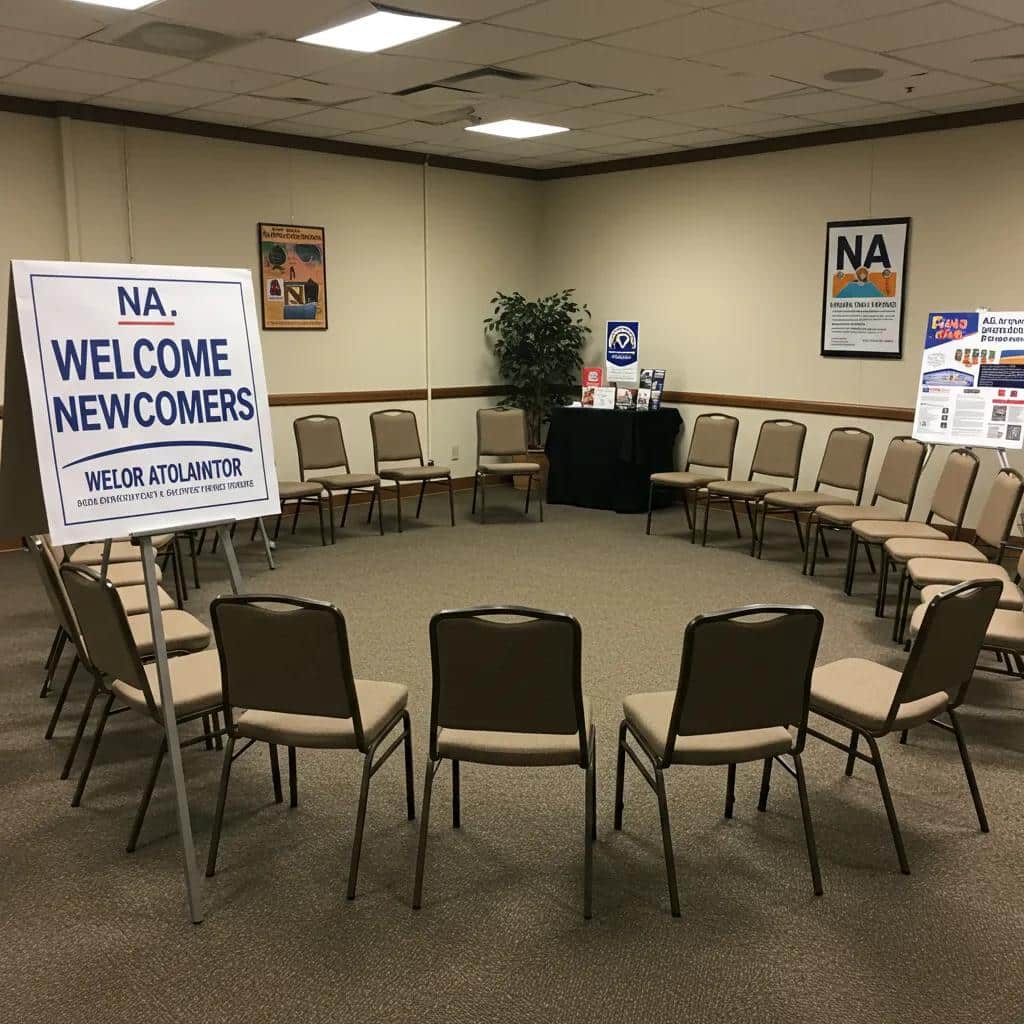
Meeting terminology shapes what to expect when you walk into an NA room and helps newcomers participate with confidence and safety. Key terms explain who may attend, how sharing works, and how groups welcome people new to recovery; these terms also connect to practical meeting etiquette and newcomer support materials. Learning these basics reduces anxiety, supports trauma-sensitive participation, and helps women find groups aligned with their needs. Below is a concise set of definitions plus a brief checklist to use before attending your first meetings.
Common meeting terms every newcomer should recognize and how they affect participation.
- 1Open meeting: A meeting that anyone may attend, including family, friends, and the general public. Open meetings offer community education and broader support while maintaining group format and readings.
- 2Closed meeting: A meeting intended for people who identify as having a problem with addiction; it focuses on members’ sharing and confidentiality. Closed meetings foster a safer space for candid personal sharing and peer bonding.
- 3Newcomer: Someone within their early days or weeks of recovery, often receiving special welcomes or IPs and encouraged to get a sponsor and attend regularly. Groups commonly read a newcomer welcome and provide pamphlets with practical tips.
- 4Sharing: The practice of vocalizing personal experience, strength, and hope in a meeting; sharing is voluntary and typically time-limited to allow many voices. Trauma-informed sharing emphasizes consent, boundaries, and optional disclosure to protect emotional safety.
This practical vocabulary equips newcomers to choose meeting types and engage safely; the next subsection defines open meetings in more detail.
What Is an Open Meeting in NA?
An open meeting welcomes anyone interested in NA’s approach, including family members and professionals, and typically follows standard readings, a speaker or share format, and fellowship time. Open meetings are useful for education and support, allowing loved ones to observe meeting process and learn how to support recovery. Because open meetings include non-addicts, speakers often frame comments for broader audiences and emphasize general recovery principles rather than highly personal detail. For newcomers seeking privacy, asking meeting hosts about the meeting type beforehand can clarify expectations and reduce anxiety.
What Is a Closed Meeting in NA?
A closed meeting is specifically for people who identify as having a problem with substance use and is reserved for members and prospective members seeking recovery from addiction. The closed setting supports candid sharing, confidentiality, and deep peer connection, which can be critical for vulnerable or trauma-affected participants. Facilitators may ask newcomers at the door whether they identify as someone with a problem with drugs to maintain the integrity of the closed format. Choosing closed meetings can provide women with a safer environment for frank discussion and emotional work without external observers.
Who Is Considered a Newcomer in NA?
A newcomer generally refers to someone new to recovery or early in abstinence who is still learning meeting etiquette, finding a sponsor, and exploring literature and supports. Groups often provide newcomer readings, informational pamphlets (IPs), and volunteer contacts to help orient new members to meeting norms and available resources. Newcomers are encouraged to attend meetings regularly, ask questions privately, and seek same-gender meetings if that increases comfort and safety. Clear newcomer pathways reduce stigma and help women quickly connect to consistent supports.
What Does Sharing Mean in NA Meetings?
Sharing is the act of speaking about personal experience, strength, and hope in a meeting; it aims to offer support and relatable experience rather than therapy or instruction. Typical sharing guidelines include keeping comments concise, focusing on personal experience rather than giving advice, and respecting confidentiality by not repeating others’ stories outside the room. Trauma-informed groups may offer alternative sharing options, such as passing or using phone/text supports after meetings to prevent retraumatization. Learning safe sharing practices allows women to participate without compromising boundaries or emotional safety.
How Is the Narcotics Anonymous Service Structure Organized?
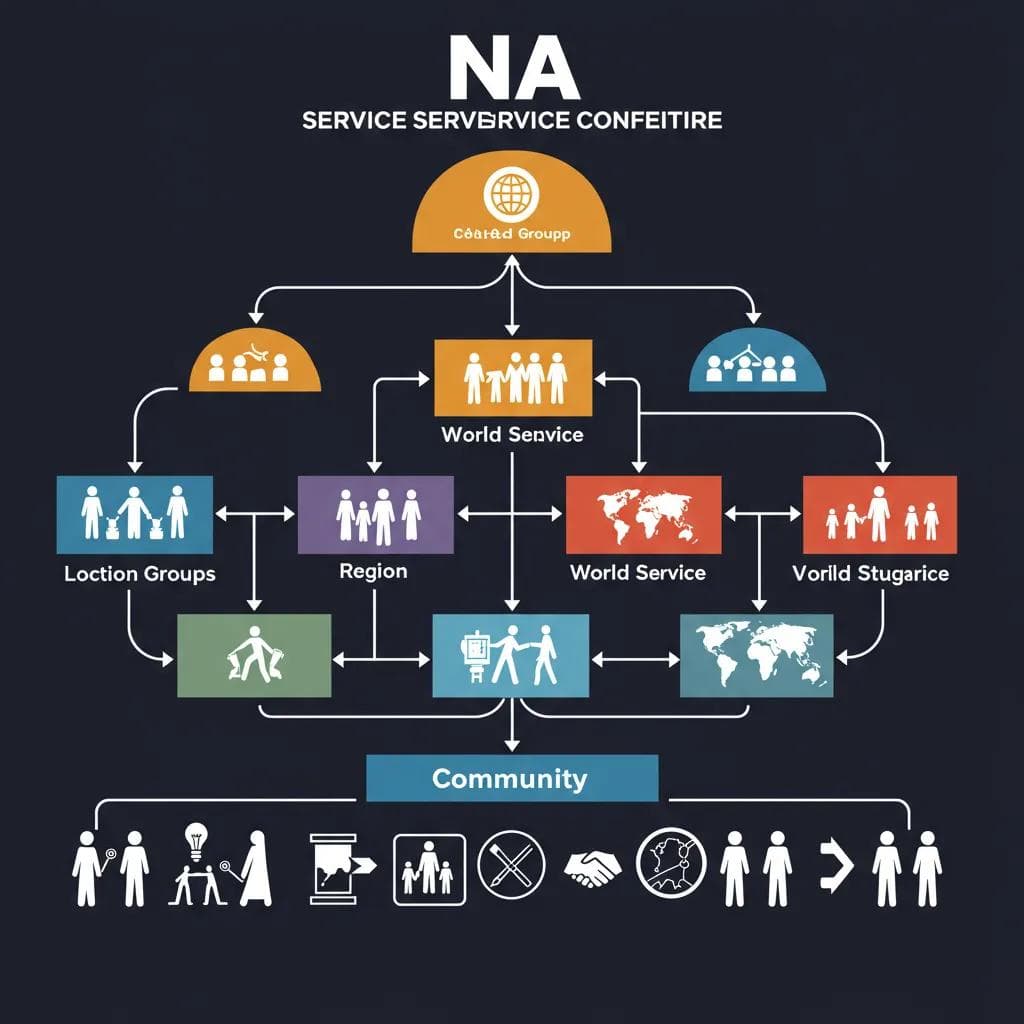
NA service structure links local groups to area and world-level decision making through an ordered hierarchy that sustains literature production, meeting coordination, and outreach efforts. The structure typically flows from the Group level to Area Service Committee (ASC), to Region (when present), and to the World Service Conference (WSC), with volunteer positions connecting each level. Understanding service roles clarifies how meeting policies, H-and-I activities, and literature decisions are made and how members can participate beyond meetings. The table below summarizes core service acronyms, functions, and their practical impact on individual recovery access.
Service roles and where they operate in NA’s hierarchy, with practical implications for members.
Service Acronym
Role / Function
Where It Operates
Impact on Individual Recovery
GSR
Group Service Representative; conveys group conscience to ASC
Meeting-level → Area
Ensures member voices affect area decisions and service resources.
ASC
Area Service Committee; coordinates groups in a geographic area
Area
Organizes events, literature distribution, and outreach that support local meetings.
H-and-I
Hospitals & Institutions; brings meetings into institutions
Area / Group volunteers
Connects confined or hospitalized individuals with recovery meetings and literature.
WSC
World Service Conference; global policy and literature stewardship
World
Sets worldwide guidance and approves literature affecting all groups.
This table helps members see how local engagement connects to broader service and recovery resources; the next subsection defines the GSR role in practical terms.
What Is a GSR in NA?
A GSR, or Group Service Representative, is an elected group member who attends area meetings to represent their home group’s conscience and communicate area-wide information back to the group. GSRs help coordinate events, report service needs, and propose motions that affect literature or group services, acting as the democratic link between groups and area committees. Serving as a GSR is a common path for members who want to deepen recovery through service and influence meeting-level choices. Understanding the GSR role helps members see how participation beyond attendance can change resources available locally.
What Does H-and-I Mean in NA?
H-and-I stands for Hospitals & Institutions, a service focused on carrying meetings and NA literature into hospitals, jails, treatment centers, and other institutions. H-and-I volunteers follow facility rules, train to meet security and confidentiality standards, and adapt meeting formats to constrained settings so confined individuals can access peer support. This service is critical for reaching people during transitions of care and for sustaining recovery continuity when someone returns to the community. Knowing about H-and-I helps members refer loved ones and support institutional outreach.
What Is the WSC in NA?
WSC refers to the World Service Conference, the assembly where delegates from areas and regions gather to make decisions about NA literature, policies, and global service priorities. The WSC’s deliberations shape the Basic Text, approve new IPs, and set guidance that cascades down to local areas and groups. While individual groups remain autonomous, WSC decisions ensure coherence in shared literature and major fellowship-wide initiatives. Awareness of WSC processes helps members understand how global decisions influence meeting materials and program direction.
What Is the ASC in NA?
ASC denotes the Area Service Committee, an administrative body that coordinates resources, events, clinic outreach, and literature distribution across groups within a geographic area. ASC meetings bring together GSRs and committee chairs to solve logistical problems, plan local service projects, and support H-and-I efforts among other activities. The ASC often manages public contact points, provides training, and coordinates intergroup communication that maintains meeting stability. Understanding the ASC clarifies how local meetings receive organizational support and how individuals can elevate service needs.
What Are Other Common NA Acronyms and Terms Used in Recovery?
Beyond primary service and meeting acronyms, NA uses terms for recovery milestones, literature formats, and relapse language that shape how members communicate progress and needs. These terms help members mark achievement, understand setbacks, and access focused informational resources. Clear definitions prevent misunderstandings about recovery status and available supports and guide clinical teams in aligning treatment goals with peer language. The following subsections explain clean time, relapse, and IPs with practical examples and recovery-focused framing.
What Does Clean Time Mean in NA?
Clean time refers to the length of time a member has abstained from their substance(s) of choice, commonly expressed in days, months, or years and often celebrated with tokens or medallions. Clean time functions as a personal and communal milestone that recognizes ongoing effort and inspires peers; groups typically announce anniversaries to honor progress. For many women, acknowledging clean time can reinforce identity shifts away from active use and validate therapeutic gains. Celebrating milestones in trauma-informed ways can emphasize resilience rather than stigma.
What Is a Relapse According to NA?
In NA terminology, relapse generally means a return to active substance use after a period of abstinence; the fellowship emphasizes a compassionate, nonjudgmental response focused on reengagement rather than punishment. NA encourages members to seek immediate support after relapse — contacting sponsors, attending meetings, and using H-and-I or clinical supports when needed — while maintaining dignity and hope. Distinguishing relapse from a return to recovery helps reduce shame and supports rapid re-entry into treatment or peer supports. Practical relapse planning includes identifying triggers, reaching out to sponsors, and combining peer with clinical interventions.
What Are IPs in NA?
IPs, or Informational Pamphlets, are short, topic-focused literature pieces that address specific recovery concerns such as newcomer guidance, women’s issues, relapse, or H-and-I participation. IPs are designed to be accessible, portable references distributed at meetings or handed out by groups and committees to address practical questions quickly. For women, certain IPs provide targeted information about gender-specific concerns, safety in meetings, and resources for dual diagnosis. Combining IPs with Basic Text study offers both quick guidance and deeper reflection during recovery work.
Why Is Understanding NA Acronyms Important for Women in Recovery?
Grasping NA acronyms matters particularly for women because language and meeting formats can either lower or raise barriers to participation, emotional safety, and access to gender-responsive resources. Clear terminology supports trauma-informed interactions, reduces confusion about meeting eligibility, and helps women advocate for gender-specific meetings and sponsors where appropriate. This knowledge also bridges peer support with clinical care, enabling women with co-occurring disorders to coordinate NA participation alongside evidence-based therapies. Below we examine how NA language supports gender-specific treatment, its relationship to trauma-informed care, and how a women-focused treatment provider integrates NA concepts into dual diagnosis programs.
Understanding NA language reduces barriers to safe meeting participation and connects peer practices with clinically supervised care pathways.
How Do NA Terms Support Gender-Specific Addiction Treatment?
NA concepts like gender-specific meetings, same-gender sponsorship, and newcomer protections translate directly into practical safety measures and culturally sensitive supports for women. Using agreed-upon terms makes it easier for treatment programs to arrange appropriate meeting placements, recruit same-gender sponsors, and create meeting callouts that protect privacy. When clinicians and peer-support coordinators share common vocabulary, referrals and handoffs work more smoothly and women receive supports aligned with their recovery preferences. Implementing these practices improves engagement and retention in both peer and clinical programs.
How Does Trauma-Informed Care Relate to NA Language?
Trauma-informed care emphasizes safety, trustworthiness, choice, collaboration, and empowerment; adapting NA language to these principles avoids re-traumatizing phrases and fosters inclusive meeting norms. Examples include offering optional sharing cues, using consent-based approaches to sponsorship, and providing trigger warnings before sensitive readings or topics. Facilitators who use trauma-aware terminology help attendees maintain boundaries and choose how much to disclose, which is particularly important for women with histories of interpersonal trauma. Aligning meeting etiquette with trauma-informed practices strengthens peer supports and complements clinical therapy.
How Does Sun County Wellness Integrate NA Principles in Dual Diagnosis Treatment?
Sun County Wellness offers women-focused dual diagnosis pathways that combine clinical therapies with NA-aligned peer practices across program levels, and it emphasizes complementary use of meetings, sponsorship, and literature in structured care. Programs such as Partial Hospitalization (PHP), Intensive Outpatient (IOP), Outpatient (OP), and supportive housing integrate NA concepts by facilitating meeting attendance, offering literature study groups, and supporting sponsor matching where appropriate. The table below maps program types to NA concepts and practical benefits for patients, illustrating how clinical and peer systems can operate together to support recovery.
This program mapping shows examples of how clinical programs can integrate NA practices to support recovery transitions and ongoing peer engagement.
Program
NA Concept Integrated
Practical Example / Benefit
PHP
Meeting accompaniment and literature groups
Daily structure includes facilitated literature study and supervised meeting attendance.
IOP
Sponsor linkage and step-work support
Clinicians collaborate with peers to help patients identify sponsors and begin step work.
OP / Sober Living
Ongoing meeting participation and community reintegration
Transitional housing tasks include meeting check-ins and peer support planning.
These integrations respect clinical boundaries while leveraging peer supports to improve outcomes; for patients seeking admissions or insurance verification, Sun County Wellness provides an admissions process and insurance review to clarify next steps and coverage options. The subsequent sections offer practical FAQs and how-to steps for using this guide to navigate meetings and begin treatment.
Frequently Asked Questions
What Should I Expect at My First NA Meeting?
At your first Narcotics Anonymous (NA) meeting, expect a welcoming environment where members share their experiences with addiction and recovery. Meetings typically start with readings from NA literature, followed by personal shares from attendees. You may encounter both open and closed meetings; open meetings allow anyone to attend, while closed meetings are reserved for those who identify as having a substance use problem. It’s normal to feel nervous, but remember that everyone is there to support one another, and you can participate as much or as little as you feel comfortable.
How Can I Prepare for an NA Meeting?
Preparing for an NA meeting involves familiarizing yourself with key acronyms and terms, such as “sponsor” and “clean time.” Consider bringing a notebook to jot down thoughts or questions. If you’re new, it may be helpful to arrive early to meet members and get a feel for the atmosphere. Additionally, check whether the meeting is open or closed, as this can affect your comfort level. Having a plan for how to exit the meeting if you feel overwhelmed can also help ease anxiety.
What Resources Are Available for Women in NA?
Narcotics Anonymous offers various resources specifically for women, including gender-specific meetings and informational pamphlets (IPs) that address women’s issues in recovery. These resources provide guidance on topics such as trauma, sponsorship, and maintaining emotional safety. Many groups also encourage women to seek same-gender sponsors for added comfort and support. Connecting with other women in recovery can foster a sense of community and understanding, making the recovery journey feel less isolating.
How Do I Know If I Need a Sponsor?
If you’re feeling overwhelmed or unsure about your recovery journey, it may be time to consider finding a sponsor. A sponsor can provide guidance, support, and accountability as you navigate the 12 Steps of NA. Look for someone who has experience in recovery and shares similar values or experiences. It’s important to feel comfortable with your sponsor, so take your time to find someone who aligns with your needs. If you’re unsure, ask for recommendations from fellow members during meetings.
What Should I Do If I Experience a Relapse?
Experiencing a relapse can be disheartening, but it’s essential to approach it with compassion and understanding. NA encourages members to seek immediate support after a relapse by reaching out to their sponsor, attending meetings, and utilizing available resources. Focus on re-engaging with your recovery community and discussing your experience openly. Remember, relapse is often viewed as a part of the recovery process, and many members have successfully returned to their recovery journey after setbacks.
How Can I Integrate NA Principles with Clinical Treatment?
Integrating NA principles with clinical treatment involves open communication between your treatment provider and NA members. Share your recovery goals with your clinician and discuss how attending NA meetings can complement your therapy. Utilize NA literature, such as the Basic Text and IPs, to align your peer support with clinical objectives. Many treatment programs, like those at Sun County Wellness, incorporate NA concepts into their care plans, facilitating a holistic approach to recovery that addresses both peer and clinical needs.
What Are the Benefits of Attending NA Meetings Regularly?
Regular attendance at NA meetings provides numerous benefits, including ongoing support from peers who understand your experiences. It fosters accountability and encourages personal growth through shared stories and insights. Consistent participation can help reinforce your commitment to sobriety, provide a safe space for discussing challenges, and offer opportunities to learn from others’ journeys. Additionally, regular engagement can help you build a network of supportive relationships, which is crucial for long-term recovery success.
What Does NA Mean in Medical and Addiction Terms?
In addiction contexts, NA commonly means Narcotics Anonymous, the peer fellowship supporting recovery from substance use, distinct from medical abbreviations that may use the same letters in clinical charts. When clinicians use “NA” in medical notes, context usually clarifies whether it refers to the fellowship or a different abbreviation; patients should ask providers to clarify chart language as needed. For guidance on pairing clinical care with peer support, ask treatment staff to coordinate referrals and clarify roles between NA groups and clinical services.
What Are the 12 Steps of NA?
The 12 Steps are a sequence of recovery principles adapted by NA that guide reflection, accountability, and community involvement; they are typically studied via the Basic Text or with a sponsor and are used as a framework for personal change. Steps involve admitting powerlessness over addiction, making amends, and carrying the message to others; they are intentionally spiritual but interpreted flexibly to respect diverse beliefs. Combining step work with evidence-based therapies like CBT and trauma-focused modalities allows members to address both behavioral patterns and underlying mental health concerns.
How Can I Find a Sponsor in a Gender-Specific NA Program?
Finding a sponsor in a gender-specific program begins with attending meetings, observing potential sponsors’ shares and conduct, and asking candidates about recovery length, boundaries, and experience with step work. Practical vetting steps include meeting privately to discuss expectations, asking about availability and communication preferences, and confirming comfort with trauma-informed boundaries. Women often look for same-gender sponsors for added safety; program coordinators or meeting hosts can help facilitate introductions or recommend members with sponsoring experience.
How Do NA Acronyms Relate to Different Stages of Recovery?
NA terminology aligns with recovery stages: newcomers rely on IPs and sponsor outreach, early members focus on meeting attendance and step work, and later-stage members engage in service roles like GSR or H-and-I to deepen recovery and give back. Knowing which terms are most relevant at each stage helps members prioritize next steps — for example, seeking sponsor and newcomer IPs initially, then exploring service opportunities when stable in recovery. This stage-based understanding streamlines engagement and matches expectations to needs as recovery progresses.
How Can You Use This NA Acronyms Guide to Enhance Your Recovery Journey?
This final practical section provides step-by-step actions you can take to apply this glossary in meetings, connect NA concepts with treatment, and begin the admissions and insurance verification process when clinical support is needed. The guidance prioritizes safety, trauma-informed choices, and coordination between peer and clinical resources to create sustainable recovery pathways. Follow the checklists and steps below to move from reading to active participation and, if desired, to initiating care with complementary treatment programs.
Practical steps for using the glossary to prepare for meetings and combine peer support with clinical care.
- 1Prepare before your first meeting: Read the top acronyms and IPs, note whether the meeting is open or closed, and plan a safe exit strategy.
- 2Engage gradually: Attend several meetings to observe format, ask for newcomer materials, and identify potential sponsors or same-gender groups.
- 3Coordinate with clinicians: Share meeting choices with your treatment provider and use the Basic Text or IPs to align peer work with therapy goals.
How to Navigate NA Meetings Using These Acronyms?
Before attending, check the meeting type (open vs closed), bring a small notebook for questions, and locate newcomer IPs or welcome contacts on arrival so you can ask privately about sponsorship or gender-specific meetings. During the meeting, listen for readings, follow the chair format, and keep shares focused on personal experience — avoid giving unsolicited advice. After meetings, connect with potential sponsors or group members privately and use brief follow-up steps like scheduling a phone check-in or joining a beginner’s literature study. These behaviors create safe routines that support steady progress.
How to Connect NA Terms with Sun County Wellness’s Treatment Programs?
Mapping NA concepts to program elements helps patients move between peer and clinical settings coherently; Sun County Wellness aligns PHP, IOP, OP, sober living, and supportive housing with meeting participation, literature study, and sponsor linkage as clinically appropriate. The table earlier in this article illustrated sample program-to-NA mappings and practical benefits for patients, demonstrating how structured programming can include supervised meeting attendance and sponsor introductions. If you are considering admission, request an intake conversation to discuss how meetings, sponsorship, and literature study would be incorporated into your personalized dual diagnosis plan.
Where to Verify Insurance and Start Your Recovery with Sun County Wellness?
To begin the admissions and insurance verification process, gather your insurance information, prepare a brief clinical summary if available, and contact the admissions team to request a benefits check and pre-admission intake. The typical steps are: verify insurance coverage with the provider or admissions team, schedule an initial clinical assessment to determine program level (PHP/IOP/OP), and arrange placement or pre-admission planning for supportive housing or sober living if needed. Sun County Wellness assists with insurance verification and admissions logistics for women seeking gender-specific, dual diagnosis care in Orange County, CA; contacting the admissions office will clarify coverage options and next steps for intake.
- 1Verify insurance: Provide carrier name and member ID to admissions for a benefits check.
- 2Schedule assessment: Arrange a clinical intake to determine appropriate level of care.
- 3Plan transition: Coordinate start dates, medication needs, and meeting access during program enrollment.
Narcotics Anonymous language is a practical toolkit — understanding acronyms, meeting types, service roles, and recovery terms empowers women to participate confidently, advocate for safety, and combine peer support with clinical treatment when needed. For women seeking gender-specific dual diagnosis care, integrated approaches that respect NA principles alongside evidence-based therapies create stronger, safer recovery pathways. If you need assistance verifying insurance or exploring admissions into women-focused programs, contact the admissions team at Sun County Wellness for guidance on benefits checks and next steps.

Seeking Treatment? We Can Help
At Sun County Wellness, as an in-network provider we work with most insurance plans, such as:
If you or a loved one are struggling with mental health challenges or substance abuse, reach out to Sun County Wellness today. Our team of compassionate professionals is here to support your journey towards lasting well-being. Give us a call at 949-993-1149
Visit SAMHSA or contact us today for more inforamtion.