
Clinically Reviewed By Brittany Astrom - LMFT
Brittany has 15 years of experience in the Mental Health and Substance Abuse field. Brittany has been licensed for almost 8 years and has worked in various settings throughout her career, including inpatient psychiatric treatment, outpatient, residential treatment center, PHP and IOP settings.
Pills That Are Pink: A Comprehensive Guide
Pink pills are widely seen in the pharmaceutical world and often contain substances used to treat various ailments, ranging from mild to severe. In particular, pink pills like oxycodone are commonly prescribed for pain management but also have a high risk of abuse and dependency.
This article will cover what pink pills are, their primary ingredients, their role in medicine, and the dangers associated with misuse and addiction. For those who develop dependency on pink pills like oxycodone, addiction treatment is crucial to address long-term dependence and ensure proper care.
Understanding the Role of Pink Pills in Medicine
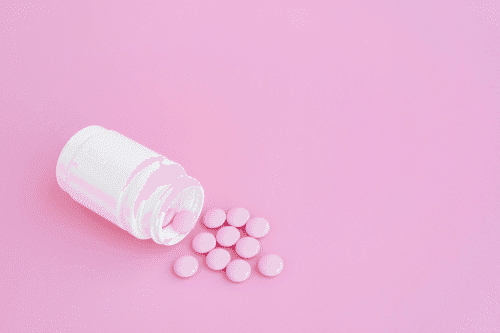
Prescription medications are color-coded not only to help patients and healthcare professionals recognize them but also to differentiate between drug strengths and purposes. Pink pills, in particular, are often associated with oxycodone hydrochloride in immediate release form, which is frequently prescribed for severe pain.
For individuals experiencing pain that over-the-counter medications can’t alleviate, doctors often prescribe oxycodone, a potent opioid medication that acts on opioid receptors in the brain and spinal cord. This class of drugs binds to the body’s central nervous system and alters the perception of pain by blocking pain signals from traveling through the nerves. This mechanism provides relief for patients who are suffering from debilitating pain but also carries risks of severe side effects and dependency. It is crucial to adhere to prescribed dosages to prevent respiratory depression and opioid overdose.
Definition and Description of Pink Oxycodone
The Pink Oxycodone, commonly known as the K 56 pill, is a potent opioid medication specifically designed for pain relief. This immediate-release formulation contains oxycodone hydrochloride, a semi-synthetic opioid agonist that exerts its effects on the central nervous system.
The pill is easily identifiable by its pink color, round shape, and the score line down the middle, with the imprint “K 56” on one side. As a Schedule II controlled substance, Pink Oxycodone is recognized for its high potential for abuse and dependence, necessitating careful medical supervision during its use.
Medical Uses of Pink Oxycodone
Pink Oxycodone is primarily prescribed for the management of moderate to severe pain, making it a critical option for patients who require continuous, around-the-clock pain relief. It is often utilized in treating postoperative pain, injury-related pain, and chronic pain conditions such as cancer-related pain or severe back pain.
Due to its high potential for abuse and dependence, healthcare providers typically prescribe Pink Oxycodone for short-term use, ensuring that patients receive effective pain relief while minimizing the risk of long-term dependency.
Common Types of Pink Pills
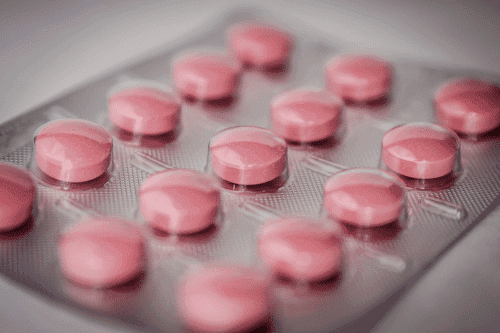
While many medications come in a variety of colors, oxycodone is often recognized by its distinctive pink hue. Here are some common types of pink oxycodone pills:
- 1Immediate Release Oxycodone: This form is typically prescribed for rapid pain relief and begins working quickly to alleviate severe pain. The effects are relatively short-lived, meaning patients may need to take these pills several times throughout the day, as directed by a healthcare provider.
- 1Extended Release Oxycodone: Some pink pills also contain extended release oxycodone for long-lasting pain management. These are generally prescribed when pain is constant and needs continuous relief. However, because of their extended effect, they carry a higher risk of misuse if not taken under strict medical supervision.
How Immediate Release Oxycodone Works in the Body
Oxycodone, a Schedule II controlled substance, is classified this way due to its high potential for drug abuse and physical dependence. The drug operates by binding to opioid receptors in the brain, essentially interrupting pain signals and creating feelings of euphoria.
However, these feelings can lead to a dangerous path of dependency, which can progress to opiate addiction. Patients prescribed pink oxycodone pills are often advised to only take the medication for a limited time to reduce the risk of developing a dependency.
Onset and Duration
The onset of action for Pink Oxycodone is typically observed within 15 to 30 minutes after oral administration, providing relatively rapid pain relief. The analgesic effects of the medication generally last for about 3 to 4 hours. However, individual responses to opioids can vary significantly, and the duration of pain relief may be influenced by factors such as the severity of pain and the individual’s tolerance to the medication.
Risks Associated with Pink Pill Misuse: Potentially Fatal Respiratory Depression
While oxycodone is effective for pain relief, it is also highly addictive and has numerous potential side effects. Among the most dangerous is potentially fatal respiratory depression, which can occur when the drug slows down the body’s ability to breathe. Respiratory depression is especially risky if the pink pills are taken with other CNS depressants (like sedatives or alcohol) or in doses higher than prescribed.
Some risks and side effects of misusing pink pills include:
- Severe respiratory depression: As oxycodone impacts the respiratory system, it can make breathing shallow and slow, which may become life-threatening without medical intervention.
- Physical dependence: Continued use of pink oxycodone pills can lead to the body becoming accustomed to the drug. Eventually, users may require higher doses to achieve the same effects, increasing the risk of oxycodone overdose.
- Addiction: Oxycodone’s effect on the central nervous system can make it hard for users to quit once they start misusing it. This addiction can interfere with daily life, impacting personal relationships, work, and overall well-being.
Identifying Pink Oxycodone Pills
One of the more recognizable forms of pink oxycodone pills is the K 56 pill, which typically contains oxycodone hydrochloride and is used for pain management. These pills often have specific markings or identifiers, helping medical professionals and users alike recognize their contents. For anyone dealing with these drugs, understanding what they look like can help avoid accidental misuse or confusion with other medications.
Health Implications of Long-term Pink Pill Use

Using oxycodone for an extended period or without proper guidance can lead to various health issues beyond physical dependence. Long-term users of pink pills may experience conditions such as:
- Gastrointestinal issues: Oxycodone can lead to dry mouth, constipation, nausea, and other digestive problems.
- Increased risk of respiratory issues: Given that the drug affects the respiratory system, long-term use can worsen underlying breathing conditions.
- Unusual sleepiness: Many users experience drowsiness as a side effect, which can impact their ability to operate vehicles or perform everyday tasks safely.
- Mental health issues: Some users develop psychological issues, such as anxiety and depression, particularly as the drug’s effects begin to wear off.
Recognizing the Signs of Pink Pill Addiction
Addiction to pink oxycodone pills can develop quickly, even among individuals who initially used the medication as prescribed. Common signs of addiction include:
- Increased tolerance: Needing higher doses to achieve the same level of pain relief or euphoria.
- Changes in behavior: Individuals may neglect personal responsibilities, relationships, and other aspects of their lives.
- Withdrawal symptoms: People addicted to pink pills may experience physical and emotional symptoms when they try to stop using, such as irritability, anxiety, nausea, and sweating.
Responsible Use Guidelines
To minimize the risks associated with Pink Oxycodone, it is crucial to use the medication responsibly. Patients should adhere strictly to the prescribed dosage instructions and avoid taking the medication with other central nervous system depressants, such as alcohol or benzodiazepines.
Additionally, it is essential to inform healthcare providers about all medications being taken, including over-the-counter drugs and herbal supplements, to avoid potential interactions that could lead to adverse effects.
Interactions with Other Medications
Pink Oxycodone can interact with various other medications, including antidepressants, antipsychotics, antihistamines, and drugs that affect liver enzymes. These interactions can increase the risk of adverse effects such as respiratory depression, sedation, and constipation.
To minimize these risks, patients should provide their healthcare providers with a comprehensive list of all medications they are taking. This proactive approach helps ensure that any potential drug interactions are identified and managed appropriately, safeguarding the patient’s health and well-being.
Treatment Options for Pink Pill Addiction

Addiction treatment is crucial in overcoming dependency on pink oxycodone pills. Recovering from an addiction to pink oxycodone pills is challenging but entirely possible with the right support. Sun County Wellness offers a range of treatment options designed to address both the physical and psychological aspects of substance use disorders. Treatment options often include:
- 1Detoxification: Supervised detox is the first step, helping individuals eliminate oxycodone from their systems safely. Medical professionals can help manage withdrawal symptoms and provide support throughout the process.
- 1Therapy and Counseling: Programs often include individual therapy, group counseling, and specialized sessions to address mental health issues that may contribute to addiction. Patients learn to develop coping mechanisms, identify triggers, and build a support system for a sustainable recovery.
- 1Medication-assisted treatment: In some cases, other medications may be used to help manage withdrawal symptoms and cravings. This approach requires careful medical supervision and may not be suitable for everyone.
- 1Alternative treatment options: For pain management, healthcare providers may recommend non-opioid alternatives to help patients avoid returning to opioid medications. Options like physical therapy, acupuncture, and lifestyle modifications are often part of a holistic approach to recovery.
Reducing the Risk of Pink Pill Addiction
For individuals who have been prescribed pink oxycodone pills, following safe usage guidelines can help reduce the risk of developing an addiction. Here are some practical tips:
- Follow medical advice strictly: Only take the prescribed dosage and never exceed it. If pain persists, speak with your healthcare provider about alternative treatments.
- Avoid mixing with other substances: Taking pink oxycodone pills with other medications, alcohol, or other opioids can increase the risk of respiratory depression and other adverse effects.
- Regular check-ins with healthcare professionals: For those on long-term oxycodone, regular check-ins can help monitor health impacts and allow adjustments as necessary.
Seeking Professional Help for Pink Pill Addiction
At Sun County Wellness, we specialize in helping individuals overcome their dependence on prescription medications like pink oxycodone pills. Addiction is a disease that impacts every aspect of a person’s life, from their physical health to their personal relationships. With the right professional help, it is possible to regain control and build a life free from dependency. Addiction treatment plays a crucial role in helping individuals overcome dependency on pink oxycodone pills.
Our programs incorporate comprehensive medical assessments, personalized treatment plans, and support networks to ensure each patient receives the care they need. We encourage anyone struggling with pink pill addiction to seek assistance from our team of experienced healthcare providers and start the journey toward a healthier, drug-free future.
Conclusion
Pink pills, particularly those containing oxycodone, are powerful tools for pain relief but also carry serious risks of addiction, physical dependence, and potentially fatal respiratory depression. For anyone struggling with pink pill addiction, reaching out for help can make all the difference. At Sun County Wellness, we are committed to providing compassionate care and effective treatment solutions to help individuals overcome addiction and regain control over their lives.

Seeking Treatment? We Can Help
At Sun County Wellness, as an in-network provider we work with most insurance plans, such as:
If you or a loved one are struggling with mental health challenges or substance abuse, reach out to Sun County Wellness today. Our team of compassionate professionals is here to support your journey towards lasting well-being. Give us a call at 949-993-1149