Comprehensive Rehab and Recovery for Women Facing Depression and Substance Use Disorders
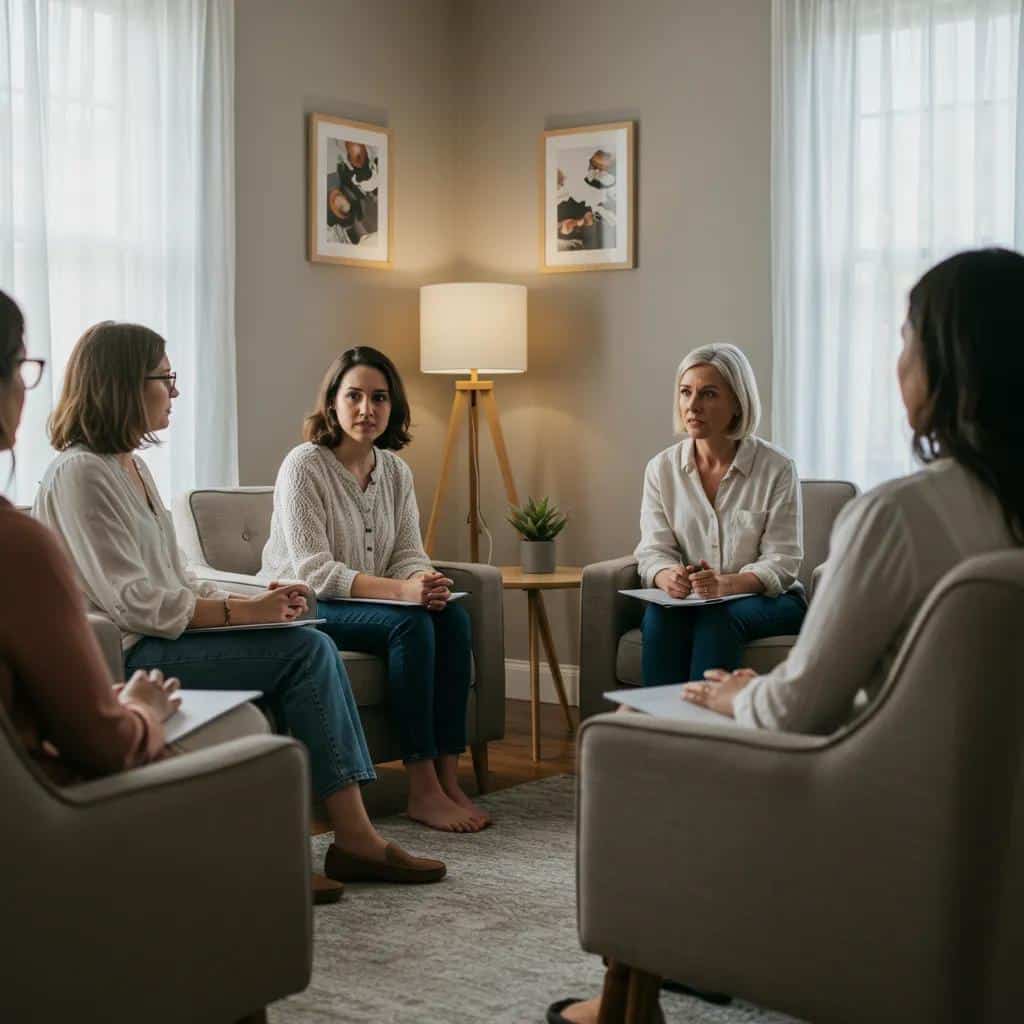
Depression and substance use disorders often go hand-in-hand for women, creating a dual diagnosis that requires specialized, gender-focused care and compassionate support. In 2024, around 20 percent of women experience clinical depression, and more than two-thirds of those entering addiction treatment report a co-occurring mental health condition. (suncountywellness.com) This guide explores co-occurring disorders, the advantages of gender-specific and trauma-informed rehab, Sun County Wellness’s personalized programs, how to navigate admissions and insurance, recognizing symptoms, family support, and emerging trends. You’ll gain a clearer understanding of integrated depression treatment for women and learn how to confidently begin your recovery journey.
Understanding Co-Occurring Disorders in Women and Their Significance
Co-occurring disorders, also known as dual diagnosis, refer to the simultaneous presence of a mental health condition, like depression, and a substance use disorder. This integrated treatment approach is crucial because untreated comorbidity can lead to higher relapse rates, more severe symptoms, and a diminished quality of life. Addressing both conditions together fosters sustained recovery, improves emotional regulation, and enhances overall health outcomes.
What Does Dual Diagnosis Treatment for Women Entail?
Dual diagnosis treatment for women is an integrated care model that addresses depression alongside addiction within a single, coordinated plan. By combining psychotherapy, medication management, and supportive therapies, this approach acknowledges the intricate connection between mood disorders and substance use. Women benefit from simultaneous interventions that consider hormonal influences, past trauma, and societal roles, leading to balanced results and a reduced risk of relapse.
Tackling both conditions together offers several advantages: it simplifies care coordination, minimizes conflicting treatment objectives, and builds resilience through cohesive support networks. This integrated method lays the foundation for lasting well-being and opens doors to holistic recovery strategies.
How Do Depression and Substance Use Disorders Intersect in Women?
Depression can often drive self-medication behaviors, where substances offer temporary relief from emotional pain but worsen mood symptoms over time. Conversely, chronic substance use alters brain chemistry, increasing vulnerability to depressive episodes. This two-way interaction creates a cycle where low mood and addictive behaviors feed into each other, necessitating coordinated interventions that target underlying neurobiological and psychosocial factors.
Understanding this interplay explains why isolated treatments often fall short: addressing depression without tackling addiction leaves triggers unaddressed, while addiction programs that overlook mood disorders allow persistent depressive symptoms to hinder progress. Integrated care bridges this gap by addressing both conditions concurrently.
What Biological, Psychological, and Sociocultural Factors Influence Women’s Dual Diagnosis?
Women’s unique biology—including hormonal shifts during menstrual cycles, pregnancy, and menopause—affects mood regulation and how substances are metabolized. Psychologically, higher rates of trauma, patterns of self-medication, and social stigma shape coping mechanisms, often contributing to depression and addiction. Sociocultural pressures, caregiving responsibilities, and feelings of isolation further increase risk by limiting access to care and support.
These interconnected factors create a complex vulnerability that requires treatments integrating trauma-informed methods, medication management sensitive to hormonal changes, and community-based support. Recognizing these influences ensures personalized and effective interventions.
Which Common Mental Health Conditions Often Co-Occur with Substance Use in Women?
Common co-occurring mental health conditions in women frequently include anxiety disorders, post-traumatic stress disorder (PTSD), and eating disorders. Each condition interacts uniquely with substance use, intensifying its severity and complicating recovery efforts.
Women experiencing anxiety may turn to alcohol or sedatives to calm their overactive nervous systems, while survivors of PTSD often self-medicate to numb intrusive memories. Eating disorders involve cycles of calorie restriction or binge-purge behaviors linked to emotional distress, with substances sometimes used to suppress appetite or manage weight.
Condition
Approximate Prevalence
Interaction Mechanism
Generalized Anxiety
30 percent
Misuse of sedatives for immediate anxiety relief
Post-Traumatic Stress Disorder
25 percent
Substance use to suppress trauma-related flashbacks
Eating Disorders
15 percent
Self-medication to cope with body image-related stress
These conditions highlight the necessity for comprehensive assessments and integrated treatment plans that address the full spectrum of mental health and addiction challenges.
How Women Benefit from Gender-Specific and Trauma-Informed Rehab
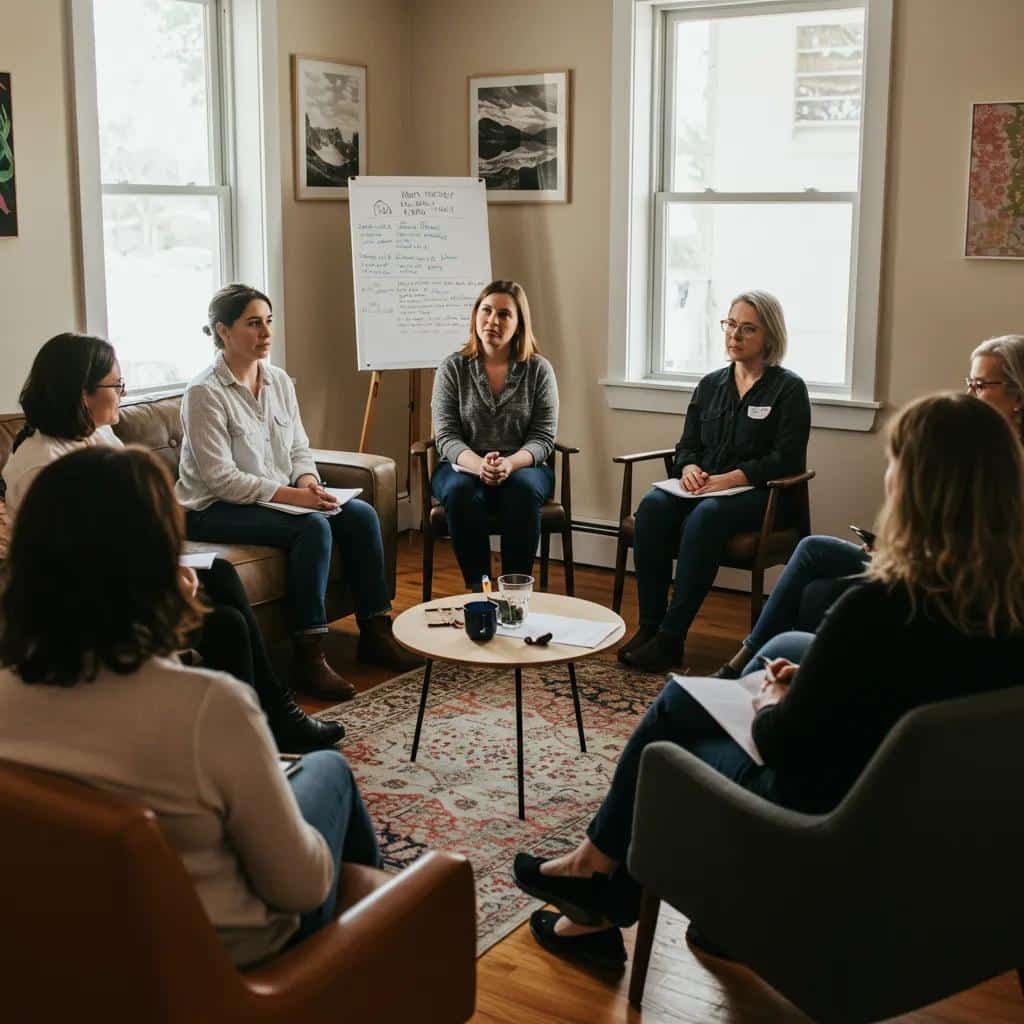
Gender-specific rehab offers an environment tailored to women’s unique life experiences, fostering a sense of safety and connection. Trauma-informed care acknowledges past harm and incorporates strategies to rebuild trust, enhance resilience, and minimize the risk of re-traumatization. Together, these approaches improve engagement, program retention, and long-term recovery outcomes for women facing depression and substance use disorders.
Why Is Gender-Specific Rehab More Effective for Women with Depression and Addiction?
Gender-specific rehab provides women with a private, understanding space free from gender-based stigma and power imbalances. Facilitators utilize female-focused curricula, address issues like the stresses of motherhood and relationship dynamics, and encourage peer support among women. This specialized environment enhances emotional safety, builds trust, and promotes open discussions about sensitive topics.
By concentrating on women’s specific roles and challenges, gender-specific settings help reduce shame, boost self-esteem, and cultivate lasting motivation for recovery. Women leave feeling empowered to apply their newly acquired coping skills in real-world situations.
“Gender-Specific Programming for Women’s Rehabilitation”
>
“Notably, the objective here is to highlight the need for gender-specific programming, specifically those designed with women and girls in mind.”
>
“Gender-specific programming and trauma-informed approaches, D Derlic, 2021”
What Is Trauma-Informed Care and How Does It Support Women’s Recovery?
Trauma-informed care is an approach that recognizes the widespread impact of past trauma on mental health and addiction. It involves creating safe environments, offering choices and collaboration, and emphasizing empowerment. Through stabilization techniques, grounding exercises, and personalized pacing, trauma-informed methods help women reframe their responses to trauma and regain a sense of control.
This methodology reduces the risk of re-traumatization, improves emotional regulation, and strengthens trust in the therapeutic relationship—all critical elements for sustained recovery from depression and substance misuse.
Which Evidence-Based Therapies Are Most Effective for Women’s Dual Diagnosis?
- 1Cognitive Behavioral Therapy (CBT): Helps identify and change negative thought patterns, replacing them with healthier coping strategies.
- 2Dialectical Behavior Therapy (DBT): Combines acceptance and change strategies to manage intense emotions and reduce self-harming behaviors.
- 3Eye Movement Desensitization and Reprocessing (EMDR): Facilitates the processing of traumatic memories to lessen their emotional impact.
- 4Trauma-Focused Therapy: Integrates psychoeducation and safety planning to address the root causes of trauma.
These therapies work synergistically to heal emotional wounds, strengthen coping mechanisms, and reduce both depressive and addictive behaviors.
How Do Holistic and Wellness Therapies Complement Traditional Treatment?

Integrative wellness therapies like yoga, mindfulness meditation, and nutrition counseling enhance conventional rehab by addressing the mind-body connection. Yoga promotes stress reduction and physical healing, mindfulness cultivates present-moment awareness, and personalized nutrition plans support brain health and mood stability.
These complementary practices reinforce therapeutic progress, encourage self-care habits, and empower women to maintain their well-being long after completing their program.
What Role Does Medication-Assisted Treatment (MAT) Play in Women’s Recovery?
Medication-Assisted Treatment combines FDA-approved medications with counseling and behavioral therapies to treat substance use disorders and co-occurring depression. MAT options such as antidepressants, naltrexone, and buprenorphine help stabilize brain chemistry, reduce cravings, and manage withdrawal symptoms. When used alongside psychotherapy, MAT improves treatment adherence, lowers relapse rates, and supports consistent mood regulation.
This integrated approach respects women’s biological differences and tailors medication plans to their hormonal cycles, enhancing both safety and effectiveness.
Specialized Rehab Programs at Sun County Wellness for Women
Sun County Wellness provides gender-responsive care through residential, outpatient, and day-treatment programs specifically designed for women dealing with depression and substance use disorders. Each program incorporates trauma-informed principles and evidence-based therapies within a supportive community that understands the unique challenges women face.
What Are the Features of Women’s Residential Treatment Programs?
Residential treatment at Sun County Wellness offers a 24-hour therapeutic environment where women participate in individual and group counseling, trauma-focused interventions, and structured life-skills workshops. This immersive setting allows for uninterrupted focus on healing, building peer connections, and restoring daily routines.
The facilities include private or semi-private rooms, nutritious meals, and wellness activities designed to promote physical and emotional balance. Residents receive consistent support and close clinical supervision, facilitating breakthroughs and stabilizing mood and behavioral patterns.
How Do Intensive Outpatient Programs (IOP) Support Women’s Recovery?
Intensive Outpatient Programs at Sun County Wellness enable women to attend therapy and skills groups several times a week while managing their home or work responsibilities. This flexible model integrates individual counseling, relapse prevention planning, and peer support, typically offered in the evenings or on weekends.
IOP serves as a crucial bridge between residential care and independent living, reinforcing recovery skills in real-world settings. Women develop strategies to resist relapse and receive ongoing clinical guidance as they move toward greater independence.
What Is Included in Partial Hospitalization Programs (PHP) for Women?
Partial Hospitalization Programs at Sun County Wellness provide structured day treatment five days a week, combining group therapy, one-on-one counseling, medication management, and holistic wellness sessions. PHP participants follow consistent schedules that incorporate evidence-based therapeutic approaches and wellness practices.
Who Are the Care Providers and What Is the Philosophy Behind Sun County Wellness?
The clinical team at Sun County Wellness comprises licensed therapists, addiction specialists, psychiatric providers, and holistic practitioners who collaborate to deliver integrated care. The core philosophy centers on empowering women through respectful partnerships, trauma-sensitive practices, and personalized treatment plans. This coordinated team approach ensures that each woman’s biological, psychological, and social needs guide her recovery journey.
Starting Your Rehab Journey: Admissions and Insurance Guidance for Women
Beginning rehab at Sun County Wellness involves clear steps and supportive guidance to minimize barriers and build confidence. The admissions and insurance verification processes are designed to be transparent, compassionate, and efficient, allowing women to concentrate on healing rather than administrative tasks.
What Are the Steps to Begin Rehab at Sun County Wellness?
To start treatment, women or their designated advocates complete an initial confidential assessment via phone or in person, discussing medical history, mental health status, and insurance coverage. A personalized treatment plan is then created, followed by scheduling an intake date. Pre-admission orientations introduce program expectations and address any questions about accommodations, daily schedules, and therapeutic activities.
This streamlined process ensures women and their families have a clear understanding of each phase, facilitating a smooth transition into care.
How Does Insurance Verification Work for Women Seeking Treatment?
Insurance verification at Sun County Wellness involves working closely with payers to confirm coverage for mental health and substance use services. The admissions team obtains authorization details, explains any deductible or copay responsibilities, and assists in exploring potential financial assistance options. By managing verification and authorization, the team reduces administrative burdens and speeds up program entry.
Women receive clear summaries of their benefits and out-of-pocket expenses before admission, ensuring financial clarity.
Which Insurance Providers Are Accepted for Women’s Dual Diagnosis Treatment?
Sun County Wellness collaborates with a variety of major commercial insurers, Medicaid plans, and managed care organizations to maximize access to integrated treatment. The admissions team can confirm participation with specific plans upon request, guiding women through coverage verification and pre-certification. This collaborative approach helps secure benefits for evidence-based therapies, residential stays, outpatient care, and medication management.
Recognizing the Signs and Symptoms of Depression and Substance Use in Women
Identifying the behavioral, emotional, cognitive, and physical indicators of co-occurring disorders is crucial for timely intervention. Women may present unique patterns of symptoms that require careful assessment and tailored support.
What Behavioral Indicators Suggest Co-Occurring Disorders in Women?
Behavioral signs include withdrawing from social activities, neglecting personal responsibilities, increased secrecy surrounding substance use, and inconsistent attendance at work or school. Women might exhibit impulsivity or engage in risky behaviors when experiencing depression or under the influence of substances. Such shifts in daily routines and relationships often signal the presence of intertwined mood and addiction issues.
These patterns warrant a professional evaluation to fully understand the scope of co-occurring conditions.
How Do Emotional and Cognitive Changes Manifest in Women with Dual Diagnosis?
Women may experience persistent feelings of sadness, hopelessness, or irritability, alongside difficulties with concentration, memory lapses, and indecisiveness. Catastrophic thinking can intensify cravings for substances, creating cognitive loops that perpetuate both depression and substance misuse. Mood swings, sometimes linked to hormonal fluctuations, further complicate emotional regulation.
Early identification of these changes allows for targeted interventions that restore mental clarity and improve coping abilities.
What Physical Symptoms Are Common in Women with Depression and Addiction?
Somatic symptoms can include chronic fatigue, sleep disturbances, changes in appetite, gastrointestinal issues, and unexplained aches or muscle tension. Substance use may lead to tremors, headaches, or cardiovascular irregularities. These physical manifestations are often overlooked as being connected to mental health or addiction, delaying comprehensive care.
A holistic assessment that integrates medical and psychiatric evaluations ensures all symptoms contribute to an effective dual diagnosis treatment plan.
How Families Can Support Women Through Rehab and Long-Term Recovery
Family involvement significantly enhances recovery, providing emotional encouragement, accountability, and practical assistance. Educating loved ones about depression and substance use helps build a supportive network that sustains progress beyond formal treatment.
What Role Does Family Support Play in Women’s Addiction and Depression Recovery?
Family support offers a sense of belonging, strengthens motivation, and reduces feelings of isolation. Loved ones can participate in therapy sessions, learn effective communication strategies, and help implement relapse prevention plans at home. Healthy family dynamics foster trust, model positive coping behaviors, and reinforce new recovery practices.
Active family engagement often correlates with improved treatment adherence and long-term well-being.
How Can Families Access Resources and Education for Supporting Recovery?
Sun County Wellness offers family education workshops, informational guides on co-occurring disorders, and referrals to community support groups. These resources cover communication techniques, boundary setting, and self-care practices. Families gain valuable tools to balance compassion with accountability, fostering healthy interactions and preventing codependency.
With this knowledge, families become essential allies in sustained recovery.
What Are Effective Aftercare and Relapse Prevention Strategies for Women?
Aftercare plans typically include ongoing outpatient counseling, participation in peer support meetings, structured wellness activities, and continued medication management as needed. Women develop personalized relapse prevention toolkits that identify triggers, outline coping strategies, and list emergency contacts. Regular check-ins with clinicians reinforce progress and allow for timely adjustments to the plan.
Comprehensive aftercare integrates recovery practices into daily life, reducing the likelihood of setbacks.
How Can Women Build a Supportive Community Post-Rehab?
Engaging in women-only support groups, community wellness classes, and volunteer activities helps foster connection and a sense of purpose. Peer mentorship programs pair women in recovery to share experiences and maintain accountability. These community connections replace isolation with shared goals and mutual encouragement, strengthening sobriety and emotional stability.
Sustained community involvement enriches long-term recovery and nurtures resilience.
Latest Trends and Statistics in Women’s Dual Diagnosis Treatment
Current data and evolving treatment models highlight both the challenges and opportunities in women’s mental health and addiction care. Integrating evidence-based practices with emerging therapies addresses complex needs and expands access to care.
How Prevalent Are Depression and Substance Use Disorders Among Women?
In 2024, approximately 20 percent of women experience clinical depression, and over two-thirds of those entering addiction treatment report a co-occurring mental health condition. (suncountywellness.com) Nearly 80 percent of women seeking substance abuse care disclose a history of trauma, underscoring the critical importance of trauma-informed approaches. (suncountywellness.com) These statistics emphasize the urgent need for integrated, gender-responsive services.
“Gender-Specific Programming for Women’s Rehabilitation”
>
“Notably, the objective here is to highlight the need for gender-specific programming, specifically those designed with women and girls in mind.”
>
“Gender-specific programming and trauma-informed approaches, D Derlic, 2021”
Why Is Integrated Treatment Critical for Women with Co-Occurring Disorders?
Integrated treatment minimizes fragmented care, ensures consistent therapeutic goals, and improves clinical outcomes. Research indicates that combined interventions can reduce relapse rates by up to 50 percent compared to sequential or standalone approaches. (suncountywellness.com) Women benefit from cohesive treatment planning that adapts to hormonal cycles, trauma histories, and family dynamics, fostering more sustainable recovery.
“Gender-Specific Programming for Women’s Rehabilitation”
>
“Notably, the objective here is to highlight the need for gender-specific programming, specifically those designed with women and girls in mind.”
>
“Gender-specific programming and trauma-informed approaches, D Derlic, 2021”
What Are Emerging Trends in Trauma-Informed and Holistic Care for Women?
Key trends include the use of digital telehealth platforms for remote trauma-focused therapy, AI-powered mood monitoring tools, personalized medication-assisted protocols, and the expansion of holistic services such as equine-assisted psychotherapy and nutrition-based mood stabilization. These innovations enhance accessibility, tailor care to individual needs, and improve engagement through diverse, woman-centered approaches. (suncountywellness.com)
Sun County Wellness provides integrated depression treatment for women by combining gender-specific, trauma-informed care with evidence-based therapies and holistic wellness strategies. Prospective clients and their families can initiate the admissions process with a confidential assessment and guided insurance verification to ensure timely access to comprehensive programs. Supportive communities and family education resources extend the healing process beyond formal treatment, while current trends and research inform ongoing program enhancements. Women seeking lasting recovery will find expert guidance, compassionate care, and a clear path forward at Sun County Wellness.