
Empowering Women: Tailored Self-Care for Addiction Recovery and Holistic Wellness
Women navigating addiction recovery thrive with strategies that honor their unique biological, psychological, and social landscapes. Hormonal shifts, past traumas, co-occurring mental health conditions, and societal pressures all shape a woman’s journey with substance use and her path to healing. This guide explores the vital role of gender-specific treatment, delves into trauma’s profound impact, introduces holistic self-care practices, outlines how to build a robust support network, details relapse prevention and enduring wellness routines, and explains how Sun County Wellness supports women through admissions and insurance verification. By weaving together targeted self-care and specialized clinical support, women discover a safer, more effective route to lasting sobriety.
Why Do Women Need a Different Approach to Addiction Recovery?
Women require a personalized recovery framework because their bodies and minds respond to substances differently than men’s, and their societal roles often amplify stress and stigma. Biological factors like metabolic rates and hormonal cycles influence the development of dependence and the intensity of withdrawal. Social expectations surrounding caregiving and appearance can foster guilt and isolation, while higher incidences of anxiety, depression, and trauma necessitate integrated mental health care. Addressing these interconnected influences leads to more compassionate and effective treatment. Understanding these nuances paves the way for targeted strategies that follow.
What Unique Biological Factors Affect Women’s Addiction and Recovery?
Women metabolize many substances more quickly and experience cravings linked to their menstrual cycles, leading to sporadic yet intense withdrawal and relapse risks. Hormones like estrogen and progesterone influence neurotransmitter systems involved in reward and stress, making hormonal fluctuations a key factor in vulnerability to certain substances. Brain imaging reveals that women develop addiction-related brain changes more rapidly than men, highlighting the critical need for early intervention. Balancing these physiological variables is essential for stability and long-term sobriety.
Biological Differences in Women’s Addiction
Factor
Characteristic
Impact on Recovery
Hormonal Fluctuations
Shifts in estrogen and progesterone levels
Can intensify cravings and affect mood
Metabolic Processing
Faster clearance of substances like alcohol
Influences dosage thresholds and withdrawal experiences
Neurobiological Response
More rapid neuroadaptation to substances
Can accelerate dependence and increase relapse risk
These distinctions underscore why gender-informed protocols are crucial, often proving more effective than generalized approaches.
“Gender Considerations in Addiction Treatment for Women”
>
“Clinicians should consider patient gender, as well as hormonal and other biological factors, when making treatment recommendations. Women are at greater risk for a variety of medical and psychosocial consequences, and may benefit from pharmacological and/or behavioral therapies that differ from those most beneficial for men. Pregnancy and gender identity also warrant special consideration.”
How Do Social and Cultural Pressures Influence Women’s Addiction?
Societal expectations for women to uphold caretaking roles and maintain emotional composure often lead to shame-driven secrecy surrounding substance use. Judgment from family or peers can deter women from seeking help, while financial dependence or fear of losing child custody can intensify stress. Cultural norms that stigmatize female addiction exacerbate isolation and hinder open communication within treatment settings. Recognizing these pressures allows programs to cultivate safe, nonjudgmental environments where women can reclaim their agency and self-worth.
Why Are Co-Occurring Mental Health Disorders More Common in Women?
Women entering recovery frequently experience co-occurring anxiety, depression, or post-traumatic stress disorder, necessitating dual-diagnosis treatment models. Higher rates of mood and stress disorders often stem from complex interactions between neuroendocrine systems and life experiences, such as interpersonal violence. Integrated treatment that concurrently addresses substance use and mental health significantly improves treatment retention and outcomes. This comprehensive perspective ensures that emotional healing is a foundational element of sustainable self-care routines.
How Does Trauma Impact Women’s Addiction Recovery?
Trauma profoundly influences addictive behaviors by altering the brain’s stress response systems and impairing emotional regulation. Experiences of abuse, loss, or chronic stress can lead to coping mechanisms that often involve substances to numb emotional pain. Trauma-informed recovery acknowledges how past events shape triggers and relapse patterns, then equips women with skills for safety, trust, and empowerment. Integrating therapeutic techniques that validate traumatic histories accelerates healing and reduces the likelihood of recurrence.
What Types of Trauma Commonly Affect Women in Recovery?
Women often report trauma stemming from intimate partner violence, childhood abuse, sexual assault, and systemic oppression as common precursors to addiction. Each form of trauma leaves distinct emotional and physiological imprints, ranging from hypervigilance to dissociation. Acknowledging this spectrum guides the development of individualized care plans that honor personal histories and foster resilience.
Types of Trauma Affecting Women
Trauma Type
Prevalence
Recovery Consideration
Intimate Partner Violence
High
Requires safety planning and trust-building
Childhood Abuse
Very high
Focuses on attachment repair and boundary setting
Sexual Violence
Significant
Involves stabilization and gradual exposure work
Identifying these prevalent trauma categories is essential for tailoring effective interventions within clinical programs.
“Women and Addiction: A Trauma-Informed Approach to Recovery”
>
“In women’s treatment programs, sensitivity to trauma related issues is critical for a healing environment. Trauma-informed care recognizes the widespread impact of trauma and understands potential paths for recovery. It involves creating a safe and supportive atmosphere that acknowledges and addresses the unique experiences of women in recovery, particularly concerning past trauma.”
How Does Trauma-Informed Care Support Women’s Healing?

Trauma-informed care prioritizes creating environments where women feel physically and emotionally secure, where their choices are respected, and where collaboration is central. Techniques such as grounding exercises, psychoeducation, and somatic therapies help restore a sense of control. Validating survivors’ experiences reduces shame and encourages the development of adaptive coping strategies. This respectful framework promotes engagement and nurtures self-compassion as a vital component of recovery.
“Trauma-Informed Services for Women in Addiction Recovery”
>
“Trauma-informed care principles are essential for women who have experienced substance abuse and trauma. The goal of trauma-informed crisis intervention is to allow the woman to feel safe and in control, which is a crucial step in her recovery journey. This approach acknowledges that trauma can significantly impact an individual’s ability to engage in and benefit from treatment.”
How Are Safe Spaces Created in Gender-Specific Treatment Programs?
Gender-specific programs establish secure environments by minimizing triggers associated with mixed-gender interactions, utilizing facilitators trained in addressing women’s trauma, and offering women-only group sessions. Strict privacy protocols, shared leadership opportunities, and peer-led activities are implemented to cultivate trust. These measures encourage open dialogue and mutual support, enabling women to discuss sensitive issues without fear of judgment.
What Are Effective Holistic Self-Care Strategies for Women in Recovery?
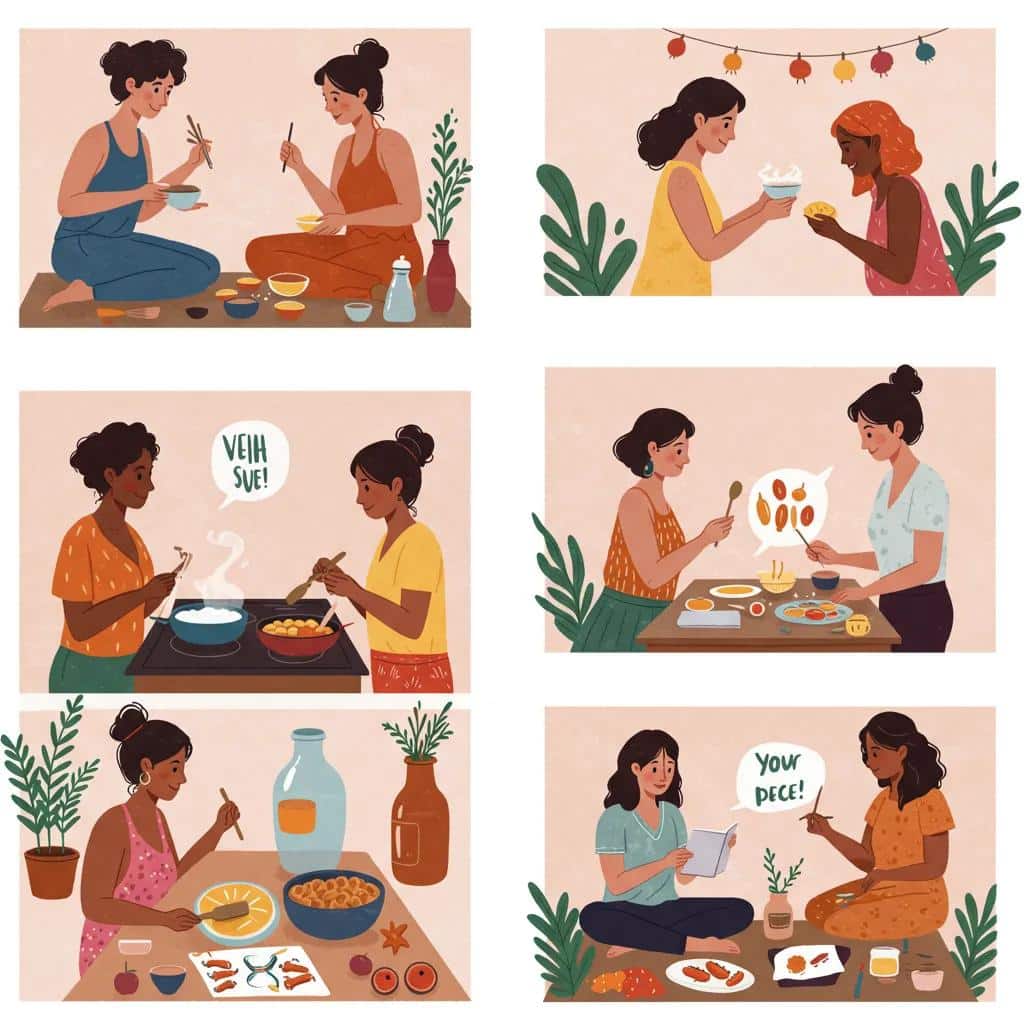
Holistic self-care nurtures the entire person—mind, body, and spirit—to strengthen sobriety and enhance overall well-being. Integrating mindfulness, physical activity, creative expression, and balanced nutrition helps counteract stress, promote emotional equilibrium, and rebuild self-confidence. Cultivating these practices empowers women to manage triggers effectively, foster resilience, and celebrate their personal growth. Embracing diverse modalities supports sustained recovery and deepens self-awareness.
How Do Mindfulness and Meditation Support Women’s Sobriety?
Mindfulness and meditation cultivate present-moment awareness, helping to interrupt the rumination patterns that often fuel cravings. By observing thoughts without judgment, women develop greater emotional regulation and stress resilience. Group mindfulness sessions also foster stronger communal bonds, reducing feelings of isolation. These practices enhance neural pathways associated with self-control and can lower the risk of relapse.
Mindfulness Techniques Tailored for Women
- Begin each day with a brief body-scan meditation to identify and release habitual tension and stress.
- Practice guided loving-kindness meditations specifically designed to rebuild self-compassion after trauma.
- Utilize breath-focused anchoring techniques during moments of craving to create a crucial pause between impulse and reaction.
These techniques equip women with essential self-soothing skills that translate into effective everyday coping strategies.
What Role Does Physical Wellness and Nutrition Play in Recovery?
Physical wellness, achieved through regular movement and a balanced diet, helps restore the metabolic balance disrupted by substance use. Weight-bearing exercises support bone health, while cardiovascular activity can reduce anxiety and improve sleep quality. Nutrient-dense foods, emphasizing hydration, lean proteins, and whole grains, stabilize mood and energy levels. Addressing nutritional deficiencies accelerates tissue repair and enhances cognitive clarity, reinforcing the gains made in recovery.
How Can Creative Expression and Art Therapy Aid Healing?
Art therapy utilizes creative mediums—such as painting, writing, and movement—to process emotions nonverbally and explore traumatic memories in a safe manner. Structured activities guide women through the symbolic representation of pain and hope, facilitating insight and emotional release. Participating in group art projects fosters empathy and solidarity, strengthening social connections and personal empowerment.
How Can Women Build a Strong Support System During Addiction Recovery?
A robust support network provides the accountability, encouragement, and shared understanding that are critical for maintaining sobriety. Women benefit from diverse connections—including peer groups, family involvement, and community resources—that validate their experiences and reinforce self-care habits. Cultivating trust, establishing healthy boundaries, and engaging in communal empowerment activities solidify protective factors against relapse. These social anchors nurture confidence and a sense of belonging throughout all stages of recovery.
Why Are Peer Support Groups Essential for Women’s Recovery?
Peer support groups offer a nonjudgmental space where women can share their struggles and successes with others who genuinely understand their journey. The act of listening and sharing stories fosters mutual validation and normalizes the recovery process. Group accountability encourages consistent attendance at meetings and adherence to self-care routines. This shared environment amplifies motivation and diminishes feelings of isolation.
Peer Support Group Models for Women
Model
Focus
Benefit
12-Step Women’s Meetings
Spiritual connection and fellowship
Provides structured progression and a sense of community
Trauma-Informed Circles
Safety, validation, and shared healing
Facilitates healing through guided sharing in a secure environment
Skill-Building Workshops
Developing coping strategies
Offers practical tools for navigating daily challenges
These models demonstrate how structured peer environments effectively reinforce self-care skills and foster mutual trust.
How Does Family Involvement Affect Women’s Healing and Boundaries?
Engaging family members in educational sessions and therapy helps clarify roles, set realistic expectations, and repair relational dynamics. Teaching relatives about healthy boundary setting prevents enabling behaviors and promotes supportive interactions. Family support can reduce guilt and shame, allowing women to focus on their self-care without fear of judgment. Constructive family involvement enhances accountability and strengthens interpersonal healing.
Healthy Boundaries in Family Support
- Establish clear expectations for respectful communication and confidentiality within the family.
- Define specific times for family check-ins, ensuring dedicated periods for self-care.
- Encourage family members to participate in educational workshops focused on addiction and trauma.
These boundary agreements uphold women’s autonomy and create predictable, supportive relational environments.
How Does Community Empowerment Enhance Long-Term Wellness?
Community empowerment initiatives, such as volunteer opportunities, advocacy groups, and wellness circles, enable women to discover purpose beyond their recovery journey. Contributing their skills and experiences fosters self-esteem and promotes social integration. Participating in community service also reinforces a sense of giving back, which boosts motivation and reduces isolation. Engaged women cultivate lasting connections that extend the benefits of recovery into their everyday lives.
What Are Key Relapse Prevention Techniques and Long-Term Self-Care Practices for Women?
Relapse prevention is built upon anticipating triggers, developing adaptive coping mechanisms, and integrating self-care into daily routines. Women learn to recognize early warning signs—such as emotional distress, environmental cues, or hormonal shifts—and activate personalized response plans. Sustained sobriety relies on ongoing self-monitoring, effective use of support systems, and lifestyle adjustments that honor physical, emotional, and social health. This proactive framework is essential for safeguarding long-term wellness.
How Can Women Develop Healthy Coping Mechanisms to Prevent Relapse?
Women can prevent relapse by replacing substance use with constructive coping tools like journaling, progressive muscle relaxation, or reaching out to peers. Cultivating emotional literacy through cognitive-behavioral techniques empowers them to reframe negative thoughts into more productive perspectives. Incorporating “time-out” rituals, such as nature walks or creative breaks, provides restorative pauses during stressful periods. These adaptive habits strengthen resilience and reduce reliance on unhealthy behaviors.
Coping Skills for Emotional Regulation
Skill
Mechanism
Outcome
Reflective Journaling
Expressive writing to process thoughts and feelings
Clarifies emotions and reduces rumination
Progressive Muscle Relaxation
Systematic tensing and releasing of muscle groups
Lowers physiological stress levels and promotes calm
Scheduled Check-Ins
Regular calls or meetings with peers or mentors
Maintains accountability and ensures ongoing support
These skills anchor daily routines in mindful self-care and proactive stress management.
What Self-Care Practices Sustain Sobriety Over Time?
Consistent self-care practices, including regular mindfulness check-ins, balanced nutrition, adequate sleep, and engaging in creative outlets, help maintain mental equilibrium and reduce vulnerability to triggers. Periodic reviews of personal goals and gratitude exercises reinforce progress and cultivate optimism. Participating in educational workshops and retreats can renew motivation and introduce new coping strategies, sustaining momentum in recovery.
How Do Women Navigate Life Challenges Post-Treatment?
Transitioning back to everyday life involves integrating newly acquired self-care habits into existing responsibilities. Structured planning for potential stressors—such as work deadlines, family obligations, or social events—includes practicing refusal skills and scheduling restorative activities. Building flexible routines that can adapt to life changes ensures continuous support, while periodic therapy or group attendance provides ongoing reinforcement of healthy behaviors.
How Does Sun County Wellness Provide Gender-Specific Addiction Treatment and Support?
Sun County Wellness offers women-centered programs that blend clinical expertise with holistic modalities to address unique recovery needs. Our specialized staff, trained in trauma-informed psychotherapy, guide each step of the journey, while group sessions foster peer connection and shared healing. Comprehensive care plans integrate individual therapy, nutritional counseling, mindfulness workshops, and creative arts, ensuring balanced attention to emotional, physical, and social well-being. This tailored approach reflects a deep understanding of women’s life contexts and recovery aspirations.
What Women’s Programs and Therapies Does Sun County Wellness Offer?
Sun County Wellness provides gender-responsive tracks that include individual counseling, dialectical behavior therapy (DBT), trauma-informed group therapy, mindfulness-based stress reduction (MBSR), nutritional coaching, and art therapy workshops. Each program component aligns with evidence-based practices designed to restore emotional regulation, enhance self-esteem, and rebuild trust. Women can select modalities that best suit their preferences and stage of recovery, fostering engagement and ownership of their healing process.
How Does Sun County Wellness Integrate Trauma-Informed and Holistic Care?
Trauma-informed protocols at Sun County Wellness begin with thorough history intake and safety planning, followed by somatic therapies such as yoga and EMDR. Holistic elements—including guided meditation, nutrition seminars, and expressive arts—complement clinical sessions to promote mind-body coherence. Multidisciplinary collaboration ensures seamless coordination among therapists, dietitians, and peer support facilitators, resulting in a unified care experience that honors each woman’s individual journey.
How Can Women Begin the Admissions and Insurance Verification Process?
Women can initiate the admissions process by contacting the Sun County Wellness admissions team for a confidential intake assessment and insurance benefits review. This initial step clarifies coverage details and potential out-of-pocket expenses, setting clear expectations before enrollment. A licensed clinician then evaluates individual needs to develop a personalized treatment plan. Throughout the verification process, our administrative staff provide guidance to women and their families, streamlining paperwork to ensure timely access to care.
Step-by-Step Admissions Guide at Sun County Wellness
- 1Initial Inquiry: Reach out to our admissions department to discuss your needs and explore program options.
- 2Benefits Verification: Share your insurance details so we can confirm coverage and assist with cost planning.
- 3Clinical Assessment: Complete a comprehensive health and history evaluation with one of our licensed professionals.
- 4Customized Plan: Collaboratively develop a treatment schedule that integrates gender-specific and holistic elements tailored to you.
- 5Program Entry: Begin your therapeutic sessions, wellness workshops, and support group enrollment.
This straightforward pathway is designed to reduce uncertainty and empower women to confidently take the first step toward recovery.
What Are Common Questions About Self-Care in Women’s Addiction Recovery?
Why Is Gender-Responsive Treatment More Effective for Women?
Gender-responsive treatment is more effective because it specifically addresses women’s unique biological, emotional, and social needs. By incorporating elements like hormone awareness, trauma-informed methods, and peer-led groups, it enhances engagement, reduces dropout rates, and improves long-term sobriety outcomes.
How Does Trauma Affect Women Differently in Addiction Recovery?
Trauma significantly impacts women’s stress responses and emotional regulation, contributing to higher rates of co-occurring PTSD and depression. Tailored trauma-informed care is crucial for restoring safety, building resilience, and minimizing relapse triggers.
What Are the Benefits of Holistic Self-Care for Women in Recovery?
Holistic self-care offers numerous benefits by combining mindfulness, nutrition, physical activity, and creative therapies. These practices help balance hormones, stabilize mood, support brain repair, and foster self-compassion, leading to more sustained well-being and a reduced risk of relapse.
How Can Women Maintain Sobriety Through Self-Care Practices?
Women can maintain sobriety by integrating daily self-care routines such as mindfulness breaks, balanced meals, restorative sleep habits, peer support check-ins, and journaling. These practices collectively strengthen coping mechanisms and reinforce a resilient mindset.
Sustaining a recovery journey that honors women’s distinct needs requires a synergy of specialized clinical treatment and personalized self-care rituals. By embracing gender-specific programs, trauma-informed practices, and holistic wellness strategies—all facilitated by Sun County Wellness—women gain the essential tools and unwavering support needed for lasting health, empowerment, and freedom from addiction.