

Clinically Reviewed By Brittany Astrom - LMFT
Brittany has 15 years of experience in the Mental Health and Substance Abuse field. Brittany has been licensed for almost 8 years and has worked in various settings throughout her career, including inpatient psychiatric treatment, outpatient, residential treatment center, PHP and IOP settings.
Sexual Trauma Recovery
Sexual trauma can leave deep emotional scars and affect every part of a person’s life. At Sun County Wellness, we provide a safe space for women to begin the healing process after a traumatic experience. Our programs focus on helping survivors regain a sense of control, improve mental health, and rebuild meaningful relationships.
Understanding Sexual Trauma
Sexual trauma refers to any unwanted sexual activity, including sexual assault, sexual abuse, or rape. This type of trauma can happen at any age and often causes long-term trauma symptoms such as Post-Traumatic Stress Disorder (PTSD), anxiety, and depression. Each reaction to trauma is personal, and no two responses are the same. The trauma of rape and other forms of sexual abuse can impact a person’s sense of safety and trust in others.
The Journey of Recovery
Recovery from sex-related trauma is a challenging process. It involves facing the emotional and physical effects of trauma while working toward resolution and stability. Healing looks different for every person. Some may struggle with avoidance behavior, mood swings, or physical sensations like chronic pain or unpleasant sensations triggered by certain memories. Others may find it difficult to engage in sexual behavior or experience sexual dysfunction, especially with physical touch or intimate relationships.
Impact of Sexual Trauma
Psychological Effects
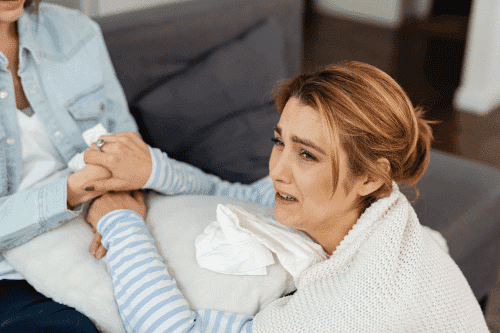
Sexual trauma can lead to multiple mental health conditions, including anxiety disorder, depression, and suicidal ideation. Common symptoms include fear, guilt, shame, and intrusive thoughts. These emotional responses are a normal reaction to a traumatic event. Survivors may also face disruptions in personal identity and struggle to maintain healthy relationships or interpersonal connections.
Physical and Emotional Consequences
The aftermath of trauma can bring on both physical pain and emotional distress. Survivors might report bodily sensations such as fatigue, headaches, or gastrointestinal issues. Emotional responses like anger, fear, and helplessness often interfere with daily life and sexual function.
Long-term Effects
Long-term effects may include posttraumatic stress disorder, sexual disorders, and difficulty maintaining personal safety. Survivors of child sex abuse or adult survivors of sexual trauma may carry unresolved trauma symptoms for years. Avoidance of people, fear of physical contact, or trouble forming intimate relationships are common outcomes.
Therapeutic Strategies
Professional Help and Therapy
Working with a mental health professional is vital for recovery. Sexual trauma therapy may involve behavioral therapy, psychodynamic therapy, Somatic therapy, or sex therapy. These approaches help address the emotional, physical, and behavioral aspects of trauma. Individual therapy sessions and one-on-one sessions allow survivors to explore their personal experiences in a supportive environment.
Stages of Recovery
Immediate Response
This acute phase includes shock, numbness, and feelings of disbelief. Survivors may struggle with personal space, sleep disturbances, or avoidance behavior. It’s important to provide care from psychiatrists and access to medical care, especially when dealing with rape trauma syndrome.
Outward Adjustment
In this phase, survivors begin trying to return to a sense of normalcy while still experiencing emotional regulation difficulties, mood swings, and distressing events.
Integration Phase
This stage involves making sense of the traumatic event and learning coping skills such as grounding techniques, relaxation techniques, and deep breath exercises. Bilateral stimulation, used in Eye Movement Desensitization and Reprocessing (EMDR), can also support emotional processing during this time.
Building Supportive Networks
Family and Friends
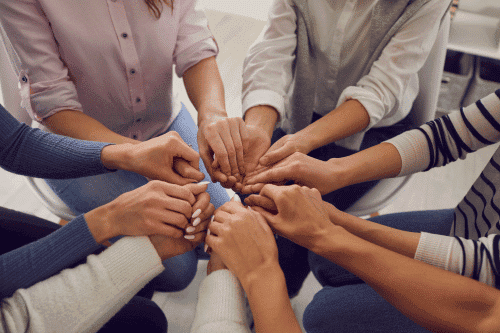
Supportive people play a vital role in the recovery process. Listening without judgment, respecting personal space, and offering a consistent presence can help survivors feel safe and understood.
Support Groups
Groups that bring together sexual abuse survivors and rape survivors provide validation and connection. These groups support shared healing through the exchange of experiences.
Online Communities
Online therapy platforms and digital support communities offer space for individuals who may not be ready to attend in-person sessions. Resources for survivors are often available through these platforms in conjunction with therapy.
Practicing Self-Care
Mindfulness and Relaxation Techniques
Practices like deep breathing, meditation, and body scanning exercises help regulate bodily sensations and reduce anxiety. These tools also support emotional stability when faced with triggering situations.
Physical Health and Well-being
Paying attention to physical health can reduce trauma symptoms. Regular exercise, balanced meals, and sleep routines help support both mental and physical recovery.
Creative Outlets
Art, music, or journaling allows survivors to express and release emotions that may be hard to verbalize. These activities can promote a sense of control and connection to self.
Processing Emotions
Understanding and accepting feelings of shame, guilt, or anger is key to the healing journey. Therapy offers a safe environment to confront and work through these difficult emotions.
Overcoming Shame and Guilt
Sexual trauma often leads to a distorted sense of guilt or shame. Therapy for survivors works to challenge these internalized beliefs and foster a healthier view of the self.
Managing Anxiety and Depression
Mental health treatment can help regulate mood swings, reduce intrusive thoughts, and support survivors in creating daily routines that support stability.
Building Resilience
Resilience grows through self-compassion, access to therapy, and connection to others. Over time, survivors can learn to reclaim their personal identity and build meaningful relationships again.
Special Considerations
Childhood Trauma
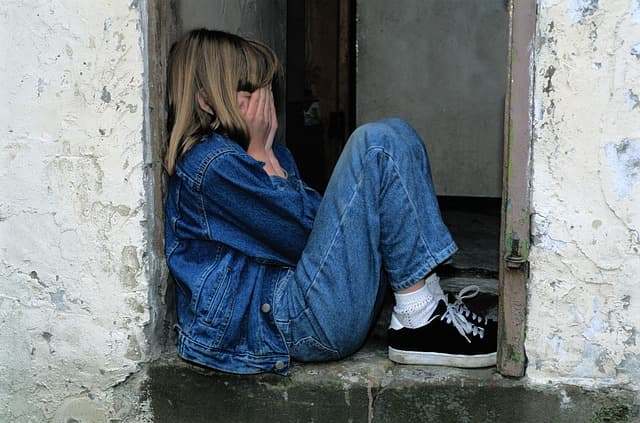
Survivors of child sex abuse may face unique challenges in adulthood. Therapy focused on CHILD SEX abuse and its late effects can help address trauma that started early in life.
Military Experience Trauma
Sexual abuse in the military may involve additional layers of betrayal and power imbalance. Specialized treatment for rape trauma in this setting should include safe space environments and trauma-informed care.
Rape Trauma Syndrome
This condition includes a range of symptoms—emotional, behavioral, and physical—that follow the trauma of rape. Treatment for rape trauma includes education about the trauma response, medical care, and emotional support.
Resources and Support
Mobile Apps for Recovery
Apps such as PTSD Coach or Calm provide immediate tools for grounding, managing current symptoms, and tracking recovery goals.
Organizations and Hotlines
- RAINN (Rape, Abuse & Incest National Network)
- National Sexual Violence Resource Center
- StrongHearts Native Helpline
These organizations provide support, education, and 24/7 assistance through hotlines and online assessment tools.
Counseling Services in Multiple Languages
Therapy services are available in various languages, ensuring access to care for survivors from diverse backgrounds. This includes options for individual sessions and assessment tools that meet cultural and linguistic needs.
Inspirational Stories of Recovery
Shared Experiences and Narratives
Reading or listening to survivor stories can offer hope and strength. These narratives show the wide range of emotional and physical reactions to trauma—and the possibility of healing.
The Power of Community
Recovery happens faster in supportive environments. A strong network of family, friends, and professionals helps survivors feel empowered to take steps forward after a traumatic experience.
At Sun County Wellness, we understand the lasting impact of sexual trauma. Our women-only programs offer trauma-informed care in a safe, private setting. If you or someone you know is looking for support, we’re here to help guide you through the recovery process with compassion and respect.

Seeking Treatment? We Can Help
At Sun County Wellness, as an in-network provider we work with most insurance plans, such as:
If you or a loved one are struggling with mental health challenges or substance abuse, reach out to Sun County Wellness today. Our team of compassionate professionals is here to support your journey towards lasting well-being. Give us a call at 949-993-1149
Visit SAMHSA or contact us today for more inforamtion.