
Finding support for drug addiction can feel overwhelming, but women in 2026 have more options than ever for gender-specific, flexible care. Whether you’re seeking help for yourself or a loved one, understanding your options is the first step toward recovery.
Key Takeaways
- Drug addiction is a treatable medical condition, not a moral failing. Women can access gender-specific outpatient care at Sun County Wellness in San Juan Capistrano, CA.
- For immediate help: call 911 for life-threatening emergencies, the 988 Suicide & Crisis Lifeline for emotional distress, or the SAMHSA National Helpline (1-800-662-HELP) for 24/7 confidential treatment referrals and information.
- Research shows that effective addiction treatment often combines medication with behavioral therapy or counseling, addressing the whole person and their specific needs.
- Sun County Wellness offers women-only PHP, IOP, traditional outpatient, and virtual programs designed to fit around family, work, and daily responsibilities.
- Insurance verification and ongoing aftercare support are available so women can start safely and maintain long-term recovery.
Finding Immediate Help for Drug Addiction
If you’re in crisis right now, take a breath. Fear and confusion are normal, but concrete help exists.
When to call 911:
- Suspected opioid overdose (unconsciousness, breathing below 12 breaths per minute)
- Seizures or chest pain
- Signs of self-harm or harm to others
Naloxone (Narcan) nasal spray is available over-the-counter in California pharmacies as of 2026, with data showing 40,000+ lives saved nationwide from bystander administration.
The 988 Suicide & Crisis Lifeline operates 24/7 via voice, text, or chat for emotional distress and mental health crises. For substance use resources, the Substance Abuse and Mental Health Services Administration (SAMHSA) provides central tools to locate professional help through their National Helpline at 1-800-662-HELP (TTY: 1-800-487-4889), which fields over 833,000 calls yearly and connects 75% of callers to local options within 24-48 hours, including Spanish-language services.
For non-emergency support, Sun County Wellness offers rapid outpatient admission for women in Orange County, with same-week assessments often available.

Understanding Drug Addiction and Substance Use Disorders
Drug addiction is clinically known as a substance use disorder (SUD), defined using DSM-5-TR criteria as of 2024-2026. According to the American Psychiatric Association, signs of substance use disorder include a strong desire to use the substance, unsuccessful attempts to cut down, and continued use despite negative consequences.
Common substances involved include prescription opioids, fentanyl, benzodiazepines, methamphetamine, cocaine, alcohol, and cannabis—all of which hijack the brain’s reward system, particularly the mesolimbic dopamine pathway.
The symptoms of substance use disorder can vary based on the type of substance used and can include a range of behavioral and physical signs. Common symptoms of substance use disorder may include withdrawal symptoms, tolerance, and neglecting responsibilities due to substance use.
Women face unique challenges with drug and alcohol abuse. They often experience faster progression called “telescoping”—moving from first use to dependence within 3-4 years versus 5-6 for men. Up to 60% of women in treatment have co-occurring depression or anxiety, and 30-50% have PTSD linked to trauma. A practical example: a woman misusing prescription painkillers after surgery might escalate from 5mg hydrocodone daily to 80mg within months due to pharmacokinetic differences.
Diagnosis: How Professionals Evaluate Drug Addiction
A thorough evaluation combines detailed interviews, standardized screening tools, and lab tests when needed. This process is typically conducted by psychiatrists, psychologists, licensed clinical social workers, or a mental health professional trained in substance use. The American Society of Addiction Medicine (ASAM) is a professional organization that helps find specialized physicians for complex cases.
DSM-5-TR criteria classify severity by symptom count:
- Mild: 2-3 symptoms
- Moderate: 4-5 symptoms
- Severe: 6+ symptoms
Blood, urine, or saliva drug screens confirm recent drug use and monitor treatment progress but cannot prove addiction alone—behavioral context is essential.
For women, dual diagnosis treatment is critical. Screening for depression, bipolar disorder, PTSD, and trauma history occurs during the same evaluation. At Sun County Wellness, intake assessments for adult women are confidential, lasting 60-90 minutes, reviewing medical history, current medications, mental health symptoms, and family responsibilities.
Treatment Options for Drug Addiction
There is no one-size-fits-all cure for drug addiction, but well-researched treatment programs help women stop using, stabilize mental health problems, and rebuild their lives.
Recovery from drug addiction often involves a combination of immediate crisis support, professional medical treatment, and long-term peer support. Treatment is often a “continuum of care,” moving from high-intensity to lower-intensity settings as recovery progresses.
Effective treatment for addiction is tailored to the individual, addressing their specific drug use patterns and any related medical, mental, and social issues, and may include a combination of medication and behavioral therapies.
Treatment Programs and Levels of Care
Inpatient/residential treatment provides 24-hour care in a hospital or specialized facility, best for severe cases or those lacking a stable home environment. Inpatient/residential treatment typically lasts for 30, 60, or 90 days.
Sun County Wellness specializes in outpatient care for women who can safely live at home:
Level
Intensity
Best For
PHP
5 days/week, 25-30 hours
Stepping down from residential or needing intensive structure
IOP
3-5 days/week, 9-20 hours
Balancing recovery with childcare or work
OP
Weekly/biweekly sessions
Women further along in recovery needing accountability
Virtual
Telehealth groups and individual sessions
Transportation barriers or added privacy needs
Outpatient programs involve scheduled sessions while living at home, ranging from Intensive Outpatient Programs (IOP) to standard weekly counseling.
Withdrawal Management and Detox Support
Detoxification (detox) is a medically supervised withdrawal to safely manage physical symptoms. Treatment programs for substance use disorder typically include withdrawal therapy, which aims to help individuals safely stop using addictive drugs, and may require hospitalization or outpatient care depending on the severity of the addiction.
Common withdrawal symptoms by substance:
- Opioids: Flu-like symptoms peaking days 2-3
- Benzodiazepines: Seizure risk (20-30%)
- Alcohol: Delirium tremens risk (5-15%)
- Stimulants: “Crash” with depression and fatigue
Attempting to stop taking certain substances “cold turkey” alone can be dangerous. Sun County Wellness partners with local detox facilities in Southern California, then supports women after detox—monitoring symptoms, coordinating with prescribers, and stabilizing sleep and anxiety.
Typical path: Hospital detox → PHP at Sun County Wellness → IOP → OP → alumni/aftercare group.
Medication as Part of Treatment (MAT)
Medication-Assisted Treatment (MAT) combines FDA-approved medications with counseling for addiction to opioids or alcohol. This approach uses FDA-approved medications combined with behavioral therapy to treat opioid or alcohol use disorders—it’s not “substituting one drug for another.”
Medications such as buprenorphine, methadone, and naltrexone are often used as part of the treatment for opioid addiction, helping to reduce drug cravings and prevent relapse:
- Buprenorphine (Suboxone): 8-16mg daily, 70% retention vs. 20% placebo
- Methadone: Full agonist via specialized clinics
- Naltrexone (Vivitrol): Monthly injection, 50% relapse reduction
For alcohol abuse, options include naltrexone, acamprosate, and disulfiram.
Behavioral therapy can enhance the effectiveness of medications used in addiction treatment and help individuals remain in treatment longer. At Sun County Wellness, prescribing is coordinated with trusted medical partners, customized for each woman’s health history and pregnancy considerations.
Behavioral Therapies and Holistic Care
Behavioral therapies like Cognitive Behavioral Therapy (CBT) help individuals recognize, avoid, and cope with triggers related to addiction. Understanding addiction triggers and building coping skills are vital components of behavioral therapy.
Behavioral therapies help people in drug addiction treatment modify their attitudes and behaviors related to drug use, enabling them to handle stressful situations and various triggers that might cause relapse.
Evidence-based approaches at Sun County Wellness include:
- CBT: Restructures cognitive distortions (60% efficacy in cue reactivity)
- DBT: Addresses emotion dysregulation
- EMDR/TF-CBT: Trauma-focused therapy (70% PTSD remission)
- Motivational enhancement therapy: Builds readiness for change
- Contingency management: Reinforces positive behaviors related to recovery
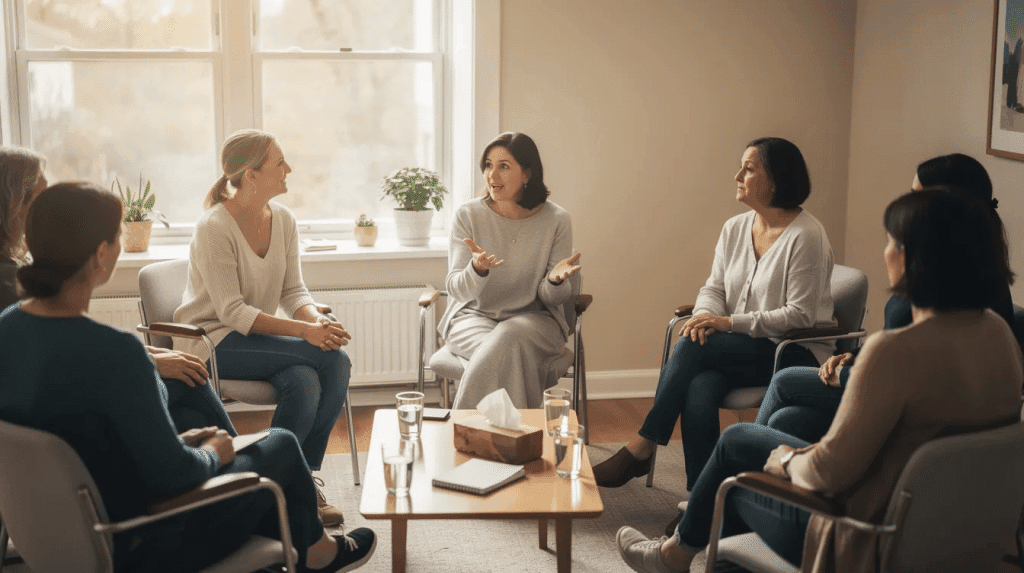
Gender-specific, women-only group therapy allows discussion of topics like motherhood, body image, and relationship violence. Holistic services—mindfulness, yoga, nutrition guidance, creative therapies—support nervous system regulation and stress relief in the center’s calming San Juan Capistrano setting.
Self-Help Groups and Community Support
Engaging in self-help support groups can significantly decrease feelings of shame and isolation, which are factors that can lead to relapse.
Different types of support groups include:
- Narcotics Anonymous (NA): A community-based group for people recovering from drug addiction
- Alcoholics Anonymous: 12-step fellowship for alcohol recovery
- SMART Recovery: CBT-based alternative (40% retention)
- Refuge Recovery: Buddhist-informed approach
Family members benefit from Al-Anon and Nar-Anon, which help loved ones understand addiction and set healthy boundaries without enabling use.
Sun County Wellness staff help women find support groups matching their values, schedules, and childcare needs. Post-COVID, 5,000+ virtual meetings remain available daily for young people and adults seeking anonymity or flexible timing.
Ongoing Care, Relapse Prevention, and Aftercare
Relapse is a common part of the recovery process for many individuals, and it does not indicate that treatment has failed; rather, it suggests a need for ongoing support and possibly a modification of the treatment plan.
Long-term follow-up care is crucial in preventing relapse after initial treatment for addiction, as it helps individuals maintain their recovery and manage triggers.
A personalized relapse prevention plan includes:
- Identifying triggers and early warning signs
- Coping strategies (HALT: hungry, angry, lonely, tired)
- Emergency contacts
- Steps if a slip occurs
Sun County Wellness encourages women to stay connected through alumni check-ins and community ties—yielding 75% two-year recovery rates. Relapse isn’t starting over; it’s a signal to adjust the plan, possibly returning to PHP or IOP temporarily.
Sun County Wellness: Women-Only Outpatient Support in San Juan Capistrano
Sun County Wellness is a women-only outpatient mental health and addiction treatment center in San Juan Capistrano, California, serving adult women across Orange County and surrounding areas.
The program is dual-diagnosis focused, routinely treating substance use disorders alongside depression, anxiety, and trauma-related mental disorders. Using evidence-based and holistic therapies, trauma-informed programming, and emphasizing privacy in a boutique environment, the center serves 200+ women yearly.
Confidential resources for addiction treatment include SAMHSA’s National Helpline, FindTreatment.gov, and local 211 services. Staff assist with insurance verification, typically working with major commercial plans, and help women understand out-of-pocket costs before starting treatment.

Coping, Family Involvement, and Life Beyond Addiction
The recovery process means rebuilding health, relationships, and sense of self. For women balancing roles as mothers, partners, and caregivers, this journey can feel emotionally exhausting but deeply rewarding.
Building healthy coping skills involves:
- Stress-management routines
- Sleep hygiene (7-9 hours nightly)
- Structured daily schedules
- Healthy social connections with friends and community
Family therapy and education help partners and adult children understand addiction without enabling drug use. Women-specific issues—regaining trust with children, navigating custody concerns, workplace decisions—require specialized counseling and support.
Sun County Wellness helps create practical aftercare plans including vocational support referrals, continued therapy, and community resources so life after active addiction feels stable and meaningful.
Preparing to Reach Out for Help
Seeking support takes courage. Simply making a phone call is a significant first step.
Before contacting Sun County Wellness or another provider, consider writing down:
- Substances used (including illegal drugs, prescription medications, alcohol)
- Approximate amounts and last use date
- Medical conditions and current medications
- Past treatment history
During an initial call, expect brief screening questions, insurance verification, explanation of treatment options, and scheduling (often within days). Prepare questions about schedule flexibility, childcare coordination, confidentiality, and program length.
Easy access to medical care and services can make all the difference in your recovery journey. You don’t need to seek treatment with all the answers—just willingness to explore.
FAQ: Support for Drug Addiction and Women’s Outpatient Rehab
Who is a good fit for Sun County Wellness instead of inpatient rehab?
Sun County Wellness is best suited for adult women who are medically stable, not in acute withdrawal, and safe to live at home or in a sober living environment. Women with severe medical complications, uncontrolled psychosis, or high suicide risk may need hospital or residential care first. The admissions team helps determine appropriate levels and coordinates referrals if needed. Risk factors and individual circumstances guide placement decisions.
Does Sun County Wellness treat addictions other than opioids, like stimulants or benzodiazepines?
The center treats a range of substance use disorders including prescription opioids, heroin, fentanyl, benzodiazepines, alcohol, stimulants like methamphetamine and cocaine, and polysubstance use. Treatment plans are tailored to specific substances involved. For benzodiazepines, medically supervised tapers (typically 10% weekly reductions) help avoid relapse and seizure complications through coordination with medical providers.
Can I attend treatment if I have childcare or work responsibilities?
Sun County Wellness’s outpatient and intensive outpatient schedules are designed to be flexible, with daytime or evening options accommodating mothers and working women. While onsite childcare isn’t typically provided, staff help brainstorm realistic scheduling solutions and suggest community resources. Untreated addiction often creates larger disruptions to work and family life over time.
How does insurance work for outpatient addiction treatment at Sun County Wellness?
The center accepts many major insurance plans and verifies benefits—often same-day—to estimate coverage for PHP, IOP, OP, and virtual services. Staff review deductibles, copays, out-of-pocket maximums, and preauthorization requirements. If coverage is limited, the team discusses payment plans or alternative resources so cost isn’t an automatic barrier.
What if I’m not ready to stop using completely but want to talk to someone?
Women don’t need to be fully abstinent or “100% sure” to reach out—motivation often grows through conversation and support. Sun County Wellness clinicians provide nonjudgmental, harm-reduction-informed guidance, helping women understand risks, set safer short-term goals, and gradually prepare for change. According to science and clinical experience, about 50% of those starting with harm reduction goals convert to abstinence within six months. Contact for an informational call—gathering options isn’t committing on the spot.