Understanding Anxiety in Women: How Rehab Programs Support Mental Wellness and Recovery
Anxiety disorders affect women at nearly twice the rate of men, creating unique challenges in mental health and addiction recovery. This disparity highlights the need for specialized insight into hormonal influences, social pressures, and disorder types that shape women’s experiences with anxiety. In this article, we examine the distinct causes and symptoms of anxiety in women, explore why gender-specific rehab environments make a difference, review evidence-based therapies, and guide you through admissions and insurance processes. We then outline key components of long-term recovery, present recent research statistics, and show how Sun County Wellness integrates personalized care to promote lasting mental wellness and addiction treatment for women.
What Are the Unique Causes and Symptoms of Anxiety in Women?
Anxiety in women manifests as persistent worry, physical tension, and heightened emotional sensitivity, driven by a mix of biological and environmental factors. Hormonal fluctuations during menstrual cycles, pregnancy, and menopause alter neurotransmitter balance, while societal expectations can intensify worry and lead to chronic stress responses. Common symptoms include racing thoughts, muscle aches, insomnia, and irritability, often co-occurring with substance use as a maladaptive coping strategy. Recognizing these signs early fosters targeted interventions that address both mental health rehab and addiction and anxiety recovery.
Below are three primary drivers of anxiety in women:
- 1Hormonal shifts that disrupt estrogen and progesterone balance and affect mood regulation pathways.
- 2Societal demands around caregiving, career performance, and body image that heighten stress hormones.
- 3Genetic predispositions combined with trauma history that increase vulnerability to generalized anxiety and panic disorders.
Women’s Anxiety Drivers
Factor
Impact Mechanism
Example Presentation
Hormonal Fluctuations
Alters serotonin and GABA receptor activity
Mood swings before menstruation
Societal Pressures
Elevates cortisol levels
Overcommitment leading to burnout
Trauma History
Sensitizes amygdala response
Heightened startle reaction
This table illustrates how each factor contributes to anxiety, preparing us to explore hormonal influences in more depth.
How Do Hormonal Fluctuations Influence Anxiety in Women?
Hormonal fluctuations influence anxiety in women by altering neurochemical pathways that regulate stress responses, leading to mood instability and heightened worry. Estrogen modulates serotonin synthesis, while progesterone and allopregnanolone interact with GABA receptors to promote calm. During menstrual cycles or perimenopause, sudden hormone declines can trigger panic attacks or worsening generalized anxiety disorder. Research indicates women are more likely to report severe anxiety symptoms around ovulation and menopause transitions, underscoring the need for hormone-informed strategies.
“Anxiety Disorders in Women: Diagnosis and Treatment Implications”
>
“ABSTRACT: AbstractCommunity studies indicate that 19% of men and 31% of women will develop some type of anxiety disorder during their lifetime. The impact of gender is profound in that it increases the likelihood of developing an anxiety disorder by 85% in women compared to men. Sex difference in prevalence rates are apparent as early as age 6, when girls are twice as likely as boys to have an anxiety disorder. In the National Comorbidity Survey, the prevalence rates for panic disorder in women and men were 5% and 2%, respectively. Agoraphobia, which often coexists with panic disorder, has a lifetime prevalence rate of 7% in women and 3.5% in men. Prevalence of trauma is increased in young women as well, and is experienced earlier in life; 62% of sexual assaults are inflicted on females ≤18 years of age, and 29% occur in children < 11 years of age. Comorbidity of anxiety in women complicates other medical conditions as well. For example, panic disorder is highly comorbid with CHD, which remains Women and anxiety disorders: implications for diagnosis and treatment, 2004”
What Societal Pressures Contribute to Women’s Anxiety?
Societal pressures contribute to women’s anxiety through unrealistic standards around appearance, career success, and caregiving roles that elevate stress and self-criticism. Social media comparisons can reinforce perfectionism and shame, while juggling work and family responsibilities often leaves little time for self-care. Gender bias at workplaces and in healthcare access further compounds anxiety by creating barriers to support. Addressing these pressures requires community resources and therapeutic approaches that validate women’s experiences and build resilience.
Which Types of Anxiety Disorders Are Most Common Among Women?
Women frequently experience generalized anxiety disorder, panic disorder, and social anxiety disorder, each presenting distinct challenges in daily functioning. Generalized anxiety involves chronic, excessive worry about a range of issues; panic disorder features sudden, intense fear episodes; and social anxiety leads to avoidance of interpersonal interactions. Post-traumatic stress disorder also appears at higher rates in women due to disproportionate exposure to certain traumas. Understanding disorder categories guides rehab programs in tailoring assessments and treatment pathways that meet women’s specific needs.
Why Are Women-Specific Rehab Programs Essential for Anxiety and Addiction Treatment?

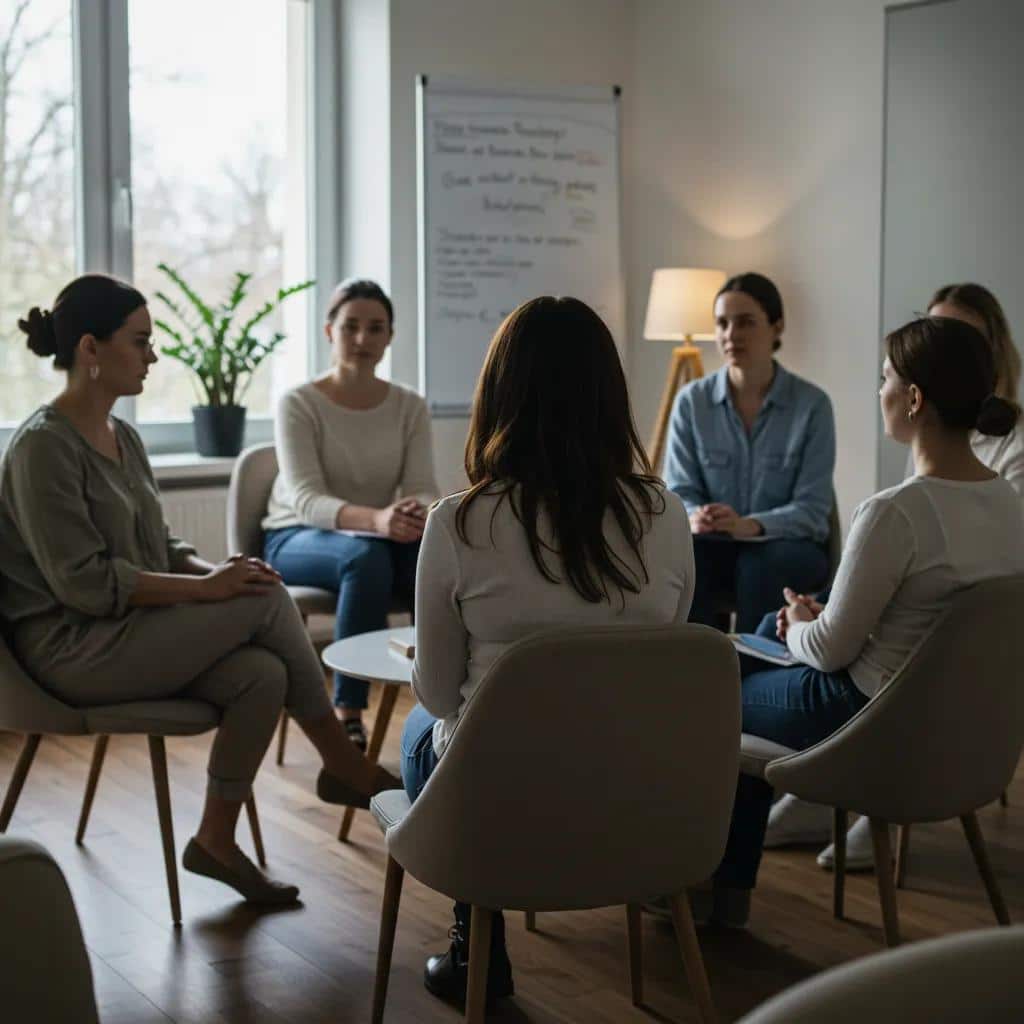
Women-specific rehab programs create safe spaces where psychological and substance-related issues are addressed within a peer environment that enhances trust and disclosure. These programs recognize gendered patterns of addiction and anxiety, offering therapies that reflect women’s trauma histories, social roles, and biological cycles. Integrated care models reduce relapse risk by combining mental health rehab with medical detox, residential therapy, and holistic practices. A dedicated environment encourages engagement in group sessions and reduces external triggers, laying the foundation for lasting mental wellness and recovery.
Key advantages of women-only treatment include:
- Enhanced emotional safety that fosters open communication among participants.
- Therapies designed to address trauma, self-esteem, and body-image concerns.
- Shared life experiences that build supportive bonds and reduce isolation.
Women-Only Rehab Environment
Program Feature
Target Attribute
Benefit
Trauma-Informed Workshops
Emotional Regulation
Reduces PTSD symptoms through safety
Peer Support Circles
Shared Experiences
Increases motivation and accountability
Gender-Sensitive Psychoeducation
Hormonal Awareness
Improves understanding of mood triggers
This comparison highlights how specialized settings support integrated anxiety and addiction treatment.
What Are the Benefits of Women-Only Treatment Environments?
Women-only settings reduce stigma and encourage participation in group therapy, as participants feel understood by peers with similar life experiences. Facilitators trained in gender-specific issues guide discussions on self-image, relationships, and motherhood pressures, fostering deeper group cohesion. This approach also minimizes exposure to potential triggers found in mixed-gender settings, promoting safety and emotional healing.
How Do Integrated Programs Address Co-Occurring Anxiety and Substance Abuse in Women?
Integrated programs treat co-occurring disorders by combining cognitive behavioral therapy and medication management with addiction counseling and trauma therapy. Simultaneous treatment reduces the risk of overlooking one condition, ensuring that anxiety symptoms are managed while addressing substance use patterns. Collaborative care teams coordinate psychiatric evaluations, detox protocols, and ongoing support groups to provide seamless care.
What Role Does Trauma-Informed Care Play in Women’s Rehab?
Trauma-informed care recognizes the high prevalence of interpersonal and developmental trauma among women in rehab, utilizing therapies that avoid re-traumatization. Techniques such as EMDR, somatic experiencing, and safe-space dialogues help participants process traumatic memories and rebuild a sense of control. Incorporating mindfulness and body-based interventions further supports healing at both psychological and physiological levels.
Which Therapeutic Approaches Are Most Effective for Treating Anxiety in Women?
Effective anxiety treatment for women combines evidence-based psychotherapies, holistic modalities, and psychoeducation that address biological, psychological, and social dimensions of distress. A multifaceted approach ensures that each woman’s unique symptom profile and life context inform treatment planning. Engaging in therapies that promote cognitive restructuring, emotional regulation, and mind-body integration accelerates progress toward mental wellness and relapse prevention.
Key therapy categories include:
- 1Cognitive Behavioral Therapy to reframe negative thought patterns.
- 2Dialectical Behavior Therapy to build distress tolerance and interpersonal effectiveness.
- 3Holistic practices such as yoga, meditation, and art therapy to enhance overall resilience.
How Does Cognitive Behavioral Therapy (CBT) Support Women with Anxiety?
Cognitive Behavioral Therapy supports women by identifying and challenging distorted beliefs that fuel anxiety, teaching skills to manage catastrophic thinking and reduce avoidance behaviors. Structured sessions guide participants through exposure exercises and behavioral experiments that build confidence in coping with stressors. Clinical studies report significant reductions in anxiety severity and improved daily functioning after 12 weeks of CBT, affirming its central role in women’s mental health rehab programs.
What Is Dialectical Behavior Therapy (DBT) and How Does It Help Women?
Dialectical Behavior Therapy combines cognitive strategies with mindfulness and emotion regulation techniques to help women tolerate distress without resorting to substance use or self-harm. DBT modules cover interpersonal effectiveness, distress tolerance, and self-soothing practices that counteract anxiety and impulsivity. Evidence shows that women who complete DBT exhibit fewer crisis episodes and better management of co-occurring disorders, making it a core component of trauma-informed care.
How Do Holistic Therapies Like Mindfulness and Yoga Enhance Mental Wellness?
Holistic therapies such as mindfulness meditation, yoga, and expressive arts provide nonverbal outlets for stress relief and foster mind-body connection. Mindfulness practices reduce rumination by cultivating present-moment awareness, while yoga releases muscle tension and lowers cortisol levels. These modalities complement psychotherapies by reinforcing self-regulation skills and promoting inner calm, supporting sustained recovery beyond residential treatment.
How Can Women Navigate Admissions and Insurance for Anxiety and Addiction Rehab?
Admitting to a rehab center begins with an initial assessment that evaluates mental health history, substance use patterns, and insurance eligibility. Women should prepare documentation of medical records, current medications, and insurance policy details to streamline verification. Admissions coordinators guide each applicant through treatment placement options—residential, outpatient, or partial hospitalization—ensuring that care aligns with clinical needs and coverage limitations.
Women’s Rehab Admissions Steps
Step
Description
Purpose
Assessment Intake
Collect medical and psychosocial information
Determines appropriate level of care
Confirm coverage benefits and copays
Identifies financial responsibilities
Program Placement
Assign to residential or outpatient track
Matches treatment intensity to needs
These steps create a clear path to treatment entry, preparing women for the therapeutic journey ahead.
What Is the Step-by-Step Admissions Process for Women’s Rehab Programs?
The admissions process begins with a confidential phone or in-person consultation to review health history and treatment goals. Next, clinical staff conduct a biopsychosocial assessment to tailor a personalized care plan. Upon approval, insurance verification secures funding, and an intake date is scheduled. Transparent communication throughout this process reduces uncertainty and supports informed decision-making.
How Does Insurance Verification Work for Women’s Mental Health Treatment?
Insurance verification involves confirming mental health and substance abuse benefits with the provider, checking in-network status, and calculating out-of-pocket costs. Rehab centers collaborate with insurers to obtain pre-authorization for medical detox, therapy sessions, and residential stays. Understanding policy specifics—such as deductible, co-insurance, and day-limits—empowers women to anticipate expenses and explore available financial assistance if needed.
What Financial Assistance Options Are Available for Women Seeking Rehab?
Financial assistance options include sliding-scale fees, payment plans, and grant programs that reduce barriers to care. Some treatment centers partner with nonprofit foundations offering need-based scholarships, while others provide payment structuring to spread costs over several months. Discussing affordability concerns during intake ensures that women access resources that align with both clinical needs and financial circumstances.
What Are the Key Components of Long-Term Recovery and Aftercare for Women?
Long-term recovery for women hinges on ongoing support, relapse prevention planning, and community integration to sustain gains achieved in residential care. Aftercare services include outpatient therapy, alumni groups, and peer mentoring that reinforce coping skills and social connections. Structured relapse prevention strategies teach women to identify high-risk situations, manage cravings, and maintain emotional balance through holistic self-care routines.
Essential aftercare elements include:
- Regular check-ins with therapists or counselors to monitor progress.
- Participation in women’s support groups that foster solidarity and accountability.
- Access to community resources, such as vocational training and wellness workshops.
How Do Women’s Support Groups and Community Resources Aid Recovery?
Support groups provide a forum for sharing experiences, receiving feedback, and celebrating milestones, reducing isolation and reinforcing hope. Community resources—like sober living homes, vocational programs, and mindfulness workshops—offer practical tools for integrating recovery into daily life. These networks bridge the gap between structured treatment and independent living, promoting empowerment and resilience.
What Are Effective Relapse Prevention Strategies for Women with Anxiety and Addiction?
Effective relapse prevention strategies combine cognitive tools, lifestyle adjustments, and social planning to navigate triggers without substance misuse. Techniques include developing personalized coping cards, scheduling regular stress-reducing activities, and establishing an emergency support list. Integrating mindfulness exercises and peer check-ins into daily routines fosters proactive emotional regulation and ongoing motivation for wellness.
How Does Aftercare Planning Ensure Continued Success Post-Rehab?
Aftercare planning ensures continued success by formalizing a roadmap that outlines therapy schedules, support group attendance, and wellness goals. Collaborative aftercare meetings involve clinical staff, family members, and peers in setting realistic milestones and monitoring progress. Clear accountability structures and graduated levels of care adjustment help women transition safely back into work, relationships, and community roles.
What Recent Research and Statistics Highlight the Need for Gender-Specific Anxiety Treatment?
Recent studies show that women are nearly twice as likely as men to experience anxiety disorders, with peak onset in young adulthood. Co-occurring substance use disorders appear in up to 50 percent of women with severe anxiety, underscoring the need for integrated care models. Research demonstrates that gender-specific rehab programs yield higher treatment retention and lower relapse rates, validating the efficacy of tailored approaches.
How Prevalent Is Anxiety Among Women Compared to Men?
Anxiety disorders affect 23 percent of women over their lifetimes versus 14 percent of men, driven by complex interactions between biology and environment. This prevalence gap highlights an urgent public health concern and reinforces the need for services that address women’s unique risk factors and treatment preferences.
“Gender Patterns in Help-Seeking for Anxiety and Substance Use Disorders”
>
“ABSTRACT: AbstractAims.To examine: (1) gender-specific determinants of help-seeking for mental health, including health professional consultation and the use of non-clinical support services and self-management strategies (SS/SM) and; (2) gender differences among individuals with unmet perceived need for care.Method.Analyses focused on 689 males and 1075 females aged 16–85 years who met ICD-10 criteria for a past-year affective, anxiety or substance use disorder in an Australian community-representative survey. Two classifications of help-seeking for mental health in the previous year were created: (1) no health professional consultation or SS/SM, or health professional consultation, or SS/SM only, and; (2) no general practitioner (GP) or mental health professional consultation, or GP only consultation, or mental health professional consultation. Between- and within-gender help-seeking patterns were explored using multinomial logistic regression models. Characteristics of males and females with Gender-related patterns and determinants of recent help-seeking for past-year affective, anxiety and substance use disorders: findings from a national epidemiological …, MG Harris, 2016”
What Does Research Say About the Effectiveness of Women-Only Rehab Programs?
Clinical trials indicate that women-only rehab environments improve engagement in therapy sessions by 35 percent and reduce dropout rates by nearly half. These outcomes result from enhanced emotional safety, gender-responsive interventions, and cohesive peer groups that mirror participants’ lived experiences.
How Do Co-Occurring Disorders Impact Treatment Outcomes for Women?
Co-occurring anxiety and substance use disorders complicate treatment outcomes by increasing the severity of withdrawal symptoms, prolonging recovery timelines, and elevating relapse risk. Integrated dual-diagnosis programs that address both conditions simultaneously demonstrate better long-term remission rates and improved quality of life measures.
How Does Sun County Wellness Provide Specialized Care for Women with Anxiety and Addiction?
Sun County Wellness offers women a personalized continuum of care that blends medical detox, residential therapy, and aftercare planning within a supportive environment. Treatment teams include licensed therapists and medical professionals skilled in gender-specific protocols, ensuring that every element—from individual counseling to group workshops—reflects women’s experiences and needs. Holistic services such as yoga, mindfulness sessions, and nutrition counseling complement evidence-based therapies for comprehensive healing.
What Personalized and Holistic Services Does Sun County Wellness Offer Women?
Women at Sun County Wellness can access trauma-informed psychotherapy, cognitive behavioral therapy, and mindfulness training alongside wellness activities like yoga and art therapy. Nutritional support and stress-management workshops reinforce mind-body balance, while customized life-skills training fosters independence and self-confidence.
How Does Sun County Wellness Ensure a Compassionate and Supportive Environment?
The facility’s design emphasizes privacy and comfort, with female-only living spaces and group rooms that promote openness. Staff receive specialized training in women’s mental health, trauma sensitivity, and addiction medicine to cultivate empathy and trust. Ongoing feedback loops between clients and care teams maintain a responsive atmosphere that adapts to individual progress.
How Can Women Contact Sun County Wellness for Admissions and Insurance Verification?
Women interested in exploring treatment options can call the admissions team to discuss clinical needs and insurance benefits, arrange a confidential assessment, and begin the verification process. The admissions coordinators guide applicants through paperwork, clarify coverage details, and schedule intake dates, ensuring a transparent path into care.
Recovery from anxiety and addiction is a multifaceted journey that demands gender-focused understanding, integrated therapies, and long-term support. By addressing hormonal, social, and trauma-related factors through women-specific rehab programs, women gain access to a healing environment designed for lasting wellness. Sun County Wellness combines clinical expertise with holistic services to guide women from acute treatment into sustained recovery, empowering each individual to reclaim mental balance and build a resilient future.