
Clinically Reviewed By Brittany Astrom - LMFT
Brittany has 15 years of experience in the Mental Health and Substance Abuse field. Brittany has been licensed for almost 8 years and has worked in various settings throughout her career, including inpatient psychiatric treatment, outpatient, residential treatment center, PHP and IOP settings.
What Is Gaslighting in a Relationship?
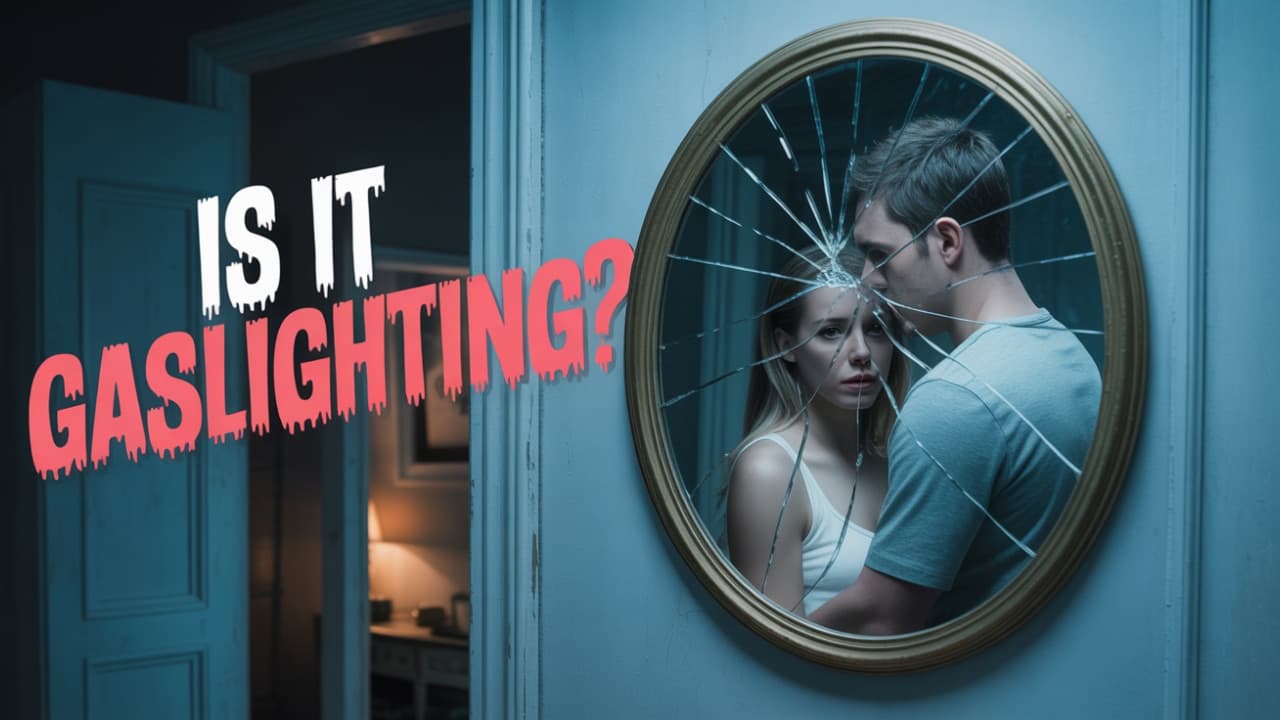
What is gaslighting in a relationship? It is a form of psychological abuse that makes a person doubt their own perception, reality, and even their identity. The term comes from the play Gas Light, where a husband uses subtle manipulation to convince his wife she is imagining things. In modern terms, gaslighting describes a cycle of verbal abuse, coercion, and deception in an intimate relationship.
At Sun County Wellness, we help women recognize unhealthy behavior, break free from abuse, and restore their confidence. Below, we explain what gaslighting is, how to recognize it, and why seeking mental health treatment may be necessary to heal.
The Definition of Gaslighting
Gaslighting is a type of psychological abuse where one person denies facts, feelings, or events to confuse and control another. It is often seen in marriage, dating, and even domestic violence against men. According to research, gaslighting is a tactic in the cycle of abuse, used to maintain power in an interpersonal relationship.
It is more than a disagreement; it undermines a person’s rationality, credibility, and instinct. Over time, the victim may feel paranoia, shame, and fear, questioning their own intuition.

Signs of Gaslighting in an Intimate Relationship
Many victims are unaware of what is happening. Here are clear signs:
1. Denial of Reality
The abuser denies things they said or did, twisting the conversation and making you doubt your memory. This creates stress and emotional pain.
2. Dismissing Emotions
They call you too sensitive or accuse you of victim blaming when you express hurt. This invalidates your emotion and damages your mental health.
3. Manipulation Through Kindness
Known as love bombing, the abuser alternates between affection and violence, leaving you confused.
4. Blame Shifting
They blame you for their infidelity, verbal abuse, or sexual violence, making you feel guilt without reason.
5. Isolating the Victim
Abusers often discourage contact with caregivers, friends, or even calling the national domestic violence hotline or a helpline.
The Psychology Behind Gaslighting
Health psychology and sociology both study why gaslighting is so damaging. The brain struggles under constant doubt and manipulation, which can lead to anxiety, depression, sleep problems, and even increased risk of type 2 diabetes and psoriasis from stress.
Some abusers have narcissistic personality disorder, borderline personality disorder, antisocial personality disorder, or untreated bipolar disorder. These personality disorders can influence their behavior, though they are never an excuse for intimate partner violence.
Gaslighting may also emerge in codependency, where both partners have unhealthy desire for control or approval.
The Impact of Gaslighting
Victims often experience:
- Loss of confidence
- Damage to mental health
- Increased fear and paranoia
- Shame and doubt about their worth
- Difficulty trusting their own opinion or instinct
This emotional disease can affect adults of any gender in any interpersonal relationship.

Breaking Free From Gaslighting
If you are experiencing gaslighting, there are steps you can take:
1. Seek Support
Reach out to a mental health professional, psychiatry specialist, or call a hotline for immediate help. The National Domestic Violence Hotline offers 24/7 support.
2. Attend Therapy
Couples therapy can help address unhealthy dynamics if both partners are committed. Individual psychology sessions can help you process feeling and rebuild credibility in yourself.
3. Build Evidence
Keep data, journals, or feedback from others to confirm your version of events. This helps restore accountability and understanding.
4. Set Boundaries
Recognize your goal: protect your mental health, avoid violence, and rebuild your identity.
Why Mental Health Treatment Matters
Gaslighting can trigger substance abuse, depression, and anxiety. Many women turn to alcohol or drugs to numb the pain and stress of abuse. At Sun County Wellness, we offer mental health treatment and substance abuse programs designed for women who have survived domestic violence, sexual abuse, or psychological abuse.
Our programs help women:
- Heal their mind and body
- Rebuild confidence and self-esteem
- Break free from the cycle of abuse
- Restore healthy interpersonal relationships
We also help women navigate insurance options and find affordable care.
How to Help Others
If someone you know is being gaslit:
- Pay attention to what they say.
- Avoid victim blaming.
- Offer feedback without judgment.
- Encourage them to contact a helpline or seek a mental health professional.
Your experience, language, and compassion can help them take the first step toward recovery.
Final Thoughts
Gaslighting is a serious form of abuse that damages mental health, creates fear, and destroys confidence. Recognizing the definition, knowing the evidence, and understanding the psychology behind it can empower you to leave an unhealthy intimate relationship.
If you or someone you know is experiencing manipulation, deception, or domestic violence, call the National Domestic Violence Hotline or visit suncountywellness.com for help.
You are not alone. Your intuition is valid. You deserve accountability, health, and respect in every interpersonal relationship.
At Sun County Wellness, we’re here to help you reclaim your identity, rebuild your confidence, and heal your mind.
Frequently Asked Questions About Gaslighting in a Relationship
1. What does gaslighting in a relationship mean?
Gaslighting in a relationship means one partner uses emotional manipulation to make the other doubt their own reality, memory, or feelings. It is a form of psychological abuse often seen in intimate relationships and marriage. The term comes from the play Gas Light, where a husband makes his wife believe she’s imagining things. Gaslighting can harm a person’s mental health, lead to anxiety and stress, and undermine their confidence.
2. How is gaslighting different from a regular argument?
A regular argument involves disagreement, opinion, and emotion from both partners, usually with accountability and the goal of resolving conflict. Gaslighting, however, is intentional deception and coercion designed to control or harm the other person. It involves denial of facts, twisting of language, and sometimes victim blaming, which can damage a person’s identity and mental health.
3. Can gaslighting be a sign of a personality disorder?
Yes, gaslighting is sometimes linked to narcissistic personality disorder, borderline personality disorder, or antisocial personality disorder. People with these disorders may use manipulation in interpersonal relationships, but it is important to note that not everyone who gaslights has a diagnosed disease. Regardless of the reason, the behavior is abusive and harmful.
4. What should I do if I think I’m being gaslit?
If you believe you are being gaslit, trust your instinct, seek feedback from trusted friends, and consider speaking with a mental health professional. You can also call a hotline such as the National Domestic Violence Hotline for guidance. Documenting evidence, setting boundaries, and prioritizing your mental health treatment are important steps. If you feel unsafe, reach out to a caregiver, counselor, or helpline right away.

Seeking Treatment? We Can Help
At Sun County Wellness, as an in-network provider we work with most insurance plans, such as:
If you or a loved one are struggling with mental health challenges or substance abuse, reach out to Sun County Wellness today. Our team of compassionate professionals is here to support your journey towards lasting well-being. Give us a call at 949-993-1149
Visit SAMHSA or contact us today for more inforamtion.