Your Path to Healing: Understanding Inpatient Rehab for Women
Embarking on residential treatment is a significant step, and knowing what to expect in an inpatient rehab for women can turn apprehension into empowered confidence. A 2023 SAMHSA report highlights that nearly 60 percent of women in addiction programs also navigate mood or trauma-related disorders, underscoring the vital importance of care tailored specifically for women.
This guide will illuminate what women’s inpatient rehab entails, walk you through a typical day at Sun County Wellness, explain how your unique needs are met, detail the admissions and insurance process, showcase the advantages of a women-only setting, discuss program durations, and outline the support available after you leave. By integrating insights into Sun County Wellness’s Inpatient Treatment Program and our holistic approach, you’ll gain a clear vision for your recovery and know exactly how to reach out for admissions and insurance verification.
What is Women’s Inpatient Rehab, and Why Does Gender-Specific Care Matter?
Women’s inpatient rehab offers a sanctuary where medical and therapeutic services are provided in a residential setting to address addiction and mental health challenges. This model integrates close medical supervision, proven therapeutic techniques, and the strength of peer support within a community exclusively for women. By bringing together women with shared life experiences, programs can fine-tune clinical approaches to address specific life stages, such as motherhood, and common trauma histories, cultivating an environment that builds trust and safety while encouraging active participation.
What defines women’s residential treatment, and what is its core purpose?
Women’s residential treatment is an intensive, live-in program offering round-the-clock care that combines psychiatric evaluation, medical management, and structured therapeutic interventions. Its purpose is to safely manage withdrawal symptoms, treat underlying psychological conditions, and equip participants with essential coping skills. For instance, a client managing alcohol dependence and anxiety might begin with a thorough medical assessment, transition into daily group sessions for psychoeducation, and receive individual counseling to explore trauma triggers and develop effective relapse-prevention strategies. This comprehensive approach is designed to foster lasting progress long after discharge.
How does an all-women’s rehab center address the specific mental health and addiction needs of women?
An all-women’s rehab environment encourages open conversations about sensitive topics like domestic violence, the stresses of parenting, and self-image, free from the fear of judgment. By offering gender-responsive interventions—such as trauma-informed cognitive behavioral therapy and peer support groups centered on women’s unique experiences—programs can more effectively target common co-occurring conditions like depression and post-traumatic stress disorder. Aligning therapeutic content with lived experiences enhances emotional safety, promotes authentic sharing, and contributes to higher program completion rates.
What are some common misunderstandings about inpatient rehab for women?
Before making the commitment, many women hold certain beliefs:
- That inpatient rehab means a complete loss of personal freedom and comfort.
- That a residential stay is only for those with severe addiction or lacking outside support.
- That group therapy will force them to reveal deeply personal details before they feel ready.
Addressing these myths reveals that modern programs skillfully balance structure with nurturing communal spaces, tailor treatment intensity to individual progress, and empower participants to control their pace of sharing, all of which lay the foundation for genuine healing.
What Does a Typical Day Look Like in Women’s Inpatient Rehab at Sun County Wellness?

At Sun County Wellness, a thoughtfully structured daily rhythm supports your physical health, emotional growth, and connections with peers. Mornings begin with essential medical check-ins and mindfulness practices to stabilize your well-being. Midday sessions are dedicated to evidence-based therapies and practical life-skills workshops, while afternoons offer enriching holistic activities. Evenings provide opportunities for reflective groups, reinforcing the new coping strategies you’re learning. This predictable yet varied schedule helps you rebuild routine and establish healthy, sustainable habits.
How is the daily schedule structured for women in inpatient rehab?
Below is a sample daily timetable that thoughtfully balances clinical, educational, and recreational components at Sun County Wellness:
Time
Activity
Purpose
7:00 AM
Vital sign check and wellness review
To monitor physical stability and make necessary medication adjustments.
8:00 AM
Mindfulness practice or gentle yoga
To cultivate stress reduction and enhance body awareness.
9:00 AM
Nutritional breakfast and peer chat
To promote healthy eating habits and foster community bonding.
10:00 AM
Group therapy (CBT/DBT)
To learn effective coping skills for managing anxiety and cravings.
12:00 PM
Balanced lunch and rest period
To support nourishment and allow for self-reflection.
1:30 PM
Individual counseling
To address personal triggers and clarify recovery goals.
3:00 PM
Holistic workshop (art, equine, yoga)
To enhance self-expression and emotional regulation.
5:00 PM
Dinner and social support circle
To reinforce peer encouragement and share progress.
7:00 PM
Psychoeducational lecture
To explore important topics like relapse prevention.
8:00 PM
Evening reflection and journaling
To solidify insights and plan for the day ahead.
What individual, group, and holistic therapies are offered to women?
Sun County Wellness’s Inpatient Treatment Program provides a comprehensive range of interventions:
- Individual therapy, including specialized approaches like trauma-focused therapy and motivational interviewing.
- Daily group sessions covering essential coping strategies, relapse planning, and vital life skills.
- Holistic practices such as yoga, mindfulness meditation, art therapy, and nutrition education.
How do holistic therapies like yoga and mindfulness support women’s recovery?
Yoga and mindfulness cultivate present-moment awareness and help reduce reactivity by teaching you to observe physical sensations and thoughts without judgment. These practices effectively regulate stress hormones, strengthen neural pathways for emotional control, and foster a sense of inner calm that complements the skills learned in talk therapy and group discussions.
What makes the facility safe and supportive for women’s healing?
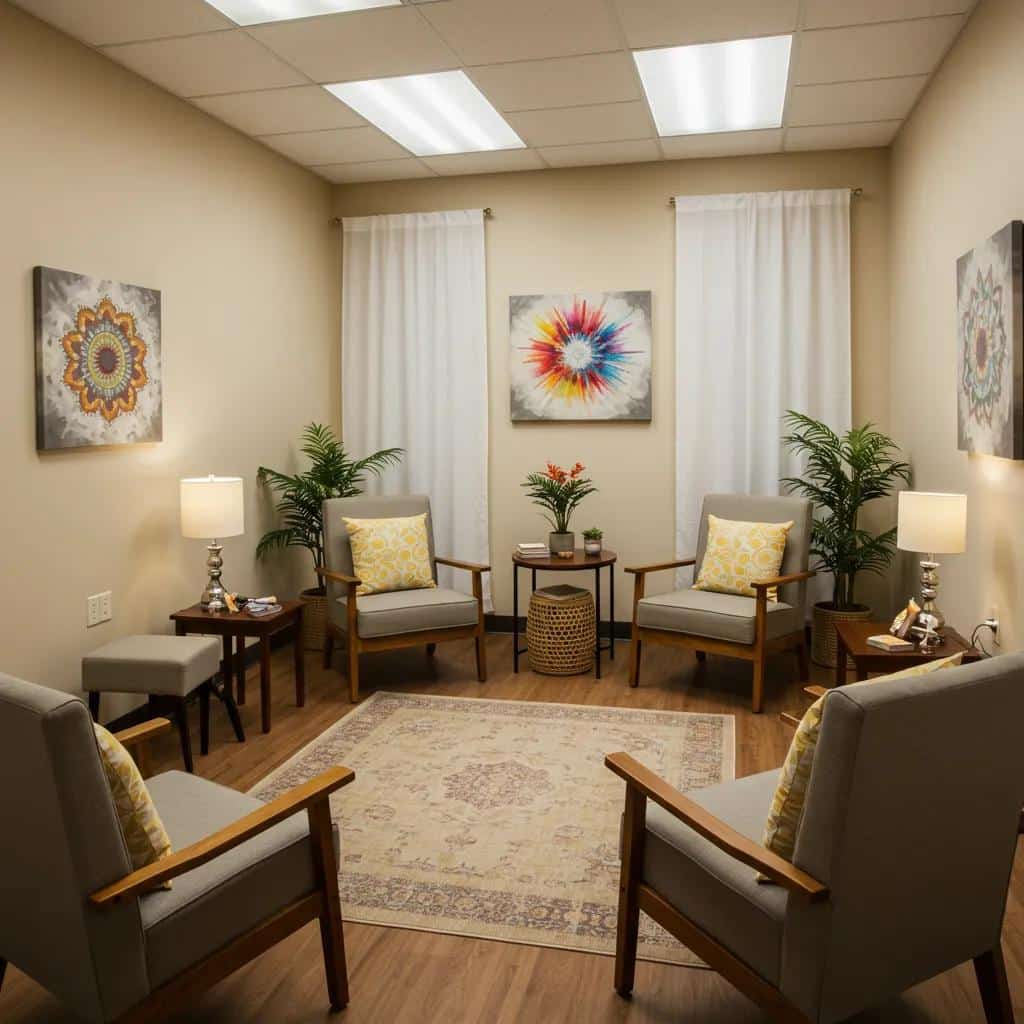
The design at Sun County Wellness is intentionally crafted to prioritize privacy, comfort, and community:
- Residential villas offering private bedrooms for personal reflection and rest.
- Common areas exclusively for women, encouraging open sharing without distraction.
- Staff members who are expertly trained in trauma-informed practices, upholding clear boundaries and respectful communication.
By creating a physically and emotionally secure environment, we empower you to focus entirely on your growth, knowing that the setting is perfectly aligned with your healing needs.
How Does Sun County Wellness Address Women’s Unique Needs in Recovery?
Sun County Wellness employs specialized methods to address the interconnected challenges of trauma, dual diagnoses, and family roles. Our integrated model seamlessly blends trauma-informed care, co-occurring disorder treatment, structured family involvement, and long-term relapse prevention strategies. These components work in harmony to maximize the potential for lasting recovery for every woman we serve.
What is trauma-informed care, and how is it applied for women?
Trauma-informed care acknowledges how past experiences of abuse and violence can shape coping mechanisms. Therapists at Sun County Wellness utilize safe-space protocols—emphasizing choice and collaboration—to ensure interactions are supportive and avoid re-traumatization. Techniques include grounding exercises, body-oriented therapies, and gradual exposure within carefully managed, supportive group settings. This approach is designed to build resilience by teaching essential skills to regulate distress that may stem from earlier trauma.
How are co-occurring disorders treated in women’s inpatient programs?
Women experiencing both substance use and mental health conditions receive integrated, simultaneous intervention through our dual diagnosis treatment. Psychiatrists and therapists collaborate closely on medication management, cognitive behavioral therapy, and dialectical behavior therapy to address conditions like depression, anxiety, or PTSD alongside substance cravings. This unified model effectively reduces symptom overlap and accelerates progress toward stable mental health.
How does family involvement support a woman’s recovery journey?
Engaging your family reinforces accountability and fosters deeper understanding. Sun County Wellness facilitates:
- Structured family therapy sessions designed to improve communication and establish healthy boundaries.
- Educational workshops for loved ones, covering the science of addiction and effective relapse prevention.
- Ongoing support groups where families learn how to cultivate and sustain a supportive home environment.
Involving your significant others helps build a robust network that bolsters confidence and prevents isolation after you leave our care.
What aftercare and relapse prevention plans are tailored for women?
Upon completing your program, you will receive a personalized aftercare roadmap that may include:
- Continued outpatient therapy and case management services.
- Referrals to peer support networks specifically for women in recovery.
- Scheduled follow-up telehealth check-ins to monitor your well-being.
- Wellness strategies encompassing exercise, nutrition plans, and creative outlets.
What Is the Admissions Process for Women’s Inpatient Rehab at Sun County Wellness?
Beginning your treatment journey at Sun County Wellness involves a supportive, step-by-step approach designed to remove logistical hurdles and ensure you are medically ready. From your very first call to settling into our residential setting, each stage is designed to clarify expectations and verify your financial coverage.
How do women begin the admissions process for inpatient rehab?
Your journey starts with a confidential intake call where we gather essential information about your medical history, treatment aspirations, and insurance details. Following this, a member of our clinical team will review your information and discuss program options and the recommended length of stay. Once a plan is mutually agreed upon, we will schedule your admission date, and a pre-admission health assessment will confirm your physical stability. This structured process ensures a smooth and seamless transition from seeking help to receiving active care.
What insurance options and payment methods are accepted for women’s treatment?
Sun County Wellness gladly accepts a wide array of private insurance providers and also offers self-pay options. Our dedicated insurance verification specialist will confirm your benefits for inpatient care, including coverage for mental health and addiction services. For clients whose benefits may be insufficient, our financial counselors are available to discuss payment plans or sliding-scale arrangements, making treatment accessible.
What should women pack and prepare before entering rehab?
We recommend that participants bring the following essentials:
- Comfortable, modest clothing suitable for therapy sessions and exercise.
- Your personal toiletries and a small journal for personal reflection.
- Any prescribed medications, kept in their original containers.
- Optional items such as a favorite book, a cherished family photo, or a small keepsake for comfort and reassurance.
Packing these essentials ensures you can focus wholeheartedly on your healing journey, rather than on daily logistics, fostering a strong sense of emotional readiness for treatment.
What Are the Benefits of Choosing Women-Only Inpatient Rehab Programs?
Gender-exclusive rehab environments effectively remove barriers to open communication, allow for interventions tailored to women’s unique experiences, and foster peer networks that reflect shared challenges. These conditions significantly enhance safety, solidarity, and the profound sense of belonging that fuels engagement and successful program completion.
How does a women-only environment improve treatment outcomes?
Within women-only groups, participants consistently report a higher level of comfort when disclosing sensitive issues, such as experiences of sexual trauma or the unique stresses of parenting. This increased openness accelerates the development of trust with facilitators and peers, leading to a deeper processing of underlying issues. Research indicates that completion rates can rise by as much as 20 percent when participants feel genuinely understood and are free from comparisons to male peers.
Why is addressing trauma and gender-specific issues critical in women’s rehab?
Trauma, particularly interpersonal violence, frequently lies at the root of substance use in women. By directly integrating trauma-informed therapies and addressing topics like body image and relationship dynamics, programs can effectively interrupt cycles of shame and avoidance. Confronting gender-specific issues head-on builds resilience and significantly reduces relapse triggers that are often linked to unresolved trauma.
How do women’s recovery programs support empowerment and holistic wellness?
Women’s programs place a strong emphasis on inherent strengths, such as emotional intelligence, community building, and creative expression. Through workshops focused on self-advocacy, comprehensive life-skills training, and holistic practices like nutrition education, participants reclaim agency over their health and well-being. This balanced approach nurtures physical vitality, mental clarity, and a renewed sense of self-esteem.
How Long Does Inpatient Rehab for Women Typically Last, and What Influences Duration?
The length of your stay in women’s inpatient rehab is determined by a clinical assessment, your specific treatment goals, and the presence of any co-occurring disorders. Most programs range from 30 to 90 days, with options for extensions when complex needs arise. Longer stays allow for deeper skill-building and more comprehensive stabilization, particularly when addressing underlying mental health conditions.
What are typical program lengths for women’s inpatient rehab?
We offer standard options to suit various needs:
- 130-Day Intensive Track – Designed for rapid stabilization and the initial development of coping skills.
- 260-Day Standard Track – Provides a balanced focus on medical management, therapeutic work, and holistic growth.
- 390-Day Extended Track – Offers in-depth trauma work, comprehensive dual diagnosis care, and robust aftercare planning.
How do individual needs and co-occurring disorders affect treatment length?
Women with complex trauma histories or severe dual diagnoses often require extended programming. Additional days provide crucial time for medication adjustments, repeated practice of newly acquired skills, and deeper exploration of emotional patterns. Our clinicians regularly reassess your progress and recommend stay extensions when doing so is deemed beneficial for long-term stability.
What Support and Resources Are Available After Women Complete Inpatient Rehab?
Sustaining your recovery is deeply connected to ongoing access to care, peer support, and essential tools for resilience. Sun County Wellness meticulously designs aftercare services to reinforce the progress you’ve made, monitor your mental health, and adapt your plan as your life evolves.
How does Sun County Wellness facilitate women’s aftercare and ongoing support?
Our comprehensive aftercare framework includes:
- Scheduled outpatient therapy sessions, often with your original clinical team.
- Peer mentoring circles thoughtfully led by alumnae of our women’s program.
- Periodic wellness retreats designed to reinforce vital self-care practices.
- Dedicated case management to help coordinate community resources and support networks.
What role does telehealth play in women’s post-rehab recovery?
Telehealth check-ins offer flexible, on-demand counseling and medication management. By removing geographical and scheduling barriers, virtual sessions help maintain accountability and allow for real-time troubleshooting of stressors, significantly reducing the risk of disengagement and relapse.
How can women maintain sobriety and mental health after discharge?
Achieving sustained wellness often relies on the consistent formation of daily habits and strong community connections. Proven strategies include:
- Actively engaging in regular peer support meetings specifically focused on women’s issues.
- Practicing mindfulness or gentle exercise routines as effective ways to manage stress.
- Adhering to structured relapse-prevention plans that clearly identify your personal triggers.
- Seeking timely outpatient therapy whenever new challenges arise.
Recovering from addiction and mental health struggles requires an informed, supportive, and structured environment. Understanding the daily rhythm, specialized therapies, and tailored aftercare offered through a women-only inpatient program brings clarity and profound hope to your recovery journey. To explore how Sun County Wellness’s Inpatient Treatment Program can meet your unique needs, please reach out to inquire about admissions and verify your insurance coverage today.