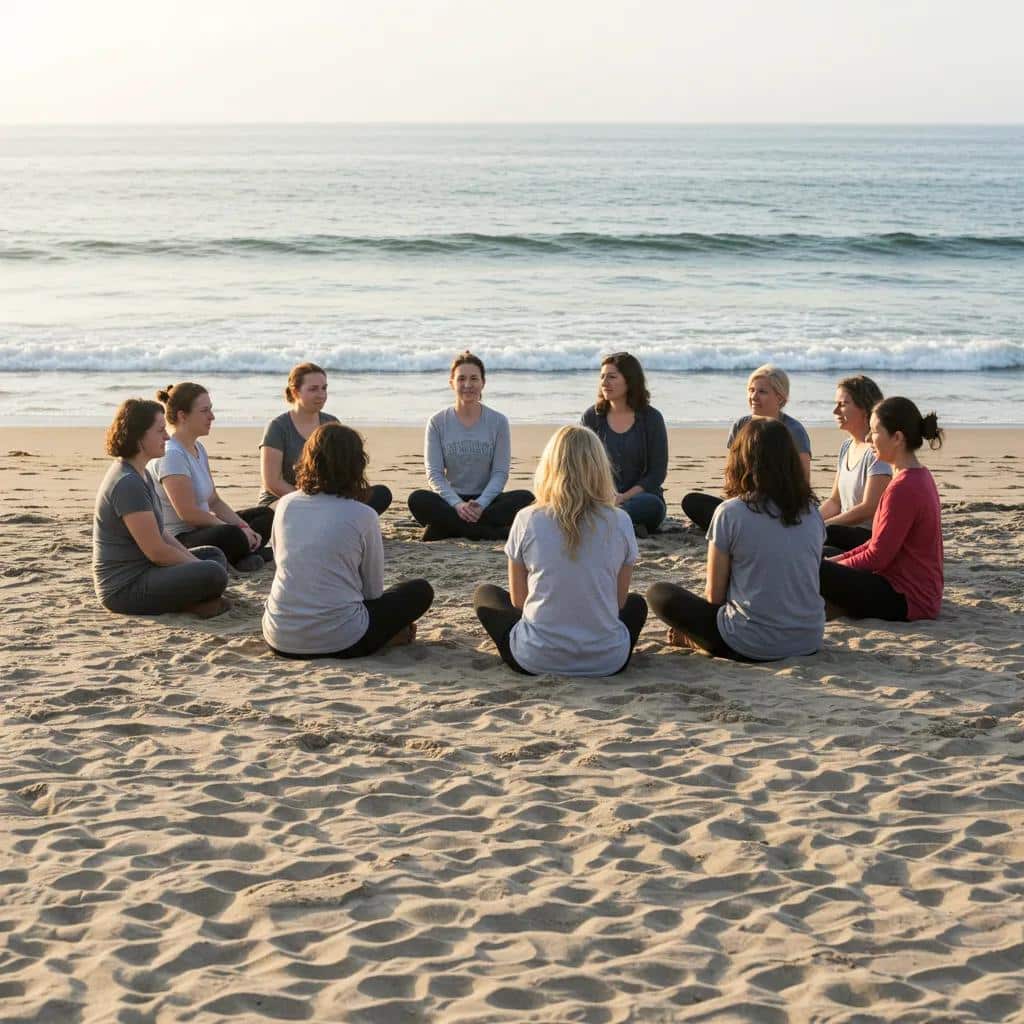
Why Women Choose Orange County for Rehab and Recovery: Specialized Women’s Mental Health and Addiction Treatment
Women seeking specialized mental health and addiction support increasingly select Orange County for rehab and recovery. Sun County Wellness, a women’s mental health and addiction treatment center based in San Juan Capistrano, offers gender-focused programs that address unique biological, psychological, and social factors. This article examines women’s distinct challenges, highlights Orange County’s healing environment, explains Sun County Wellness’s trauma-informed and dual-diagnosis services, outlines levels of care, describes admissions and insurance support, explores gender-specific advantages, shares real recovery stories, and reviews common concerns. By understanding these aspects, women and their families can make informed decisions about treatment and begin a path toward lasting wellness.
What Unique Challenges Do Women Face in Addiction and Mental Health?
Women experience addiction and mental health disorders in ways shaped by hormone cycles, social roles, and trauma histories. These factors influence onset, progression, and treatment response. Addressing these elements is critical to recovery success and empowers women to regain control and resilience.
How Do Biological and Hormonal Factors Affect Women’s Addiction?
Hormonal fluctuations across menstrual cycles, pregnancy, and menopause alter brain chemistry, stress responses, and reward pathways. Estrogen and progesterone shifts can heighten anxiety or cravings, making relapse risk higher at certain times. Recognizing these patterns enables timing of therapy and medication for peak effectiveness.
“Gender Differences in Drug Addiction: Neurobiological, Social, and Psychological Perspectives in Women”
>
“ABSTRACT: AbstractDrug addiction is a complex issue influenced by biological, psychological, and social factors. Historically, substance use disorders (SUDs) have been studied primarily in men, overlooking crucial gender differences. However, emerging research reveals that women exhibit unique drug use patterns, distinct neurobiological responses, and specific psychosocial challenges in addiction and recovery. Understanding these differences is essential for developing gender-sensitive prevention and treatment approaches. Neurobiologically, sex hormones such as estrogen and progesterone modulate drug sensitivity, leading to a faster progression from initial use to dependence in women. The mesolimbic dopamine system and prefrontal cortex demonstrate sex-specific activity, influencing cravings, reward processing, and relapse vulnerability. Additionally, hormonal fluctuations and stress responses contribute to more severe withdrawal symptoms and increased relapse risk in women. Social and psycholog”
Hormonal Phase
Neural Impact
Recovery Implication
Follicular
Increased dopamine sensitivity
Leverage early-cycle motivation in therapy
Luteal
Elevated stress hormone activity
Provide extra coping strategies
Perimenopause
Fluctuating estrogen levels
Adjust medication under medical guidance
These hormone-linked changes underscore why treatment plans must adapt to women’s biology, leading to more stable long-term outcomes.
What Psychological and Social Pressures Impact Women’s Recovery?
Women often juggle caregiving, work, and relationship roles while facing stigma around substance use. Social expectations can trigger guilt, shame, or reluctance to seek help. Peer pressure and cultural messages about “perfect” families heighten stress and can worsen symptoms of anxiety or depression.
- Women may delay treatment fearing judgment about parenting.
- Social isolation can deepen addiction cycles.
- Relationship conflicts often co-occur with relapse triggers.
Understanding these pressures guides therapy toward rebuilding self-esteem, improving communication skills, and fostering healthy support networks, paving the way for sustained healing.
Why Is Gender-Specific Treatment Essential for Women’s Healing?
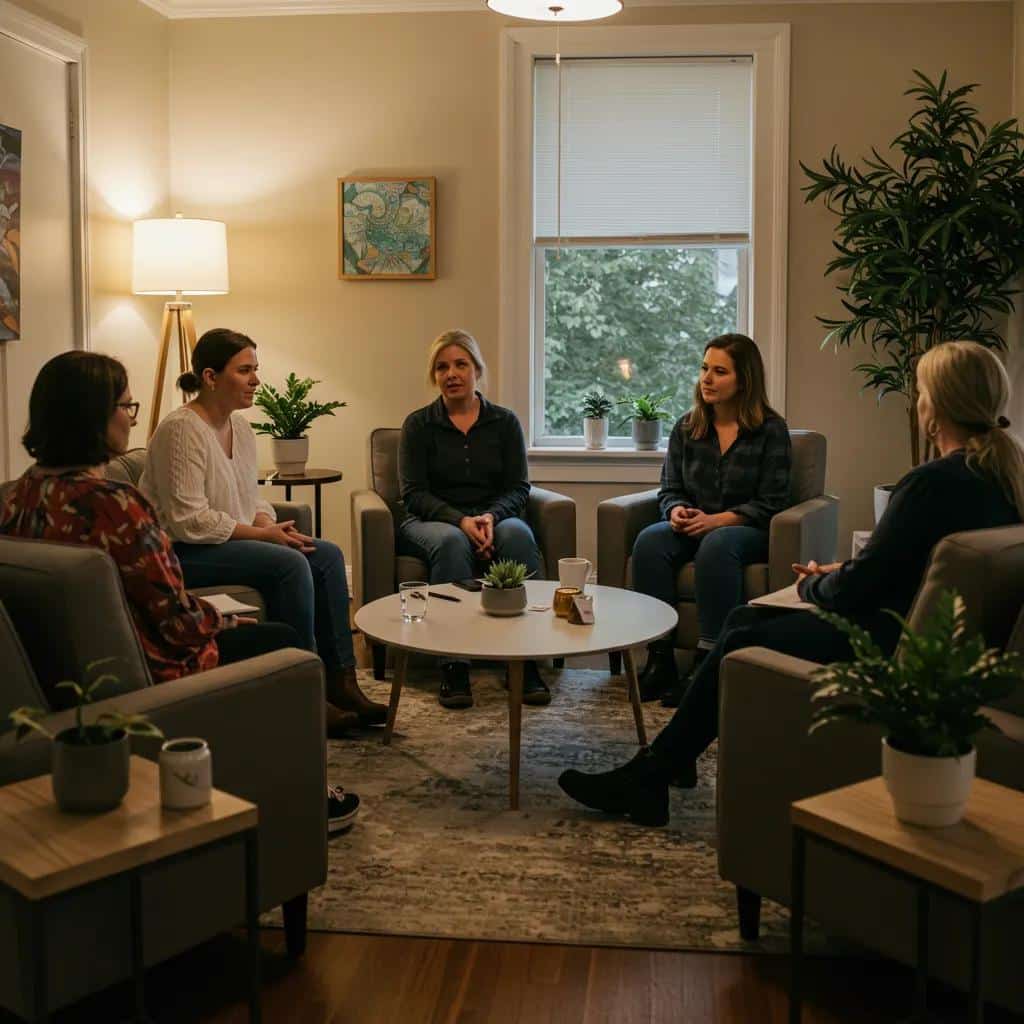
Gender-specific programs provide safe spaces where women share similar experiences without fear of distraction or discomfort. Therapists trained in women’s health address trauma patterns, relationship issues, and co-occurring disorders more effectively.
- Women-only groups reduce exposure to triggers tied to past abuse.
- Shared gender context encourages open dialogue and peer support.
- Focus on female trauma themes such as domestic violence and sexual assault.
Creating a setting attuned to women’s needs enhances engagement, fosters trust, and promotes deeper emotional healing, which boosts recovery rates and life satisfaction.
Why Is Orange County a Premier Location for Women’s Rehab and Recovery?
Orange County’s coastal climate, scenic hills, and supportive community create an environment conducive to recovery. Healing naturally begins when stress levels fall and positive routines replace old patterns.
What Makes Orange County’s Environment Supportive for Women’s Healing?
Mild year-round temperatures and beach access encourage outdoor exercise, meditation, and yoga. Nature immersion lowers cortisol levels and uplifts mood, reinforcing therapy gains made indoors.
- Beach walks and hiking trails support physical fitness.
- Garden spaces at treatment centers facilitate mindfulness.
- Local farms and farmer’s markets provide nutritious meal options.
This synergy between therapy and environment accelerates physical and emotional restoration, making Orange County an ideal setting.
How Does Orange County Provide Access to Specialized Women-Focused Care?
Orange County hosts multiple centers devoted exclusively to women’s mental health and addiction recovery. Skilled clinicians offer evidence-based modalities such as trauma-focused therapies, dual-diagnosis programs, and holistic practices.
- Availability of licensed therapists specializing in women’s issues.
- Collaborative networks among medical, psychiatric, and holistic practitioners.
- Aftercare options and recovery homes designed for women transitioning out of intensive care.
These resources form a continuum of care that supports women at every stage, from initial detox to long-term wellness maintenance.
What Local Resources Support Women in Recovery in Orange County?
Community groups, family support organizations, and peer-led meetings reinforce treatment gains. Access to childcare-inclusive workshops and women-only sobriety circles addresses barriers that often deter women from ongoing participation.
Resource Type
Focus Area
Benefit
Women’s Support Circles
Peer-led recovery meetings
Shared understanding
Family Therapy Workshops
Parenting and relationship care
Strengthened family bonds
Community Health Clinics
Psychiatry and medication
Affordable mental health care
Leveraging these local services extends healing beyond clinic walls and integrates recovery into daily life.
How Does Sun County Wellness Tailor Treatment for Women’s Unique Needs?
Sun County Wellness applies a trauma-informed framework and integrated dual-diagnosis care to meet women where they are. Programs combine evidence-based therapies with holistic practices to address mind, body, and spirit.
What Is Sun County Wellness’s Trauma-Informed Approach for Women?
Trauma-informed care recognizes how past abuse, neglect, or interpersonal violence shapes addictive behaviors and mental health symptoms. Therapists create a predictable, respectful environment that honors each woman’s pace and boundaries.
- Individual EMDR sessions resolve distressing memories.
- Group Cognitive Behavioral Therapy builds coping skills.
- Dialectical Behavior Therapy supports emotional regulation.
By addressing trauma directly, women learn to process painful experiences safely and develop resilience for ongoing recovery.
How Does Dual Diagnosis Treatment Address Co-Occurring Disorders in Women?
Dual-diagnosis services treat mental health disorders like depression, anxiety, or PTSD simultaneously with substance use issues. Integrated treatment teams collaborate to adjust medications, therapy plans, and support networks in unison.
“Differential Service Utilization in Integrated Treatment for Women with Co-occurring Disorders and Trauma”
>
“Women with co-occurring mental health and substance use disorders and trauma histories vary greatly in symptom severity and use of support services. This study estimated differential effects of an integrated treatment intervention (IT) across sub-groups of women in this population on services utilization outcomes. Data from a national study were used to cluster participants by symptoms and service utilization, and then estimate the effect of IT versus usual care on 12-month service utilization for each sub-group. The intervention effect varied significantly across groups, in particular indicating relative increases in residential treatment utilization associated with IT among women with predominating trauma and substance abuse symptoms. Understanding how IT influences service utilization for different groups of women in this population with complex needs is an important step toward achieving an optimal balance between need for treatment and service utilization, which can ultimately improve outcomes and conserve resources.”
- Psychiatric assessment alongside addiction evaluation.
- Coordinated treatment plans with regular team reviews.
- Family education on recognizing mental health relapse signs.
This unified approach reduces fragmented care, accelerates symptom relief, and lowers rates of rehospitalization.
What Holistic Therapies Support Women’s Mind, Body, and Spirit Recovery?

Sun County Wellness enriches therapy with holistic modalities that promote overall well-being and reduce stress.
- Yoga and Pilates strengthen body awareness and flexibility.
- Guided mindfulness meditation cultivates emotional balance.
- Nutrition counseling restores healthy eating patterns.
- Art and equine therapy foster creative self-expression.
These practices integrate seamlessly with medical and psychological interventions, creating a wellness ecosystem that sustains recovery momentum.
What Levels of Care Are Available for Women’s Rehab in Orange County?
Women can choose from a continuum of care levels, each offering varying intensity and structure. Programs match individual readiness and needs, ensuring safe progression through recovery stages.
What Are the Benefits of Partial Hospitalization and Intensive Outpatient Programs?
Partial hospitalization (PHP) and intensive outpatient (IOP) provide structured treatment while allowing return home for evenings. This model balances clinical support with real-world application of coping skills.
- PHP offers daily therapy, medication management, and medical monitoring.
- IOP typically meets 3–5 times per week for group and individual sessions.
- Both levels support ongoing life responsibilities such as work or childcare.
These programs reduce isolation and reinforce independence while maintaining therapeutic intensity.
How Do Residential and Outpatient Programs Differ for Women’s Recovery?
Residential programs immerse women in 24-hour care within a supportive community, while outpatient models allow daily living at home.
Program Type
Setting
Structure
Residential
On-site living
Full-day therapy, peer support
Outpatient
Home-based evenings
Scheduled therapy sessions
Residential care offers intensive stabilization, whereas outpatient treatment builds long-term self-management skills in familiar surroundings.
What Aftercare and Sober Living Options Support Long-Term Wellness?
Aftercare plans and women-only sober living residences bridge the gap after primary treatment. Ongoing group therapy, mentorship, and accountability help maintain progress.
- Structured sober living with curfews and community chores.
- Alumni groups that meet weekly for ongoing support.
- Access to relapse prevention workshops and family check-ins.
These resources reinforce healthy routines and provide peer encouragement through the transition to independent living.
How Can Women Start Their Recovery Journey at Sun County Wellness?
Beginning recovery involves clear steps that guide women from inquiry to active treatment, with insurance assistance throughout the process.
What Is the Admissions Process for Women Seeking Rehab in Orange County?
The admissions process is designed for straightforward access to care in four key steps:
- 1Initial phone assessment to discuss symptoms and history.
- 2Clinical evaluation by a licensed clinician.
- 3Customized care plan outlining recommended level of treatment.
- 4Scheduling of intake date and orientation to the program environment.
This sequence ensures that each woman receives appropriate care quickly and with sensitivity to her timeline.
How Does Sun County Wellness Assist with Insurance Verification?
Sun County Wellness collaborates with major providers to confirm coverage, estimate out-of-pocket costs, and explain benefits. An insurance specialist guides women through paperwork, helping reduce financial uncertainty.
Coordination of benefits and pre-authorization support accelerates treatment start dates. Clear cost overviews enable women and families to make informed decisions without unexpected charges.
Common Concerns Addressed for Women’s Rehab Admissions
Many women worry about leaving family responsibilities, managing work absences, or facing stigma. Sun County Wellness provides case management to plan for childcare, secure employment leaves, and coordinate family therapy. This holistic support eases transition into treatment and focuses attention on healing rather than logistical challenges.
What Are the Benefits of Women-Only Rehab Programs in Orange County?
Women-only rehab offers a focused environment where women feel safe to explore sensitive issues and build peer connections that reflect similar lived experiences.
How Do Women-Only Programs Enhance Safety and Support?
Women-only settings eliminate gender-related distractions and allow participants to address trauma in groups led by clinicians experienced in female-specific care. Trust grows more quickly among peers who have faced similar obstacles.
- Safe discussion of intimate partner violence without male presence.
- Peer mentorship circles that foster mutual accountability.
- Staff trained in gender dynamics and power imbalances.
This supportive context accelerates openness, deepens trust, and fosters a sense of community that sustains recovery efforts.
What Evidence Supports Better Outcomes in Gender-Specific Treatment?
Studies indicate that women-only group therapy often yields longer-lasting sobriety and improved mental health compared to mixed-gender programs. Outcomes include reduced relapse rates, enhanced self-esteem, and stronger social reintegration for mothers.
Study Focus
Finding
Impact
Gender-specific group work
Higher retention rates
More women complete full treatment
Trauma-focused therapy
Greater reduction in PTSD symptoms
Improved overall quality of life
Women-only sober living
Lower relapse within first year post-treatment
Enhanced peer accountability
These data reinforce the value of environments designed around women’s needs.
How Do Women-Only Groups Address Trauma and Co-Occurring Disorders?
Focused groups integrate trauma treatment with addiction recovery, allowing women to connect symptoms across both domains. Therapies such as EMDR and DBT are delivered in settings where participants understand each other’s journeys.
Regular group processing sessions highlight links between trauma triggers and substance cravings, enabling women to develop targeted coping strategies. This integrated model supports holistic healing of both mind and body.
What Success Stories Highlight Women’s Recovery at Sun County Wellness?
Real-life transformations illustrate how tailored care in Orange County can restore hope and purpose.
How Have Women Overcome Trauma and Addiction Through Our Programs?
A graduate in her thirties described finding resilience after childhood abuse through trauma processing sessions. She learned to manage anxiety with mindfulness practices and peer support groups, and she now mentors others in early recovery.
Another alumna, a mother of two, regained custody by addressing co-occurring depression and alcohol dependence. Dual-diagnosis therapy and family sessions helped rebuild trust at home, leading to stable employment and renewed family bonds.
What Do Alumni Say About Their Healing Journey in Orange County?
Alumni often cite the combination of evidence-based therapy and a serene coastal setting as pivotal. Women report that the supportive environment allowed them to focus fully on healing without distractions, and ongoing aftercare kept them connected to the recovery community long after discharge.
Stories emphasize how Sun County Wellness’s integrated therapies and community resources laid the foundation for sustained wellness and personal growth.
What Are Frequently Asked Questions About Women’s Rehab in Orange County?
Many women wonder what to expect, how dual-diagnosis care differs, and whether treatment can accommodate mothers and caregivers. In Orange County, treatment centers specialize in women’s needs by offering flexible programming, family therapy, and on-site childcare workshops. Mental health and addiction treatment begins with thorough assessments that guide individualized plans. Co-occurring disorders are treated concurrently through collaborative care teams that adjust therapies and medications together. For mothers, programs include parenting support and coordination with local childcare providers so that women can engage fully in recovery while maintaining family connections.
Women who complete programs often describe feeling empowered, understood, and equipped with skills to handle stressors without substances. Orange County’s network of sober living homes, alumni groups, and peer mentors further support these gains, reinforcing positive habits and community links that underlie long-term success.
Recovery in Orange County thus combines specialized care, a nurturing environment, and ongoing support structures, ensuring women can rebuild their lives with confidence and resilience.
Sun County Wellness invites women and their families to explore treatment options, discuss insurance coverage, and start the admissions process. With gender-focused expertise, trauma-informed methods, and holistic therapies in a supportive community, lasting recovery is within reach.