
Women-Only Rehab Centers: A Safer Path to Healing and Lasting Recovery
Women-only rehab centers are designed to address the unique challenges women encounter during addiction recovery. They offer specialized support, trauma-informed therapies, and a community focused entirely on the experiences of women. Understanding how factors like trauma, mental health conditions, caregiving responsibilities, societal pressures, and gender-based stigma intersect to influence substance use is key to recognizing why a gender-specific environment enhances safety and improves outcomes. This guide explores:
- 1The distinct addiction challenges women face and how trauma, co-occurring disorders, family roles, and stigma shape their recovery needs.
- 2The primary advantages of female-focused facilities, including safe spaces, sisterhood support, specialized therapies, and comprehensive women’s health services.
- 3The range of program options available, from medical detox to aftercare, all designed with women in mind.
- 4Guidance on selecting the right center, including essential questions to ask and how to navigate insurance verification.
- 5The critical role of trauma-informed care within gender-specific settings.
- 6Evidence of effectiveness, including success metrics, personal stories, and improvements in long-term sobriety.
- 7The key differences between women-only and co-ed rehabilitation programs.
This in-depth look highlights why gender-specific addiction treatment leads to greater safety, engagement, and more enduring recovery.
What Unique Addiction Challenges Do Women Face That Require Gender-Specific Treatment?
Women’s journeys into substance use are often deeply connected to past trauma, the demands of caregiving, and social stigma, creating complex recovery needs. Biological differences mean that women may metabolize drugs and alcohol differently, leading to increased sensitivity to harm and a faster progression toward dependence. Emotional triggers related to relationships and self-perception necessitate therapeutic approaches that focus on self-esteem and body image. These interwoven factors create a recovery landscape shaped by histories of trauma, co-occurring mental health disorders, the pressures of motherhood, and societal judgment, all of which demand tailored support models found in women-only rehab centers. Recognizing these specific challenges allows programs to design interventions that build trust, address underlying causes, and cultivate resilience.
How Does Trauma and PTSD Affect Women’s Addiction and Recovery?
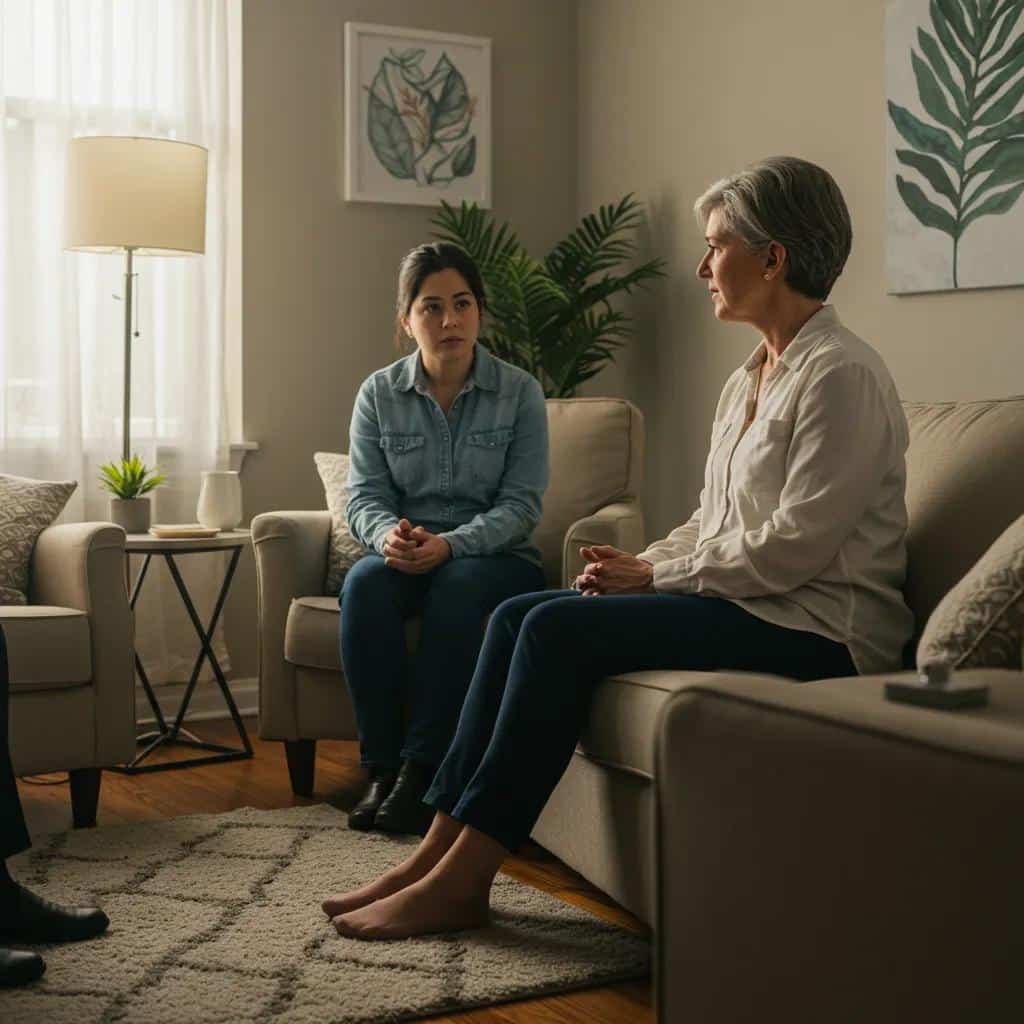
Women who have experienced trauma often turn to substances as a way to cope with emotional pain stemming from abuse or violence. Trauma-informed care acknowledges that unresolved PTSD symptoms—such as hypervigilance, intrusive thoughts, and emotional detachment—can drive self-medication behaviors. By directly addressing trauma through therapies like EMDR (Eye Movement Desensitization and Reprocessing), treatment can reduce triggers and prevent relapse by helping individuals process painful memories in a secure setting. This process not only alleviates PTSD symptoms but also helps restore self-regulation skills essential for maintaining sobriety.
What Are Common Co-Occurring Mental Health Disorders in Women with Addiction?
Here’s an overview of mental health disorders that frequently accompany substance use in women and how they can complicate recovery.
The most common co-occurring mental health disorders among women seeking treatment include:
- Major Depressive Disorder, which can intensify feelings of despair during withdrawal and diminish motivation.
- Generalized Anxiety Disorder, often leading to substance use as a way to manage persistent worry.
- Post-Traumatic Stress Disorder, which can perpetuate avoidance behaviors and increase the risk of relapse.
- Eating Disorders, where concerns about body image become intertwined with addictive behaviors.
- Bipolar Disorder, characterized by mood swings that can make adhering to treatment plans more challenging.
Women-only rehab centers integrate dual diagnosis services, ensuring that each condition is addressed with evidence-based therapies and medication management within a unified, coordinated care plan.
How Do Motherhood and Family Responsibilities Impact Women’s Recovery?
Mothers frequently postpone seeking help due to concerns about childcare, fears of losing custody, and feelings of guilt about disrupting family roles. Women-only programs offer on-site family therapy, parenting support groups, and childcare assistance, effectively reducing both logistical and emotional obstacles. This structure supports maternal healing alongside addiction treatment, empowering women to rebuild healthy family relationships and regain confidence in their parenting abilities. Incorporating parenting education also strengthens coping mechanisms, laying a foundation for stable recovery within the home environment.
In What Ways Do Societal Pressures and Stigma Influence Women’s Addiction?
Societal expectations regarding femininity and caregiving can foster deep shame around substance use, leading women to conceal their struggles and avoid seeking treatment. Gender bias within healthcare systems may lead to the minimization of women’s pain or accusations of being “selfish” for prioritizing their own recovery over family obligations. Women-only settings actively counter this stigma by validating women’s experiences, normalizing open discussions about shame, and cultivating a sense of solidarity. Peer support groups become powerful catalysts for empowerment, dismantling the social barriers that often prolong untreated addiction.
What Are the Core Benefits of Women-Only Rehab Centers for Safer Recovery?
Women-only rehab centers foster environments where safety, empathy, and shared experiences come together to promote accelerated healing. By eliminating mixed-gender dynamics, these programs minimize potential triggers associated with past abuse or relationship conflicts, allowing women to fully engage in therapeutic work. Therapeutic communities composed entirely of women tend to build trust more rapidly, enhancing group cohesion and mutual accountability. Specialized treatment modalities, holistic health services, and women’s health screenings address physical and emotional needs in a comprehensive manner. These advantages contribute to higher levels of engagement, reduced dropout rates, and stronger foundations for long-term sobriety.
How Do Women-Only Rehabs Create a Safe and Supportive Environment?
Women-only facilities incorporate specific design elements and policies to enhance comfort and security.
- Secure living arrangements with same-gender staffing help reduce anxiety.
- Private therapy spaces and women-led support groups encourage open expression and vulnerability.
- Trauma-informed protocols are implemented to prevent re-traumatization by avoiding language or practices that might echo past traumatic experiences.
A trauma-informed approach is fundamental for women in recovery, as it acknowledges the widespread impact of trauma and its connection to substance use.
“Trauma-Informed Intervention for Women in Drug Treatment”
>
“Research shows that integrated, trauma-informed treatment services will increase the success of their recovery. A trauma-informed approach recognizes the widespread impact of trauma and understands potential paths for recovery. It emphasizes physical, psychological, and emotional safety, and creates opportunities for people to rebuild a sense of control and empowerment.”
>
“Evaluation of a trauma-informed and gender-responsive intervention for women in drug treatment, 2008”
Why Is Peer Support and Community Important in Female-Focused Recovery Programs?

Peer support harnesses the power of shared life experiences to normalize challenges and celebrate achievements. Women connect through facilitated groups, building bonds that reinforce accountability and empathy. This communal network serves as a vital resource for coping strategies, relapse prevention, and social reinforcement. By observing the progress of others, participants gain hope and motivation, creating a positive cycle of mutual encouragement that sustains recovery long after the program concludes.
What Tailored Therapeutic Approaches Are Used in Women-Only Rehab?
Modality
Focus Area
Mechanism
Benefit
EMDR
Processing trauma
Utilizes bilateral stimulation to reprocess traumatic memories
Reduces PTSD symptoms and relapse triggers
Cognitive Behavioral Therapy (CBT)
Thought-behavior patterns
Identifies and reframes negative thought patterns
Enhances coping skills and decision-making abilities
Dialectical Behavior Therapy (DBT)
Emotional regulation
Teaches skills for managing distress and practicing mindfulness
Improves emotional stability and aids in relapse prevention
Group Art and Movement Therapy
Nonverbal expression
Employs creative processes to explore emotions
Builds self-esteem and deepens emotional understanding
Women-only programs structure these therapies within a continuum that respects the physiological cycles and emotional rhythms unique to women’s recovery journeys.
How Do Women-Only Programs Address Women’s Specific Health Issues?
Physical health services in female-focused centers include care for reproductive health, nutritional guidance, and screenings for conditions such as polycystic ovary syndrome or thyroid disorders. Holistic practices like yoga, mindfulness, and nutrition workshops support hormonal balance and mind-body integration. This integrated approach empowers women to restore their physical well-being while strengthening their mental health, establishing a comprehensive foundation for lasting sobriety.
What Types of Women-Focused Rehab Programs Are Available?
Women-focused rehab programs encompass a full spectrum of care, from medically supervised detox to intensive inpatient treatment, followed by outpatient and aftercare services. Each program is carefully calibrated to women’s physiological responses and emotional needs, ensuring safety and continuity throughout the recovery process. Clear transitions between different levels of care—detox, residential, outpatient, and aftercare—allow women to progress at their own pace while maintaining access to clinical support and peer networks.
What Does Women’s Medical Detox Involve?
Medical detox for women begins with a thorough assessment of their substance use history, existing medical conditions, and, if applicable, pregnancy status. Medically supervised withdrawal utilizes gender-appropriate medication protocols to manage symptoms such as anxiety and insomnia. Nursing staff, trained in women’s health, closely monitor vital signs, hydration, and nutritional intake to minimize complications. This essential clinical foundation stabilizes physical dependence in a supportive environment, preparing women for subsequent therapeutic work.
How Is Residential Treatment Tailored for Women?
Residential programs provide structured daily routines that blend evidence-based therapies with wellness activities. Women’s residential rehab centers feature group sessions focused on topics specific to women, such as body image, rebuilding self-esteem, and fostering healthy relationships. Facilities often offer private or shared rooms staffed by female clinicians, ensuring round-the-clock emotional support. On-site workshops covering financial literacy, career development, and essential life skills empower participants to regain autonomy and improve their social functioning.
What Outpatient Programs Support Women’s Recovery?
Women’s outpatient services allow participants to reside at home while attending therapy sessions and support groups. These programs offer flexible scheduling options—daytime, evening, or weekend sessions—to accommodate work, school, or childcare responsibilities. Individual counseling addresses dual diagnosis and coping strategies, while group therapy fosters connections and sisterhood. Case managers assist in coordinating community resources, ensuring continuity of care and reducing obstacles to sustained engagement.
How Do Aftercare and Relapse Prevention Programs Support Women?
Aftercare services include alumni groups, ongoing therapy, and relapse prevention workshops. Women-only relapse prevention strategies specifically address triggers related to gender roles, such as stress from caregiving duties, relationship challenges, and societal pressures. Structured check-ins with recovery coaches maintain accountability and encourage the adoption of healthy lifestyle habits. By integrating peer mentorship and life skills training, aftercare programs reinforce essential coping tools and social support crucial for lifelong recovery.
How Can Women Choose the Right Women-Only Rehab Center?
Selecting an appropriate women-only rehab center involves carefully evaluating treatment philosophies, program specializations, staff qualifications, and available support services. Clear decision-making criteria help women identify environments that align with their personal recovery goals, clinical needs, and practical circumstances. Asking targeted questions and understanding the insurance process ensures a smooth admission experience and facilitates access to care without unexpected financial burdens.
What Key Questions Should Women Ask When Selecting a Rehab?
Before committing to a program, women should inquire about the following:
- 1Program Specialties – Does the center provide trauma-informed care and dual diagnosis treatment?
- 2Staff Qualifications – Are the clinicians certified in women’s health and addiction medicine?
- 3Peer Support Structure – How are women’s peer groups facilitated and supervised?
- 4Facility Amenities – What accommodations and wellness services are available to ensure comfort and privacy?
- 5Aftercare Options – What ongoing support is provided after discharge?
These questions guide women toward centers that offer evidence-based care specifically tailored for female recovery.
How Does Insurance and Admissions Work for Women’s Rehab Centers?
Most women-only rehab centers work directly with major insurance providers to verify benefits prior to admission. An admissions coordinator will gather necessary clinical and financial information, submit insurance claims, and clearly outline any out-of-pocket expenses. Understanding coverage details for medical detox, residential stays, therapy sessions, and aftercare services helps women plan their treatment within their insurance benefits and budget. Verifying benefits early on helps minimize barriers and expedite entry into care.
How Does Trauma-Informed Care Enhance Recovery in Women-Only Rehab?
Trauma-informed care serves as a foundational philosophy in women-only rehab, recognizing that past trauma often underlies many pathways to addiction. This approach shifts the focus from asking “What’s wrong with you?” to “What happened to you?”, thereby creating a healing environment that minimizes retraumatization and empowers women to actively participate in their treatment. By integrating trauma-sensitive practices into all interactions, programs foster safety, trustworthiness, collaboration, empowerment, and choice—principles proven to enhance engagement and improve recovery outcomes.
What Is Trauma-Informed Care and Why Is It Essential for Women?
Trauma-informed care embeds an understanding of trauma’s prevalence and impact into every facet of treatment delivery. For women, who report higher rates of interpersonal violence and abuse, this model is crucial for avoiding practices that might trigger shame or feelings of helplessness. By emphasizing safety, transparency, and peer support, trauma-informed care enables women to regain a sense of control and build resilience within a context that honors their experiences and promotes healing.
How Are Trauma and Addiction Linked in Women’s Treatment?
Unresolved trauma can manifest as hyperarousal, avoidance behaviors, and emotional dysregulation, often leading to substance use as a coping mechanism to self-soothe or block distressing memories. In women’s treatment programs, addressing trauma through specialized therapies helps reduce the intensity of triggers that can lead to relapse. Coordinated interventions ensure that addiction and trauma treatment are addressed concurrently, preventing fragmented care and enhancing long-term stability.
Research consistently underscores the significance of gender-specific approaches in addiction treatment, particularly when trauma is a prominent factor.
“Women and Addiction: A Trauma-Informed Approach to Treatment”
>
“Over the past thirty years, our knowledge of women’s lives has increased significantly, and with it, our understanding of the unique treatment needs of women who are addicted to alcohol and other drugs. In the past, substance abuse treatment programs were often designed for men and did not adequately address the specific needs of women. This has led to the development of gender-specific treatment approaches that are tailored to women’s experiences and challenges.”
>
“Women and addiction: A trauma-informed approach, 2008”
Which Therapies Support Trauma Recovery in Women’s Rehab?
Women’s rehab centers utilize a variety of trauma-focused therapies, including:
- EMDR to help reprocess traumatic memories through bilateral stimulation.
- Trauma-focused CBT to assist in restructuring negative beliefs and developing healthier coping strategies.
- Somatic Experiencing to facilitate the release of stored physical tension and restore bodily regulation.
What Outcomes and Success Stories Demonstrate the Effectiveness of Women-Only Rehab?
Data and personal accounts powerfully illustrate the positive impact of gender-specific treatment. Studies indicate higher program completion rates for women in women-only settings and notable improvements in mental health outcomes. Testimonials frequently describe transformative experiences where women gained confidence, healed from past trauma, and successfully rebuilt their relationships. These success stories highlight how female-focused care fosters empowerment and sustained sobriety.
What Are the Recovery Success Rates for Women in Gender-Specific Programs?
Recent research indicates that women in women-only rehab programs complete treatment at rates up to 20% higher than those in mixed-gender settings. Integrated dual diagnosis services contribute to improved mental health stability, with as many as 60% of participants reporting significant reductions in anxiety and depression scores six months after discharge. These statistics clearly demonstrate the effectiveness of gender-responsive treatment modalities.
A comparison between gender-specific programs and mixed-gender ones reveals significant differences in treatment outcomes for women.
“Gender-Specific Treatment for Women with Substance Use Disorders”
>
“This chapter reviews the literature on substance abuse treatment outcomes before analyzing the outcome data in gender-specific versus mixed-gender programs. It discusses the effectiveness of gender-specific programs and then presents findings from studies that have compared the outcomes of women treated in gender-specific programs versus those treated in mixed-gender programs.”
>
“Gender-specific treatment for women with substance use disorders, 2009”
How Do Women Describe Their Experiences in Women-Only Rehab?
Participants often share that they felt “seen” and “understood” for the first time, citing the impact of peer support and the empathy of female clinicians as transformative. Many report achieving breakthroughs in processing childhood trauma, rebuilding their sense of self-worth, and forming lasting recovery networks. These personal narratives illustrate how community and specialized care can catalyze profound personal growth beyond managing addiction.
How Does Gender-Specific Treatment Improve Long-Term Sobriety?
Gender-specific treatment enhances long-term outcomes by:
- Addressing underlying issues such as trauma and co-occurring disorders.
- Cultivating accountability through supportive women’s peer networks.
- Customizing relapse prevention strategies to align with women’s specific emotional triggers.
This comprehensive approach supports the sustained maintenance of sobriety through personalized coping plans and ongoing community reinforcement.
What Are the Differences Between Women-Only and Co-Ed Rehab Centers?
Women-only and mixed-gender rehab centers differ significantly in their environment, therapeutic offerings, and group dynamics. While co-ed programs cater to diverse individuals, they may unintentionally introduce relationship or safety triggers for women, potentially slowing the development of trust. In contrast, women-only settings eliminate these potential stressors, allowing for more targeted interventions and deeper emotional work from the outset.
How Does the Environment Differ in Women-Only vs. Mixed-Gender Programs?
Women-only facilities remove interactions that might echo past abusive dynamics, creating a neutral space free from gender-based power imbalances. This environment reduces anxiety related to judgment and potential sexual distractions, enabling women to focus entirely on their recovery. In mixed-gender settings, group discussions can sometimes be limited by prevailing gender dynamics, whereas women-only groups tend to foster more open sharing and mutual understanding.
What Unique Therapies Are Exclusive to Women-Only Rehab?
Certain group workshops, such as those focusing on body image, rebuilding self-esteem, and mother-child relationships, are specific to women’s programs. These therapies address issues that are often not prioritized in co-ed contexts, such as managing hormonal fluctuations during detox or navigating parenting responsibilities while in treatment. These exclusive modalities create opportunities for tailored healing that may not be readily available in mixed environments.
How Do Peer Support and Group Dynamics Vary by Gender-Specific Settings?
Within women-only groups, peer support centers on shared female experiences, ranging from discussions about societal pressures to navigating complex family roles. Group cohesion often forms quickly as participants recognize common challenges, fostering trust and vulnerability. In co-ed groups, gender differences can sometimes inhibit full disclosure, potentially limiting the depth of support and slowing collective growth.
Women-only rehab empowers recovery by aligning every aspect of treatment—the environment, therapies, and community—with women’s specific needs. If you are ready to explore a safe, women-focused path to healing, contact Sun County Wellness’s admissions team to verify your insurance benefits and begin your journey toward lasting recovery.