
Clinically Reviewed By Brittany Astrom - LMFT
Brittany has 15 years of experience in the Mental Health and Substance Abuse field. Brittany has been licensed for almost 8 years and has worked in various settings throughout her career, including inpatient psychiatric treatment, outpatient, residential treatment center, PHP and IOP settings.
Women on Meth: A Growing Concern
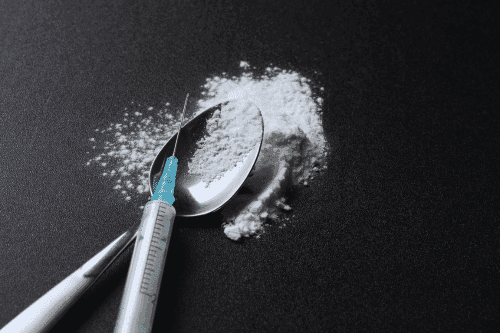
Methamphetamine, commonly known as meth, is a powerful and highly addictive stimulant that poses significant health risks. Women battling both mental illness and substance abuse often face unique challenges in their recovery journey, particularly with drugs like meth. While meth addiction can affect anyone, recent trends indicate a worrying increase in meth use among women.
This article will explore the unique challenges women face in their recovery journey from meth addiction and offer insights into effective strategies for women’s recovery. For those seeking specialized care, Sun County Wellness provides a sanctuary for women in recovery, offering gender-specific treatment options.
The Rise of Meth Use Among Women
In recent years, there has been a noticeable rise in meth use among women. This alarming trend underscores the critical need for targeted substance abuse treatment services that address the specific needs of women. Studies show that women are more likely to use meth as a means of coping with emotional and psychological issues. This trend is alarming as it highlights the need for gender-specific intervention and support systems tailored to the unique circumstances women face.

Reasons Behind the Increase of Meth Addiction
Several factors contribute to the increase in meth use among women:
- 1Emotional and Psychological Stress: Women often turn to meth to escape from emotional pain, depression, or anxiety. These mental health challenges frequently lead to drug and alcohol use as a form of self-medication, further complicating the recovery process. Meth provides a temporary sense of euphoria, making it an attractive option for those struggling with mental health issues. The pressures of balancing work, family, and personal life can exacerbate these feelings, driving some women toward substance abuse as a form of self-medication. Centers like Sun County Wellness emphasize a holistic approach to treating these co-occurring disorders.
- 1Weight Loss: Meth is known to suppress appetite, leading to rapid weight loss. This dangerous method of controlling the female body is particularly appealing in societies that idolize slim figures, despite the severe health risks involved. Some women use meth as a way to achieve or maintain a desired body image, especially in societies that place a high value on thinness.
- 1Social Influences: Peer pressure and social circles can play a significant role in meth use. Social environments where drug abuse is normalized can create additional barriers to seeking help and support. Women may be introduced to meth by friends or partners, making it difficult to break free from the cycle of addiction.
The Impact of Meth on Women
Meth addiction can have severe physical, emotional, and social consequences for women. Addressing these issues through comprehensive mental health services administration is crucial for improving treatment outcomes. Understanding these impacts is crucial for developing effective recovery strategies. Sun County Wellness offers programs designed to address these multifaceted issues in women.
Physical Health Risks
Women who abuse meth are at greater risk of physical and psychological problems, including HIV/AIDS and other sexually transmitted infections, depression and anxiety, eating disorders, and suicide attempts. Meth use can lead to a range of health issues, including:
- Cardiovascular Problems: Meth can cause increased heart rate, high blood pressure, and damage to blood vessels, leading to a higher risk of heart attacks and strokes. These severe consequences of drug abuse demand immediate and continuous care during treatment admissions.
- Dental Issues: Known as “meth mouth,” severe tooth decay and gum disease are common among meth users due to poor oral hygiene and the drug’s corrosive effects. Dental problems can lead to chronic pain, infections, and significant dental repair costs.
- Skin Problems: Meth users often experience sores and infections due to excessive scratching and poor wound healing. These skin issues represent another aspect of how substance abuse treatment services must cater specifically to women.
Emotional and Psychological Consequences
The emotional toll of meth addiction is profound:
- Mental Health Disorders: Meth use can exacerbate existing mental health conditions, leading to severe anxiety, paranoia, and hallucinations. Addressing mental illness in conjunction with crystal meth addiction treatment is vital for effective recovery.
- Emotional Instability: Women addicted to meth often experience mood swings, irritability, and depression, which can strain relationships and hinder recovery. Emotional instability can also lead to impulsive behaviors that further endanger their health and well-being.
Social and Economic Impact
Meth addiction can also have far-reaching social and economic effects:
- Relationship Strain: The erratic behavior and emotional instability caused by meth addiction can lead to strained relationships with family and friends. Trust issues and conflict often arise, making it difficult for women to find the support they need.
- Employment Challenges: Maintaining steady employment becomes difficult due to the physical and emotional toll of addiction, leading to financial instability. Job loss and financial struggles can create a cycle of poverty and addiction that is hard to break.

Effects on Pregnancy and Infant Outcome
Using meth is not considered as safe or harmful as opiates and other drugs for pregnancy. Women using methamphetamine are consuming a lot of cigarettes, alcohol or other drugs that can affect their fertility. Due to the unregulated manufacturing processes that dealers use to increase drug quantities, teratogenicity is an underlying risk to illicit drugs.
The Recovery Journey for Women on Meth
Recovery from meth addiction is undoubtedly one of the most challenging journeys a woman can undertake, but it is also a highly achievable one with the right support and treatment framework. The process begins with thorough treatment admissions that involve comprehensive assessments to understand each individual’s specific circumstances and needs.
This initial step is critical because meth addiction often intersects with various other issues, including mental health disorders, trauma, and social challenges unique to women. Tailoring substance abuse treatment services to address these multifaceted aspects is essential for crafting an effective and personalized recovery plan.
A holistic approach to recovery is particularly beneficial, as it addresses not just the physical addiction but also the emotional and social dimensions of a woman’s life. This means incorporating therapies that focus on mental health, coping strategies, and social reintegration alongside traditional substance abuse treatments.
Facilities like Sun County Wellness are at the forefront of this approach, offering specialized programs designed to meet the unique needs of women recovering from meth addiction. These programs often include a combination of medical care, psychological support, and community-building activities, all aimed at fostering a comprehensive healing process that empowers women to reclaim their lives.
Gender-Specific Treatment Programs
Gender-specific treatment programs can address the unique challenges women face in recovery:
- Trauma-Informed Care: Many women with meth addiction have a history of trauma. Trauma-informed care focuses on creating a safe and supportive environment that acknowledges and addresses past trauma. This approach helps women feel understood and reduces the likelihood of re-traumatization.
- Mental Health Support: Integrated treatment programs that address both addiction and co-occurring mental health disorders are essential for women’s recovery. These programs provide comprehensive care that tackles the root causes of addiction.
Support Networks
Building a strong support network is crucial for women in recovery:
- Family and Friends: Support from loved ones can provide motivation and encouragement throughout the recovery journey. Family therapy can also help mend relationships and build a supportive home environment.
- Support Groups: Joining support groups, such as Narcotics Anonymous (NA) or women-specific recovery groups, can offer a sense of community and shared experiences. These groups provide a platform for women to share their stories and gain insights from others who have faced similar challenges.
Holistic Approaches
Holistic approaches can enhance the recovery process by addressing the physical, emotional, and spiritual aspects of addiction:
- Therapies: Cognitive-behavioral therapy (CBT) and dialectical behavior therapy (DBT) can help women develop coping strategies and address negative thought patterns. These therapies are effective in managing stress and preventing relapse.
- Health and Wellness: Incorporating exercise, nutrition, and mindfulness practices can improve overall well-being and support long-term recovery. Activities such as yoga and meditation can help women reconnect with their bodies and minds in a positive way.
Challenges in Women’s Recovery
Stigma and Shame
Women often face significant stigma and shame around addiction, which can hinder their recovery. Public education and awareness campaigns led by the mental health services administration can help reduce the stigma associated with addiction, encouraging more women to seek help without fear of judgment.
Stigmatization can prevent women from accessing necessary resources and support. Public education and awareness campaigns can help reduce the stigma associated with addiction, encouraging more women to seek help without fear of judgment.
Parenting Responsibilities
Many women struggling with meth addiction are also mothers. Balancing these responsibilities with crystal meth addiction treatment requires accessible resources, such as childcare and parenting support services.
Parenting classes and family therapy can provide additional support, helping mothers rebuild their relationships with their children. Creating a stable and nurturing home environment is key to the recovery process.
Financial Barriers
Financial instability can be a major barrier to accessing treatment and support services. Women may lack the resources to pay for rehabilitation programs, therapy, or medication-assisted treatment. Financial assistance programs and sliding scale fees can make recovery services more accessible to women in need.
Community organizations and government programs can offer financial aid to help women afford the cost of treatment. Ensuring that all women have access to affordable healthcare is crucial for successful recovery.
Effective Strategies for Women’s Recovery
Comprehensive Treatment Plans
Developing comprehensive treatment plans that address the multifaceted nature of addiction is key to successful recovery. These plans should include medical, psychological, and social support tailored to the individual needs of women. Personalized care ensures that all aspects of a woman’s life are considered in her treatment plan.
Community Resources
Leveraging community resources can provide additional support for women in recovery. Access to housing, education, and job training programs can help women rebuild their lives and achieve long-term stability. Community centers and non-profits often offer valuable resources that can make a significant difference in the recovery process.
Ongoing Support and Aftercare
Recovery is an ongoing process that requires continued support even after initial treatment. Aftercare programs, such as sober living homes and outpatient counseling, can provide the necessary support to maintain sobriety and prevent relapse. Long-term follow-up care is essential for ensuring that women remain on the path to recovery.

Conclusion
Meth addiction among women is a growing concern that requires targeted and compassionate intervention. By improving treatment outcomes through the integration of mental health services administration, substance abuse treatment services, and community support, women can overcome meth addiction and build healthier, more fulfilling lives. Facilities like Sun County Wellness and others are committed to providing the necessary resources and support to improve treatment outcomes for this journey.
If you or someone you know is struggling with methamphetamine dependence, seek help today. Access to mental health services and substance abuse treatment services is available to support you on your path to recovery.
Seeking Treatment? We Can Help
At Sun County Wellness, as an in-network provider we work with most insurance plans, such as:
If you or a loved one are struggling with mental health challenges or substance abuse, reach out to Sun County Wellness today. Our team of compassionate professionals is here to support your journey towards lasting well-being. Give us a call at 949-993-1149