
Empowering Professional Women: Navigating Workplace Mental Health, Rights, and Effective Care
Supporting women’s mental health in the workplace is crucial. We understand that unique stressors, hormonal life stages, and caregiving responsibilities profoundly shape symptoms and treatment needs, impacting performance, retention, and overall well-being. This comprehensive guide illuminates your legal protections, explores employer-sponsored programs, shares practical strategies, outlines treatment pathways for dual diagnosis and addiction, and provides step-by-step insurance navigation. Our goal is to empower women to access the care they deserve without compromising their career aspirations.
You’ll discover which federal laws apply, how to confidently request accommodations, how employers can build gender-specific supports, and which clinical options best preserve work continuity. We also delve into trauma-informed and holistic approaches, the vital role of Employee Assistance Programs (EAPs), and concrete steps for verifying insurance and admissions. Throughout, our focus is on actionable insights—complete with checklists, sample scripts, and comparison tables—designed for professionals, managers, and HR teams committed to fostering mental wellness and connecting with specialized treatment resources for working women.
Understanding Your Legal Rights: Mental Health Support for Women in the Workplace
Legal protections are your foundation, enabling you to request necessary accommodations, take medical leave when needed, and access crucial confidentiality safeguards. These laws are in place to prevent discrimination and facilitate reasonable workplace adjustments that help you maintain your employment. The Americans with Disabilities Act (ADA) empowers qualified individuals with mental health or substance use disorders to request reasonable accommodations, while the Family and Medical Leave Act (FMLA) allows eligible employees to take protected leave for serious health conditions. Employers typically engage in an interactive process to evaluate accommodation requests, often requiring documentation from a qualified provider. Knowing these rights helps you confidently plan conversations with HR and managers, setting clear expectations for documentation, timelines, and confidentiality as you seek support.
Key Workplace Laws Protecting Women's Mental Health
Essential federal laws safeguard employees facing mental health and substance use conditions, prohibiting disability discrimination and ensuring access to leave for medical care. The ADA applies to employers of a certain size, mandating reasonable accommodations for qualified individuals with disabilities—including many mental health conditions and, in some cases, substance use disorders in recovery. The FMLA offers eligible employees job-protected, unpaid leave for serious health conditions or to care for family members, which can encompass perinatal mental health needs. State and local laws may offer additional protections or expand eligibility; understanding both federal and local frameworks empowers you to identify the strongest protections available and confidently request workplace adjustments.
How to Confidently Request Mental Health Accommodations at Work
Requesting accommodations begins with a clear, documented approach to HR or your manager, and may involve a medical note detailing functional limitations rather than a specific diagnosis. Here’s a practical, step-by-step guide:
- 1Review your employee handbook or EAP resources to understand internal procedures.
- 2Submit a concise written request outlining your limitation and proposed accommodations.
- 3Provide documentation from your treating clinician that details your functional needs.
- 4Actively engage in your employer’s interactive process to refine and finalize accommodations.
Using neutral, work-focused language (e.g., “I need a temporary modified schedule to attend treatment appointments”) helps preserve confidentiality and frames your request around job performance and solutions, rather than detailed medical disclosure.
Protection
Who’s Covered
Employer Obligation
Americans with Disabilities Act (ADA)
Qualified employees with disabilities, including many mental health conditions
Provide reasonable accommodations unless undue hardship; engage in interactive process
Family and Medical Leave Act (FMLA)
Eligible employees at covered employers for serious health conditions
Grant job-protected leave (unpaid) for qualifying conditions and maintain benefits during leave
Employee Assistance Program (EAP) supports
All employees covered by a provided EAP contract
Offer confidential short-term counseling and referrals; employers must follow contractual limits
This comparison clearly illustrates how the ADA, FMLA, and EAPs work in harmony: the ADA enables accommodations, the FMLA provides essential leave when needed, and EAPs offer immediate, confidential support and referral pathways.
How Employer Mental Health Programs Champion Women's Well-being at Work
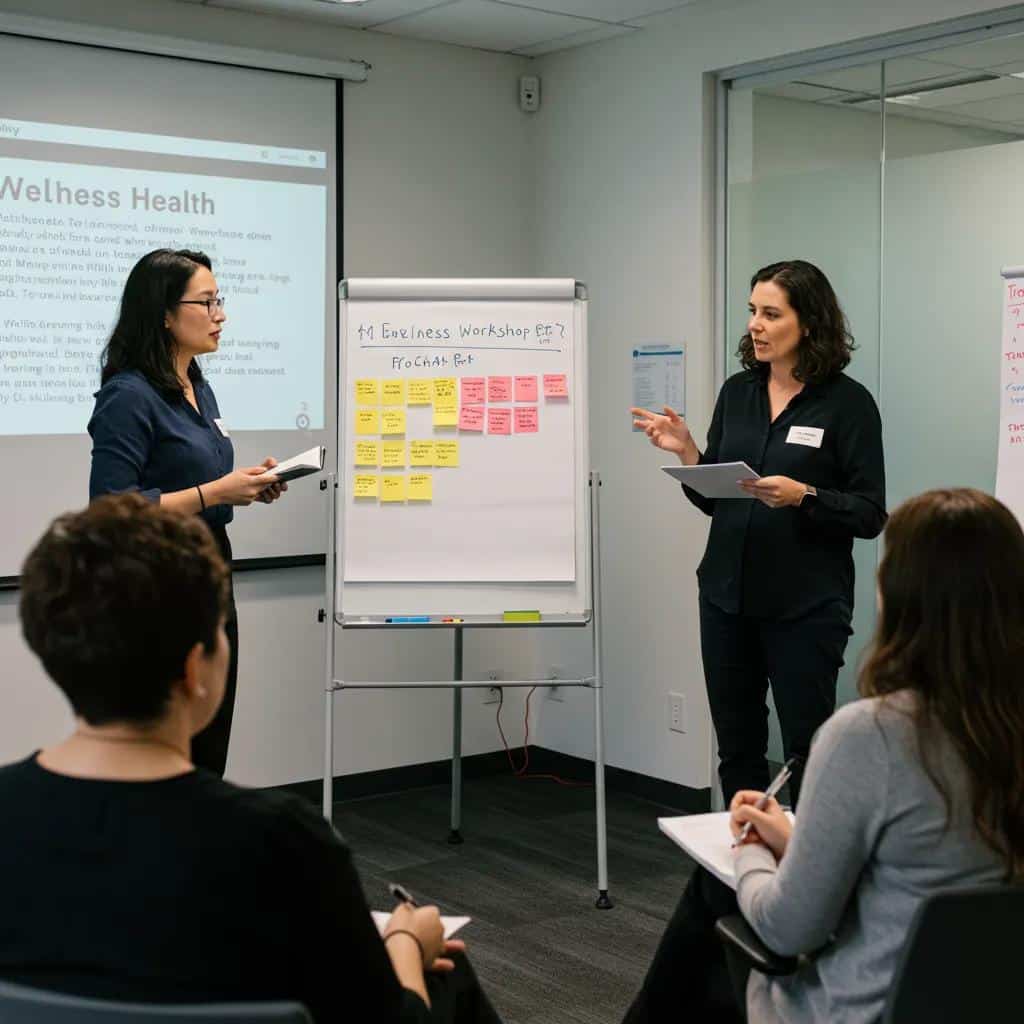
Employer mental health programs provide a vital continuum of support, addressing prevention, early intervention, and crucial links to specialized care. This is especially important for women navigating perinatal challenges, significant caregiving responsibilities, or past trauma. Common offerings include Employee Assistance Programs (EAPs) for short-term counseling, convenient on-site or virtual counseling services, empowering wellness workshops, and targeted groups for specific concerns like postpartum depression or menopause-related mood changes.
These employer-provided resources can also establish clear referral pathways to external specialty providers and implement policies for flexible scheduling and phased returns. By integrating prevention with robust referral capabilities, employer programs effectively reduce barriers to care and normalize seeking help, ultimately protecting careers and fostering retention.
Exploring Gender-Specific Mental Health Resources from Employers
Employers have the power to create targeted resources that genuinely address the biological and social factors uniquely affecting women. This includes vital perinatal mental health support, menopause-friendly policies, and women-only peer groups for trauma recovery and caregiving stress.
Practical offerings often feature lactation and perinatal counseling, educational sessions on hormonal mental health changes, dedicated support groups, and specialized training for managers on gender-sensitive responses. Crucial referral pathways to specialty care—such as trauma-informed therapists or dual diagnosis programs—help employees seamlessly transition from short-term EAP counseling to longer-term support when necessary. Building these gender-specific resources significantly improves early identification and retention by aligning supports with the real-life experiences many women encounter at work.
The Benefits of Employee Assistance Programs (EAPs) for Women's Well-being
EAPs deliver confidential, short-term counseling, crisis support, and referral services that can swiftly address emerging mental health concerns and connect employees to longer-term care when needed. They are particularly valuable for immediate access, offering essential triage for issues like anxiety, depression, or substance use, and guiding employees toward specialized providers for ongoing treatment. While EAPs have limitations, such as short-term session caps and varying depths of clinical services, they function optimally as entry points that can escalate to outpatient or intensive programs when clinically indicated. When EAPs are thoughtfully paired with employer policies for flexible leave and return-to-work planning, they create a powerful bridge from early intervention to sustained recovery and career continuity.
- EAPs offer immediate, confidential short-term counseling and referrals, providing a crucial first step.
- EAPs act as a vital triage system, connecting employees with specialized care when needed.
- Understanding EAP limitations highlights the importance of clear escalation pathways for complex or chronic conditions.
These points underscore that while EAPs ease access and confidentiality concerns, both employers and employees should proactively plan for continuity of care beyond EAP capacity when necessary, leading us to practical workplace strategies for ongoing support.
Empowering Strategies for Women to Thrive: Managing Mental Health at Work
Effective workplace strategies thoughtfully combine individual clinical approaches with supportive organizational policies to reduce triggers, enhance functioning, and sustain employment. Clinically, evidence-based therapies like CBT, DBT, and trauma-focused interventions effectively address symptoms and build coping skills, while holistic supports—including mindfulness, fitness, and nutrition—beautifully complement therapy and boost resilience. Organizationally, trauma-informed policies, manager training, flexible scheduling, and clear return-to-work plans actively reduce the risk of re-traumatization and thoughtfully accommodate functional needs. A coordinated approach that harmonizes clinical treatment with workplace accommodations consistently improves outcomes and decreases absenteeism, forging a stable path for recovery and career preservation.
How Trauma-Informed Care Transforms Workplace Support for Women
Trauma-informed care in the workplace profoundly recognizes the widespread prevalence of trauma and prioritizes safety, choice, trustworthiness, collaboration, and empowerment in all policies and interactions. Implementing trauma-informed principles means training managers to avoid re-traumatizing language, establishing predictable routines, and offering private spaces for sensitive conversations or teletherapy sessions. This compassionate approach significantly reduces triggers, enhances engagement, and cultivates a culture where women feel secure and empowered to ask for adjustments related to trauma-related symptoms. By embedding trauma-informed practices into supervision and HR protocols, organizations can dramatically improve retention and mitigate the performance impacts that often stem from untreated trauma.
The Power of Flexible Work: Supporting Mental Health for Women

Flexible work arrangements—such as adjusted hours, hybrid schedules, compressed workweeks, or temporary reduced duties—are invaluable in helping women manage treatment appointments, navigate caregiving responsibilities, and accommodate symptom variability without sacrificing their employment. Negotiating flexibility is most successful when requests are thoughtfully framed around work output and specific, temporary adjustments, and when employers provide clear documentation processes and trial periods. Employers benefit immensely from reduced turnover and sustained productivity when flexible options are thoughtfully paired with measurable expectations and periodic reviews. These arrangements thus beautifully serve both individual recovery needs and crucial organizational goals, allowing women to maintain career momentum while accessing essential care.
- Flexible schedules are a cornerstone for supporting attendance at treatment and significantly reducing stress.
- Temporary workload adjustments enable phased returns without performance penalties, fostering a smoother transition.
- Documented trial periods are key, helping both employers and employees evaluate effectiveness and make informed decisions.
These practical points empower readers to negotiate accommodations that preserve both their health and career trajectory, seamlessly leading into how clinical pathways can directly support working women.
Maintaining Your Career While Seeking Addiction Treatment: A Guide for Professional Women
Working professionals can confidently access addiction and dual diagnosis treatment through structured, career-preserving options that prioritize confidentiality, flexible scheduling, and thoughtful phased return-to-work planning. Levels of care—including Partial Hospitalization Programs (PHP), Intensive Outpatient Programs (IOP), and Outpatient Programs (OP)—vary in intensity and time commitment, allowing many women to continue working throughout their treatment journey. Transitional supports like sober living and supportive housing provide essential routine and peer accountability, fostering employment stability for those needing residential continuity. Understanding the tradeoffs between treatment intensity and workplace impact empowers professionals to choose a pathway that effectively treats co-occurring mental health and substance use disorders while minimizing career disruption.
Tailored Dual Diagnosis Treatments for Professional Women
Integrated dual diagnosis treatment thoughtfully combines evidence-based therapies (such as CBT, DBT, and trauma-focused care), medication management when appropriate, and work-focused counseling to address co-occurring mental health and substance use disorders in a career-sensitive manner. Programs specifically tailored for professionals emphasize flexible scheduling for sessions, robust confidentiality safeguards, and practical problem-solving for workplace stressors and relapse prevention. Supportive services like case management and employer liaisons can expertly coordinate medical documentation or phased return plans while meticulously protecting privacy. This integrated approach is designed to preserve job continuity by aligning clinical goals with workplace realities and significantly reducing the risk of relapse that can stem from unmanaged co-occurring conditions.
Sober Living & Supportive Housing: Foundations for Workplace Recovery
Sober living and supportive housing provide structured, substance-free environments rich with peer support, accountability, and routines that stabilize recovery while empowering residents to maintain employment or return-to-work schedules. Typical features include curfews, required meetings, and a strong focus on daily functioning skills that directly translate to workplace reliability. Location and commute logistics are vital for working women, so proximity to work or public transit significantly improves feasibility; these residences often coordinate with outpatient schedules to thoughtfully balance treatment and job responsibilities. These transitional settings effectively reduce relapse risk by offering a supportive community and structure that beautifully complement clinical care and foster sustained employment.
Level of Care
Time Commitment
Workplace Impact
Partial Hospitalization Program (PHP)
Daily, several hours (structured daytime treatment)
High time commitment; may require temporary work leave or modified schedule
Intensive Outpatient Program (IOP)
Multiple sessions per week, several hours each
Moderate; often compatible with part-time work or flexible schedules
Outpatient Program (OP)
Weekly or biweekly sessions
Low; highly compatible with full-time employment and gradual recovery
For women seeking truly tailored dual diagnosis programs, specialized centers are ready to assist with admissions, confidentiality, and insurance verification. Sun County Wellness is a dedicated dual diagnosis women’s treatment center, offering a comprehensive continuum of gender-specific programs—including PHP, IOP, and OP—along with supportive sober living and housing options thoughtfully designed to empower working women. Our center seamlessly integrates evidence-based therapies (CBT, DBT, trauma-focused care) with holistic practices such as mindfulness, fitness, and nutrition. We warmly encourage inquiries for admissions and insurance verification to help professionals meticulously plan care that perfectly aligns with their career responsibilities.
The Essential Role of Gender-Specific Mental Health Care in the Workplace
Gender-specific mental health care is paramount because it thoughtfully recognizes the biological, social, and cultural factors that uniquely influence symptom presentation, treatment response, and recovery trajectories for women. This specialized approach leads to more precise, truly effective workplace supports. Hormonal life stages, such as perinatal periods and menopause, can trigger or significantly exacerbate mood disorders, while societal pressures, caregiving expectations, and role conflict often increase chronic stress and burnout risk. Tailoring care to these specific factors—through gender-specific groups, clinician expertise, and supportive workplace policies—consistently improves engagement and outcomes. Employers who genuinely understand these distinctions can implement targeted accommodations and referral pathways that effectively reduce long-term disability and champion sustained career participation.
Hormonal Shifts & Societal Pressures: Impact on Women's Workplace Mental Health
Hormonal transitions—including pregnancy, postpartum, perimenopause, and menopause—can profoundly produce mood, anxiety, cognitive, and sleep-related symptoms that impair work performance and heighten the need for help-seeking. Concurrently, societal pressures and disproportionate caregiving responsibilities create chronic stress, time scarcity, and role strain that compound these biological vulnerabilities. Employers can significantly mitigate these impacts by offering vital perinatal mental health supports, flexible leave and scheduling options, and manager training that thoughtfully recognizes symptom variability during hormonal life stages. Addressing both physiological and social contributors leads to more effective workplace supports and dramatically reduces avoidable performance consequences.
Holistic Approaches for Women's Mental Wellness in the Workplace
Holistic, workplace-friendly strategies—such as mindfulness programs, brief on-site or virtual fitness sessions, practical nutrition guidance, and essential sleep hygiene education—beautifully complement clinical care by addressing lifestyle factors that profoundly influence mood, cognition, and stress resilience. Short, evidence-based practices like brief mindfulness breaks, structured physical activity, and nutrition check-ins can be seamlessly integrated into workdays without major disruption, significantly enhancing the benefits of psychotherapy.
When thoughtfully combined with clinical treatments such as CBT or trauma-informed therapy, holistic supports demonstrably improve functioning and provide practical, empowering tools employees can utilize throughout their workday to effectively manage symptoms.
- Mindfulness and brief daily practices are powerful tools for reducing acute stress and improving focus.
- Workplace fitness initiatives actively support healthy sleep patterns and mood regulation.
- Nutrition and sleep interventions are fundamental for enhancing energy levels and cognitive performance.
These combined strategies create a practical, layered approach to supporting women’s mental wellness that thoughtfully aligns clinical, lifestyle, and organizational levers toward achieving better, more sustainable outcomes.
Navigating Insurance & Employer Benefits: Accessing Mental Health Services for Women
Navigating insurance and employer-sponsored resources requires systematic verification, clear documentation, and proactive engagement with EAP and HR channels to confirm coverage and secure authorizations without delaying essential care. Begin by locating your benefits summary and EAP contact, then confidently call your insurer’s mental health line to confirm network coverage, prior authorization requirements, and out-of-network options. Coordinating with HR, EAP, and your chosen treatment provider significantly accelerates verification and ensures all required documentation (diagnosis codes, treatment plans) is meticulously in place. Clear steps and sample scripts are provided to streamline this process and effectively reduce barriers to timely admission and treatment.
Major Insurance Providers Covering Women's Workplace Mental Health Treatment
Several major insurers commonly provide comprehensive mental health and addiction coverage, and many specialized treatment centers actively partner with these insurers to simplify verification and admissions assistance. Typical partners include Aetna, Anthem, Blue Cross Blue Shield, Cigna, GEHA, Humana, Magellan, and UMR. It’s important to note that coverage patterns can vary by plan type, network rules, and prior authorization requirements. Treatment centers that offer benefits verification can often clarify which services—PHP, IOP, OP, or residential supports—are covered under your specific plan and what documentation is required. Partnering with a provider that facilitates insurance verification significantly reduces administrative burden and speeds up your access to vital care.
Insurer
Network & Prior Authorization
Verification Tip
Aetna
May require prior authorization for higher-intensity programs
Have your plan ID ready and ask for the mental health/substance use benefits line
Anthem
Network plans vary by state; prior authorization common for PHP
Confirm in-network provider lists and understand the authorization process
Blue Cross Blue Shield
Coverage varies by local BCBS plan; prior authorization often needed
Request specific coverage details for PHP/IOP and any facility requirements
Cigna
Behavioral health carve-outs possible; Magellan may handle utilization
Ask who manages behavioral health utilization for your specific plan
Humana / UMR / GEHA
Employer-specific plan designs significantly influence coverage
Provide your employer name and plan type when calling for verification
Your Step-by-Step Guide to Verifying Insurance Benefits for Mental Health & Addiction Care
A clear, step-by-step verification checklist is essential for streamlining benefit confirmation and minimizing delays during admissions:
- 1Gather your essentials: employer plan name, member ID, and group number before making any calls.
- 2Contact HR or your EAP to confirm internal pathways and any employer-sponsored benefits or referrals.
- 3Call your insurer’s behavioral health line and inquire about network status, prior authorization needs, and covered levels of care (PHP/IOP/OP).
- 4Share your clinical details with the treatment provider to request benefits verification and pre-authorization if required.
Sample script: “Hello, my name is , and my member ID is [#]. I need to confirm my mental health and addiction treatment benefits for PHP/IOP/OP, whether prior authorization is required, and which providers are in-network.” If coverage is unclear or denied, request a written denial, inquire about appeals, and discuss out-of-network options or sliding-scale financial assistance with your provider.
Insurer
Contact Point
Typical Prior Authorization
Aetna
Behavioral health line
Often required for PHP
Anthem
Local BCBS administrator
Frequently required for intensive levels
Cigna
Behavioral health/carve-out vendor
May require utilization review
Humana
Behavioral health unit
Authorization policies vary by employer
UMR / GEHA
Third-party administrator
Always check your employer plan design
Summarizing these steps and insurer specifics makes the verification process practical and actionable for women seeking timely care. For those who prefer personalized assistance, specialized treatment centers are often equipped to perform benefits checks and expertly guide you through admissions paperwork.
Sun County Wellness proudly partners with many major insurers and offers dedicated admissions and insurance verification assistance to significantly reduce administrative barriers to care. Our center’s dual diagnosis programs and comprehensive continuum of services make us an invaluable resource for employees and employers seeking gender-specific treatment options. We warmly encourage prospective clients to inquire about our admissions and verification support, empowering them to select a program that seamlessly preserves career continuity.
- Always locate your plan documents and EAP contacts before making any calls.
- Utilize our insurer checklist and sample script to confidently confirm your coverage.
- If denied, request a written denial, explore all appeal options, and discuss alternatives with your providers.
Your Questions Answered: Frequently Asked Questions
What are the signs that a woman may need mental health support at work?
Women may experience various indicators suggesting a need for mental health support, including persistent feelings of sadness, anxiety, or irritability, noticeable difficulty concentrating, changes in sleep patterns or appetite, and withdrawal from social interactions. Additionally, physical symptoms like chronic fatigue or unexplained aches can manifest. Recognizing these signs early is incredibly important, as they can significantly impact work performance and overall well-being. If these symptoms persist or worsen, seeking support through employer resources or mental health professionals is essential for maintaining both mental health and job performance.
How can managers create a supportive environment for women's mental health?
Managers can foster a truly supportive environment by actively promoting open communication about mental health, providing training on recognizing signs of distress, and implementing flexible work arrangements. Encouraging regular check-ins and cultivating a culture where employees feel safe discussing their mental health needs can dramatically reduce stigma. Additionally, offering valuable resources such as Employee Assistance Programs (EAPs) and mental health days clearly demonstrates a commitment to employee well-being. By prioritizing mental health, managers can significantly enhance team morale, productivity, and retention.
What role does peer support play in women's mental health at work?
Peer support is absolutely vital for women’s mental health in the workplace, as it cultivates a profound sense of community and belonging. Engaging with colleagues who understand similar challenges can provide invaluable emotional validation and practical advice. Support groups or informal networks can facilitate sharing experiences and coping strategies, effectively reducing feelings of isolation. Additionally, peer support can empower women to seek professional help when needed, fostering a more resilient workforce. Organizations that actively promote peer support initiatives often see improved morale and reduced turnover rates.
How can women balance caregiving responsibilities with their mental health needs?
Balancing caregiving responsibilities with mental health needs requires effective time management and proactive self-care strategies. Women can greatly benefit from setting clear boundaries, prioritizing tasks, and seeking help from family or community resources. Utilizing flexible work arrangements can also provide the necessary time for self-care and treatment appointments. Engaging in mindfulness practices, regular exercise, and hobbies can effectively help manage stress. Additionally, open communication with employers about caregiving challenges can lead to supportive adjustments that promote both mental health and a healthier work-life balance.
What are the benefits of trauma-informed care in the workplace?
Trauma-informed care in the workplace acknowledges the profound impact of trauma on employees and actively promotes a safe, supportive environment. This compassionate approach emphasizes understanding, trust, and empowerment, which can significantly enhance employee engagement and retention. By training managers to recognize trauma-related behaviors and providing accessible resources for affected employees, organizations can effectively reduce stigma and create a culture of genuine support. Implementing trauma-informed practices can lead to improved mental health outcomes, increased productivity, and a more cohesive, understanding workplace atmosphere.
How can women advocate for their mental health needs at work?
Women can powerfully advocate for their mental health needs by clearly communicating their challenges and confidently requesting specific accommodations. Preparing for discussions with HR or management by thoughtfully outlining needs and potential solutions can facilitate productive conversations. Utilizing available resources, such as EAPs, can provide additional support and expert guidance. Building a network of allies within the workplace can also strengthen advocacy efforts. By being proactive and assertive, women can actively create a more supportive work environment that truly prioritizes mental health.