

Clinically Reviewed By Brittany Astrom - LMFT
Brittany has 15 years of experience in the Mental Health and Substance Abuse field. Brittany has been licensed for almost 8 years and has worked in various settings throughout her career, including inpatient psychiatric treatment, outpatient, residential treatment center, PHP and IOP settings.
Women’s Mental Health Yoga: Movement, Breath, and Calm for Healing and Emotional Balance
Introduction to Healing Through Yoga
Women’s mental health yoga thoughtfully blends movement (asana), breathwork (pranayama), and mindfulness to foster emotional regulation, ease anxiety, and beautifully complement clinical treatment for trauma and substance use disorders. This article will gently guide you through how these integrative yoga practices work—exploring their biological foundations, practical techniques, and trauma-informed adaptations—and show how they can be woven into your recovery journey and daily emotional care. You’ll discover which movement sequences and breath techniques are most effective for managing anxiety and mood symptoms, how mindfulness builds lasting resilience, and how trauma-sensitive approaches ensure safety and personal choice. This guide also delves into clinical integration, highlighting how yoga and mindfulness support dual-diagnosis treatment and relapse prevention. Throughout, we’ve included specific, actionable steps, lists of beneficial poses and practices, clear comparative tables, and practical tips to help you begin a safe, consistent practice that truly honors women’s unique physiological and social needs.
Understanding Women’s Unique Mental Health Challenges and How Yoga Can Help
Women often navigate a complex landscape of biological and social stressors that can heighten the risk for anxiety, depression, trauma-related symptoms, and substance use disorders. Hormonal shifts—from menstrual cycle fluctuations to pregnancy, postpartum changes, and perimenopause—can profoundly influence neurotransmitter systems and stress responses, contributing to mood instability and increased anxiety. Societal expectations and caregiving responsibilities can lead to chronic stress, increasing allostatic load and leaving little room for self-care. Furthermore, a higher lifetime exposure to interpersonal trauma often results in elevated rates of PTSD and somatic symptoms. Yoga’s gentle combination of slow movement, regulated breath, and mindful awareness directly addresses these mechanisms by enhancing interoception, calming autonomic arousal, and strengthening emotional regulation skills.
For women, yoga offers specific applications that bring profound benefits for hormonal mood shifts, caregiver stress, and trauma recovery:
- Experience improved mood stability during hormonal transitions through gentle restorative practices and mindful breath regulation.
- Find decreased physiological arousal and anxiety through slow, diaphragmatic breathing and activation of the vagal nerve.
- Cultivate increased body awareness and a sense of safety for trauma survivors using choice-based, trauma-sensitive sequencing.
These carefully targeted benefits make gender-specific and trauma-informed yoga incredibly relevant within clinical settings designed for women. In the next section, we’ll explore how hormonal and societal factors specifically shape which practices offer the most profound support.
How Hormonal and Societal Factors Shape Women’s Mental Wellness
Hormonal cycles significantly influence neurotransmitters like serotonin and GABA, creating predictable periods of vulnerability for mood and anxiety symptoms. Pregnancy, postpartum, and perimenopause introduce further neuroendocrine shifts that truly require tailored support. Societal pressures—such as caregiving expectations, workplace demands, and gender-based trauma exposure—can compound biological vulnerabilities by increasing chronic cortisol exposure and limiting opportunities for restorative self-care. Practical mind-body adaptations include scheduling shorter daily practices during high-symptom phases, prioritizing restorative poses that deeply support sleep, and emphasizing breathwork for rapid calming when mood feels destabilized. These thoughtful strategies ensure safety and efficacy while perfectly matching practice intensity to your physiological state and time constraints.
The Essential Role of Trauma-Informed and Gender-Specific Care in Yoga Therapy
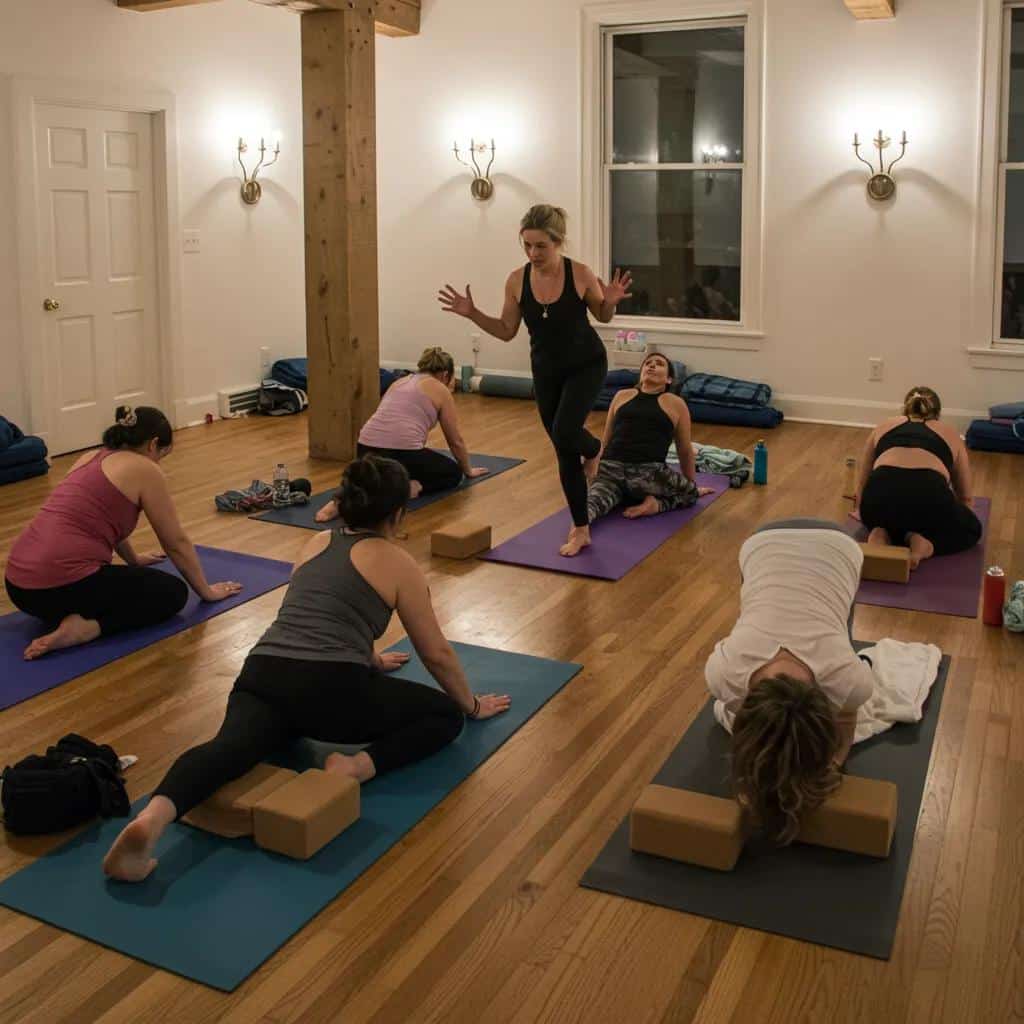
Trauma profoundly reshapes the body’s stress systems and somatic memory, meaning traditional cueing and hands-on instruction can inadvertently re-traumatize survivors without careful adjustments. Trauma-informed yoga thoughtfully emphasizes predictable structure, invitational language, clear options for participation, and strict no-touch policies unless explicitly consented. This approach creates a truly therapeutic container where women can safely and gently reconnect with their interoceptive awareness. Gender-specific classes further reduce social threat by offering invaluable peer support and addressing topics like reproductive transitions or caregiving stress in a focused, understanding way. Integrating these trauma-sensitive principles builds trust, enhances engagement, and supports measurable clinical outcomes when delivered alongside other evidence-based therapies.
Research indicates that trauma-informed yoga is a promising body-based therapy for trauma treatment, contributing significantly to the field of trauma therapy.
“Trauma-Informed Yoga: A Promising Body-Based Therapy for Trauma Treatment”
>
“Trauma informed yoga is one of the body-based therapies that demonstrates promise for the treatment of trauma, and while more replicable protocols need to be developed and more randomized control studies conducted, the research to date shows the clear benefit and contribution of trauma informed yoga to the field of trauma therapy.”
>
“Overview of Trauma informed Yoga: Past, present, and future, S Shapiro, 2025”
How Yoga Movement Practices Nurture Women’s Mental Health and Emotional Regulation
Movement practices within yoga beautifully promote emotional regulation by enhancing interoception and proprioception, boosting parasympathetic tone, and gently modulating neurotransmitters like GABA that help reduce anxiety. Gentle, intentional movement cultivates body awareness and offers corrective sensory input that calms hyperarousal while uplifting mood through low-intensity physical activity. Consistent practice builds behavioral activation, improves sleep quality, and strengthens vital coping strategies for life’s stressors. The following sections will illuminate the benefits of gentle movement and highlight specific poses and sequences designed to foster calm and build profound body trust.
The Healing Benefits of Gentle Yoga and Movement for Anxiety and Depression Relief
Gentle yoga effectively reduces physiological markers of stress and supports a more balanced mood through a powerful combination of physical and autonomic mechanisms: improved heart-rate variability, reduced cortisol spikes, and increased GABA activity, all linked to decreased anxiety. Clinically, randomized and controlled trials consistently show moderate improvements in depressive and anxiety symptoms when restorative and gentle hatha approaches are practiced regularly. Practical benefits include deeper, more restful sleep, more stable energy throughout your day, and an enhanced capacity for emotional regulation in challenging situations. Incorporating just 20–30 minutes of gentle movement most days of the week can yield measurable improvements in mood and stress tolerance, especially when paired with mindful breath and meditation practices.
Studies suggest that yoga practice can lead to improvements in emotional functioning for individuals experiencing emotional dysregulation, with physiological changes supporting these benefits.
“Yoga’s Impact on Emotion Regulation and Physiological Correlates”
>
“The review suggests that yoga produces improvements in emotional functioning in individuals experiencing emotional dysregulation. The physiological correlates of these improvements are also explored, highlighting the mind-body connection inherent in yoga practice for emotional well-being.”
>
“Yoga and emotion regulation: A review of primary psychological outcomes and their physiological correlates., CB Menezes, 2015”
Yoga Poses and Sequences for Cultivating Body Awareness and Calm in Women
Certain grounding and restorative postures reliably foster interoception and deep relaxation, remaining wonderfully accessible to women across various fitness levels. Key poses include supported child’s pose for a sense of safety and gentle surrender, legs-up-the-wall for profound parasympathetic activation, and supported bridge to softly open the chest while maintaining a strong sense of grounding.
A brief, trauma-sensitive 8-minute sequence might beautifully incorporate grounded breath, cat-cow with invitational language, supported bridge with props, and a reclined body scan.
Thoughtful modifications—like using props, offering optional eye coverings, and ensuring clear exit paths—empower autonomy and minimize reactivity, all while gently encouraging steady exposure to safe interoceptive cues.
To help you choose the most appropriate formats for specific symptoms, here’s a comparison of different movement practices:
Practice Type
Intensity / Session Length
Target Symptoms
Gentle Hatha
Low–Moderate; 30–45 min
Anxiety reduction, mood stabilization
Restorative with Props
Very low; 20–40 min
Sleep improvement, calming autonomic arousal
Slow Vinyasa (therapeutic)
Moderate; 30–60 min
Energy regulation, mild depressive symptoms
This helpful comparison empowers clinicians and individuals to tailor session type and duration to specific symptom profiles and physical tolerance. Next, we’ll explore the profound physiological role of breathwork in anchoring the mind.
How Breathwork Anchors the Mind and Reduces Stress in Women’s Mental Health Yoga
Breathwork profoundly anchors the mind by engaging vagal pathways that boost parasympathetic activity, gently lowering heart rate and subjective anxiety while enhancing heart rate variability and emotional regulation. Intentional breathing techniques skillfully alter CO2 dynamics and activate neural circuits that foster calm, making breathwork a wonderfully portable, rapid-acting tool for women navigating hormonal mood shifts, caregiving stress, or trauma-triggered arousal. Below, you’ll find specific, evidence-based techniques with clear how-to steps and immediate benefits, plus a comparative table to guide your selection and practice frequency.
Effective Breathwork Techniques for Anxiety and Emotional Regulation
Several breath practices reliably reduce anxiety and stabilize emotions: diaphragmatic breathing, box (4-4-4) breath, and alternate nostril breathing each offer distinct mechanisms and situational uses. Diaphragmatic breathing (a slow, gentle belly breath, 5–6 breaths per minute) directly stimulates vagal tone and is incredibly useful for immediate calming. Box breath thoughtfully structures rhythm and cognitive focus with equal counts for inhale, hold, exhale, and hold (e.g., 4-4-4-4), proving helpful when attention feels scattered. Alternate nostril breathing beautifully balances neural hemispheres and can be used before restorative practice or to prepare for sleep. Practice guidance: begin with 2–5 minutes per technique, gradually increasing to 10–20 minutes as you feel comfortable, and always avoid forceful or rapid methods that could trigger hyperventilation.
- 1Diaphragmatic Breathing: A slow, deep inhale into the belly, followed by a gentle exhale; perfect for rapid calming and vagal activation.
- 2Box Breath (4-4-4-4): Equal counts for inhale, hold, exhale, hold; excellent for cognitive grounding and focus.
- 3Alternate Nostril (Nadi Shodhana): Breathing through one nostril at a time; ideal before sleep or to balance emotional reactivity.
These techniques beautifully align with the neural and autonomic effects we’ll describe next, clarifying why breath interventions are so incredibly potent.
How Breathwork Influences the Nervous System and Promotes Deep Relaxation
Breath practices skillfully modulate autonomic balance by increasing parasympathetic signaling through vagal afferents, which significantly improves heart rate variability and reduces sympathetic tone. Research consistently links coherent or resonant breathing patterns to measurable increases in vagal tone and reductions in cortisol and anxiety scores, strongly supporting their clinical use for mood and stress disorders. Breathwork also interacts beautifully with neurotransmitter systems—enhanced parasympathetic activity correlates with higher GABAergic tone, which naturally lowers baseline anxiety. Observable signs of effective breathwork include a slowed breathing rate, a softer jaw and shoulders, and an improved subjective sense of calm within minutes; consistent practice yields more durable shifts in baseline arousal and resilience.
Breath Technique
Mechanism
Immediate Effect
Diaphragmatic Breathing
Vagal stimulation; lowered respiratory rate
Faster calming, reduced HR
Box Breath (4-4-4-4)
Cognitive pacing and interoceptive focus
Improved attention and reduced panic
Alternate Nostril
Bilateral neural modulation
Balanced arousal, eased anxiety
Breathwork is often taught in supportive clinical group formats and can be seamlessly integrated into structured programs. The next section will shift our focus to mindfulness’s complementary role in building profound resilience. Before we move on, please note: Sun County Wellness thoughtfully incorporates breathwork into our holistic therapies and dual-diagnosis programming. Patients and clinicians are warmly invited to inquire about breathwork classes offered within our partial hospitalization (PHP) and intensive outpatient (IOP) schedules, and to verify insurance coverage when considering admissions.
Meta-analyses confirm that breathwork can be effective for improving stress and mental health, demonstrating significant effects on anxiety and depressive symptoms.
“Breathwork Effectiveness for Stress, Anxiety, and Depression: A Meta-Analysis”
>
“Meta-analyses for secondary outcomes of self-reported/subjective anxiety (k= 20) and depressive symptoms (k= 18) showed similar significant effect sizes:g= − 0.32,p< 0.0001, andg= − 0.40,p< 0.0001, respectively. Heterogeneity was moderate and significant for both. Overall, results showed that breathwork may be effective for improving stress and mental health. However, we urge caution and advocate for nuanced research approaches with low risk-of-bias study designs to avoid a miscalibration between hype and evidence.”
>
“Effect of breathwork on stress and mental health: A meta-analysis of randomised-controlled trials, GW Fincham, 2023”
The Role of Mindfulness in Cultivating Calm and Resilience for Women
Mindfulness beautifully cultivates present-moment awareness and decentering, strengthening your capacity to observe thoughts and sensations without automatic reactivity. This practice significantly reduces rumination and the risk of depressive relapse. Mechanistically, consistent mindfulness practice alters prefrontal-limbic connectivity, enhancing top-down regulation of emotion and lowering amygdala hyperreactivity, which is common in anxiety and PTSD. For women, mindfulness offers invaluable support in coping with hormonal mood variability, caregiving stress, and triggers linked to interpersonal trauma by teaching stabilized attention and profound self-compassion practices. The following subsections will summarize compelling clinical evidence and provide practical daily practices you can easily integrate into even the busiest schedules.
How Mindfulness Meditation Can Gently Reduce Symptoms of Depression and PTSD
Clinical trials of Mindfulness-Based Stress Reduction (MBSR) and thoughtfully adapted mindfulness interventions consistently demonstrate moderate reductions in depressive symptoms and PTSD-related hyperarousal across diverse populations. Key mechanisms include decreased rumination, improved emotion regulation, and enhanced cognitive flexibility—all changes that translate into lower symptom severity and improved daily functioning. For PTSD, mindfulness gently reduces avoidance behaviors and improves tolerance of somatic sensations, making exposure-based therapies even more effective when combined. In clinical settings, short, consistent doses of mindfulness (just 10–20 minutes daily) produce reliable symptom reductions, and structured programs can be beautifully adapted to address women’s specific stressors, such as postpartum mood changes.
Daily Mindfulness Practices to Support Women’s Emotional Balance
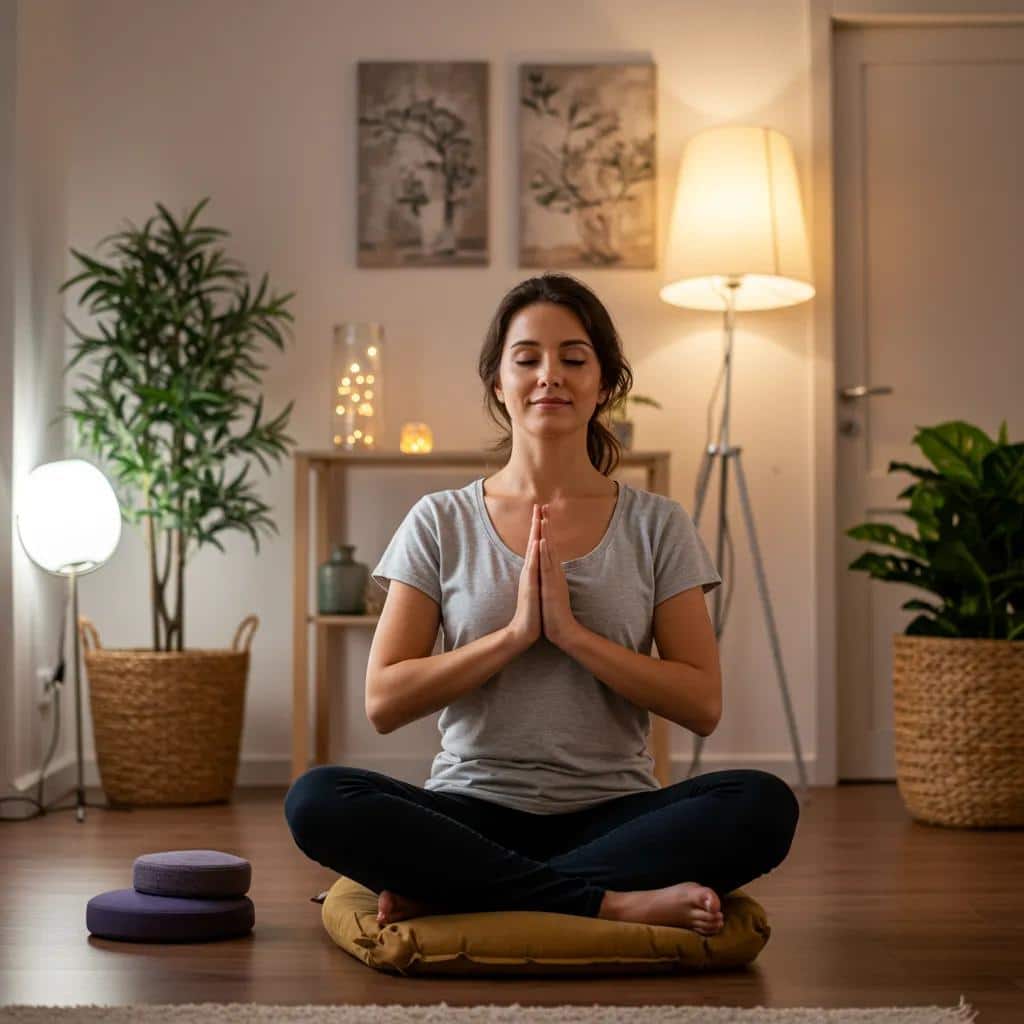
Practical, time-efficient mindfulness practices are designed to help busy women build profound resilience without requiring large time commitments. Micro-practices like a 3-minute breathing space, mindful walking during commutes, and a 5–10 minute evening body scan significantly improve interoceptive awareness and gently interrupt rumination cycles. Tips for habit formation include stacking practices onto existing routines (e.g., after brushing your teeth), using brief prompts for consistent practice, and pairing short group or guided meditations with accountability partners. These micro-habits beautifully accumulate into meaningful changes in emotional reactivity and offer sustained support for recovery from mood and trauma symptoms.
- 3-minute breathing space: gently notice, breathe deeply, and expand your awareness.
- Mindful walking: pay attention to your footsteps and surroundings for 5 minutes.
- Evening body scan: a progressive focus on bodily sensations for 7–10 minutes.
These practices lay a strong foundation for deeper work in trauma-informed yoga and naturally bridge to the trauma-sensitive principles we’ll describe next.
How Trauma-Informed Yoga Supports Women’s Healing and PTSD Recovery
Trauma-informed yoga thoughtfully adapts instruction and environment to prioritize safety, choice, and predictability, significantly reducing the risk of re-traumatization while gently facilitating somatic regulation. Core elements include invitational language, clear options for each posture, private exits from the room, and strict non-touch policies unless explicitly consented. These measures powerfully foster autonomy and reduce threat responses. For women living with PTSD, trauma-sensitive sequencing—characterized by slow pacing, a strong emphasis on grounding, and short interoceptive exposures—supports the incremental rebuilding of body trust and gently decreases hypervigilance. The following subsections will enumerate these vital principles and describe the mechanisms for safely releasing stored tension.
The Guiding Principles of Trauma-Sensitive Yoga for Women
Key trauma-sensitive principles include empowering choice and agency in movement, maintaining a predictable class structure, using neutral and invitational language, and requiring explicit consent for any physical adjustments. Environmental considerations—such as soft lighting, options to sit or stand, and quiet entry/exit—reduce sensory overwhelm and foster a profound sense of perceived safety. Instructors trained in trauma-informed care thoughtfully coordinate with clinical providers to align yoga practices with therapeutic goals, and modifications (like no-touch adjustments and private check-ins) allow survivors to regulate their exposure. These principles directly support engagement and sustained practice among women with trauma histories.
A short list of practical instructor cues and environment setups:
- Use invitational language: “You might try…” rather than “Do this.”
- Provide choices: “You can rest or continue when you feel ready.”
- Maintain predictability: clearly outline the class flow at the start.
Applying these measures helps make somatic work wonderfully accessible and deeply therapeutic for trauma survivors, leading us into the mechanisms of somatic release described next.
How Trauma-Informed Yoga Helps Release Stored Tension and Foster Safety
Trauma-informed sequencing skillfully leverages slow, regulated movement and breath to safely access somatic pathways, gradually decreasing hyperarousal and gently releasing chronic muscular tension often associated with trauma. By stabilizing breathing and cultivating interoceptive awareness within a predictable and supportive environment, these practices reduce defensive bodily states and enable a gentle reconnection to bodily sensations without overwhelm. Clinically, incremental exposure through guided poses and breath regulates the autonomic nervous system and fosters a growing, profound sense of embodied safety. Short practice vignettes—like three mindful movements followed by grounding breath and a brief body scan—provide replicable tools that clinicians and clients can use to practice safe somatic release.
How Integrating Yoga and Mindfulness Enhances Addiction Recovery for Women
Integrating yoga and mindfulness into addiction recovery powerfully supports relapse prevention by strengthening distress tolerance, increasing self-awareness of craving cues, and providing non-pharmacologic tools to skillfully manage emotional triggers. Key mechanisms include improved emotion regulation, reduced impulsivity, and enhanced community support through group practice, all of which significantly reduce relapse risk and foster sustained recovery. Evidence consistently shows that mindfulness-based relapse prevention and adjunctive yoga reduce substance use and improve treatment retention when thoughtfully combined with standard therapies. The next subsections will outline the pathways through which movement and mindfulness build profound resilience and describe how breathwork and mindfulness are utilized within dual-diagnosis care at Sun County Wellness.
How Yoga Nurtures Emotional Resilience in Women’s Addiction Treatment
Yoga practices beautifully enhance resilience by teaching skills that directly translate into effective relapse prevention: breath-based calming, interoceptive awareness of craving onset, and community-based practice that gently reduces isolation. Regular practice builds a vital tolerance for discomfort, empowering women to withstand urges without acting on them, while repeated exposure to regulated bodily sensations decreases avoidance and profoundly contributes to long-term recovery. Clinically, yoga wonderfully complements CBT and DBT skills by providing embodied rehearsal of techniques taught in therapy, increasing their generalization to real-world stressors. These mechanisms make yoga a practical and powerful adjunct in comprehensive, gender-responsive addiction treatment programs.
A short list of recovery-focused practice formats:
- Group mindfulness and movement classes to build community and shared coping skills.
- Individual breathwork coaching to skillfully manage acute cravings.
- Integration of yoga into relapse-prevention modules alongside CBT/DBT skills.
These formats thoughtfully support a comprehensive recovery plan and lead us to the clinical integration described next.
Breathwork and Mindfulness in Dual Diagnosis Programs at Sun County Wellness
At Sun County Wellness, breathwork and mindfulness are thoughtfully incorporated into dual-diagnosis care as complementary modalities alongside evidence-based therapies such as CBT and DBT, all designed to support emotional regulation and relapse prevention. These powerful practices are woven into group sessions, relapse-prevention modules, and aftercare planning to equip women with practical, on-demand tools for managing cravings and mood symptoms. Our compassionate admission coordinators can explain how breathwork and mindfulness are scheduled within our partial hospitalization or intensive outpatient formats, and they are happy to assist with verifying insurance coverage and admissions requirements when you are considering our services. This clinical integration beautifully aligns mind-body practices with measurable treatment goals to support women navigating both mental health and substance use challenges.
To clarify comparative evidence and delivery settings for our integrated interventions, please consider the following table:
Intervention
Delivery Setting
Evidence Strength
Mindfulness-based relapse prevention
Outpatient group, aftercare
Moderate–High
Yoga therapy (trauma-informed)
Group classes, adjunctive therapy
Moderate
CBT/DBT
Individual/group therapy
High
Breathwork coaching
Individual or group sessions
Emerging–Moderate
- 1The thoughtful integration of these modalities supports a truly holistic plan for women with dual diagnoses.
- 2Our dedicated clinical teams tailor delivery to individual needs and carefully coordinate scheduling with other therapeutic components.
- 3Prospective patients are warmly invited to verify insurance and discuss admissions to determine the perfect program fit.
How Integrating Yoga and Mindfulness Enhances Addiction Recovery for Women
Integrating yoga and mindfulness into recovery profoundly supports sustained abstinence by strengthening emotional regulation, reducing automatic reactivity to relapse cues, and providing embodied coping tools. Yoga-based interventions significantly improve stress tolerance and offer experiential learning that reinforces cognitive relapse-prevention strategies, while mindfulness practices heighten awareness of craving dynamics and gently interrupt habitual responses. When thoughtfully combined with evidence-based therapies, these practices contribute to lower relapse rates and improved psychosocial functioning. The following table contrasts interventions and their typical clinical value to inform program design and referrals.
Intervention
Primary Mechanism
Clinical Value
Yoga (trauma-informed)
Somatic regulation, interoception
Supports body trust and stress recovery
Mindfulness meditation
Present-moment awareness, decentering
Reduces craving reactivity and rumination
CBT
Cognitive restructuring
Targets maladaptive thoughts fueling substance use
DBT
Distress tolerance skills
Builds crisis management and emotion regulation
- 1Program integration beautifully aligns mind-body practices with clinical therapy.
- 2Women benefit most when modalities are delivered consistently and thoughtfully coordinated.
- 3Admissions inquiries and insurance verification are highly recommended initial steps for program access.
How Yoga Nurtures Emotional Resilience in Women’s Addiction Treatment
Yoga profoundly supports emotional resilience by teaching skills that translate directly into effective relapse prevention: breath-based calming, interoceptive awareness of craving onset, and community-based practice that gently reduces isolation. Regular practice builds a vital tolerance for discomfort, empowering women to withstand urges without acting on them, while repeated exposure to regulated bodily sensations decreases avoidance and profoundly contributes to long-term recovery. Clinically, yoga wonderfully complements CBT and DBT by providing embodied rehearsal of skills taught in therapy, increasing their generalization to real-world stressors. These mechanisms make yoga a practical and powerful adjunct in comprehensive, gender-responsive addiction treatment programs.
Breathwork and Mindfulness in Dual Diagnosis Programs at Sun County Wellness
Breathwork and mindfulness at Sun County Wellness are thoughtfully utilized as structured adjuncts to psychotherapy and medical management within our dual-diagnosis programming. These practices are seamlessly integrated into group relapse-prevention modules and individualized coping skills sessions. Our offerings include short, guided breath sequences to skillfully manage acute craving episodes and longer mindfulness sessions to cultivate decentering and gently reduce rumination. Our dedicated admission coordinators are here to explain how these classes fit into our PHP and IOP schedules, and they can assist with verifying your insurance to determine coverage for these integrated therapies. This coordinated approach ensures women receive whole-person care that deeply respects their trauma histories and gender-specific needs.
A brief list summarizing how to inquire:
- Contact our admissions team to discover which breathwork and mindfulness classes are offered within our PHP/IOP programs.
- Verify your insurance benefits for dual-diagnosis and holistic therapy coverage.
- Discuss your clinical goals to determine the ideal intensity and format of our mind-body programming.
This practical alignment of services supports a seamless pathway from initial assessment to integrated treatment for women seeking lasting recovery.
Frequently Asked Questions About Women's Mental Health Yoga
1. How can yoga specifically help women manage hormonal mood swings?
Yoga can be incredibly beneficial for gently managing hormonal mood swings by fostering deep relaxation and emotional stability. Specific practices, such as restorative yoga and mindful breathwork, help regulate the nervous system and can contribute to balancing hormones. Poses that focus on gentle stretching and deep breathing can beautifully alleviate tension and enhance mood. Additionally, yoga encourages mindfulness, empowering women to become more aware of their emotional states and triggers, which naturally leads to more effective coping strategies during hormonal fluctuations.
2. What role does community play in women's mental health yoga practices?
Community plays a truly vital role in women’s mental health yoga practices by providing invaluable support, connection, and shared experiences. Group classes foster a profound sense of belonging and gently reduce feelings of isolation, which can be particularly beneficial for women navigating anxiety, depression, or trauma. Engaging in yoga within a supportive community encourages accountability and motivation, significantly enhancing the overall therapeutic experience. This social aspect can also facilitate open discussions about shared challenges, promoting deep healing through collective understanding and empathy.
3. Are there specific yoga styles recommended for beginners focusing on mental health?
For beginners focusing on mental health, gentle yoga styles such as Hatha, Yin, or Restorative yoga are highly recommended. These styles thoughtfully emphasize slow movements, deep breathing, and mindfulness, making them wonderfully accessible and effective for those new to yoga. They help cultivate body awareness and emotional regulation without overwhelming the practitioner. Additionally, these styles often incorporate profound relaxation techniques that can significantly reduce stress and anxiety, making them ideal for individuals seeking to genuinely improve their mental well-being.
4. How can breathwork be integrated into daily routines for mental health benefits?
Integrating breathwork into daily routines can be simple yet incredibly effective for enhancing mental health. Techniques such as diaphragmatic breathing or box breathing can be practiced for just a few minutes during breaks, before meals, or even while commuting. Setting gentle reminders or pairing breathwork with existing habits, like your morning coffee or evening wind-down routines, can help establish beautiful consistency. Regular practice can lead to improved emotional regulation, reduced anxiety, and a greater sense of calm throughout your day.
5. What are the signs that yoga is positively impacting mental health?
Signs that yoga is positively impacting mental health include improved mood stability, increased resilience to stress, and enhanced emotional regulation. Practitioners may gently notice a reduction in anxiety levels, better sleep quality, and a greater sense of overall well-being. Additionally, increased body awareness and mindfulness can lead to more effective coping strategies in daily life. If you find yourself reacting less to stressors and feeling more grounded, these are strong indicators that your yoga practice is truly beneficial.
6. Can yoga be used alongside traditional therapy for mental health issues?
Yes, yoga can be very effectively used alongside traditional therapy for mental health issues. Many therapists warmly recommend integrating yoga as a complementary practice to enhance emotional regulation and mindfulness. This holistic approach can provide additional, powerful tools for managing symptoms, improving self-awareness, and fostering profound resilience. Yoga’s focus on the mind-body connection can deepen the therapeutic process, making it a valuable adjunct to conventional treatments such as cognitive-behavioral therapy (CBT) or dialectical behavior therapy (DBT).
7. What precautions should be taken when practicing yoga for mental health?
When practicing yoga for mental health, it is absolutely essential to prioritize safety and individual needs. Beginners should always start with gentle classes and seek guidance from certified instructors who are familiar with trauma-informed practices. It’s incredibly important to listen to your body and avoid pushing beyond your comfort levels. Additionally, individuals with a history of trauma should openly communicate their needs and preferences to instructors to ensure a truly supportive environment. Practicing in a safe, non-judgmental space can significantly enhance the therapeutic benefits of yoga.

Seeking Treatment? We Can Help
At Sun County Wellness, as an in-network provider we work with most insurance plans, such as:
If you or a loved one are struggling with mental health challenges or substance abuse, reach out to Sun County Wellness today. Our team of compassionate professionals is here to support your journey towards lasting well-being. Give us a call at 949-993-1149
Visit SAMHSA or contact us today for more inforamtion.