PTSD Treatment for Women in Orange County: Your Path to Trauma-Informed Healing
For women, post-traumatic stress disorder (PTSD) is a deeply personal journey that often follows traumatic experiences, requiring compassionate, gender-specific, and trauma-informed care for true, lasting recovery. This article is designed to illuminate how trauma uniquely impacts women, why a trauma-informed approach is so vital for engagement and positive outcomes, which evidence-based and holistic therapies offer the most support, and how our specialized program levels guide you toward sustained healing.
Many women navigating PTSD also face co-occurring depression, anxiety, or substance use, making it essential to understand the connection between trauma and addiction to create effective dual-diagnosis pathways. Here, you’ll find practical guidance for accessing care in Orange County, including how to prepare for admissions and verify insurance, along with clear comparisons of therapies and program intensities.
Our goal is to empower women, their families, and referring clinicians with actionable insights into symptoms, effective treatment modalities (like CBT, DBT, EMDR, and somatic approaches), program options (PHP, IOP, OP, and sober living), and local support systems to help you plan a safer, more effective recovery journey. Throughout, our focus remains on trauma-informed principles and gender-specific adaptations that gently reduce the risk of re-traumatization and foster long-term well-being.
Understanding PTSD in Women: Unique Symptoms and Causes
PTSD in women often manifests through a complex interplay of re-experiencing, hyperarousal, avoidance, and internalized symptoms, including significant mood and relational challenges. These patterns reveal how trauma can profoundly reshape stress-response systems and interpersonal connections. Biological factors, such as dysregulated HPA-axis responses and gender-linked differences in stress reactivity, partly explain these symptom patterns, while social and developmental experiences influence both risk and resilience.
Recognizing these distinct symptom clusters empowers clinicians to tailor trauma-focused interventions and safety plans that address both physiological arousal and the vital process of relational repair. Below, we’ll first explore how PTSD shows up differently in women, then outline the common causes and risk factors that disproportionately affect them.
How Does PTSD Manifest Uniquely in Women?
For women, PTSD frequently highlights internalized symptoms—such as persistent feelings of guilt, shame, and depression—alongside physical complaints like chronic pain and sleep disturbances, reflecting a deep emotional and somatic dysregulation. Neurobiological differences in stress hormone responses and higher rates of co-occurring mood and anxiety disorders mean women often present with overlapping conditions that can complicate diagnosis and care planning.
Relational impacts are particularly prominent: women with PTSD may struggle with trust, experience attachment disruptions, and feel increased vulnerability to interpersonal stressors, all of which can affect treatment engagement and group dynamics. Recognizing these unique presentation patterns helps our clinicians select gender-aware interventions that prioritize safety, emotional regulation, and relational repair before engaging in deeper trauma processing.
What Are the Common Causes and Risk Factors for PTSD in Women?
Women’s PTSD most often arises from interpersonal traumas—including sexual violence, intimate partner violence, and childhood abuse—with other significant contributors like developmental trauma and military sexual trauma among service members. Psychosocial risk factors include previous trauma exposure, socioeconomic challenges, isolation, and limited access to trauma-informed care; conversely, strong social support, stable housing, and early intervention act as powerful protective factors.
Population-level data consistently show a higher lifetime prevalence of PTSD in women compared to men, largely driven by the increased incidence of sexual and domestic violence. Current research emphasizes the importance of screening in primary care and reproductive health settings. Understanding these causative patterns guides prevention efforts and informs trauma-specific screening, which naturally leads us to the core principles of trauma-informed care designed to reduce re-traumatization.
“PTSD in Women: Epidemiology, Treatment, and Gender Differences”
>
“Although women are exposed to proportionately fewer traumatic events in their lifetime than men, they have a higher lifetime risk of post-traumatic stress disorder (PTSD). In addition to gender-differential rates of rape and sexual assault, including greater exposure to intimate partner violence, the preponderance of PTSD in women may be attributable to factors other than trauma type, such as sensitisation of stress hormone systems in response to early adverse experiences, inherent neuroendocrine factors, subjective interpretation of the event, and peritraumatic dissociation.”
>
“Women with PTSD arguably experience a greater symptom burden, longer course of illness and have worse quality-of-life outcomes than men. An expanding knowledge base of the psychobiological alterations in PTSD is providing stimulus for the development of improved pharmacological and psychosocial treatment options. Recent randomised controlled studies conducted in large samples of women with chronic PTSD indicate that: (i) SSRIs have efficacy on all three symptom clusters of PTSD and should be used as first-line pharmacotherapy; and (ii) cognitive behavioural strategies (e.g. prolonged exposure treatment and cognitive processing) are effective in sexually and non-sexually assaulted women.”
>
“Studies also suggest that female gender may be associated with better response rates to pharmacotherapy. Emerging empirical data on the potential usefulness of antiadrenergic agents and preventive cognitive behavioural treatments in managing acute trauma reactions and stemming the emergence of PTSD are paving the way for further work in this area. However, additional innovative treatments are needed for traumatised women and for female children/adolescents presenting with acute stress reactions and PTSD.”
>
“Post-traumatic stress disorder in women: epidemiological and treatment issues, DJ Stein, 2005”
- Common risk factors for women’s PTSD often include:
Interpersonal violence: Experiences like sexual assault and intimate partner violence significantly heighten PTSD risk and complexity. Childhood adversity: Developmental trauma can predispose women to complex symptom patterns and C-PTSD. Socioeconomic stressors: Challenges such as poverty, housing instability, and limited access to care can unfortunately worsen outcomes.
This overview of symptoms and causes clearly illustrates why trauma-informed, gender-aware treatment strategies are absolutely essential for effective recovery, setting the stage for us to explore the core principles of trauma-informed care.
How Trauma-Informed Care Empowers Women's PTSD Recovery
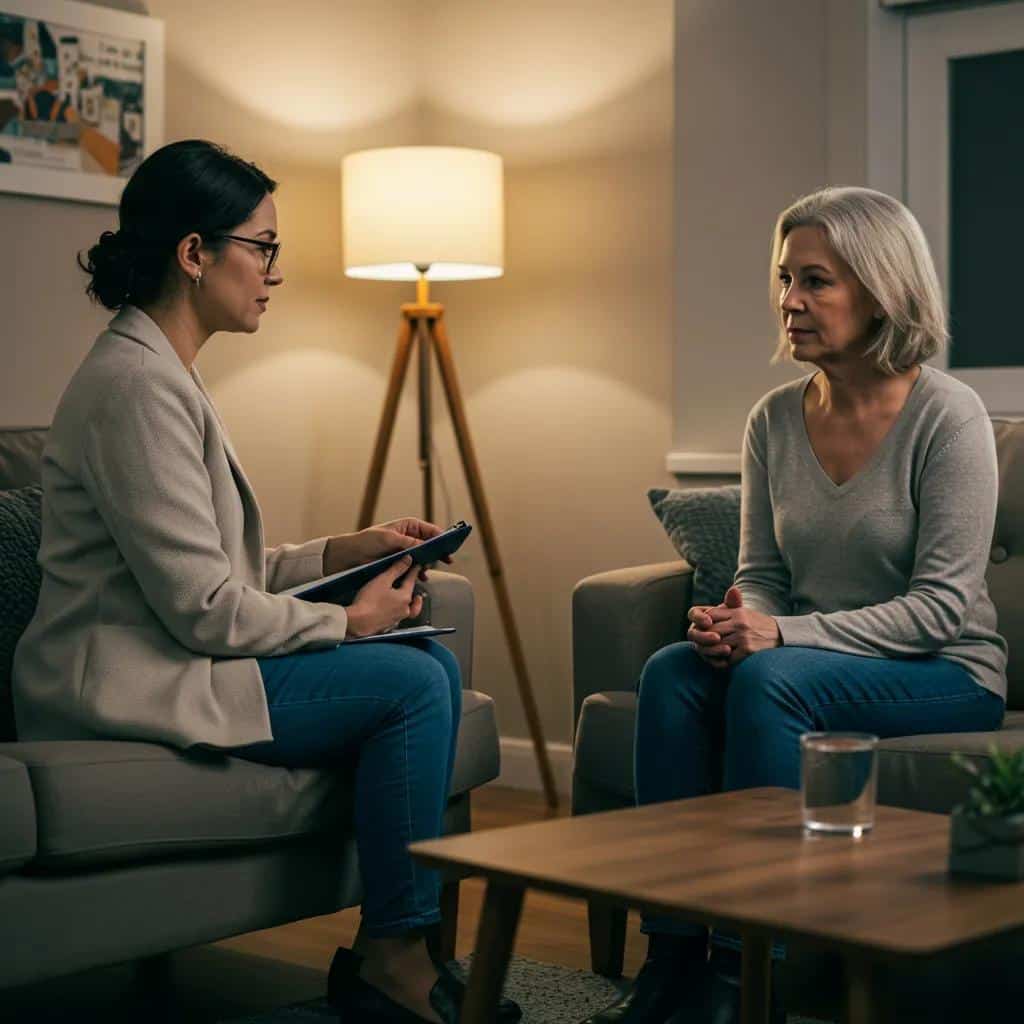
Trauma-informed care is a foundational approach that deeply understands the widespread impact of trauma, thoughtfully integrates this knowledge into all policies and practices, and actively strives to prevent re-traumatization while fostering empowerment and profound healing. At its core, trauma-informed care transforms clinical environments and therapeutic interactions to enhance safety, predictability, and collaboration, which significantly improves engagement, retention, and responsiveness to evidence-based interventions. For women, trauma-informed programs carefully adapt language, group design, and therapeutic pacing to honor relational safety and address gender-specific triggers, thereby greatly increasing the likelihood of sustained recovery. The two sections that follow will define these core principles and explain why gender-specific settings are so crucial for positive outcomes.
What Are the Core Principles of Trauma-Informed Care for Women?
The six SAMHSA trauma-informed principles—safety, trustworthiness and transparency, peer support, collaboration and mutuality, empowerment and choice, and attention to cultural/historical/gender issues—serve as vital clinical guardrails that minimize harm and powerfully promote agency. In practice, safety means providing private intake spaces, predictable schedules, and clear boundaries; trustworthiness is built through transparent care planning and consistent clinician behavior. Peer support and group work foster shared understanding and reduce isolation, while empowerment centers on shared decision-making and pacing trauma processing according to each woman’s unique readiness. These principles collectively lower the risk of re-traumatization and create the ideal conditions for therapies like CBT, DBT, and EMDR to be truly effective.
“Gender-Specific and Trauma-Informed Care for Homeless Women”
>
“In order to ensure that women who are less visible in their experiences of homelessness are able to access appropriate services, it is important that service provision is both gender specific and trauma-informed. Current Housing First interventions should be adapted to ensure women’s safety is protected and their unique needs are addressed.”
>
“Recognizing and responding to women experiencing homelessness with gendered and trauma-informed care, SL Lockerbie, 2020”
- Key trauma-informed practices we embrace include:
Stabilization and safety planning: We prioritize symptom stabilization before engaging in deeper trauma processing. Shared decision-making: We actively involve clients in their treatment choices to build a strong sense of agency. Culturally responsive care: We pay careful attention to gender, cultural, and historical factors that shape individual trauma responses.
Implementing these principles significantly strengthens the therapeutic alliance and gently prepares women for the modality-specific interventions we’ll discuss next.
Why Is Gender-Specific Trauma Treatment So Important for Women?
Gender-specific trauma treatment creates truly safe and nurturing environments where women can openly address their trauma without the added stressors of mixed-gender group dynamics, which can otherwise trigger anxiety or inhibit sharing sensitive experiences. Evidence strongly suggests that women-only groups and clinicians trained in gender-responsive techniques significantly improve trust, increase willingness to engage in exposure-based work, and effectively address trauma types that disproportionately impact women, such as sexual violence and chronic interpersonal abuse.
Gender-specific adaptations also allow for programming that thoughtfully integrates parenting supports, reproductive health considerations, and safety planning for intimate partner issues. These targeted modifications enhance retention and functional outcomes, forging a more supportive and effective pathway into the evidence-based therapies we’ll explore next.
Effective Therapies for Women's PTSD: Evidence-Based & Holistic Approaches
Effective PTSD care for women thoughtfully combines validated trauma-focused therapies—including CBT (with CPT and PE), DBT-informed skills training, and EMDR—with complementary holistic practices that address vital somatic and lifestyle factors. Cognitively, these therapies work by modifying trauma-related beliefs, DBT strengthens essential emotion regulation and distress tolerance skills, and EMDR facilitates memory reprocessing to gently reduce intrusive symptoms.
Holistic therapies like mindfulness and yoga specifically target autonomic regulation and body-based coping mechanisms. By integrating these modalities, we can tailor treatment precisely to women’s unique symptom profiles—especially where somatic complaints and relational trauma are prominent—thereby significantly improving outcomes across all symptom domains. The following subsections will compare our core therapies and outline supportive holistic options.
Before diving into our therapy table, it’s important to note that our clinicians commonly combine core modalities based on individual assessment, always beginning with stabilization and skills work, and gently progressing to trauma processing when you feel safe and ready.
Therapy Modality
What It Targets / How It Works
Typical Outcomes / Session Format
Cognitive Behavioral Therapies (CPT/PE)
Helps restructure trauma-related beliefs and uses gentle exposure to reduce avoidance patterns
Weekly individual sessions (60–90 min); leads to reduced intrusive thoughts and avoidance behaviors
Dialectical Behavior Therapy (DBT) skills
Focuses on emotional regulation, distress tolerance, and interpersonal effectiveness
Group skills training plus individual coaching; results in improved emotional stability and coping
Eye Movement Desensitization and Reprocessing (EMDR)
Facilitates memory reprocessing through bilateral stimulation to reduce emotional reactivity
Protocol-based sessions with phased preparation; often brings rapid symptom reduction for many women
Mindfulness & Somatic Therapies
Aims for autonomic regulation, enhanced body awareness, and improved interoception
Group or individual sessions integrating breathwork, yoga, or gentle body-based techniques
Nutrition & Sleep Interventions
Works to restore physiological resilience and supports the effectiveness of medication
Behavioral programs and counseling; leads to improved energy, mood, and cognitive function
How Do CBT, DBT, and EMDR Empower Women to Recover from PTSD?
CBT variants—such as Cognitive Processing Therapy (CPT) and Prolonged Exposure (PE)—work by gently challenging maladaptive beliefs and systematically reducing avoidance through guided exposure, which significantly decreases symptom severity and enhances daily functioning. DBT plays a crucial role by building essential emotion-regulation and distress-tolerance skills, which are often necessary before deeper trauma processing, especially for women with histories of self-harm or severe emotional dysregulation. EMDR offers a powerful alternative trauma-processing pathway that reprocesses traumatic memories through structured bilateral stimulation, a method many patients find incredibly effective when cognitive interventions are limited by intense physiological arousal. Our clinicians thoughtfully sequence stabilization, skills training, and targeted trauma processing to maximize safety and ensure the lasting durability of your outcomes.
- 1Stabilization first: We prioritize DBT skills or somatic regulation if emotional dysregulation is high.
- 2Client preference: We carefully match the modality to your readiness and comfort with exposure versus reprocessing.
- 3Comorbidity: We seamlessly integrate substance-use treatment when addiction co-occurs.
These thoughtful modality choices naturally lead us to adjunctive holistic therapies that beautifully support physiological recovery.
What Holistic Therapies Beautifully Complement PTSD Treatment for Women?

Holistic therapies—including mindfulness meditation, yoga-based somatic practices, acupuncture, nutrition counseling, and structured exercise—powerfully address autonomic dysregulation, significantly improve sleep and mood, and enhance overall resilience when thoughtfully paired with trauma-focused work. Evidence from recent studies shows that mindfulness and yoga can reduce PTSD symptom severity and improve interoceptive awareness, which can gently lower the intensity of trauma triggers and support engagement in EMDR or CBT. Nutrition and sleep interventions stabilize vital physiological systems that profoundly influence mood and cognitive functioning, while carefully applied complementary approaches are always supervised to ensure they do not inadvertently retraumatize. Integrating these holistic supports into your treatment plan helps maintain gains and promotes longer-term health, gracefully setting the stage for program-level decision-making.
- 1Mindfulness-based stress reduction to gently reduce hyperarousal.
- 2Somatic therapies to thoughtfully process body-held trauma.
- 3Lifestyle interventions for sleep, nutrition, and exercise to powerfully support your recovery.
After outlining our therapies and complementary supports, we’ll now explore how our program levels thoughtfully operationalize these modalities for women in our caring treatment settings.
After discussing our therapies and supportive practices, the dedicated clinical teams at Sun County Wellness seamlessly integrate these modalities into individualized plans. We are here to assist with admissions and insurance verification for women seeking truly gender-specific treatment. Sun County Wellness is a women’s-only treatment center in Orange County, proudly offering evidence-based therapies like CBT, DBT, and trauma-focused care alongside holistic practices such as mindfulness, nutrition, and fitness. Our programs deeply emphasize dual diagnosis treatment and personalized care plans; we warmly encourage prospective patients to contact our admissions team to inquire about program fit and to request our assistance with insurance verification.
Specialized Programs for Women's PTSD at Sun County Wellness
Program-level decisions are crucial in determining the intensity, structure, and community supports essential for your trauma recovery journey. Common levels include our Partial Hospitalization Program (PHP), Intensive Outpatient Program (IOP), Outpatient Program (OP), and supportive sober living environments that extend peer-based recovery housing.
Higher-intensity programs provide greater daily therapeutic contact and multidisciplinary coordination, which rapidly stabilizes acute symptoms, while lower-intensity outpatient care beautifully supports long-term maintenance and community reintegration. At Sun County Wellness, we thoughtfully structure each level to integrate trauma-informed principles and dual-diagnosis capabilities, ensuring women receive truly coordinated care across both behavioral health and addiction needs. The subsections below will describe how our PHP and IOP differ, and the vital role of OP and sober living in sustaining your gains.
Program Level
Intensity & Typical Schedule
Who It’s For / Expected Duration / Typical Goals
Partial Hospitalization Program (PHP)
High-intensity daytime programming (5 days/week) with comprehensive multidisciplinary therapy
Ideal for women needing structured daily care; typical duration 2–6 weeks; goal: stabilization and foundational skill-building
Intensive Outpatient Program (IOP)
Several weekly group and individual therapy sessions with flexible scheduling
For women transitioning from PHP or needing intensive support while living at home; typical duration 6–12 weeks; goal: symptom reduction and improved community functioning
Outpatient Program (OP)
Regular individual therapy and medication management appointments
For long-term maintenance and relapse prevention; variable duration; goal: sustained recovery and functional improvement
Sober Living
Peer-supported residences with structured expectations and accountability
For women needing supportive housing during early recovery; typical stay varies; goal: community reintegration and relapse prevention
How Do Our Partial Hospitalization and Intensive Outpatient Programs Support Trauma Recovery?
Our Partial Hospitalization Programs (PHP) offer daily structured therapy, compassionate medical oversight, and group-based skill development that rapidly stabilizes crisis-level symptoms and provides intensive exposure or reprocessing work when you are ready. Our Intensive Outpatient Programs (IOP) deliver concentrated therapy while allowing participants to maintain residence in the community, which beautifully facilitates the practice of coping skills in real-world contexts and supports vital family involvement. Both levels commonly combine individual therapy, empowering group skills training, psychoeducation, dedicated case management, and medication management as needed, and both can be thoughtfully tailored for dual-diagnosis presentations. The structured progression from PHP to IOP to OP is carefully designed to consolidate your gains and gently reduce relapse risk as you gracefully re-enter daily life.
What Role Do Outpatient Programs and Sober Living Play in Long-Term Healing?
Outpatient programs provide ongoing therapy, medication management, and relapse prevention planning that sustain symptom reduction and support your vocational or parenting goals, forming the vital backbone of long-term recovery. Sober living residences offer a supervised, peer-based environment that reinforces healthy routines, accountability, and community support during early recovery, a time when women may be particularly vulnerable to stressors that could trigger substance use. Together, OP and sober living facilitate gradual reintegration, the rebuilding of social support, and the continued application of therapeutic skills learned in higher-intensity programs. For many women, aftercare planning that thoughtfully includes OP and sober living significantly increases long-term stability and functional outcomes.
Sun County Wellness proudly offers PHP, IOP, OP, and structured sober living options specifically designed for women, integrating trauma-informed care and dual-diagnosis treatment across all program levels. Our compassionate admissions team is here to assist with insurance verification and program matching to ensure a coordinated and smooth entry into care.
Accessing PTSD Treatment and Support for Women in Orange County
Accessing PTSD treatment involves thoughtful screening and referral, careful preparation for intake, insurance verification, and locating trauma-informed therapists or support groups within your community. These steps are designed to gently reduce barriers and speed your connection to the most appropriate care. Early contact with a trauma-informed provider significantly improves triage into the right program level and minimizes delays that could worsen symptoms. The subsections below offer a practical insurance-verification checklist and guidance on finding local trauma support resources, with steps thoughtfully designed for women seeking gender-specific services in Orange County.
How Do You Verify Insurance for Women’s PTSD Treatment at Sun County Wellness?
Insurance verification begins with gathering some basic information: your legal name, insurance ID number, plan type, and any prior authorization requirements. This information empowers our care coordinators to thoroughly check your behavioral health benefits and coverage limits. Sun County Wellness is here to assist prospective patients by coordinating benefits checks and clarifying common questions—such as mental health parity provisions, inpatient versus outpatient coverage distinctions, and out-of-network options—so you can make truly informed financial decisions. Verification timelines can vary by insurer, but initiating the process before intake expedites admissions and reduces any uncertainty about out-of-pocket costs. Preparing your documentation and asking our admissions team for a benefits summary will help you move smoothly into the appropriate program level.
Access Step
What to Prepare
Value / How to Connect
Gather insurance details
Your Insurance ID, policyholder info, plan name
Enables a thorough benefits check and authorization requests; simply ask our admissions team to assist you
Obtain clinical records
Recent clinic notes, current medications, prior assessments
Speeds clinical triage and ensures appropriate placement into PHP/IOP/OP as needed
Identify urgent needs
Any safety concerns, active substance use, housing instability
Guides immediate placement decisions and enrollment in higher-intensity care if necessary
This stepwise checklist clarifies your documentation needs and beautifully illustrates how Sun County Wellness can assist with verification and admissions planning, gently reducing any delays in starting your trauma-informed care journey.
Where Can Women Find Trauma Support Groups and Therapists in Orange County?
Local resources include comprehensive trauma-focused therapist directories, compassionate community mental health centers, women-only support groups, and peer-run organizations that offer invaluable group-based recovery and social connection. When searching, it’s essential to prioritize evaluating providers for their trauma-informed and gender-responsive experience. Look for clinicians who explicitly list trauma-focused modalities (like CBT, EMDR), dual-diagnosis experience, and strong group facilitation skills. Seek out programs or providers that clearly state gender-specific or women-only offerings and a commitment to trauma-informed principles. Transportation and scheduling considerations can affect access, so explore telehealth options and community groups with accessible meeting times. Building a robust support network that thoughtfully combines clinical care, peer groups, and practical supports helps maintain momentum through transitions across all levels of care.
- 1Confirm modality expertise: Ask whether clinicians are specifically trained in CBT, EMDR, or DBT for trauma.
- 2Assess trauma-informed practices: Look for a clear emphasis on safety, empowerment, and cultural sensitivity.
- 3Check dual-diagnosis capability: Ensure coordinated care for any co-occurring substance use issues.
These access strategies are designed to reduce friction when moving from initial inquiry to structured treatment, and they directly highlight how our integrated dual-diagnosis care operates.
The Connection: Trauma, PTSD, and Addiction in Women
Trauma significantly increases the risk of substance use disorders in women through both behavioral pathways—such as self-medication for distress—and neurobiological changes that alter stress and reward circuitry, creating overlapping clinical needs that demand truly integrated care. Recent research highlights higher rates of co-occurring PTSD and substance use in women compared with men, with intimate-partner trauma and childhood adversity being strong predictors of dual diagnoses. Integrated dual-diagnosis treatment that thoughtfully addresses trauma and addiction simultaneously reduces relapse risk and improves psychiatric outcomes by aligning therapy, medication management, and relapse-prevention supports. The subsections below will explain these mechanisms and outline the integrated treatment components that significantly improve recovery trajectories.
How Does Trauma Influence Addiction in Women?
Trauma can powerfully drive substance use as a coping strategy to numb intrusive memories, reduce hyperarousal, or self-manage difficult mood symptoms, which can unfortunately lead to physiological dependence and entrenched behavioral patterns. Neurobiological effects include altered stress responsivity and changes in reward pathways that make addictive substances more appealing as short-term relief, especially when social supports are limited. Gender-specific social factors—such as caregiving responsibilities, stigma, and exposure to repeated interpersonal trauma—further shape pathways into substance misuse and influence help-seeking behavior. Understanding these intricate mechanisms underscores the profound need for integrated assessment and treatment that compassionately addresses both PTSD symptoms and substance use concurrently.
How Does Dual Diagnosis Treatment Address PTSD and Substance Use Together?
Dual-diagnosis treatment at Sun County Wellness seamlessly integrates concurrent assessment, coordinated care planning, and therapies that target both trauma and substance use—for example, combining trauma-focused CBT or EMDR with relapse-prevention modules, medication management, and vital peer support.
Core components include comprehensive intake evaluations, synchronized psychotherapy and medical care, contingency planning for relapse triggers, and long-term aftercare that includes sober living supports when needed. Evidence clearly indicates that treating PTSD without addressing substance use (or vice versa) yields poorer outcomes; our integrated models significantly improve retention, reduce substance use, and lessen PTSD symptom severity. These integrated pathways naturally point to the local program options and admission supports available to women right here with us.
For women seeking gender-specific, integrated care in Orange County, Sun County Wellness provides comprehensive dual diagnosis treatment with trauma-informed programming across our PHP, IOP, OP, and sober living levels. Our dedicated admissions team assists with insurance verification and program matching to ensure a coordinated and supportive entry into care.
If you are considering specialized, gender-specific PTSD care, we warmly invite you to contact Sun County Wellness’s admissions team to discuss program suitability and request assistance with insurance verification. Our women-only programs thoughtfully combine evidence-based therapies, holistic supports, and dual-diagnosis coordination to facilitate a safer, more effective, and truly empowering recovery journey.
Frequently Asked Questions
What are the long-term effects of untreated PTSD in women?
Untreated PTSD in women can unfortunately lead to a range of challenging long-term effects, including chronic mental health issues such as depression, anxiety, and substance use disorders. Women may also experience significant difficulties in relationships, work, and daily functioning due to persistent symptoms like hyperarousal and avoidance. Additionally, untreated PTSD can contribute to physical health problems, including chronic pain and sleep disturbances. Early intervention and appropriate, compassionate treatment are absolutely crucial to mitigate these risks and truly promote recovery, empowering women to regain control over their lives and find lasting peace.
How can family members lovingly support a woman with PTSD?
Family members can play an incredibly vital role in supporting a woman with PTSD by fostering a truly safe, understanding, and nurturing environment. This includes actively listening without judgment, validating her feelings with empathy, and gently encouraging her to seek professional help. Educating themselves about PTSD can profoundly help family members understand the complex symptoms and unique challenges faced by their loved one. Additionally, they can assist with practical needs, such as attending therapy sessions together or helping with daily tasks, which can significantly alleviate stress and promote deeper healing.
What crucial role does peer support play in PTSD recovery for women?
Peer support is an absolutely crucial component of PTSD recovery for women, as it provides a powerful sense of community and shared understanding. Engaging with other women who have navigated similar experiences can profoundly reduce feelings of isolation and stigma, fostering a truly supportive and empowering environment for healing. Peer support groups often facilitate open, honest discussions about trauma, effective coping strategies, and inspiring recovery journeys, which can significantly enhance emotional resilience. Additionally, these groups can empower women by promoting shared decision-making and encouraging active, confident participation in their own recovery process.
Are there specific lifestyle changes that can beautifully aid in PTSD recovery?
Yes, specific lifestyle changes can significantly and beautifully aid in PTSD recovery for women. Regular physical activity, such as gentle yoga or mindful walking, can help reduce anxiety and improve mood by releasing natural endorphins. A balanced diet rich in nourishing nutrients supports overall mental health, while adequate, restorative sleep is absolutely essential for emotional regulation. Mindfulness practices, such as meditation and deep-breathing exercises, can enhance self-awareness and gently reduce stress. Establishing a comforting routine and engaging in positive social activities can also foster a vital sense of normalcy and connection, which is truly essential for profound recovery.
What should women thoughtfully look for in a trauma-informed therapist?
When seeking a trauma-informed therapist, women should thoughtfully look for professionals who have specific, specialized training in trauma-focused therapies, such as CBT, EMDR, or DBT. It’s absolutely essential that the therapist demonstrates a deep understanding of gender-specific issues and the unique ways trauma can manifest in women. A truly trauma-informed therapist should prioritize safety, trust, and empowerment in their practice, creating a supportive and non-judgmental environment where clients feel completely comfortable sharing their experiences. Additionally, they should be open to genuine collaboration and actively involve clients in their personalized treatment planning.
How can women gently prepare for their first therapy session for PTSD?
Gently preparing for the first therapy session for PTSD can help women feel more comfortable, focused, and empowered. It’s incredibly beneficial to write down specific symptoms, triggers, and any questions or concerns they may have. Gathering relevant medical history and previous treatment experiences can also provide the therapist with valuable context. Women should consider setting personal goals for therapy, such as what they truly hope to achieve or address during their healing journey. Finally, practicing calming relaxation techniques before the session can help ease anxiety and promote a more productive and open discussion.