
Clinically Reviewed By Brittany Astrom - LMFT
Brittany has 15 years of experience in the Mental Health and Substance Abuse field. Brittany has been licensed for almost 8 years and has worked in various settings throughout her career, including inpatient psychiatric treatment, outpatient, residential treatment center, PHP and IOP settings.
Understanding Anxiety Symptoms in Women – Key Insights
Anxiety affects many women and often shows up as emotional, mental, or physical distress. While occasional worry or fear is part of life, persistent symptoms may point to a mental health disorder. At Sun County Wellness, we specialize in helping women in Orange County manage anxiety through evidence-based treatment and compassionate care.
What Is Anxiety Disorder?
An anxiety disorder is a mental condition where the stress response becomes chronic. It affects mood, sleep, and daily behavior. Unlike occasional worry, this disorder continues over time and impacts the patient’s quality of life. Women are at greater risk for developing generalized anxiety disorder (GAD), panic disorder, and phobias. Hormonal shifts during menopause or postpartum depression may also increase susceptibility.
What Are the Most Common Types of Anxiety?
Several anxiety disorders are more common in women than men. These include:
- Generalized Anxiety Disorder (GAD): Ongoing worry about health, finances, relationships, or responsibilities.
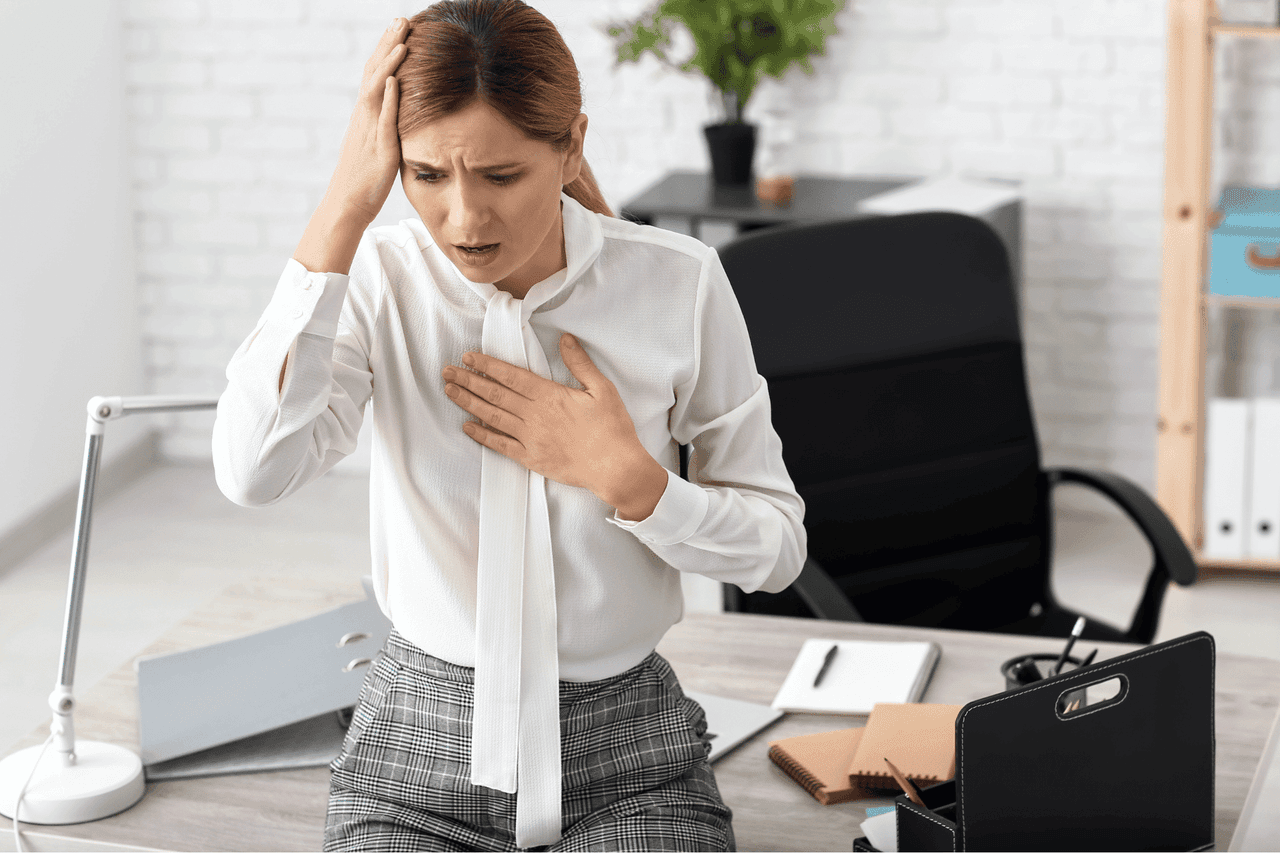
- Panic Disorder: Episodes of sudden fear, shortness of breath, chest pain, palpitations, and dizziness.
- Social Anxiety Disorder: Intense fear of judgment in social settings.
- Specific Phobias: Fear of certain objects or situations like flying or animals.
- Agoraphobia: Avoidance of public places due to fear of panic or loss of control.
Each type presents different challenges but can disrupt behavior, relationships, and physical health.
What Are Some Anxiety Symptoms?
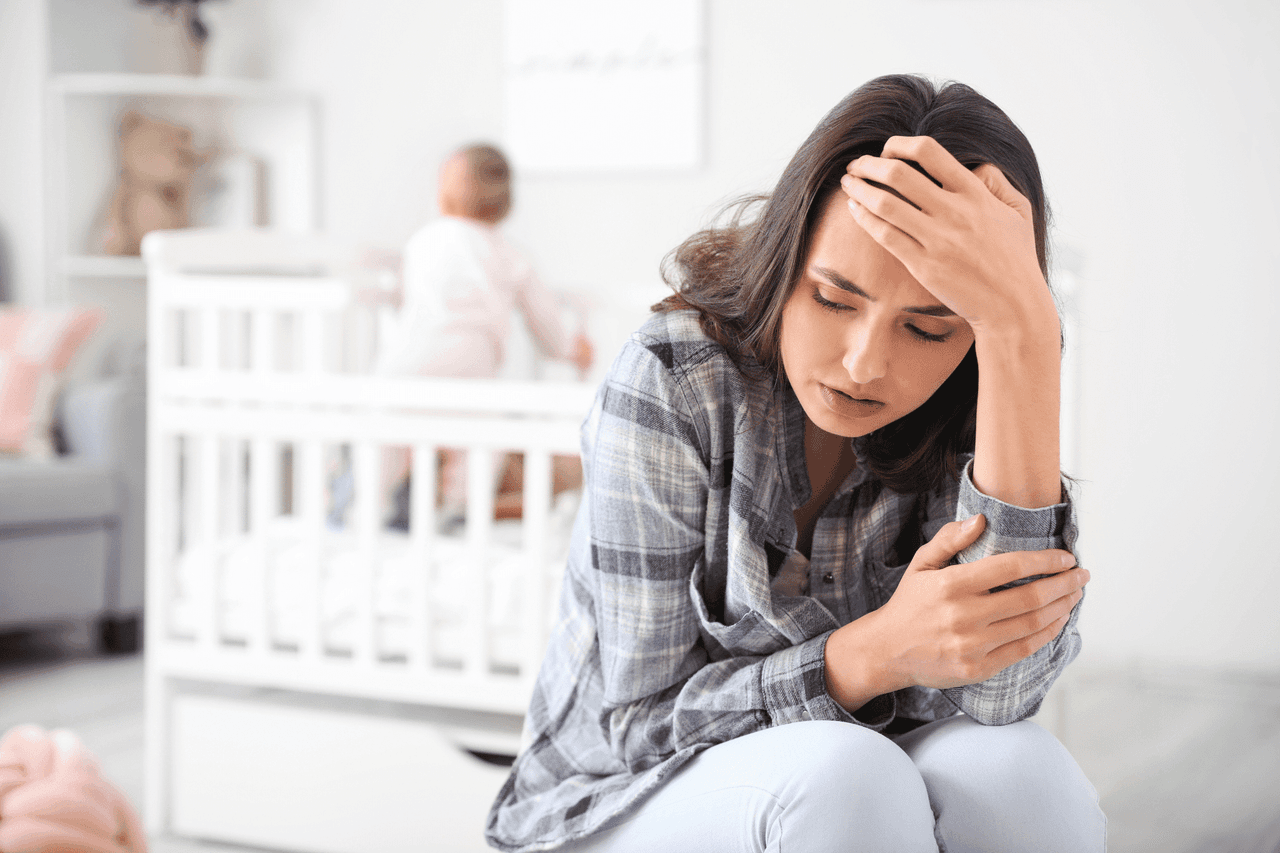
Anxiety symptoms can affect both the body and the mind. Common signs in women include:
- Insomnia or trouble staying asleep
- Shortness of breath or rapid breathing
- Fatigue and low energy
- Muscle pain or tension
- Panic attacks with nausea or chest pain
- Mood changes, such as irritability or sadness
- Increased heart rate or palpitations
- Restlessness or racing thoughts
- Fear without a clear reason
These symptoms can be triggered by stress, substance abuse, or physical health conditions. A health care provider can perform a diagnosis based on symptoms and medical history.
How Can You Tell If Your Anxiety Is Normal or a Sign of Anxiety Disorder?
Many women experience anxiety in response to stress. But when symptoms become frequent or severe, they may indicate a disorder. Ask yourself the following:
1. Does Anxiety Interfere With Your Life?
If anxiety prevents you from going to work, socializing, or completing daily tasks, it may be a disorder. Avoiding people or activities is a clear warning sign.
2. How Severe Is Your Anxiety?
Mild symptoms may come and go. But if you experience physical reactions like panic attacks, shaking, or trouble breathing, you should seek treatment.
3. Is It Normal to Feel Anxiety in a Certain Situation?
Situational anxiety is normal during emergencies or high-pressure moments. But if you have chronic fear without a cause, such as agoraphobia or social phobia, it may require professional care.
Causes of Anxiety in Women
Anxiety can result from both psychological and physical triggers. Common causes include:
- Chronic stress or trauma
- Side effects from medication
- Sleep deprivation
- Relationship or family strain
- Hormonal shifts linked to menopause or the postpartum period
- Substance use or alcohol dependency
- A history of panic or other mental disorders
Women often face higher stress hormone levels, which can intensify symptoms over time.
Medical Causes
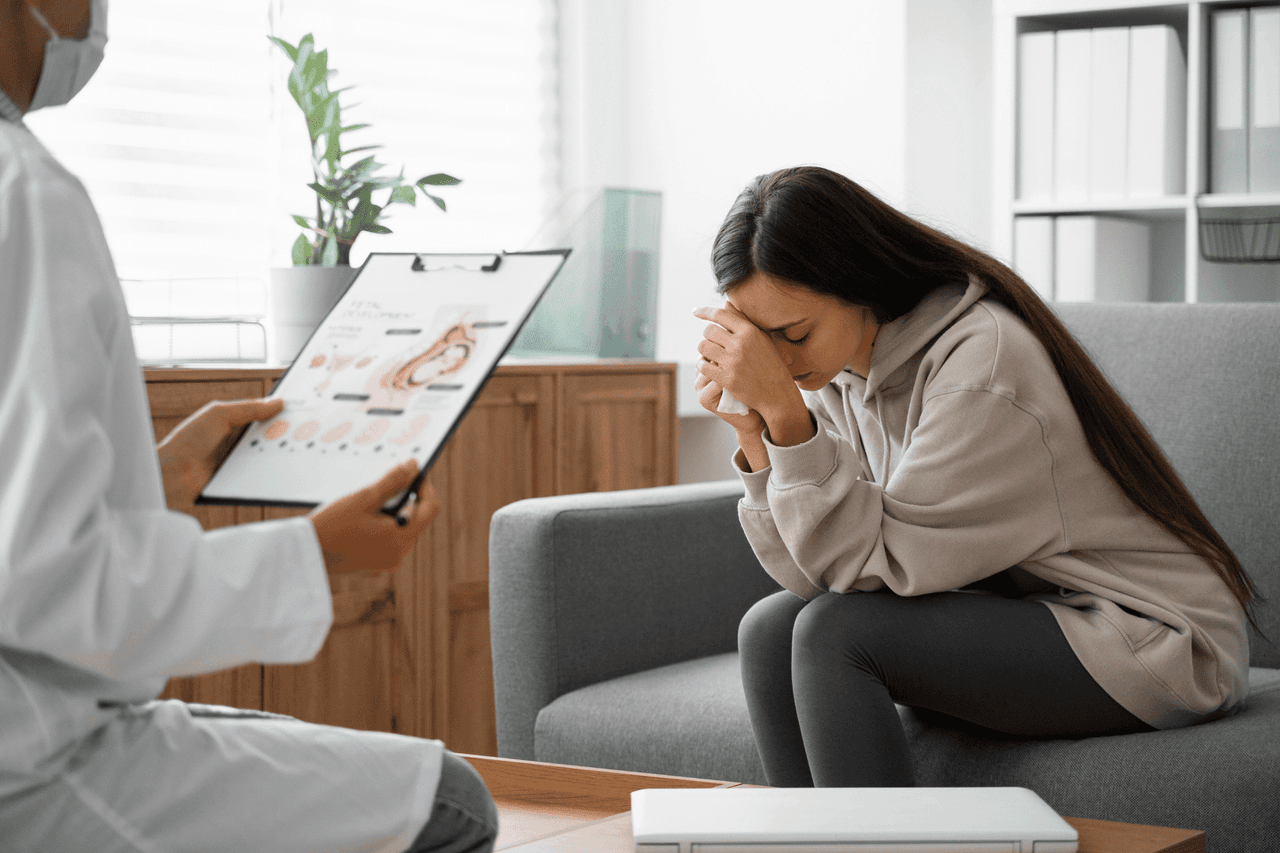
Some health problems may cause or worsen anxiety. These include:
- Asthma and other breathing conditions
- Heart disease or irregular heart rate
- Chronic pain disorders
- Thyroid dysfunction
- Hormonal imbalances
- Drug or alcohol withdrawal
- Reactions to benzodiazepine or other depressant medications
A health care professional will review your symptoms, medical history, and current medications to rule out physical causes.
Risk Factors
Several risk factors increase a woman’s chance of developing an anxiety disorder:
- Family history of mental illness
- Past trauma or abuse
- Unmanaged stress at home or work
- Ongoing substance use or alcohol misuse
- Hormonal fluctuations
- Genetics or personal history of depression or GAD
- Low physical activity or poor sleep habits
Knowing your risk factors helps with early detection and treatment.
Complications of Untreated Anxiety
If left untreated, anxiety can lead to long-term physical and emotional strain. Complications include:
- Depression
- Substance dependence
- Chronic insomnia
- Increased pain or tension
- Poor stress management
- Reduced immune function
- Difficulty concentrating or memory issues
- Lower quality of life
In some cases, anxiety can affect heart rate and blood pressure, contributing to serious health risks.
Management and Treatment
Effective anxiety management combines therapy, lifestyle changes, and medical support. The goal is to reduce symptoms and improve daily function.
How Are Anxiety Disorders Treated?
At Sun County Wellness, we create individualized treatment plans for women based on their needs and symptoms. Common options include:
- Cognitive Behavioral Therapy (CBT): Focuses on changing negative thoughts and coping habits.
- Medication: Antidepressants or anxiolytics like benzodiazepines may be prescribed. Side effects and health history are always considered.
- Mindfulness and Meditation: These relaxation techniques calm the mind and help with emotional regulation.
- Yoga and Exercise: Physical activity reduces stress hormones and boosts serotonin levels naturally.
- Healthy Diet and Sleep Hygiene: Balanced nutrition and quality sleep support mental health and reduce symptoms.
- Breathing Exercises: These reduce physical anxiety symptoms like shortness of breath and tension.
Each patient receives ongoing support from a licensed health professional. Our women-only setting provides a safe, focused environment for treatment and healing.
If anxiety is disrupting your life, treatment can help. At Sun County Wellness in Orange County, we support women through expert care, proven methods, and compassionate guidance. Contact us today to learn more about our therapy options and begin your recovery.

Seeking Treatment? We Can Help
At Sun County Wellness, as an in-network provider we work with most insurance plans, such as:
If you or a loved one are struggling with mental health challenges or substance abuse, reach out to Sun County Wellness today. Our team of compassionate professionals is here to support your journey towards lasting well-being. Give us a call at 949-993-1149
Visit SAMHSA or contact us today for more inforamtion.