

Clinically Reviewed By Brittany Astrom - LMFT
Brittany has 15 years of experience in the Mental Health and Substance Abuse field. Brittany has been licensed for almost 8 years and has worked in various settings throughout her career, including inpatient psychiatric treatment, outpatient, residential treatment center, PHP and IOP settings.
Can Anxiety Disappear? Understanding Anxiety and How It Can Be Managed or Overcome
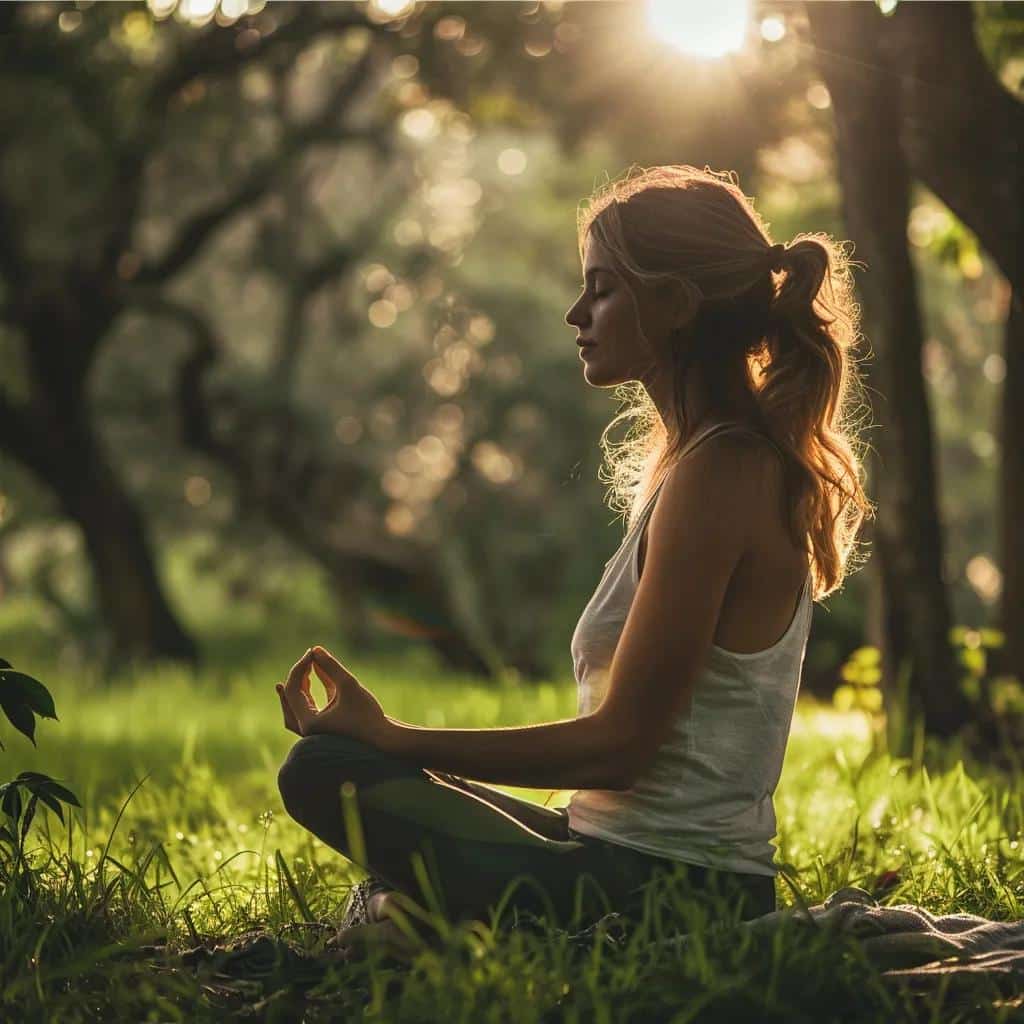
Anxiety is a natural survival mechanism, yet chronic anxiety disorders can erode daily life—affecting millions of women each year. Research shows women are nearly twice as likely as men to experience an anxiety disorder, but effective interventions can dramatically reduce symptoms and restore balance. In this guide, you’ll discover what anxiety is, why it persists, and how evidence-based treatments—from Cognitive Behavioral Therapy to holistic strategies—help anxiety disappear in practice. We’ll explore common anxiety disorders in women, signs of improvement, treatment options, hormonal influences, when to seek professional help, and why Sun County Wellness offers specialized programs designed to empower women toward lasting calm and resilience.
The Prevalence of Anxiety Disorders in Women
Research indicates that women are significantly more likely than men to experience anxiety disorders, with nearly double the prevalence. This disparity highlights the importance of understanding the unique factors that contribute to anxiety in women and developing gender-specific treatment approaches.
This supports the article’s claim about the higher prevalence of anxiety disorders in women.
What Is Anxiety and Can It Truly Disappear?
Anxiety is a physiological and psychological response to perceived threats that becomes maladaptive when its protective alarm system stays activated, yet targeted interventions can recalibrate stress pathways and foster lasting relief. Understanding this response lays the groundwork for effective management and long-term change.
What Defines Anxiety and Anxiety Disorders?
Anxiety arises when the brain’s threat detection centers—such as the amygdala—become oversensitive, triggering excessive worry, restlessness, and physical tension. This mechanism evolved to protect against danger, but when misfiring persists, it defines anxiety disorders that interfere with daily function. Identifying these patterns is essential for tailored treatment and recovery.
Anxiety’s roots span genetic predisposition, life experiences, and brain chemistry. Recognizing this interplay helps you and your clinician pinpoint contributing factors and design an intervention plan that addresses both mind and body.
Can Anxiety Be Cured or Permanently Eliminated?
No, anxiety as an emotional function cannot be erased completely, but chronic anxiety disorders can be effectively managed to the point where symptoms are minimal or absent. Therapeutic approaches reshape thought patterns and stress responses, rewiring neural circuits to reduce hyperarousal. With consistent treatment, many women report long-term remission and renewed confidence in daily activities.
Sustained improvement depends on combining psychotherapy, medication when appropriate, and lifestyle modifications that reinforce new coping mechanisms.
What Happens If Anxiety Is Left Untreated?
When anxiety goes unaddressed, stress responses intensify and can lead to complications such as insomnia, cardiovascular strain, substance misuse, and depression. Chronic worry activates cortisol release, weakening immune function and impairing concentration. Over time, untreated anxiety can undermine relationships, career performance, and overall health.
Recognizing these risks highlights the urgency of seeking timely care and structured support for lasting restoration.
What Are the Common Types of Anxiety Disorders in Women?
Women experience four primary anxiety disorders—Generalized Anxiety Disorder, Panic Disorder, Social Anxiety Disorder, and Specific Phobias—each presenting unique symptom patterns that guide personalized interventions. Differentiating these conditions ensures precise treatment selection and improved outcomes.
Entity
Core Symptom
Example in Women
Generalized Anxiety Disorder
Persistent worry
Worry about family health and finances
Panic Disorder
Recurrent panic attacks
Sudden racing heart and shortness of breath
Social Anxiety Disorder
Fear of social scrutiny
Avoiding work presentations or gatherings
Specific Phobias
Intense fear of specific object or situation
Avoidance of flying or heights
Each disorder has distinct triggers and coping strategies. Understanding these differences paves the way for targeted therapies that address your specific challenges.
How Does Generalized Anxiety Disorder (GAD) Affect Women?
Generalized Anxiety Disorder involves persistent, excessive worry—often about everyday events and responsibilities—that can sap energy and impair sleep. Women with GAD may experience muscle tension, irritability, and difficulty concentrating, as their stress response remains activated beyond immediate threats. Recognizing these patterns enables early intervention and structured coping skills.
As hormonal fluctuations influence stress sensitivity, addressing biological factors alongside cognitive strategies enhances GAD treatment outcomes for women.
What Are the Symptoms of Panic Disorder in Women?
Panic Disorder triggers sudden surges of intense fear—panic attacks—characterized by heart palpitations, trembling, sweating, and a sense of imminent doom. Women often misinterpret these attacks as medical emergencies, increasing their fear of recurrence. Learning to identify and reframe panic sensations through breathing exercises and exposure techniques reduces attack frequency and intensity.
Building mastery over panic responses fosters confidence and diminishes avoidance behaviors that can restrict daily life.
How Does Social Anxiety Disorder Present in Women?
Social Anxiety Disorder manifests as an overwhelming fear of negative evaluation in social settings, leading women to avoid public speaking, networking events, or casual gatherings. Common symptoms include blushing, trembling, and difficulty speaking. Cognitive Behavioral Therapy helps women challenge catastrophic beliefs about judgment and gradually reintroduce themselves to social situations with structured support.
Developing social skills and self-compassion creates a pathway from isolation to confident engagement.
What Are Specific Phobias and Their Impact on Women?
Specific Phobias involve intense, irrational fears of particular objects or situations—such as flying, spiders, or medical procedures—that provoke immediate anxiety and avoidance. Women with phobias often endure significant lifestyle limitations or burdensome rituals to minimize contact with feared stimuli. Exposure therapy and relaxation training systematically reduce phobic responses, restoring freedom and reducing chronic stress.
Increasing tolerance through controlled exposure rewires fear circuits and promotes independence.
What Are the Signs That Anxiety Is Improving or Going Away?
Reduced anxiety reveals itself through consistent shifts in thought patterns, emotional regulation, and physical symptoms. Measuring progress empowers you to stay motivated and adapt strategies for continued growth.
How Can You Recognize Reduced Anxiety Symptoms?
You can recognize improvement when intrusive worries occur less frequently, negative thought loops break sooner, and you respond to stressors with calm problem-solving instead of overwhelm. Increased confidence in coping abilities signals that cognitive distortions are diminishing and resilience is building.
Tracking these cognitive shifts helps you appreciate incremental gains and maintain momentum toward long-term recovery.
What Physical and Emotional Changes Indicate Progress?
Physical signs of reduced anxiety include lower resting heart rate, relaxed muscle tone, and improved sleep patterns. Emotionally, you may notice greater patience, fewer mood swings, and enhanced enjoyment of activities once avoided. These changes reflect a downregulated stress response and improved mind-body balance.
Observing these shifts confirms that treatment is recalibrating both neurological and physiological stress pathways.
When Is It Safe to Consider Anxiety Under Control?
Anxiety can be considered under control when symptoms no longer interfere with daily routines, relationships, or work performance for at least several months. You feel capable of managing unexpected stressors without significant escalation. Consulting with a mental health professional validates this milestone and informs maintenance planning.
Reaching this stage allows you to shift focus from crisis management to long-term wellness strategies.
What Are the Most Effective Treatments to Help Anxiety Disappear?

Evidence-based treatments combine psychotherapy, medication management, holistic practices, and supportive group modalities to address anxiety’s cognitive, biological, and social dimensions. Integrating these modalities yields robust, personalized plans for sustained relief.
Entity
Mechanism
Benefit
Cognitive Behavioral Therapy
Restructures negative thought patterns
Improves coping and reduces worry
Medication Management
Balances neurotransmitters (e.g., SSRIs)
Stabilizes mood and decreases hyperarousal
Holistic & Natural Remedies
Implements lifestyle changes (exercise, nutrition, mindfulness)
Supports stress regulation and resilience
Trauma-Informed & Group Therapy
Processes past trauma and builds peer support
Enhances emotional safety and social connection
Combining these therapies tailors treatment to your unique needs and ensures comprehensive care.
How Does Cognitive Behavioral Therapy (CBT) Help Women With Anxiety?
Cognitive Behavioral Therapy helps women identify and challenge distorted thoughts that fuel anxiety, replacing them with realistic, balanced perspectives. By practicing exposure and coping skills, CBT rewires neural pathways associated with fear and worry. This structured approach empowers you with tools to interrupt anxiety cycles and regain emotional control.
Progressive skill-building within CBT sessions lays the foundation for lasting resilience.
Cognitive Behavioral Therapy (CBT) for Anxiety
Cognitive Behavioral Therapy (CBT) is a well-established treatment for anxiety disorders, helping individuals identify and modify negative thought patterns and behaviors. CBT has been shown to be effective in reducing anxiety symptoms and improving overall quality of life through structured techniques and skill-building exercises.
This citation supports the article’s discussion of CBT as an effective treatment for anxiety.
What Role Does Medication Management Play in Anxiety Treatment?
Medication management uses pharmaceuticals—such as SSRIs, SNRIs, or benzodiazepines—to recalibrate brain chemistry and alleviate excessive worry, panic, and tension. Under medical supervision, medications can provide symptom relief while you develop coping strategies. Regular monitoring ensures optimal dosing and minimizes side effects, supporting stable progress.
Combined with therapy, medication enhances treatment response and accelerates recovery.
How Do Holistic and Natural Remedies Support Anxiety Relief?
Holistic approaches—like yoga, mindfulness meditation, balanced nutrition, and regular exercise—support anxiety relief by reducing cortisol levels and enhancing GABA activity in the brain. Herbal supplements such as chamomile or lavender may complement conventional treatments by promoting relaxation. These lifestyle adjustments strengthen overall well-being and reinforce therapeutic gains.
Integrating holistic practices fosters self-care habits that sustain long-term emotional health.
What Are Trauma-Informed and Group Therapies for Women?

Trauma-Informed Therapy recognizes how past traumatic experiences shape current anxiety and uses safe and empowering methods to process distressing memories. Group Therapy brings women together for mutual support, normalizing experiences and building social skills. Both modalities create secure environments where individuals learn from shared stories and develop collective resilience.
Connecting with others and healing trauma jointly promotes deeper recovery and community.
How Do Hormones and Women’s Unique Factors Affect Anxiety and Its Resolution?
Hormonal fluctuations and societal expectations uniquely shape women’s anxiety experiences, requiring specialized treatment adjustments to address biological and psychosocial dimensions. Tailoring interventions to these factors improves treatment efficacy and emotional well-being.
How Do Hormonal Fluctuations Influence Anxiety Symptoms?
Fluctuations in estrogen and progesterone during menstrual cycles, pregnancy, or menopause affect neurotransmitter systems—particularly serotonin and GABA—leading to heightened anxiety sensitivity. Recognizing these patterns allows clinicians to time interventions and adjust medication dosages for hormonal variances.
The Role of Hormones in Women's Anxiety
Hormonal fluctuations, particularly those related to the menstrual cycle, pregnancy, and menopause, can significantly impact a woman’s experience of anxiety. These hormonal shifts can influence neurotransmitter systems, potentially exacerbating anxiety symptoms and requiring tailored treatment approaches.
This citation supports the article’s discussion of the influence of hormones on anxiety in women.
Aligning treatment with hormonal cycles ensures consistent symptom management and comfort.
What Societal and Psychological Pressures Impact Women’s Anxiety?
Women often face external pressures—such as caregiving expectations, workplace biases, and body-image standards—that amplify stress and anxiety. Internalizing perfectionism and guilt around competing roles exacerbates worry. Addressing these societal factors through psychoeducation and supportive counseling fosters self-compassion and boundary setting.
Empowering women to challenge unrealistic demands enhances mental freedom and resilience.
How Should Treatment Adapt to Women’s Unique Needs?
Effective treatment for women integrates gender-sensitive therapy techniques, hormonal assessments, and trauma-informed approaches. Personalized care plans consider reproductive health, life transitions, and cultural contexts. Collaborative goal-setting empowers women to take ownership of their mental health journey.
Customizing interventions ensures relevance and maximizes the likelihood of sustained recovery.
When Should Women Seek Professional Help to Manage Anxiety?
Recognizing when anxiety exceeds self-help capacity and requires professional guidance is critical for timely intervention and prevention of escalation. Early access to expert care leads to better outcomes and a clearer path to normal functioning.
What Are the Warning Signs That Anxiety Needs Professional Intervention?
Warning signs include persistent sleep disruption, uncontrollable worry, panic attacks, social withdrawal, substance misuse, and impaired daily functioning. When self-help strategies fail to restore equilibrium within weeks, seeking professional support becomes essential to prevent further decline.
Prompt assessment by qualified specialists ensures accurate diagnosis and rapid implementation of treatment.
How Can You Start the Admissions Process at a Women’s Treatment Center?
Initiating the admissions process at a women’s treatment center begins with an inquiry—either by phone or through an online form—where you discuss your needs, insurance coverage, and program options. At Sun County Wellness, our admissions team guides you through confidential assessments, insurance verification, and personalized program matching.
Taking this step secures a dedicated treatment plan and compassionate support network designed specifically for women.
How Does Insurance Verification Work for Anxiety Treatment?
Insurance verification involves confirming your benefits, co-pays, and coverage limits with your provider. Sun County Wellness partners with major insurers to streamline this process: we handle prior authorizations, benefit checks, and out-of-pocket estimates so you can focus on recovery without financial uncertainty.
Clear verification reduces stress and ensures you receive the maximum entitled benefits for your care.
Why Choose Sun County Wellness for Anxiety Treatment Designed for Women?
Sun County Wellness provides a women-centered approach that integrates evidence-based therapies, holistic practices, and trauma-informed care within a supportive community. Our specialized programs address the biological, psychological, and social dimensions of anxiety to deliver transformative results.
What Specialized Programs Does Sun County Wellness Offer for Women’s Anxiety?
Our programs include individualized Cognitive Behavioral Therapy, group therapy sessions, trauma recovery tracks, and mind-body workshops—each crafted to address women’s unique life stages and stressors. We tailor treatment intensities from outpatient to residential care, ensuring the right level of support and flexibility.
A customized program plan enhances engagement and maximizes therapeutic impact.
How Does a Holistic Approach Improve Anxiety Outcomes?
By combining clinical therapies with yoga, nutrition counseling, mindfulness training, and creative arts therapies, we target both the mind and body for comprehensive healing. This integrative model reduces relapse risk, boosts coping skills, and fosters a sense of empowerment that extends beyond treatment walls.
Holistic care creates sustainable lifestyle changes that support long-term anxiety management.
What Success Stories Demonstrate Anxiety Can Be Managed or Overcome?
Women who have completed our programs report significant reductions in worry, improved sleep quality, and restored confidence in their relationships and careers. One participant described transitioning from daily panic attacks to leading community workshops on stress resilience. These outcomes illustrate that, with the right support, anxiety can recede and hope can flourish.
Their journeys reflect the transformative power of personalized, women-centered care.
Recovery from anxiety is within reach when guided by skilled professionals and supported by proven therapies. By understanding the nature of anxiety, recognizing improvement signs, exploring effective treatments, and addressing women’s unique factors, you can reclaim calm and resilience. At Sun County Wellness, our expert team stands ready to partner with you—offering tailored programs, streamlined admissions, and insurance guidance to help anxiety disappear from your life. Reach out today to begin your journey toward lasting mental wellness and renewed hope.
Frequently Asked Questions
What are some common triggers for anxiety in women?
Common triggers for anxiety in women can include hormonal changes, such as those experienced during menstruation, pregnancy, or menopause. Additionally, societal pressures, such as caregiving responsibilities, workplace stress, and body image concerns, can exacerbate anxiety symptoms. Life transitions, such as moving, changing jobs, or relationship issues, may also act as significant stressors. Understanding these triggers is essential for developing effective coping strategies and seeking appropriate support.
How can mindfulness practices help in managing anxiety?
Mindfulness practices, such as meditation and deep breathing exercises, can significantly help in managing anxiety by promoting relaxation and present-moment awareness. These techniques encourage individuals to observe their thoughts and feelings without judgment, reducing the tendency to ruminate on worries. Regular mindfulness practice can lower stress levels, enhance emotional regulation, and improve overall mental well-being. Incorporating mindfulness into daily routines can create a sense of calm and resilience against anxiety triggers.
What is the role of support groups in anxiety treatment?
Support groups play a vital role in anxiety treatment by providing a safe space for individuals to share their experiences and feelings. Connecting with others who understand similar struggles fosters a sense of community and reduces feelings of isolation. These groups often offer practical coping strategies and emotional support, enhancing the recovery process. Participating in a support group can empower individuals to confront their anxiety and build resilience through shared experiences and collective encouragement.
How can I help a child or teenager struggling with anxiety?
Supporting a child or teenager with anxiety involves creating an open and understanding environment. Encourage them to express their feelings and validate their experiences without judgment. Teaching coping strategies, such as deep breathing or journaling, can empower them to manage their anxiety. Additionally, maintaining a consistent routine and promoting healthy lifestyle choices, like regular exercise and balanced nutrition, can help. If anxiety persists, seeking professional help from a therapist specializing in youth mental health is crucial.
What lifestyle habits can worsen anxiety symptoms?
Certain lifestyle habits can exacerbate anxiety symptoms, including poor sleep hygiene, lack of physical activity, and unhealthy eating patterns. Excessive caffeine and alcohol consumption can also heighten anxiety levels. Additionally, neglecting self-care and social connections may lead to increased feelings of isolation and stress. Establishing healthy routines, prioritizing sleep, and engaging in regular physical activity can mitigate these negative effects and promote better mental health.
How does anxiety impact relationships?
Anxiety can significantly impact relationships by causing misunderstandings, withdrawal, and communication difficulties. Individuals with anxiety may avoid social situations or struggle to express their needs, leading to feelings of isolation for both themselves and their loved ones. This can create tension and frustration in relationships. Open communication about anxiety and seeking support together can help partners understand each other better and strengthen their bond, fostering a supportive environment for healing.
What are the benefits of seeking professional help for anxiety?
Seeking professional help for anxiety offers numerous benefits, including access to tailored treatment plans and evidence-based therapies. Mental health professionals can provide a safe space to explore feelings and develop coping strategies. They can also help identify underlying issues contributing to anxiety and monitor progress over time. Professional support enhances accountability and encourages individuals to implement changes in their daily lives, ultimately leading to improved mental health and overall well-being.

Seeking Treatment? We Can Help
At Sun County Wellness, as an in-network provider we work with most insurance plans, such as:
If you or a loved one are struggling with mental health challenges or substance abuse, reach out to Sun County Wellness today. Our team of compassionate professionals is here to support your journey towards lasting well-being. Give us a call at 949-993-1149
Visit SAMHSA or contact us today for more inforamtion.