

Clinically Reviewed By Brittany Astrom - LMFT
Brittany has 15 years of experience in the Mental Health and Substance Abuse field. Brittany has been licensed for almost 8 years and has worked in various settings throughout her career, including inpatient psychiatric treatment, outpatient, residential treatment center, PHP and IOP settings.
Eating Disorder Treatment in Orange County for Women: Your Path to Comprehensive Care and Lasting Safety
Embarking on eating disorder treatment in Orange County means discovering a full spectrum of compassionate behavioral health services designed specifically for women. Our programs address medical stability, nutritional healing, psychological well-being, and long-term recovery support. This article will guide you through the primary levels of care—Partial Hospitalization Program (PHP), Intensive Outpatient Program (IOP), Outpatient Program (OP), and supportive housing—while highlighting how our gender-specific, trauma-informed, and dual diagnosis approaches significantly enhance outcomes for women. You’ll learn how each level offers a different intensity and daily structure, explore evidence-based therapies for eating disorders, understand how safety and accreditation ensure clinical excellence, and find practical steps for admissions and insurance verification. At Sun County Wellness, we believe in multidisciplinary teams that thoughtfully combine medical monitoring, expert nutrition counseling, CBT/DBT, and complementary holistic modalities to reduce relapse and help you restore healthy, joyful functioning. Throughout this guide, we connect these clinical concepts to real-world program models and explain how to access care in Orange County, providing clear, actionable information so you can confidently evaluate your options and take your next steps toward healing.
Understanding the Levels of Eating Disorder Care Available in Orange County
Levels of care describe the intensity of clinical support you can expect for eating disorders, ranging from immersive, full-day medical and therapeutic treatment in Partial Hospitalization Programs to flexible outpatient therapy and supportive housing that nurtures your independence. Each level thoughtfully balances therapeutic contact hours, medical monitoring, and nutrition support to meet your unique clinical severity and safety needs, creating a clear pathway for you to transition between levels as your stability and skills grow. Understanding these distinctions empowers you and your family to choose the most appropriate starting point and anticipate the typical daily structure and length of your program. The table below offers a clear overview of key attributes across the main outpatient-focused levels of care utilized in Orange County for eating disorder treatment, helping you compare intensity, monitoring, and who each level is designed to serve.
Level of Care
Intensity / Typical Daily Structure
Medical Monitoring
Length of Program
Who It’s For
Partial Hospitalization Program (PHP)
A full-day therapeutic schedule with multiple groups, individual therapy, and supportive meal times
Frequent vital sign checks and nutrition oversight with direct medical provider access
Typically several weeks, often with daily attendance
Women who need structured, daytime medical and therapeutic support but don’t require 24-hour inpatient care
Intensive Outpatient Program (IOP)
Multi-day-per-week group and individual sessions, including structured meal support
Regular check-ins and close coordination with your medical team
Weeks to months, often as a step-down from PHP
Women stabilizing from higher levels of care or balancing life obligations while needing structured treatment
Outpatient Program (OP)
Weekly individual and group therapy with ongoing nutrition follow-up
Periodic monitoring by your outpatient clinicians and RDs
Ongoing maintenance and long-term support
Women with mild to moderate symptoms or those needing long-term therapy and support
Sober Living / Supportive Housing
A residential, peer-supported living environment with access to outpatient therapy and accountability
Coordination with your outpatient care team; safety protocols are always in place
Variable, offering transitional housing for your recovery journey
Women transitioning from higher levels of care who benefit from structured living and peer support
This comparison clearly illustrates how intensity, monitoring, and purpose vary across programs; it also highlights how these programs form a seamless continuum, allowing you to step down as you progress toward independent wellness. For women evaluating their options, aligning your clinical needs with these levels is the crucial first step toward choosing the most appropriate and empowering care.
What Is a Partial Hospitalization Program (PHP) for Eating Disorders?
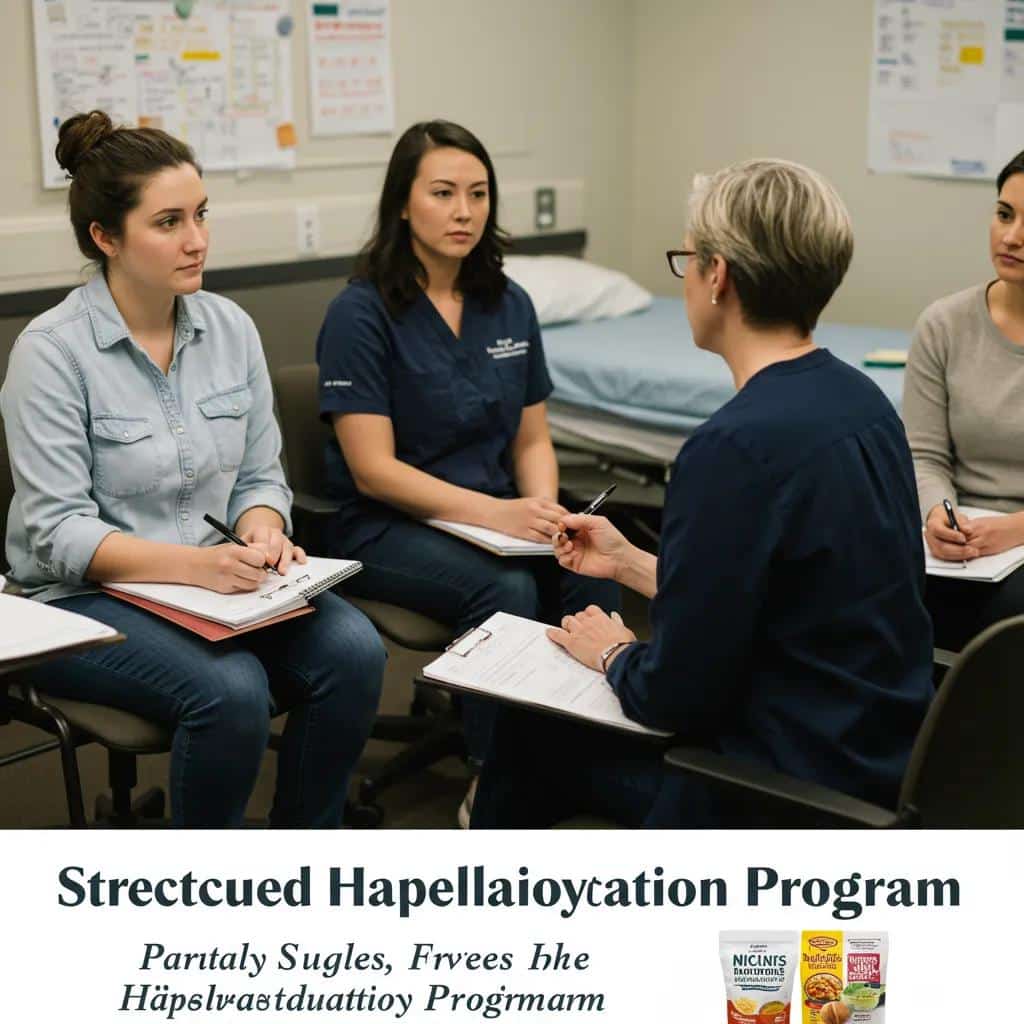
A Partial Hospitalization Program (PHP) for eating disorders is an intensive daytime program that provides many hours of structured therapy, supervised meals, and close medical and nutritional oversight—all without requiring an overnight stay. PHP works by thoughtfully combining medical monitoring, regular nutritionist-led meal planning, and daily therapy groups to stabilize eating behaviors and address medical risks, all while allowing you to remain connected to your community. A typical PHP schedule includes morning medical or nursing checks, mid-day therapeutic groups focused on building skills and processing emotions, supervised meals with dedicated dietitian support, and individual therapy sessions that target cognitive and behavioral patterns. PHP is an ideal choice for women who are medically stable enough to avoid inpatient admission but still require frequent monitoring and intensive therapy to restore medical and nutritional stability. Understanding PHP’s vital role in a stepped-care plan helps you and your family anticipate how it bridges inpatient care and outpatient programs, preparing you for a smooth transition to less intensive services on your healing journey.
How Does the Intensive Outpatient Program (IOP) Support Women’s Recovery?
An Intensive Outpatient Program (IOP) empowers women’s recovery by delivering a concentrated schedule of group therapy, individual sessions, and nutritional guidance several days per week, while still allowing you to return home to your responsibilities in the evenings. IOP’s strength lies in its ability to reinforce new coping skills, maintain meal regularity, and address any co-occurring conditions through focused therapeutic modules, which significantly helps reduce relapse risk after higher-level treatment. A typical IOP week at Sun County Wellness thoughtfully combines group-based DBT/Coping Skills, individual psychotherapy tailored to eating disorder cognitions, and dietitian check-ins that reinforce your meal plan adherence and progress. IOP is particularly well-suited for women who are stepping down from PHP or residential care, or those who need structured treatment that gracefully fits around work, family, or school obligations while managing co-occurring mood, anxiety, or substance-use concerns. This step-down focus ensures continuity of care and gently prepares participants for outpatient maintenance programs that emphasize long-term relapse prevention and sustained wellness.
Why Choose Gender-Specific Eating Disorder Treatment in Orange County?

Gender-specific eating disorder treatment for women at Sun County Wellness thoughtfully focuses our clinical programming, group content, and medical planning on the unique female-specific biological, psychological, and social factors that profoundly influence eating disorders and your recovery journey. This approach operates on the understanding that shared gender experiences—such as reproductive health concerns, societal body-image pressures, and the prevalence of trauma—significantly affect symptom presentation and group dynamics. By addressing these directly, we enhance your engagement and create a safer, more effective healing environment. Women-only settings can powerfully reduce stigma and foster a therapeutic cohesion that encourages the disclosure of sensitive histories and provides targeted psychoeducation about hormonal, reproductive, and life-stage impacts on eating and weight. The following list outlines the core benefits that make gender-specific programming a highly recommended choice for many women seeking eating disorder care in Orange County.
- Gender-specific programs cultivate a safer, more understanding group environment where women can openly address body-image and reproductive health concerns without cross-gender dynamics that might hinder disclosure.
- Focused clinical content empowers our therapists to tailor psychoeducation and skills training to issues more commonly experienced by women, such as perinatal risks, menstrual irregularities, and trauma-related patterns.
- Peer cohesion within women-only groups fosters identity-based mutual support that amplifies your therapeutic process and minimizes distractions that can sometimes arise in mixed-gender settings.
These benefits clearly demonstrate why many clinicians and patients prefer gender-specific care, and in the next section, we’ll explore how trauma-informed principles are seamlessly integrated within these programs to further enhance your safety and improve your outcomes.
“Gender-Informed Eating Disorder Treatment for Women”
>
“Gender issues impact upon the ED experience and require broader consideration in the development and evaluation of ED treatment interventions, including the further development of gender-informed interventions.”
>
“Role of gender in the treatment experiences of people with an eating disorder: a metasynthesis, P Thapliyal, 2018”
How Does Gender-Specific Care Address Women’s Unique Challenges?
Gender-specific care at Sun County Wellness thoughtfully adapts therapy topics, group exercises, and medical planning to address women’s unique challenges by integrating reproductive health considerations, targeted psychoeducation, and group themes centered on identity and social roles. Clinically, this means your individual treatment plans routinely assess for menstrual function, pregnancy planning, and bone health risks, and we adapt your nutrition and medical monitoring accordingly. Our therapeutic groups prioritize vital issues such as societal pressure on female bodies, caregiver roles, and interpersonal dynamics that commonly influence disordered eating in women, which fosters deep relevance and strengthens your therapeutic alliance. This tailored approach allows our clinicians to coordinate seamlessly with obstetric or gynecologic specialists when needed and to incorporate family or partner work that respectfully recognizes women’s caregiving and relational responsibilities, smoothing your path toward functional recovery and safer transitions back to community life.
What Is the Role of Trauma-Informed Care in Women’s Eating Disorder Recovery?
Trauma-informed care in eating disorder treatment means our clinicians at Sun County Wellness thoughtfully assume a history of trauma may be present, always prioritize your safety and choice, and seamlessly integrate trauma-specific interventions alongside nutritional and behavioral work to address the underlying drivers of disordered eating. The profound reason this matters is that trauma—whether emotional, physical, or sexual—commonly co-occurs with eating disorders and can perpetuate maladaptive coping patterns; by compassionately addressing trauma, we significantly reduce relapse risk and support your emotional regulation. Practically, our trauma-informed programs utilize careful pacing, stabilization skills, and evidence-based trauma modalities alongside CBT/DBT, ensuring that trauma processing occurs only when your medical and emotional stability allow. Embedding trauma-informed principles ensures that all assessments, group content, and safety planning deeply respect your triggers and powerfully support your empowerment, which in turn dramatically improves your engagement and long-term recovery outcomes.
“Trauma’s Impact on Eating Disorders and Trauma-Informed Care”
>
“Learning about the life stories of patients who have experienced a severe eating disorder (ED), but also traumas that led to PTSD, dissociative disorders, and other comorbidities, has great value to clinicians in their efforts to deliver trauma-informed care (TIC). Many investigators have been researching and writing about these issues for years, and strong scientific evidence has emerged, indicating that trauma is a significant risk factor for the development of EDs, particularly in its bulimic forms.”
>
“Trauma-informed care and practice for eating disorders: personal and professional perspectives of lived experiences, TD Brewerton, 2019”
Which Evidence-Based and Holistic Therapies Will Support Your Eating Disorder Treatment?
At Sun County Wellness, eating disorder treatment thoughtfully integrates evidence-based psychotherapies, essential nutritional rehabilitation, and complementary holistic modalities to address the biological, psychological, and social components of your recovery journey. Our approach is built on multidisciplinary coordination: our compassionate therapists, expert registered dietitians, skilled medical clinicians, and experienced experiential specialists work seamlessly together to help you normalize eating, reduce cognitive distortions, and rebuild healthy self-regulation. Below is a clear table that clarifies common therapies, their primary focus, session format, evidence base, and their vital role in your recovery, so you can easily see how these powerful therapies interrelate.
Therapy
Primary Focus / Typical Session Format
Evidence-base / Role in ED Recovery
Cognitive Behavioral Therapy (CBT)
Individual sessions targeting distorted thoughts about food and body; practical homework to change behaviors
Strong evidence for bulimia and binge eating; effectively reduces compensatory behaviors and cognitive rigidity
Dialectical Behavior Therapy (DBT)
Group and individual work focused on emotion regulation and distress tolerance skills
Highly effective for emotion-driven behaviors and self-harm; powerfully supports relapse prevention
Nutrition Counseling / Registered Dietitian
Personalized meal planning, gentle exposure to feared foods, and vital nutrition education
Absolutely essential for weight restoration and establishing normalized eating patterns across all diagnoses
Trauma-focused therapies (EMDR/TF-CBT)
Targeted trauma processing with careful stabilization phases
Used when trauma maintains disordered eating; seamlessly integrated with medical stability
Holistic modalities (mindfulness, yoga, adventure therapy)
Group or experiential formats that gently promote body awareness and stress reduction
Complementary support for embodiment, anxiety reduction, and crucial relapse prevention
This table beautifully illustrates how each therapy contributes to your comprehensive healing plan, with evidence-based psychotherapies forming the clinical backbone and holistic modalities powerfully supporting your embodiment and resilience. The next subsection will break down the mechanisms of CBT and DBT and explain how our compassionate clinicians apply them to address eating disorder behaviors.
How Do Cognitive Behavioral Therapy and Dialectical Behavior Therapy Aid Your Recovery?
CBT compassionately addresses distorted thoughts and maladaptive behaviors by teaching you structured cognitive restructuring and behavioral experiments that effectively reduce restrictive eating, bingeing, and compensatory behaviors; its core mechanism is to gently change the feedback loop that maintains disordered eating. DBT, on the other hand, focuses on empowering you with emotion regulation, interpersonal effectiveness, and distress tolerance skills that reduce impulsive behaviors and significantly improve your ability to cope with strong emotions that often trigger disordered eating. In practice, our skilled clinicians at Sun County Wellness thoughtfully blend CBT’s focus on eating-related beliefs and behaviors with DBT skills training for patients who struggle with intense affect or co-occurring self-harm or substance use, creating truly individualized plans that target both cognitive patterns and emotional dysregulation. These powerful therapies are delivered in a mix of individual and group formats to reinforce your skills practice and provide valuable peer modeling, and their combined use often yields greater stability and significantly reduced symptom recurrence on your healing journey.
What Holistic Therapies Support Your Long-Term Wellness in Eating Disorder Treatment?
Holistic therapies at Sun County Wellness are complementary treatments that powerfully support your body connection, stress reduction, and overall wellness, beautifully complementing primary psychotherapies and nutrition work by addressing embodiment and lifestyle factors that profoundly influence your recovery. Modalities such as mindfulness-based stress reduction, somatic therapies, gentle yoga, and adventure or experiential activities promote interoceptive awareness and cultivate a nonjudgmental relationship to your body, which is absolutely critical for relapse prevention. Nutrition-focused practical supports—like meal coaching and cooking groups—bridge cognitive work and daily living by empowering you with concrete skills for balanced eating and navigating social meals. When integrated deliberately by our multidisciplinary team, holistic approaches significantly enhance your resilience, reduce anxiety, and provide alternative coping strategies that sustain the incredible progress you make in more intensive therapies.
How Does Sun County Wellness Ensure Your Safety and Quality in Eating Disorder Treatment?
Sun County Wellness is deeply committed to your clinical safety and the highest quality of care, achieved through multidisciplinary oversight, rigorous medical monitoring practices, and recognized accreditation and licensing that proudly demonstrate our adherence to national and state standards. Your safety is our paramount concern, achieved by thoughtfully combining medical checks, expert nutrition supervision, and integrated psychiatric and therapeutic oversight so that all clinical decisions reflect your medical risk, nutritional progress, and psychological readiness to advance levels of care. Sun County Wellness is proudly accredited by The Joint Commission (holding their esteemed Gold Seal of Approval) and maintains licensing through the Department of Health Care Services (DHCS), which clearly signals our unwavering compliance with external performance and safety standards. We are dedicated to providing comprehensive information about mental health and addiction treatment for women, and we warmly encourage your inquiries for admissions and insurance verification.
What Safety Measures and Medical Monitoring Are Provided During Your Treatment?
Your safety and well-being are our top priorities during eating disorder treatment, which typically includes regular medical assessments, careful monitoring of vital signs and weight trends, laboratory evaluations when clinically indicated, and close coordination between our medical staff and therapists to proactively escalate care if any medical instability emerges. Expert nutrition monitoring by a registered dietitian is thoughtfully paired with supervised meals or dedicated meal support in higher levels of care to ensure your gradual and safe nutritional rehabilitation and to gently observe your behavioral responses to food. Our multidisciplinary case reviews and safety planning involve clear escalation protocols, ensuring that if medical indicators worsen, our clinicians can promptly recommend higher-level care or medical hospitalization. These robust protocols protect your medical stability while allowing your vital therapeutic work to proceed, significantly improving both your short-term safety and your long-term recovery prospects.
Why Is The Joint Commission Accreditation Important for Your Treatment Center Choice?
The Joint Commission accreditation signifies that a treatment center, like Sun County Wellness, has undergone rigorous external review against nationally recognized standards for safety, quality improvement, and patient-centered care, which profoundly elevates trust for you and your family when evaluating providers. Accreditation requires regular audits, meticulous performance measurement, and demonstrated competency in key areas such as medication management, clinical documentation, and staffing qualifications, all of which help reduce variability in care quality. For prospective patients, accreditation offers an objective and powerful marker that the program meets rigorous expectations for continuous improvement and unwavering safety oversight. When paired with DHCS licensing, these esteemed credentials help reassure families that our center operates within all required regulatory frameworks and maintains robust systems to protect your welfare and ensure your peace of mind.
How Can Women Access Eating Disorder Treatment in Orange County? Admissions, Insurance, and Cost
Accessing eating disorder treatment at Sun County Wellness typically follows a clear, stepwise admissions flow designed to support you: initial contact and a compassionate clinical screening, thorough insurance benefits verification, a comprehensive assessment, and thoughtful placement into the appropriate level of care with coordinated scheduling. Our admissions pathway is designed to reduce uncertainty by clarifying your medical needs, verifying your coverage, and arranging timely intake appointments so your treatment can begin at the right intensity for you. Sun County Wellness proudly partners with major insurance carriers including Aetna, Anthem, Blue Cross Blue Shield, Cigna, Humana, Magellan, and UMR to facilitate seamless coverage checks and to coordinate authorizations when required. We are here to provide comprehensive information about mental health and addiction treatment for women, and we warmly encourage your inquiries for admissions and insurance verification.
Admissions Step
What Happens / Documents Needed
Typical Timeframe
Initial Call / Inquiry
A brief, compassionate clinical screen and basic demographic information are collected
Same-day to 48 hours
Insurance Verification
A thorough benefits check, pre-authorization requirements, and clarification of copay/deductible
24–72 hours, depending on your insurer
Clinical Assessment
A comprehensive psychiatric, medical, and nutritional evaluation to determine your ideal level of care
Within 1 week of verification
Admission / Scheduling
Placement into PHP/IOP/OP or coordination with sober living, and your start date is set
Within days to one week after assessment
This stepwise overview clearly clarifies responsibilities at each stage and highlights that insurance verification often guides timing and authorizations. For precise coverage and out-of-pocket estimates, our dedicated admissions team is ready to verify your benefits and explain your next steps; we warmly encourage prospective patients and families to inquire directly for individualized information and scheduling tailored to your needs.
What Is the Insurance Verification Process for Eating Disorder Programs?
Insurance verification at Sun County Wellness begins with an initial benefits check where our admissions team compassionately confirms your mental health and substance use coverage, determines whether eating disorder services require pre-authorization, and identifies any limits on days or session counts. The profound reason this matters is that pre-authorization and coverage caps can significantly affect your placement timing and the financial responsibility you may face, so early verification clearly outlines feasible treatment plans. Typical information needed includes the insured’s name, date of birth, member ID, and recent clinical notes if available; the process may involve follow-up with insurers to secure authorization. Sample questions to ask your insurer include whether PHP and IOP are covered, what documentation is required for authorization, and how out-of-network benefits or prior authorization appeals are handled; rest assured, our admissions team can expertly assist with these verifications and clearly explain the implications for your access to care.
How Much Does Eating Disorder Treatment Cost in Orange County?
Cost considerations for eating disorder treatment are influenced by several factors, including your chosen level of care (PHP is more resource-intensive than IOP or OP), the length of your program, your specific medical needs, and whether services are in-network with your insurance. Rather than fixed prices, your financial responsibility will vary with your individual insurance plan, deductibles, and authorization limits, which is precisely why personalized verification is absolutely essential to accurately estimate your out-of-pocket cost. Many providers, including Sun County Wellness, work closely with insurers to determine in-network coverage and pre-authorize services whenever possible, and sliding scale or payment planning options may be discussed where applicable. For an exact cost estimate and compassionate guidance on available payment options, we warmly encourage prospective patients to contact our admissions team and request a benefits verification to determine your coverage details and expected patient financial responsibility.
What Support and Aftercare Options Are Available for Women Post-Treatment?
Aftercare for eating disorders at Sun County Wellness thoughtfully centers on comprehensive relapse prevention planning, ongoing therapy, consistent nutrition follow-up, and vital transitional supports such as sober living or supportive housing that powerfully maintain the gains you achieved during higher-level treatment. The core mechanism behind effective aftercare is continuity: consistent outpatient therapy, regular dietitian check-ins, and peer support work together to reduce isolation and provide crucial accountability while your new skills are practiced in everyday settings. Structured alumni groups, coordinated case management, and accessible community resources in Orange County help women like you maintain healthy routines, access booster sessions, and reconnect with sober living peers if needed. The list below highlights commonly used aftercare supports that together form a robust safety net for your sustained recovery.
- 1Continued individual psychotherapy and periodic psychiatry appointments to compassionately monitor your mood and medication needs.
- 2Ongoing nutrition counseling with a registered dietitian to powerfully reinforce your meal plans and prevent relapse into restrictive patterns.
- 3Peer-based supports, vibrant alumni groups, and structured sober living that provide daily accountability and a recovery-focused living environment.
These aftercare components collectively reduce your relapse risk by preserving therapeutic momentum and connecting you to vital community supports as you gracefully transition back to independent living, and the next subsection explains the specific, empowering role sober living plays in your long-term recovery.
How Does Sober Living Support Women’s Long-Term Recovery?
Sober living supportive housing provides a nurturing, transitional residential environment where peer accountability, structured household rules, and a strong connection to outpatient therapy help powerfully reinforce your recovery skills in daily life. The structure typically includes shared chore responsibilities, respectful curfews or quiet hours, and clear expectations for meeting attendance or therapy participation, which together promote routine, responsibility, and safe social networks. Sober living profoundly supports relapse prevention by embedding skills practice—such as meal planning, coping with triggers, and emotional regulation—into your everyday routines while offering a supportive peer community that beautifully models recovery behaviors. For women transitioning from PHP or IOP, sober living can gracefully bridge the gap to independent living by combining housing stability with seamless access to outpatient services and a recovery-oriented peer network.
What Are Effective Relapse Prevention Strategies for Eating Disorders?
Effective relapse prevention strategies for eating disorders at Sun County Wellness thoughtfully blend skills-based interventions, practical supports, and community connection to address triggers and help you maintain adaptive behaviors over time. Key strategies include consistently maintaining regular meals and nutrition plans, continued use of your CBT/DBT skills to manage distortions and distress, establishing a supportive social network or sponsor, and scheduling regular check-ins with clinicians to detect warning signs early. Practical action steps include creating a personalized written relapse prevention plan with clear triggers and coping strategies, setting achievable short-term recovery goals, and identifying immediate contacts for help when urges escalate. Implementing these strategies consistently through outpatient services, peer support, and periodic booster sessions significantly increases the likelihood of your sustained recovery and reduces the frequency and severity of any relapse episodes.
We are here to provide comprehensive information about mental health and addiction treatment for women, and we warmly encourage your inquiries for admissions and insurance verification. Your healing journey starts here.
Your Questions, Answered
What are the signs that someone you care about may need eating disorder treatment?
Recognizing the signs of an eating disorder is a crucial step toward timely intervention and healing. Common indicators often include noticeable weight changes, an intense preoccupation with food or body image, and significant shifts in eating habits. Emotional symptoms may also manifest, such as heightened anxiety around meals, social withdrawal, or pronounced mood swings. If you observe these behaviors consistently in someone you care about, it may be a compassionate time to seek professional help. Early intervention can profoundly improve recovery outcomes, making it essential to address these signs promptly and with care.
How can family members lovingly support a loved one in treatment?
Family support plays an absolutely vital role in the recovery process for individuals bravely facing eating disorders. Encouraging open, honest communication, expressing unconditional love, and actively participating in family therapy can help create a deeply supportive and healing environment. It’s incredibly important for family members to educate themselves about eating disorders to better understand their loved one’s unique experiences. Additionally, attending support groups can provide families with invaluable tools and strategies to navigate challenges, fostering a collaborative and empathetic approach to recovery.
What essential role does nutrition play in eating disorder recovery?
Nutrition is a cornerstone of eating disorder recovery, as it directly impacts both physical health and emotional well-being. A registered dietitian at Sun County Wellness typically collaborates closely with patients to develop personalized meal plans that promote balanced eating and gently address any nutritional deficiencies. This healing process often includes a supportive exposure to feared foods and vital education about healthy eating habits. Proper nutrition helps restore physical health, supports mental clarity, and significantly reduces the risk of relapse, making it an essential component of comprehensive and compassionate treatment.
Are there specific therapies that work best for women on their recovery journey?
Women often benefit immensely from therapies that thoughtfully address gender-specific issues related to eating disorders. Cognitive Behavioral Therapy (CBT) and Dialectical Behavior Therapy (DBT) are commonly utilized due to their proven effectiveness in addressing distorted thoughts and enhancing emotional regulation. Additionally, trauma-informed care is crucial, as many women have histories of trauma that can profoundly impact their recovery journey. Group therapy settings that focus on shared experiences can also significantly enhance support and understanding among participants, fostering a powerful sense of community and connection.
What should I expect during the initial assessment for treatment?
The initial assessment for eating disorder treatment at Sun County Wellness typically involves a comprehensive and compassionate evaluation of your medical, psychological, and nutritional needs. Our clinicians will gently gather information about your eating habits, emotional state, and any co-occurring conditions. This thorough assessment helps us determine the most appropriate level of care and tailor a personalized treatment plan just for you. Expect to openly discuss your personal history, current symptoms, and your hopes for treatment goals. This process is absolutely essential for crafting a recovery plan that truly meets your unique needs and circumstances.
How can I find the right treatment program for my unique needs?
Finding the right treatment program involves thoughtfully considering several factors, including the level of care you require, the program’s therapeutic approach, and its accreditation. Researching facilities that specialize in gender-specific and trauma-informed care, like Sun County Wellness, can be incredibly beneficial. Additionally, consulting with trusted healthcare professionals for recommendations and reading reviews from former patients can provide valuable insights. It’s also important to verify your insurance coverage and inquire about the admissions process to ensure a smooth and supportive transition into treatment.
What aftercare options are available to lovingly prevent relapse?
Aftercare is absolutely crucial for maintaining your recovery and preventing relapse after treatment. Options typically include ongoing therapy, nutrition counseling, and active participation in support groups or alumni programs. Many facilities, including Sun County Wellness, offer structured aftercare plans that include regular check-ins with clinicians and supportive peer networks. Engaging in community resources and maintaining a healthy routine can also help powerfully reinforce your recovery skills. Establishing a solid and personalized aftercare plan is essential for sustaining your progress and gracefully navigating challenges in everyday life.

Seeking Treatment? We Can Help
At Sun County Wellness, as an in-network provider we work with most insurance plans, such as:
If you or a loved one are struggling with mental health challenges or substance abuse, reach out to Sun County Wellness today. Our team of compassionate professionals is here to support your journey towards lasting well-being. Give us a call at 949-993-1149
Visit SAMHSA or contact us today for more inforamtion.