5 Star Rated Facility | 1000+ Lives Changed

Call Now | 949-828-0960

Eating Disorder Treatment Orange County
Eating disorders are complex mental health conditions. They require comprehensive and specialized treatment to address both physical and psychological aspects. In Orange County, a variety of treatment options are available. These range from inpatient programs to outpatient counseling services.
Understanding the recovery journey is crucial, as it emphasizes the ongoing nature of healing and the importance of both professional treatment and familial support. This article aims to guide you through the landscape of eating disorder treatment in Orange County. It will highlight the importance of early intervention and the role of nutrition counseling.
We will also dive into the significance of mental health services and behavioral therapy in recovery. The goal is to provide you with the information needed to make informed decisions. Whether you’re seeking help for yourself or a loved one, this guide will serve as a valuable resource.







Understanding Eating Disorders
Eating disorders are serious health conditions that involve intense emotions and behaviors related to food, body weight, and physical appearance. In Orange County, these disorders are more common than many realize, affecting disorder patients of all ages, genders, and backgrounds. Adolescent girls, in particular, are often at higher risk due to societal pressures and body image issues.
The most common types of eating disorders include Anorexia Nervosa, Bulimia Nervosa, and Binge Eating Disorder:
- Anorexia Nervosa involves self-starvation and intense fear of weight gain, often leading to severe weight loss and health risks. Treatment for Anorexia may require a residential treatment program or intensive outpatient programs to address physical and psychological needs.
- Bulimia Nervosa features a cycle of binge eating followed by compensatory behaviors like self-induced vomiting or excessive exercise. This can involve frequent trips to the bathroom after meals.
- Binge Eating Disorder is characterized by compulsive overeating during episodes of consuming large amounts of food, often leading to discomfort and distress.
Individualized treatment plans are essential to support long-term, sustainable healing. These plans often include disorder therapy, art approaches, and commitment therapy, designed to address the unique needs of each patient.
Prevalence and Impact
Eating disorders are more prevalent than many realize. In Orange County, thousands of individuals struggle with disordered eating and related conditions. Binge eating disorders, in particular, affect a significant portion of the population, causing disruptions to daily life and emotional well-being.
The impact of eating disorders extends beyond individuals, often involving Family involvement, friends, and the broader community. Early intervention is crucial. It improves recovery outcomes and reduces the risk of long-term health complications. Facilities like the Hillcrest Adolescent Treatment Center and the Shoreline Center for Eating Disorder Treatment provide personalized treatment programs designed to address these challenges effectively.
Get In Touch
We want to provide the best service possible. If you have any other questions or comments, then feel free to e-mail or call using any of the information below. You will get a response as quickly as possible.
Send A Message
Recognizing the Signs and Symptoms
Understanding the signs of an eating disorder is the first step in the journey to recovery. These signs may vary depending on the disorder but often include preoccupation with weight, perception of body shape, and noticeable changes in quantities of food consumed.
Other signs include excessive exercise, withdrawal from social activities, and emotional shifts such as high-acuity mood changes. Individuals with conditions like restrictive food intake disorder or body dysmorphia may exhibit these symptoms.
It’s essential to seek professional help from a disorder specialist or care team if you or a loved one displays these symptoms. Early intervention can involve Eating Disorder Therapy, art therapists, or music therapists to create a supportive environment for restoration. Recovery facilities, such as Newport Healthcare or CFD Irvine, provide comprehensive options tailored to the individual’s needs.
Early treatment ensures access to ethical, client-centered care that promotes healing through growth and helps individuals achieve a healthier path toward healing.
The Impact of Eating Disorders on Individuals
Eating disorders can have a profound and devastating impact on individuals, affecting their physical, psychological, and social well-being. Here’s a breakdown of the potential consequences:
Physical Health:
Malnutrition: Inadequate nutrient intake can lead to a wide range of health problems, including fatigue, weakened immune system, anemia, osteoporosis (brittle bones), hair loss, and organ damage.
Cardiovascular issues: Eating disorders can cause irregular heart rhythms, low blood pressure, and in severe cases, heart failure.
Gastrointestinal problems: Digestive issues like constipation, bloating, and stomach pain are common. In some cases, individuals may develop ulcers or experience a ruptured esophagus.
Hormonal imbalances: Eating disorders can disrupt menstrual cycles, affect fertility, and lead to problems with growth and development.
Dental problems: Frequent vomiting can erode tooth enamel, leading to cavities and other dental issues.
Psychological Health:
Anxiety and depression: Eating disorders are often co-occurring with mood disorders, with individuals experiencing high levels of anxiety, depression, and low self-esteem.
Obsessive thoughts and behaviors: Individuals may become preoccupied with food, weight, and body image, leading to rigid eating patterns and rituals.
Social isolation: Shame and guilt associated with eating disorders can cause individuals to withdraw from social interactions and relationships.
Self-harm and suicidal thoughts: In severe cases, individuals may engage in self-harming behaviors or experience suicidal ideation.
Social Impact:
Strained relationships: Eating disorders can strain relationships with family and friends, as loved ones may feel helpless or frustrated.
Academic and occupational difficulties: The mental and physical toll of an eating disorder can make it difficult to focus on school or work, leading to poor performance and absenteeism.
Financial burden: Treatment for eating disorders can be expensive, putting a financial strain on individuals and families.
The Role of Nutrition Counseling in Recovery
Nutrition counseling plays a vital role in eating disorder recovery. It helps individuals develop a healthier relationship with food. Counseling can provide education about balanced nutrition. It can also help individuals understand the impact of their eating habits on their health. A key part of nutrition counseling is creating personalized meal plans. These plans consider the individual’s nutritional needs and preferences.
Working with Dietitians and Nutritionists
Dietitians and nutritionists are integral to the recovery process. They provide expert guidance on nutrition and dietary habits. Working with these professionals can help individuals understand the role of food in their health. They can also provide strategies to manage triggers and avoid relapse. Remember, recovery is a journey. Having the right support can make all the difference.
Mental Health and Behavioral Therapy in Eating Disorder Treatment
Eating disorders are not just about food. They are often linked to mental health disorders, such as anxiety, depression, and PTSD.
Therapy is a crucial part of treatment. It helps individuals understand and change harmful behaviors. Various treatment modalities are employed, including Cognitive Behavioral Therapy (CBT) and Dialectical Behavior Therapy (DBT), to address both eating disorders and underlying mental health issues.
There are different types of therapy used in treatment. These include Cognitive Behavioral Therapy (CBT) and Dialectical Behavior Therapy (DBT).
CBT focuses on identifying and changing negative thought patterns.
DBT helps individuals manage emotions and improve relationships.
Both therapies can be highly effective in treating eating disorders.
Cognitive Behavioral Therapy (CBT) and Dialectical Behavior Therapy (DBT)
CBT is often the first line of treatment for eating disorders. It helps individuals understand the link between their thoughts, feelings, and behaviors.
DBT, on the other hand, was initially developed to treat Borderline Personality Disorder. However, it has proven effective in treating eating disorders as well. DBT focuses on skills like mindfulness, distress tolerance, and emotional regulation. These skills can be particularly helpful for individuals with eating disorders.
Remember, the goal of therapy is not just to change behaviors, but to improve overall quality of life.
The Importance of a Supportive Environment
Recovery from an eating disorder is not a solitary journey. A supportive environment is crucial. This includes supportive family and friends. It also includes healthcare professionals who understand the complexities of eating disorders. Remember, recovery is possible. With the right support, individuals can overcome their eating disorders and lead healthier lives.

Treatment Options in Orange County
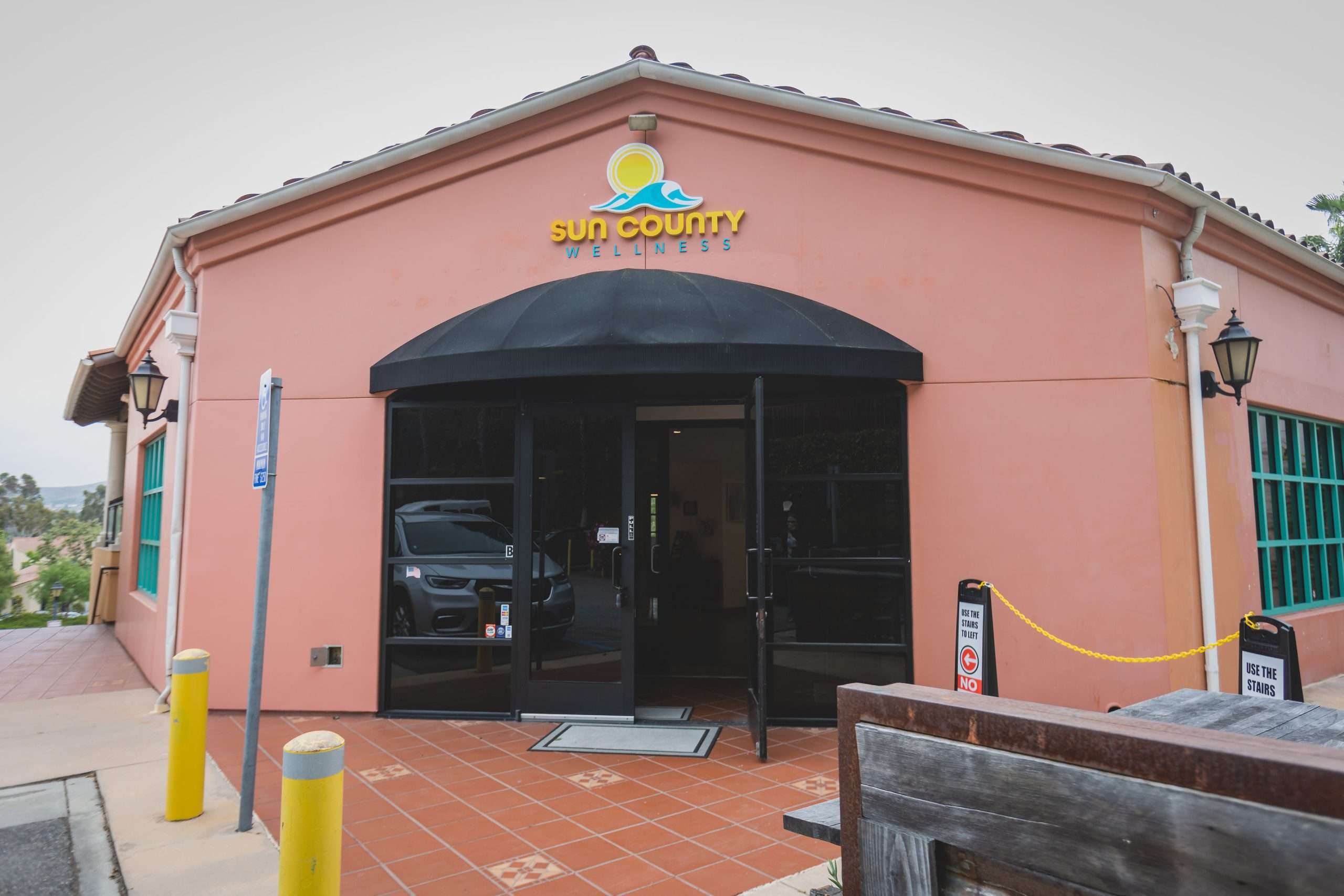
Sun County Wellness in Orange County offers evidence-based therapies and a comprehensive treatment process for eating disorders. These include inpatient and outpatient programs, as well as personalized treatment plans for conditions such as anorexia nervosa, bulimia nervosa, and binge eating disorder.
Inpatient treatment programs provide round-the-clock care, often recommended for individuals with severe eating disorders or those needing medical care and stabilization. Partial hospitalization programs offer structured care while allowing for more flexibility than inpatient settings.
Outpatient programs, including intensive outpatient care, allow individuals to live at home while receiving treatment. This level of care is ideal for those transitioning from inpatient care or dealing with less severe disorders. The dedicated team at Sun County Wellness ensures that every individual receives compassionate care.
Choosing the Right Treatment Center
When choosing an Eating Disorder Treatment Center, there are several factors to consider. These include the range of treatment modalities, the qualifications of the staff, and the philosophy of care offered. Practical considerations such as location, cost, and whether the center accepts your insurance company are also important.
Sun County Wellness emphasizes integrated approaches with therapies such as art therapy, family therapy sessions, and nutritional counseling. These therapies address the core issues of eating disorders, such as distorted body image and fear of weight gain.
Support Systems and Community Resources
Support systems are vital for long-term recovery. In Orange County, there are numerous community resources, including support groups, educational workshops, and outreach programs.
- Local support groups provide a safe space for sharing experiences and building connections.
- Educational workshops help individuals and their families understand the recovery process and address issues such as body image and episodes of binge eating.
- Community outreach programs: These aim to raise awareness and provide early intervention resources.
Support Groups and Family Therapy
Support groups create a collaborative environment where individuals can share experiences and build a positive relationship with recovery. Family therapy helps address co-occurring mental health conditions and teaches families how to support loved ones effectively.
Recovery is a journey to healing that involves the entire family. Programs such as those at Sun County Wellness provide age-appropriate care and ensure that recovery feels like a secure environment.
Aftercare and Maintaining Recovery
Aftercare is a critical part of the healing process. It helps individuals maintain progress through ongoing therapy, support groups, and regular check-ins with disorder therapists or other healthcare providers.
A robust aftercare plan can reduce the risk of relapse by focusing on sustainable changes in eating behaviors and co-occurring concerns. Maintaining a healthy relationship with food and body image is essential for life skills development and everyday lives.
Conclusion and Next Steps
Sun County Wellness offers comprehensive, solution-focused treatment for eating disorders in Orange County. From nutrition counseling to daily group therapy sessions, there’s a path to recovery for everyone. Programs like art therapy and expressive arts therapy groups support a healing journey that prioritizes mental and emotional well-being.
If you or someone you love is struggling, reaching out to an ethical, client-centered team like Sun County Wellness is the first step. Recovery is about creating a meaningful life with the support of a compassionate treatment program. With the right help, deep healing is possible.
Call Sun County Wellness Today!
If an eating disorder, such as nervosa binge eating disorder, is encroaching on your life or affecting your child’s well-being, don’t bear the weight in silence. Reach out to Sun County Wellness, California’s trusted partner for women’s mental health treatment. We’re here to guide you towards a brighter, anxiety-free future.
Seeking Treatment? We Can Help
At Sun County Wellness, as an in-network provider we work with most insurance plans, such as:
If you or a loved one are struggling with mental health challenges or substance abuse, reach out to Sun County Wellness today. Our team of compassionate professionals is here to support your journey towards lasting well-being. Give us a call at 949-993-1149
FAQ's
This question addresses the common challenge faced by family and friends of individuals with eating disorders. It focuses on providing guidance on how to offer support without inadvertently reinforcing unhealthy behaviors.
This question highlights the importance of body image in eating disorder recovery. It allows for discussion on how to cultivate a positive body image and its impact on overall well-being.
This question emphasizes the importance of community involvement in combating eating disorders. It encourages open dialogue and education about the condition.
This question acknowledges the unique challenges faced by athletes struggling with eating disorders. It provides an opportunity to discuss tailored treatment plans for this population.
Contact us. Our dedicated team at Sun County is always here to provide support and guidance.