

Clinically Reviewed By Brittany Astrom - LMFT
Brittany has 15 years of experience in the Mental Health and Substance Abuse field. Brittany has been licensed for almost 8 years and has worked in various settings throughout her career, including inpatient psychiatric treatment, outpatient, residential treatment center, PHP and IOP settings.
Is Methocarbamol Addictive? Understanding Dependence, Withdrawal, and Treatment for Women
Methocarbamol is a widely prescribed muscle relaxant, yet many women and their families wonder: Is Methocarbamol Addictive? This question matters because prolonged use can lead to physical dependence, disrupted daily functioning, and intensified mental health struggles. In the next sections, we will define methocarbamol’s medical role, examine how it interacts with the central nervous system, and explore its potential for dependence versus addiction.
You will learn the key signs and symptoms of misuse in women, understand withdrawal timelines, and discover how co-occurring mental health conditions influence recovery. Finally, you will see how Sun County Wellness offers women-centric, holistic treatment programs and early-intervention resources, plus guidance on admissions and insurance verification.
What Is Methocarbamol and How Does It Work as a Muscle Relaxant?
Methocarbamol is a prescription muscle relaxant that alleviates acute muscle spasms by depressing the central nervous system. When taken as directed, it reduces pain and promotes functional mobility in conditions such as strains, sprains, and back injuries. For example, a woman recovering from a sports injury may receive methocarbamol to ease involuntary muscle contractions, allowing more comfortable participation in physical therapy and daily activities. Understanding its pharmacology sets the stage for recognizing how prolonged use can shift from therapeutic to problematic.
What Are the Common Medical Uses and Dosage Guidelines for Methocarbamol?
Patients typically use methocarbamol to:
- Alleviate muscle spasms in acute musculoskeletal injuries.
- Support rehabilitation after orthopedic surgery by reducing pain-induced tension.
- Complement physical therapy in conditions such as fibromyalgia to improve range of motion.
- Manage discomfort in acute back pain with a short-term regimen.
- Temporarily relieve neck or shoulder stiffness related to injury.
These indications usually involve an initial adult dosage of 1,500 mg taken four times daily, tapered over a period of days to weeks under medical supervision.
How Does Methocarbamol Affect the Central Nervous System?
Methocarbamol works by inhibiting neuronal pathways in the brainstem, which diminishes spastic reflexes and promotes muscle relaxation. This central depressant action can produce sedation, dizziness, and a sense of lightheadedness. While sedation provides clinical benefit in relieving spasm-related discomfort, repeated exposure may lead to tolerance—requiring higher doses for the same effect—and set the stage for physical dependence. Recognizing this mechanism helps explain why careful monitoring is essential, especially when treatment extends beyond a few weeks.
Can Methocarbamol Cause Addiction or Dependence in Women?
Yes, methocarbamol can trigger physical dependence and, in some cases, psychological addiction when used over extended periods or outside prescribed guidelines. Physical dependence arises from neuroadaptive changes in central nervous system receptors, while psychological addiction involves compulsive drug-seeking behavior and misuse despite adverse consequences. Differentiating these pathways is critical for early intervention and prevention of long-term harm.
What Is the Difference Between Addiction and Physical Dependence?
Addiction is a chronic medical condition characterized by compulsive use and loss of control over drug intake, even when it harms personal and social well-being. Physical dependence, by contrast, occurs when the body adapts to the presence of methocarbamol and elicits withdrawal symptoms upon dose reduction or abrupt discontinuation. For instance, a woman may follow her prescription yet develop tremors and anxiety when she misses a dose (dependence) without necessarily exhibiting the craving and misuse patterns seen in addiction.
How Does Methocarbamol Lead to Dependence or Addiction?
Repeated methocarbamol use amplifies GABAergic inhibition in the central nervous system, reducing excitatory neurotransmission and producing calming effects. Over time, receptor down-regulation demands higher doses to achieve muscle relaxation and sedation, laying the groundwork for tolerance and withdrawal. Psychological factors—such as relief from pain or stress—can reinforce continued use, transforming medical compliance into habitual intake that meets criteria for substance use disorder.
Are Women More Susceptible to Methocarbamol Dependence?
Women often experience unique physiological and psychosocial risk factors that can accelerate dependence. Hormonal fluctuations influence drug metabolism, potentially altering blood levels of methocarbamol and increasing sensitivity to its sedative effects. Social stressors—such as caregiver roles and co-occurring anxiety or depression—may drive some women to rely on medication for emotional relief, raising their risk of misuse and dependence compared with men in similar clinical scenarios.
“Sex-Related Differences in Drug Efficacy and Safety”
>
“While there is considerable evidence about sex-related differences between men and women in drug metabolism, efficacy and safety of frequently prescribed drugs such as analgesics, tranquillizers, statins and beta-blockers, clinicians’ awareness of the implications on dosing and adverse event monitoring in routine practice is inadequate.”
>
“Some drugs are more effective in men than women (e.g. ibuprofen) or vice versa (e.g. opioids, benzodiazepine), typically owing to pharmacodynamic causes. The 5-hydroxytryptamine (5-HT) receptor 3 antagonist alosetron is approved for women only since it largely lacks efficacy in men. For statins, equal efficacy was demonstrated in secondary prevention of cardiovascular events, but primary prevention is still under debate. For some drugs (e.g. paracetamol, metoprolol), women are at significantly higher risk of adverse effects. Therefore, considering sex-specific features in clinical trials and therapeutic guidelines is warranted to ensure efficacy and safety of medicines.”
>
“Sex-related differences in pharmacokinetics and pharmacodynamics of frequently prescribed drugs: a review of the literature, R Gottardi, 2020”
What Are the Signs and Symptoms of Methocarbamol Abuse and Addiction in Women?
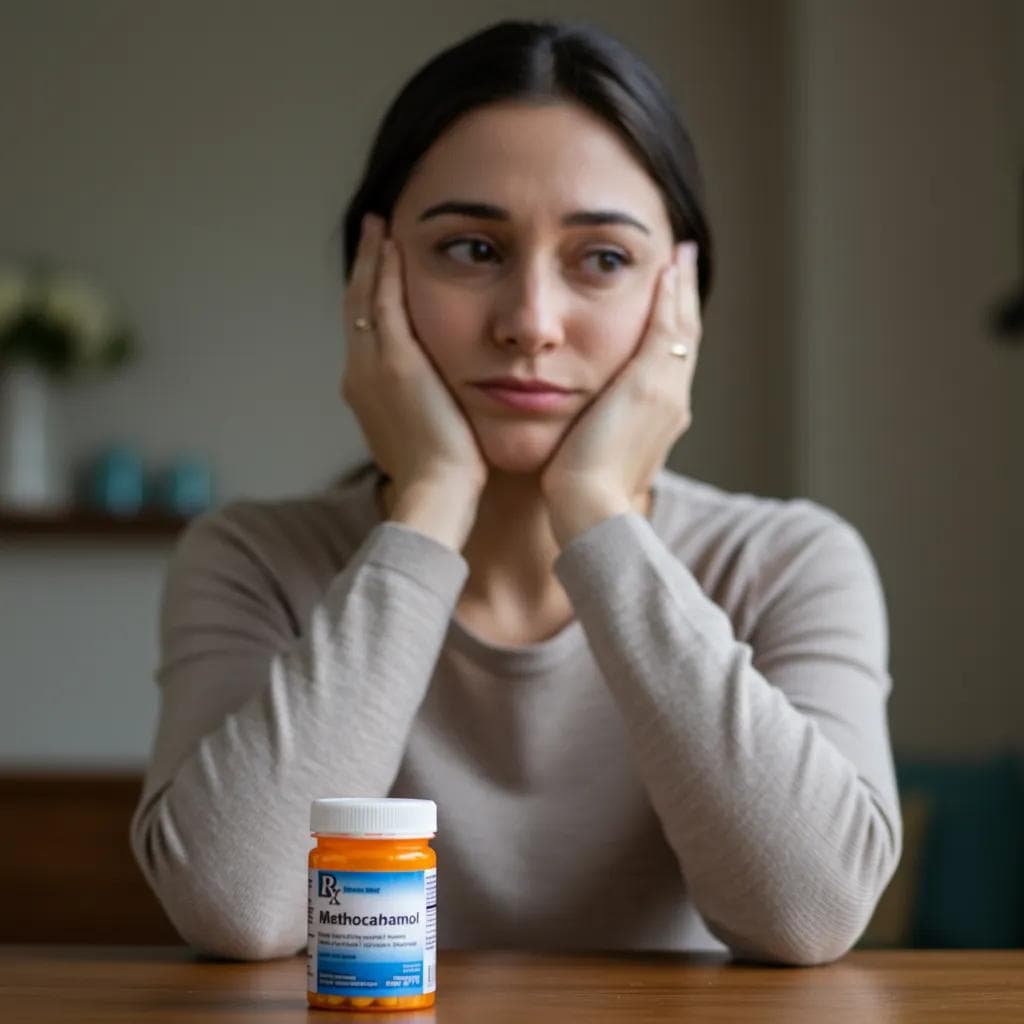
Methocarbamol abuse manifests through changes in mood, behavior, and physical health that exceed therapeutic expectations. Recognizing these indicators early can prompt timely intervention and reduce the likelihood of severe withdrawal or complications. Below is a concise overview of common warning signs.
What Behavioral Changes Indicate Methocarbamol Abuse?
Before clinical symptoms appear, women may:
- 1Increase dosage without medical approval to sustain relief or sedation.
- 2Neglect personal and professional responsibilities due to sedative effects.
- 3Exhibit mood swings, irritability, or undue anxiety when doses lapse.
- 4Spend excessive time seeking or obtaining additional medication.
- 5Conceal misuse or lie about consumption patterns.
These behaviors often precede physical dependence and highlight the need for supportive treatment and monitoring.
What Physical Symptoms Signal Methocarbamol Dependence?
Before exploring long-term health effects, it helps to see how withdrawal emerges.
Symptom
Mechanism
Clinical Note
Tremors
Rebound neuronal excitability
Can begin within 24 hours of dose reduction and peak at 72 hours.
Sweating
Autonomic dysregulation
May occur alongside tachycardia and hypertension.
Insomnia
Central nervous system rebound
Often worsens anxiety and mood disturbances.
Nausea and vomiting
Gastrointestinal hyperactivity
Risk of dehydration; medical supervision advised.
Anxiety
Neurochemical imbalance
Heightens risk of relapse in women with pre-existing anxiety disorders.
How Do Methocarbamol Abuse Symptoms Differ in Women?
Women may report more pronounced anxiety, hormonal mood shifts, and sleep disturbances compared with men. Physical discomfort—such as headaches, pelvic tension, or menstrual irregularities—can intensify during withdrawal, compounding emotional distress. Understanding these gender-specific patterns helps tailor treatment strategies for more effective recovery.
What Are the Withdrawal Symptoms and Timeline for Methocarbamol in Women?
Withdrawal from methocarbamol follows a predictable progression of symptoms reflecting physiological adaptation. A clear timeline and symptom profile prepare women and their care teams for safe detoxification under medical supervision.
What Common Withdrawal Symptoms Do Women Experience?
Detox typically unfolds as follows:
Symptom Onset
Typical Timeline
Clinical Implication
Mild anxiety
6–12 hours
Early indicator of dependence reversal.
Tremors and sweating
24–48 hours
Requires close monitoring of vital signs.
Insomnia
48–72 hours
May need non-addictive sleep support.
Nausea and headaches
72–96 hours
Symptomatic relief can improve retention.
Peak discomfort
3–5 days
Medical detox environment recommended.
How Long Does Methocarbamol Stay in the System During Withdrawal?
Methocarbamol’s half-life ranges from 1.5 to 2 hours, but active metabolites persist for up to 24 hours in healthy adults. In women with slower metabolic rates or impaired liver function, clearance may extend beyond 48 hours. Understanding this pharmacokinetic profile ensures realistic expectations for detox duration and symptom management.
Why Is Medical Supervision Important During Methocarbamol Withdrawal?
Medical supervision minimizes risks associated with autonomic instability, severe anxiety, and dehydration. In a supervised environment, clinicians can implement evidence-based tapering protocols, administer supportive medications, and offer continuous emotional support. This structured approach reduces relapse risk and addresses co-occurring mental health needs as they emerge.
How Do Co-occurring Mental Health Conditions Affect Methocarbamol Addiction in Women?
Co-occurring disorders—conditions that arise alongside substance use—interact bidirectionally, complicating diagnosis and treatment. Addressing both addiction and mental health simultaneously yields better recovery outcomes than treating either in isolation.
Which Mental Health Disorders Commonly Co-occur with Methocarbamol Abuse?
- Anxiety disorders, including generalized anxiety and panic disorder.
- Depressive disorders marked by low mood, anhedonia, and sleep disruption.
- Post-traumatic stress disorder following histories of interpersonal trauma.
- Chronic stress and adjustment disorders linked to life transitions or caregiving roles.
How Does Integrated Treatment Address Both Addiction and Mental Health?
Integrated treatment combines evidence-based therapies—such as cognitive-behavioral therapy, dialectical behavior therapy, and medication management—within a unified care plan.
- 1Joint assessment by addiction specialists and mental health clinicians ensures accurate diagnosis.
- 2Concurrent therapies target cravings, coping skills, and underlying trauma.
- 3Medication-assisted support addresses withdrawal while stabilizing mood disorders.
This parallel approach reduces the risk of relapse by healing both the mind and body.
Why Is Trauma-Informed Care Essential for Women Recovering from Methocarbamol Addiction?
Trauma-informed care recognizes the prevalence of past trauma and its influence on substance use. By fostering safety, empowerment, and collaborative decision-making, this model helps women rebuild a sense of control. For example, embedding mindfulness practices and group processing sessions allows clients to process distressing memories without relying on substances for escape.
What Comprehensive Treatment Options Are Available for Methocarbamol Addiction at Sun County Wellness?

Sun County Wellness provides a continuum of care designed specifically for women, combining medically supervised detox with holistic therapies and peer support. This integrated framework ensures a seamless transition from acute withdrawal management to long-term recovery.
What Residential and Outpatient Programs Support Women’s Recovery?
Women at Sun County Wellness can access:
- Residential Treatment offering 24/7 medical and clinical supervision in a supportive environment.
- Partial Hospitalization Program (PHP) with structured therapy, life skills workshops, and peer groups during daytime hours.
- Intensive Outpatient Program (IOP) providing evening and weekend sessions for ongoing support while living at home.
These options allow each woman to choose the level of structure that best fits her stage of recovery.
How Does Sun County Wellness Provide Holistic, Women-Centric Addiction Treatment?
Sun County Wellness integrates evidence-based and experiential modalities:
- Individual and group therapy tailored to women’s experiences.
- Trauma-informed yoga and mindfulness sessions to regulate stress responses.
- Art and equine therapy to foster creative self-expression and empowerment.
- Nutritional counseling and wellness education to restore physical health.
This multifaceted approach addresses emotional, physical, and spiritual needs, promoting comprehensive healing.
How Can Women Access Admissions and Insurance Verification Services?
Women seeking help can contact the Sun County Wellness admissions team to verify insurance benefits and begin intake. A dedicated coordinator guides each inquiry through eligibility screening and financial planning, ensuring clarity and reducing barriers to care.
How Can Women Prevent Methocarbamol Dependence and Seek Early Intervention?
Preventing dependence begins with awareness, responsible use, and prompt action at the first signs of misuse. Early intervention maximizes safety and supports long-term recovery.
What Are Early Warning Signs of Methocarbamol Abuse in Women?
Watch for:
- Rising dosage requests without new medical indications.
- Frequent preoccupation with when the next dose is due.
- Sedation that interferes with social or professional obligations.
- Emerging mood swings or irritability tied to missed doses.
Recognizing these red flags supports timely adjustment of prescribing practices or referral to specialty care.
What Steps Should Women Take If They Suspect Dependence?
- 1Consult the prescribing clinician to discuss dosage tapering options.
- 2Seek a comprehensive evaluation for co-occurring mental health concerns.
- 3Explore outpatient support groups specializing in prescription medication recovery.
- 4Contact a women-focused treatment center for early intervention planning.
These actions create a proactive pathway to reduce consumption safely and gain professional support.
How Does Sun County Wellness Support Prevention and Early Recovery?
Sun County Wellness offers prevention resources such as educational workshops on prescription safety, early-intervention counseling for women showing misuse patterns, and peer support cohorts. These services help women build coping strategies before substance use escalates.
Why Choose Sun County Wellness for Women’s Methocarbamol Addiction Recovery?
Sun County Wellness commits to women’s healing through specialized care that honors each individual’s journey. By focusing exclusively on women, the center cultivates an atmosphere of understanding and mutual support.
What Makes Sun County Wellness’s Women-Centric Approach Unique?
Women receive care in a setting designed for their needs, including:
- Female-only therapy groups led by specialists in women’s health.
- Treatment plans that incorporate gender-specific stressors and life roles.
- Family-involvement sessions to repair relationships and build support networks.
These elements foster a sense of safety, trust, and shared experience.
How Does Trauma-Informed and Holistic Care Improve Recovery Outcomes?
Trauma-informed frameworks empower women to confront underlying causes of substance use without re-traumatization. Holistic therapies—such as art expression and mindfulness—enhance self-awareness and coping skills. Together, these approaches reduce relapse rates and improve emotional regulation.
What Success Stories Illustrate Effective Methocarbamol Addiction Treatment?
Anonymized example: A 32-year-old mother of two overcame methocarbamol dependence after eight years of intermittent use. Through trauma-informed therapy and peer support, she regained stability, returned to her career, and rebuilt family relationships. Her progress highlights the center’s capacity to guide women to lasting recovery.
What Are the Long-Term Effects of Methocarbamol Use and Abuse in Women?
Extended methocarbamol misuse can compromise physical health, mental well-being, and social functioning. Awareness of these risks underscores the importance of timely treatment.
How Does Long-Term Methocarbamol Use Impact Women’s Physical Health?
Chronic use may lead to:
- Hepatic strain and elevated liver enzymes due to prolonged metabolism.
- Persistent dizziness and impaired coordination raising fall risk.
- Gastrointestinal issues such as chronic nausea or constipation.
- Cardiovascular fluctuations with episodes of hypotension or tachycardia.
These physical consequences demand comprehensive medical monitoring and lifestyle adjustments.
What Are the Psychological and Social Consequences of Prolonged Abuse?
Ongoing misuse often coincides with mood instability, increased anxiety, and depressive episodes. Social isolation can arise from sedation and preoccupation with drug procurement. Professional performance may decline, and families may experience strained relationships, all of which deepen reliance on the drug as a coping mechanism.
How Can Recovery Mitigate Long-Term Damage?
Effective treatment can restore health by:
- 1Gradual detox under medical guidance to stabilize physiology.
- 2Psychotherapy to rebuild coping strategies and address trauma.
- 3Nutritional and exercise plans to support physical rehabilitation.
- 4Community reintegration programs to restore social and vocational roles.
These interventions promote full recovery and reduce the risk of lasting impairment.
Empowering women to recognize the potential for methocarbamol dependence and pursue informed treatment choices can change the trajectory of addiction. With targeted, women-centric care and a holistic healing environment, lasting recovery is within reach. Sun County Wellness stands ready to guide each woman through safe detox, integrated therapy, and ongoing support toward renewed health and resilience.
Frequently Asked Questions
What Should Women Know About the Risks of Mixing Methocarbamol with Other Substances?
Mixing methocarbamol with other substances, particularly alcohol or opioids, can significantly increase the risk of respiratory depression, sedation, and overdose. Women should be particularly cautious, as their bodies may metabolize drugs differently due to hormonal factors. It is crucial to consult a healthcare provider before combining methocarbamol with any other medications or substances to avoid dangerous interactions and ensure safe usage.
How Can Women Recognize When They Need Help for Methocarbamol Misuse?
Women should seek help if they notice increasing tolerance, withdrawal symptoms, or if their use of methocarbamol begins to interfere with daily responsibilities and relationships. Other warning signs include preoccupation with obtaining the drug, neglecting personal care, or experiencing mood swings related to medication use. Early intervention is key to preventing further dependence and should involve consulting a healthcare professional for guidance.
What Role Does Family Support Play in Recovery from Methocarbamol Addiction?
Family support is vital in the recovery process from methocarbamol addiction. Involvement from family members can provide emotional stability, accountability, and encouragement throughout treatment. Family therapy sessions can also help address underlying issues and improve communication, fostering a supportive environment that enhances the recovery journey. Engaging loved ones in the process can significantly improve outcomes and reduce the risk of relapse.
Are There Specific Therapies That Benefit Women in Methocarbamol Recovery?
Yes, therapies such as trauma-informed care, cognitive-behavioral therapy (CBT), and mindfulness practices are particularly beneficial for women recovering from methocarbamol addiction. These approaches address both the psychological and emotional aspects of addiction, helping women develop coping strategies and resilience. Holistic therapies, including yoga and art therapy, can also promote healing by fostering self-expression and emotional regulation, which are crucial for long-term recovery.
What Are the Long-Term Health Monitoring Needs for Women Recovering from Methocarbamol Addiction?
Women recovering from methocarbamol addiction should undergo regular health monitoring to assess liver function, mental health status, and overall physical well-being. This includes routine blood tests to check liver enzymes and screenings for anxiety or depression. Ongoing support from healthcare providers can help manage any lingering withdrawal symptoms and ensure that women receive the necessary care to maintain their recovery and prevent relapse.
How Can Women Educate Themselves About Safe Medication Practices?
Women can educate themselves about safe medication practices by attending workshops, consulting healthcare professionals, and accessing reputable online resources. Understanding the risks associated with prescription medications, including methocarbamol, is crucial for responsible use. Additionally, women should be encouraged to communicate openly with their healthcare providers about any concerns regarding their medications, including potential side effects and interactions with other substances.

Seeking Treatment? We Can Help
At Sun County Wellness, as an in-network provider we work with most insurance plans, such as:
If you or a loved one are struggling with mental health challenges or substance abuse, reach out to Sun County Wellness today. Our team of compassionate professionals is here to support your journey towards lasting well-being. Give us a call at 949-993-1149
Visit SAMHSA or contact us today for more inforamtion.