
Clinically Reviewed By Brittany Astrom - LMFT
Brittany has 15 years of experience in the Mental Health and Substance Abuse field. Brittany has been licensed for almost 8 years and has worked in various settings throughout her career, including inpatient psychiatric treatment, outpatient, residential treatment center, PHP and IOP settings.
Signs of Anxiety in Women
Anxiety in women is a common mental health disorder that affects mood, behavior, and overall quality of life. Many women experience anxiety that disrupts daily routines, relationships, and sleep. Understanding the early signs of anxiety and seeking effective treatment can reduce long-term health risks and improve overall well-being.
Generalized Anxiety Disorder (GAD)
Generalized Anxiety Disorder (GAD) causes persistent worry, stress, and tension that lasts for months. It can lead to physical symptoms such as fatigue, muscle aches, headaches, and shortness of breath. GAD affects how women think, feel, and function. Women with GAD may struggle to manage their emotions, especially during high-pressure situations.
Common symptoms of GAD in women include:
- Excessive worry about health, safety, or finances
- Restlessness or feeling “on edge”
- Muscle tension or pain
- Difficulty concentrating
- Trouble sleeping
- Rapid heart rate and palpitations
- Irritability and low energy
- Nausea or upset stomach
- Shortness of breath or breathing difficulty
The combination of physical and emotional stress can affect the brain and increase the production of stress hormones like cortisol and adrenaline. Over time, GAD can impact hormone levels and increase the risk of depression, substance use, and chronic illness.
Other Types of Anxiety Disorders
Women may experience other types of anxiety that include:
- Panic Disorder: Involves sudden panic attacks with chest pain, dizziness, rapid heart rate, and fear of death.
- Specific Phobia: Extreme fear of certain objects or situations, such as flying, spiders, or needles.
- Social Anxiety Disorder: Intense fear of being judged or embarrassed in social settings.
- Agoraphobia: Fear of being in places where escape might be difficult.
- Obsessive-Compulsive Disorder (OCD): Involves repeated behaviors or thoughts that disrupt normal behavior.
- Post-Traumatic Stress Disorder (PTSD): Triggered by trauma such as childbirth, abuse, or a major life event.
- Postpartum Depression and Anxiety: Can appear during the postpartum period, especially after pregnancy or hormonal changes.
Each anxiety disorder involves a combination of physical and emotional symptoms, often affecting lifestyle and coping ability.
What Is an Anxiety Disorder?
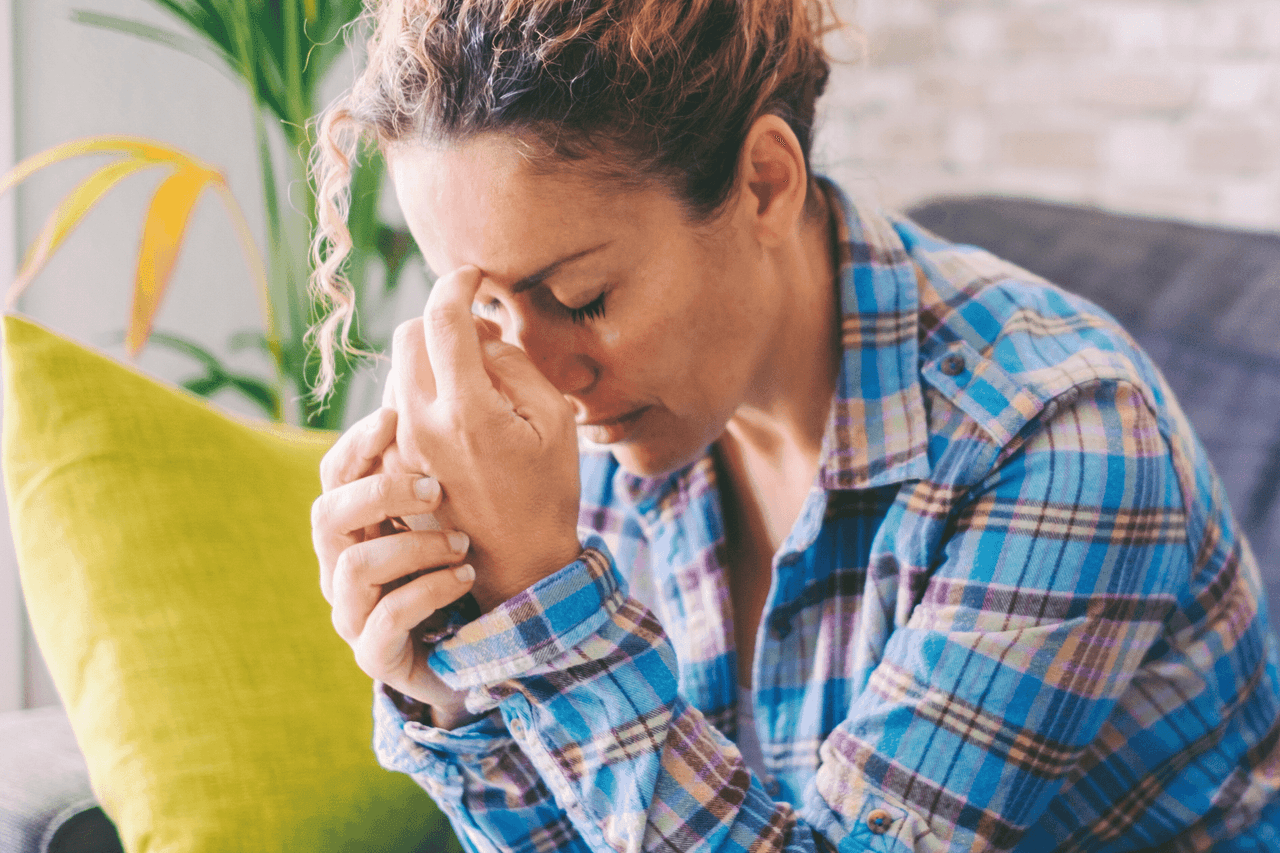
An anxiety disorder is a mental health condition involving persistent fear, panic, or worry that interferes with everyday activities. Anxiety disorders go beyond regular stress and may require professional management. These disorders are influenced by factors such as genetics, hormone fluctuations, medical history, and environmental stressors.
Hormonal shifts from the menstrual cycle, pregnancy, menopause, or postpartum changes can increase anxiety risk in women. Estrogen and serotonin levels affect mood and emotion, making some women more vulnerable during hormonal transitions.
What Are the Most Common Types of Anxiety?
The most common anxiety disorders in women include:
- Generalized Anxiety Disorder (GAD)
- Panic Disorder
- Social Anxiety Disorder
- Specific Phobias
- Post-Traumatic Stress Disorder (PTSD)
- Agoraphobia
- Postpartum Depression and Anxiety
Each type has unique signs but often shares symptoms like fear, stress, worry, and avoidance. Many women also experience comorbidity with depression, addiction, or insomnia.
What Are Some Anxiety Symptoms?
Women may experience anxiety through physical, emotional, and behavioral changes. Common symptoms include:
- Muscle tension or pain
- Racing thoughts or excessive worry
- Rapid breathing or shortness of breath
- Heart palpitations
- Nausea or stomach pain
- Dizziness or lightheadedness
- Irritability or mood changes
- Insomnia or disturbed sleep
- Appetite changes
- Fatigue and low energy
- Panic attacks or fear of losing control
- Avoidance of social or stressful situations
These symptoms may worsen during hormone-related events such as the menstrual cycle, pregnancy, or menopause.
Symptoms and Causes
What Are the Symptoms of Anxiety Disorders?
Anxiety symptoms in women can be physical, mental, or emotional. These may include:
- Difficulty relaxing or using relaxation techniques
- Constant worry, even without a clear reason
- Sleep problems or insomnia
- Restless behavior and fidgeting
- Tension headaches and fatigue
- Racing heart, dizziness, or chest pain
- Feelings of fear or panic
- Shortness of breath and asthma-like symptoms
- Perfectionism and fear of failure
- Repeated negative thoughts
These signs can affect the patient’s ability to focus, cope, and feel confident in social skills or daily tasks.

What Causes Anxiety Disorders?
Anxiety disorders have many causes, including:
- Genetics: Anxiety can run in families.
- Hormones: Estrogen, serotonin, and cortisol levels affect mood.
- Stressful events: Divorce, job loss, or chronic illness increase pressure.
- Trauma: Childhood abuse, childbirth, or domestic violence.
- Medical history: Chronic pain, asthma, or hormone disorders.
- Substance use: Alcohol, stimulants, or withdrawal can increase symptoms.
- Parenting stress: Balancing children, work, and life responsibilities.
The brain’s chemical response to stress and pressure plays a key role in anxiety disorders.
Diagnosis and Tests
How Are Anxiety Disorders Diagnosed?
A health care provider or mental health professional will assess symptoms using:
- Physical examination to rule out underlying health conditions
- Evaluation of medical history and mental health background
- Diagnostic screening tools like the GAD-7 or anxiety scales
- Discussion of thoughts, feelings, and behaviors
An accurate diagnosis helps guide appropriate treatments and ensures proper care. In some cases, blood tests may check hormone levels or other causes.
Management and Treatment
How Are Anxiety Disorders Treated?
At Sun County Wellness, our team provides evidence-based care focused on women’s needs. Anxiety treatment includes:
1. Therapy
- Cognitive Behavioral Therapy (CBT): Helps change thought patterns and improve behavior.
- Exposure Therapy: For women with phobias or PTSD.
- Talk Therapy: Supports emotional expression and builds coping skills.
- Group therapy and caregiver support may also reduce isolation.
2. Medication
- Antidepressants and anti-anxiety medications such as lorazepam may reduce symptoms.
- Medications are prescribed based on symptom severity, hormone health, and history.
- All medications carry a risk of side effects and require ongoing management.
3. Lifestyle Changes
- Daily exercise and yoga
- Practicing meditation and relaxation techniques
- Following a healthy diet and reducing caffeine
- Using stress management strategies
- Improving sleep habits
- Avoiding substance use or unhealthy coping habits
4. Holistic and Behavioral Support
- Teaching coping and social skills
- Addressing perfectionism or pressure
- Creating balance between physical and mental health
- Educating women on hormone effects and stress response
- Monitoring for postpartum depression and related risks
Sun County Wellness offers a full range of treatment options that support the mind and body. We understand how anxiety impacts women and offer compassionate care for every stage of life.

Seeking Treatment? We Can Help
At Sun County Wellness, as an in-network provider we work with most insurance plans, such as:
If you or a loved one are struggling with mental health challenges or substance abuse, reach out to Sun County Wellness today. Our team of compassionate professionals is here to support your journey towards lasting well-being. Give us a call at 949-993-1149
Visit SAMHSA or contact us today for more inforamtion.