5 Star Rated Facility | 1000+ Lives Changed

Call Now | 949-828-0960

OCD Treatment in Orange County
Women's Addiction and Mental Health Treatment Center in San Juan Capistrano, CA
Is this the right fit?
Who our OCD treatment is for
Sun County Wellness treats OCD in women 18 and older in San Juan Capistrano, in person or virtually. Treatment combines individual and group therapy with psychiatric care when medication is part of the plan. After an assessment, most women start in partial hospitalization (PHP) or intensive outpatient (IOP) and step down to outpatient care as symptoms settle.
A good fit if
- Symptoms are getting in the way of work, family, or daily routines, and weekly therapy alone has not been enough.
- Obsessive thoughts or compulsions take up hours of your day or keep you from leaving the house.
- You also use alcohol or drugs to cope. We treat both at the same time.
Start somewhere else if
- You are in immediate danger or thinking about ending your life. Call 911 or 988 now, before anything else.
- You need 24-hour supervision or a residential setting right now.
- You are under 18, or you are looking for a co-ed program. Our programs are for women 18 and older.
What We Treat
Verify Insurance
Need to find out if we take your insurance? Call Us Today for verification.
Are you or a loved one experiencing persistent unwanted thoughts or repetitive actions? It might be Obsessive-Compulsive Disorder (OCD), a mental health disorder that affects daily life. OCD falls under Obsessive-Compulsive and Related Disorders, impacting social life, quality of life, and overall mental health conditions. With at least 1% of American adults diagnosed annually, understanding this type of anxiety disorder is crucial for seeking effective treatments at a mental health treatment center or through empirical treatments.

Defining OCD
Obsessive-Compulsive Disorder (OCD) is a mental health disorder defined by obsessional thinking. Individuals experience intrusive thoughts, unwanted mental images, or persistent fears, which trigger compulsive behaviors aimed at reducing distress. These symptoms are rooted in the brain’s mechanisms for anxiety, perception, and thought, and can severely impact quality of life, daily activities, and social interactions. OCD is classified as an anxiety disorder in the Diagnostic and Statistical Manual of Mental Disorders published by the American Psychiatric Association.
OCD symptoms fall into two main categories:
Obsessions: Persistent, unwanted thoughts, mental images, body sensations, or fears related to dreaded situations.
Compulsions: Automatic behaviors, such as handwashing, counting, checking, or other repetitive actions, intended to relieve anxiety.
OCD often overlaps with other mental health disorders, including body dysmorphic disorder (BDD), trichotillomania (hair-pulling disorder), excoriation disorder (skin-picking), hoarding disorder, olfactory reference disorder, dysmorphic disorder, generalized anxiety disorder, panic disorder, bipolar disorder, and even social anxiety disorder.
Identifying OCD Behavior
Individuals with OCD often grapple with intense stress and anxiety. The mere act of resisting these compulsions can heighten their anxiety. Engaging in these ritualistic behaviors, albeit temporarily, can provide relief.
Prompt intervention and understanding can make a difference. If left unchecked, this disorder can lead to severe depression and feelings of shame.
Categories of OCD
There are multiple types of OCD. Recognizing the type can help in seeking specialized treatment and proper treatment at a mental health treatment center or residential treatment center.
- Unwanted/Repetitive Thoughts: This form is dominated by persistent, often distressing thoughts, which may revolve around violence or aggression. Extreme anxiety, emotional distress, and obsessive symptoms can interfere with everyday life.
- Contamination OCD: A fear of contamination from germs or fear of contamination leads to excessive cleaning or washing rituals. Individuals may also develop a mental ritual to counteract their fears.
- Repeated Checking: The need to constantly check things, such as alarms or locks, often stems from an intense fear of danger or insecurity. This compulsive ritual can interfere with daily functioning and emotional regulation.
- Ordering and Symmetry: A desire for things to be in a specific order or pattern, causing distress if disrupted. Avoidance behaviors and obsessive symptoms related to body-image distress may also be present.
Rehabilitation can put an end to mental health
Call and ask the facility directly or call your own provider to determine if your insurance covers the treatment.
Signs and Symptoms of OCD
While everyone might have specific patterns or habits, what distinguishes common symptoms of OCD is their intensity and interference with daily functioning.
Obsessive Symptoms
- Continuous fears about safety, infidelity suspicions without basis, violent imagery, heightened body awareness, or worries about contamination from germs.
- Anxiety conditions, social fears, relationship stress, and anxiety in relationships can contribute to distress.
- These psychological conditions may be linked to co-occurring conditions like bipolar disorder or other anxiety disorders.
Compulsive Symptoms
- Ritualistic behaviors such as compulsive counting, facial grimacing, grunting sounds, motor tics, or obscene gestures.
- Engaging in compulsive rituals such as habit reversal training for habit reversal behaviors.
- Seeking constant reassurance, avoidant behaviors, and ordering items in a specific way.
Root Causes of OCD
The exact cause remains elusive, but several factors may contribute:
- Family History: A genetic link, especially if close family members are affected.
- Brain Chemistry: Imbalances in serotonin, a neurotransmitter, might play a role.
- Life Events: Trauma or extreme stress can trigger OCD in predisposed individuals.
It’s worth noting that while anyone can develop OCD, it’s commonly diagnosed among teenagers and young adults.
Addressing OCD in Children

OCD vs. OCPD
Diagnosing OCD
A qualified clinical psychologist or mental health professional can diagnose OCD based on a detailed evaluation of symptom severity, family history, and the impact on daily life. The diagnostic process may include:
- Exposure-based treatment assessments to evaluate fear of germs and avoidance behaviors.
- Ruling out co-occurring conditions, such as treatment-resistant OCD, addiction conditions, or anxiety disorders treatment.
- Determining an appropriate level of care based on the patient’s needs, whether Intensive Outpatient Programs (IOPs) or residential treatment.
Accurate diagnosis is essential for developing an individualized treatment program with evidence-based techniques.
Options for OCD Treatment in Orange County
Management and alleviation of OCD symptoms can be achieved through a combination of treatment options designed to support long-term recovery.
Therapy Options
- Cognitive Behavioral Therapy (CBT), particularly Exposure and Response Prevention (ERP), is considered the gold standard in treatment.
- Behavioral therapy and family therapy can help patients navigate major life transitions, therapeutic relationships, and complex family relationships.
- Emotion-focused family therapy supports therapy goals for individuals with treatment-resistant OCD.

Is OCD Curable?
Although there is no definitive cure for Obsessive-Compulsive Disorder (OCD), an effective approach combining evidence-based treatment, therapeutic modalities, and medication can significantly reduce symptoms. Early and consistent treatment plans help individuals manage their condition and improve their recovery process, allowing them to lead a balanced life.
Individuals with mild symptoms may respond well to Cognitive Behavioral Therapy (CBT), particularly Exposure Response Prevention (ERP). For those with treatment-resistant OCD, additional treatment options such as intensive therapy, ketamine therapy, online therapy, and a 3-week Intensive Outpatient Treatment Program can provide noticeable improvement.
Treatment Options
- Medication: Classes of medication, including tricyclic antidepressants, atypical antipsychotics, and additional medication, can help regulate symptoms.
- Therapy: A family-based treatment or personalized treatment plan can offer an excellent treatment modality for those experiencing life stressors and life traumas.
- Comprehensive Care: The decisions regarding the appropriate level of treatment are influenced predominantly by the severity of the symptoms experienced by the individual. Options can vary broadly, encompassing different types of outpatient therapy and even extending to treatments specifically for schizophrenia, with some individuals needing more intensive care.
Call Sun County Wellness Today!
If you or someone you know displays signs of OCD, don’t hesitate to seek medical advice. For specialized assistance in Southern California, connect with Sun County Wellness, where we prioritize women’s mental health treatment. Our client-centered and solution-focused therapists, collaboration between therapist and care team, and research-based techniques ensure the highest standard of care.
We support individuals from all walks of life incorporate with services for adults, teens (14-17 years), and children. Our clinical relationships extend to specialized care, including Adult ADHD Treatment, Anxiety Treatment Center, and Orange County Child and Adolescent Psychiatry. We also offer services to transgender clients and work with a Family Therapist, client coordinator, and other professionals to provide holistic support.
Contact Sun County Wellness today to begin your recovery process in a supportive, research-driven environment!
Seeking Treatment?
FAQ's For OCD
Is OCD a lifelong condition?
Can children outgrow OCD?
Are there specific triggers for OCD?
Do home remedies replace medical treatments?
Where can I get support for OCD in California?
Our Women's Treatment Facility

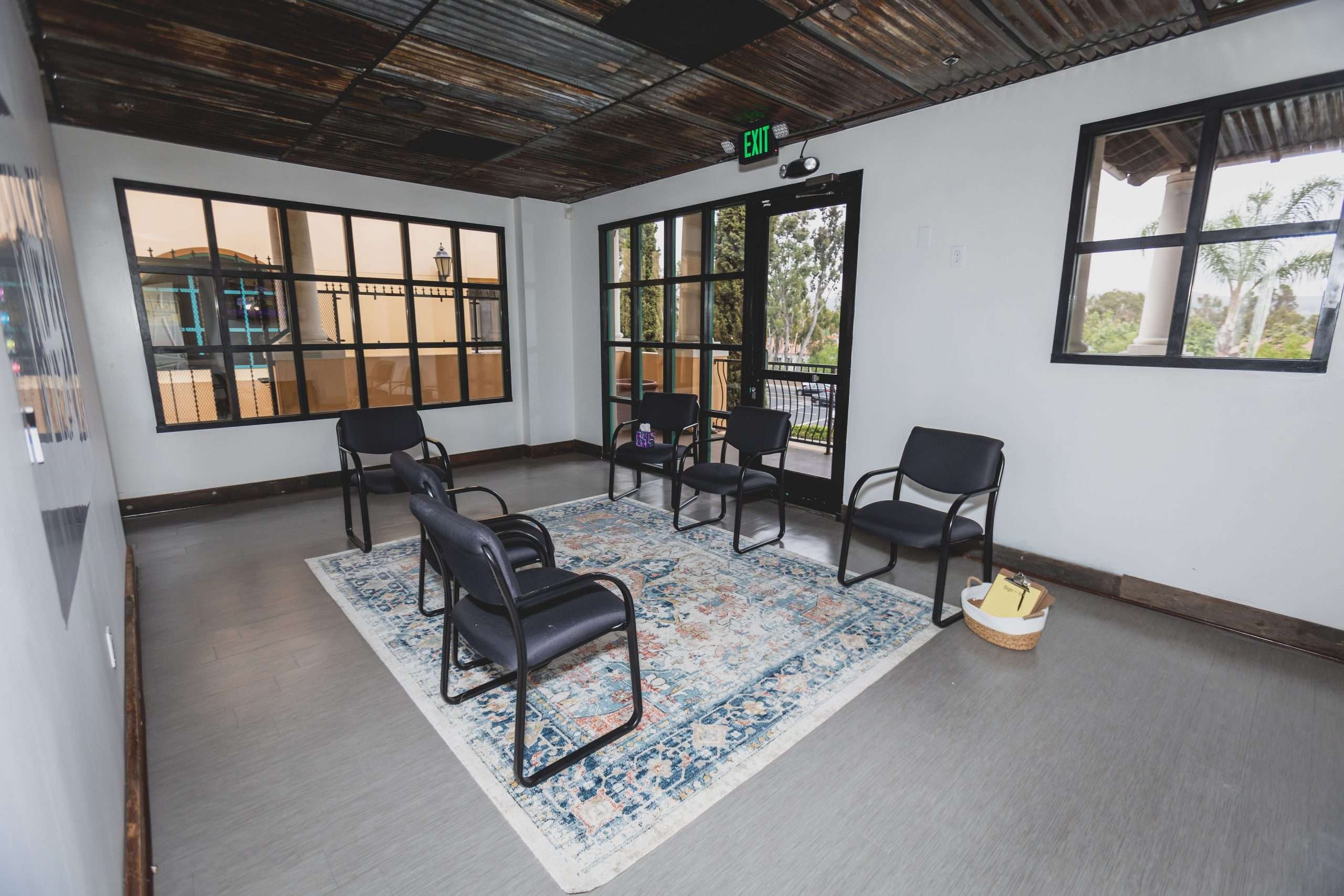
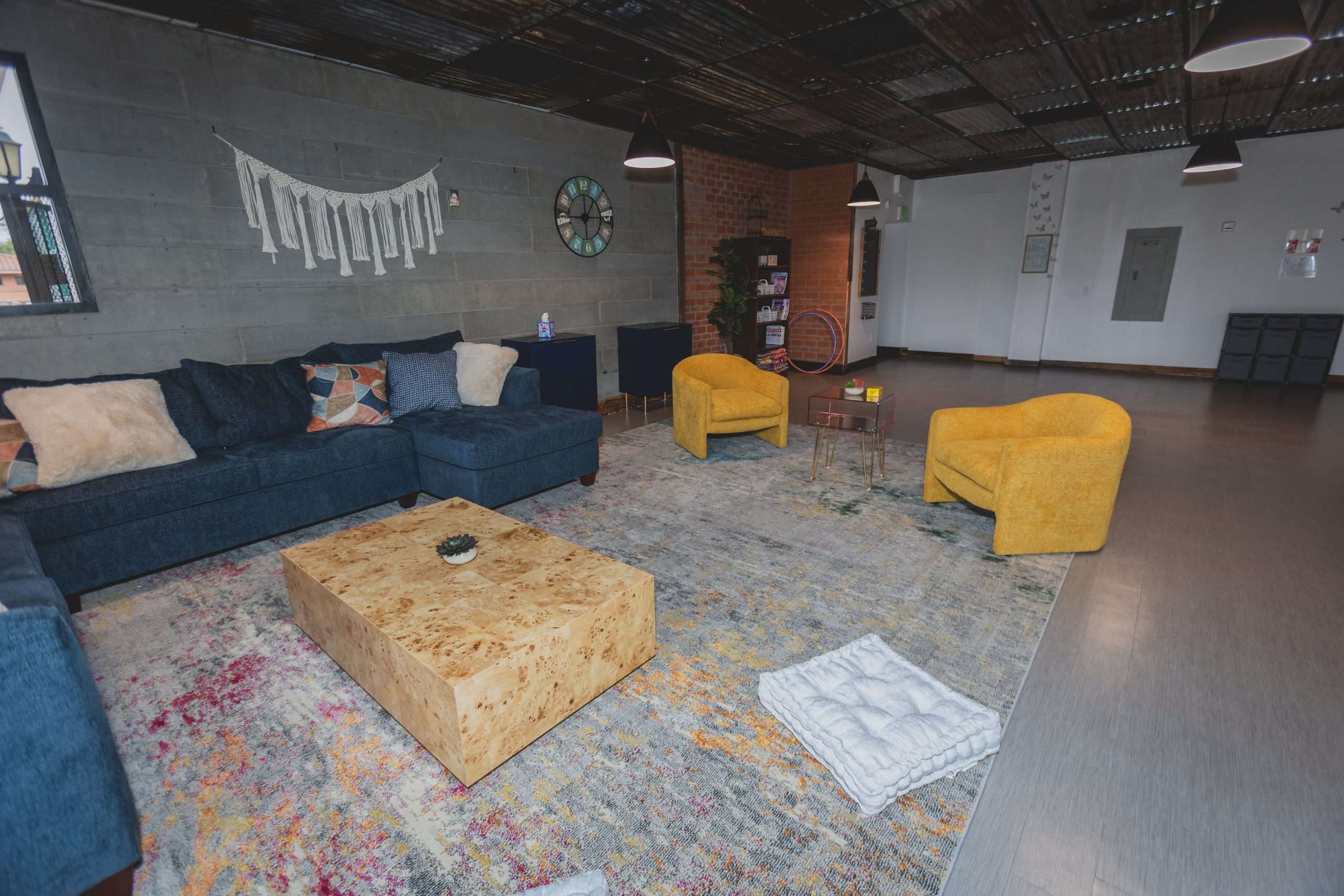

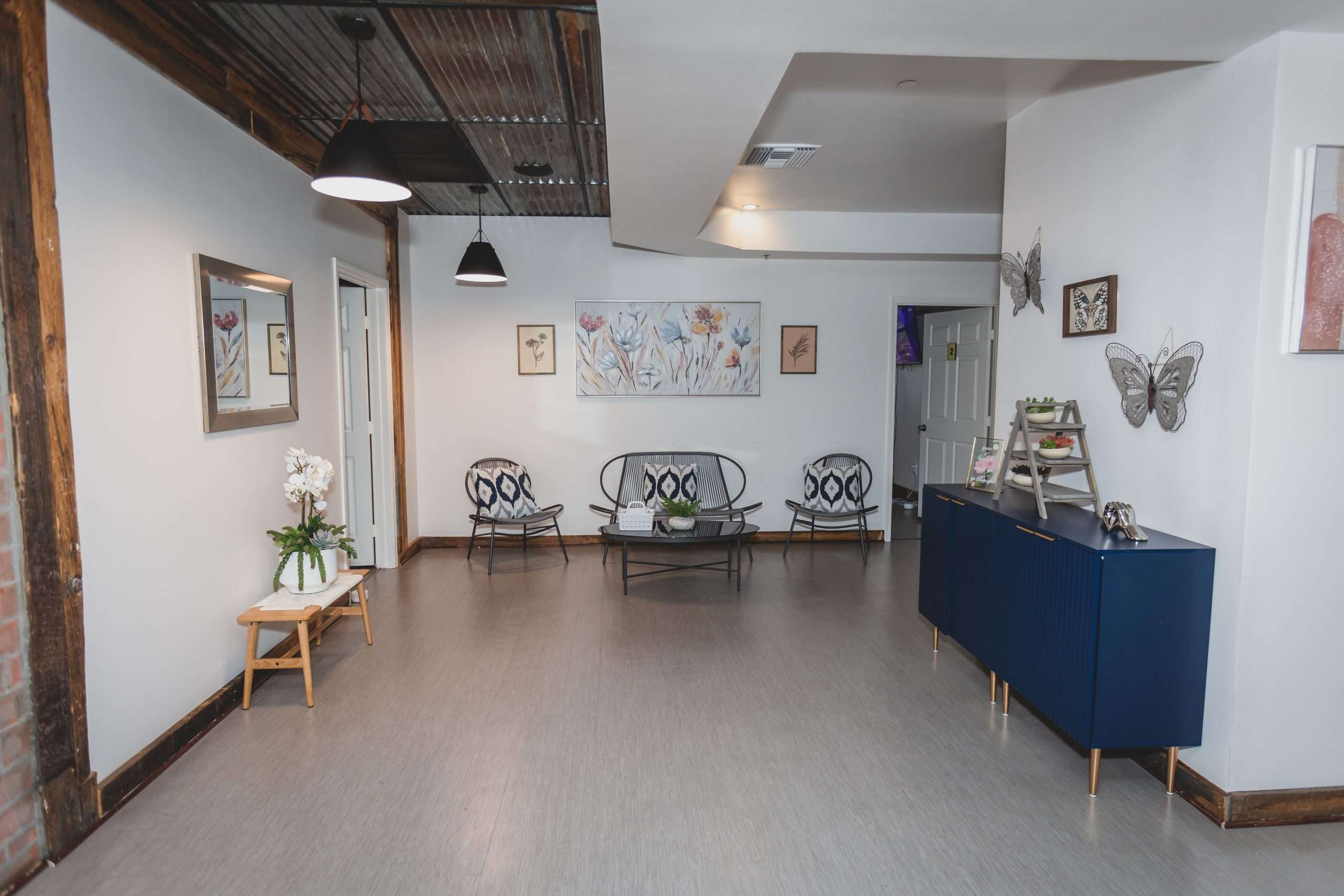
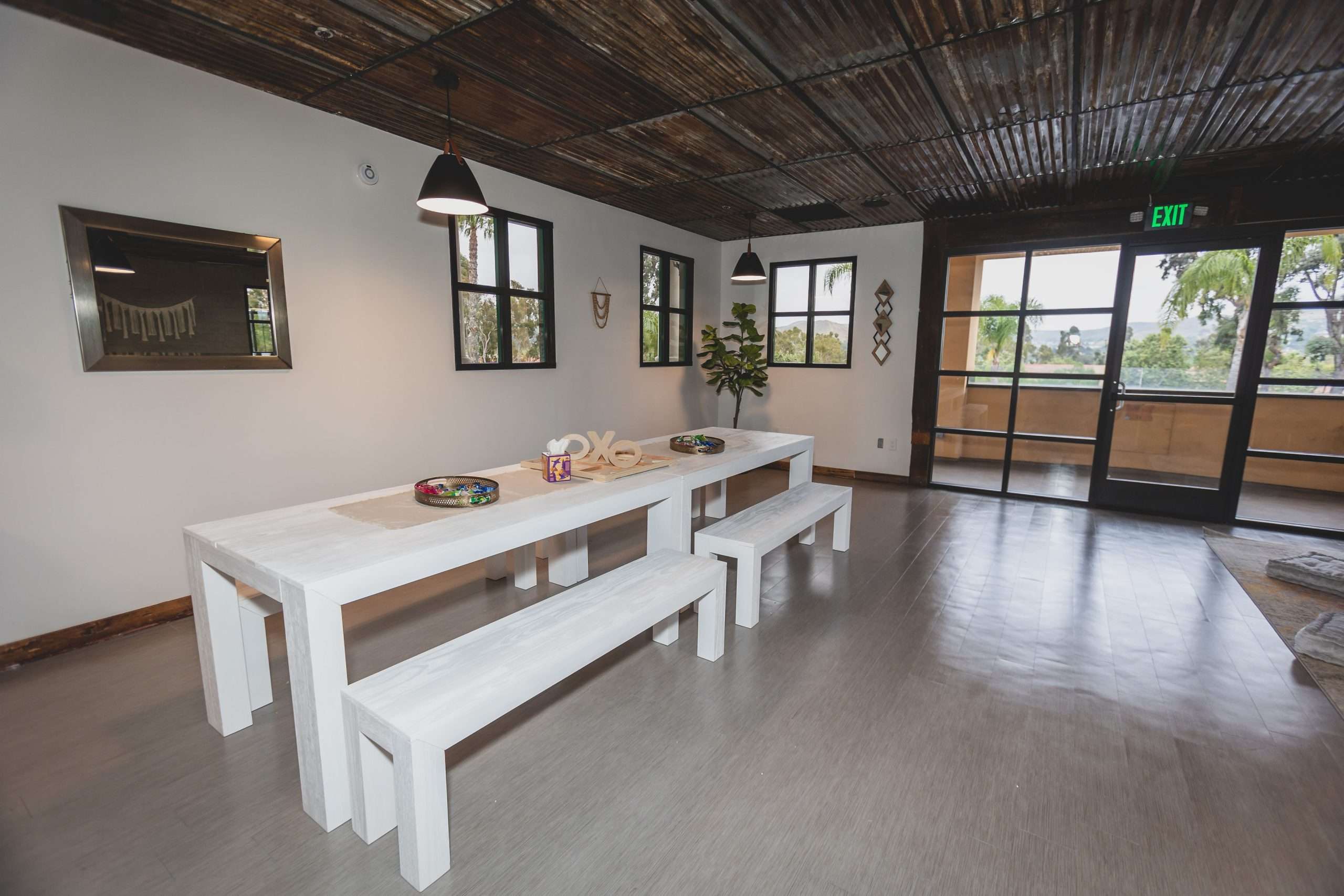
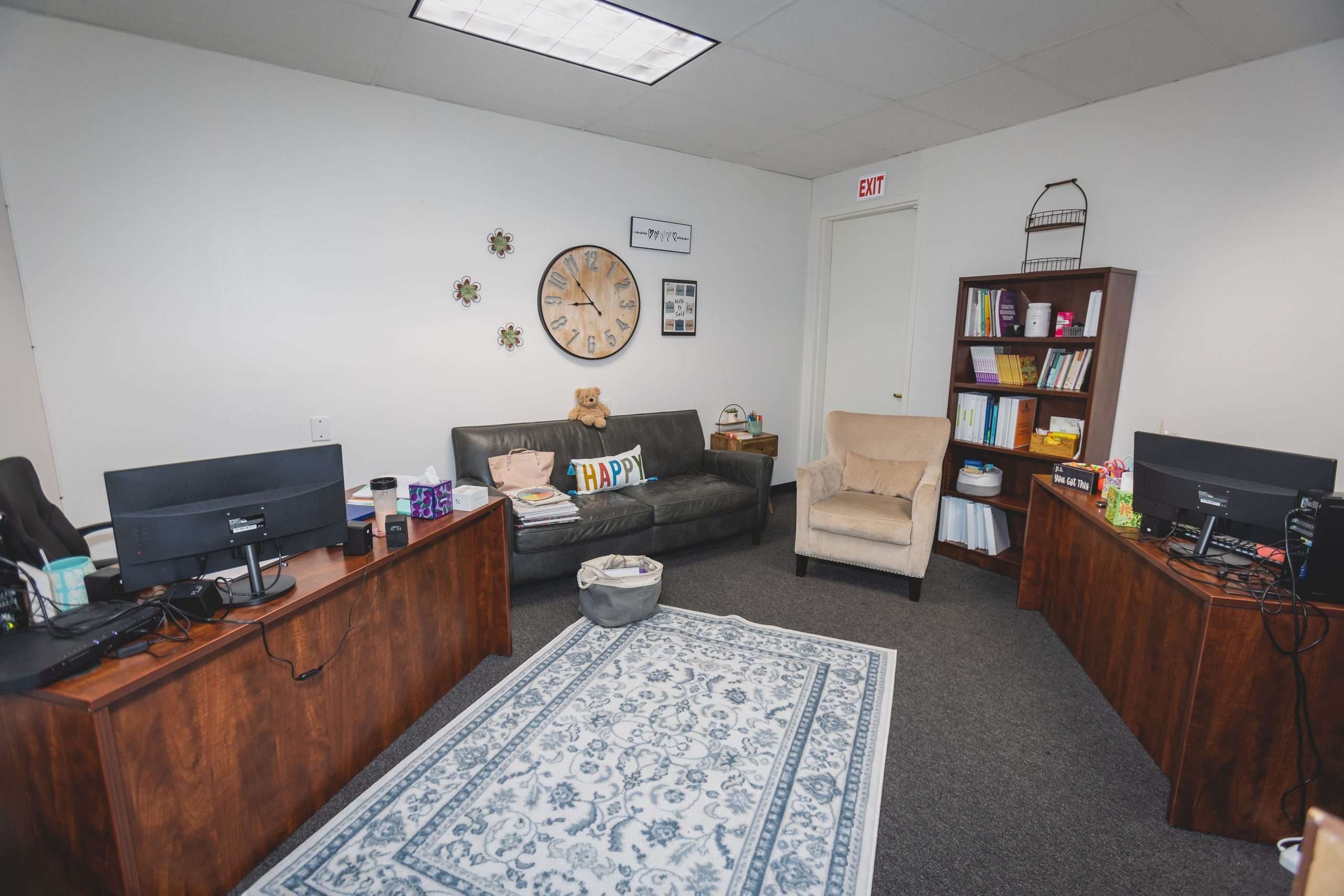

Locating Our Addiction Treatment Center For Women
John Wayne Airport (SNA)
- Distance: Approximately 21 miles
- Directions:
- Head northeast on N Airport Way.
- Use the right lane to take the ramp to CA-55 S.
- Merge onto CA-55 S.
- Take exit 5A for I-405 S toward San Diego.
- Keep left at the fork and merge onto I-405 S.
- Take exit 8 for CA-73 S toward San Diego (Toll Road).
- Merge onto CA-73 S (Toll Road).
- Take exit 5 for Greenfield Dr.
- Turn left onto Rancho Viejo Rd.
- Turn right onto Ortega Hwy.
- Sun County Wellness will be on the left.
Los Angeles International Airport (LAX)
- Distance: Approximately 61 miles
- Directions:
- Head east on World Way.
- Use the right 2 lanes to take the I-405 S ramp.
- Merge onto I-405 S.
- Take exit 8 for CA-73 S toward San Diego (Toll Road).
- Merge onto CA-73 S (Toll Road).
- Take exit 5 for Greenfield Dr.
- Turn left onto Rancho Viejo Rd.
- Turn right onto Ortega Hwy.
- Sun County Wellness will be on the left.
Long Beach Airport (LGB)
- Distance: Approximately 47 miles
- Directions:
- Head south on Donald Douglas Dr.
- Take the ramp to I-405 S.
- Merge onto I-405 S.
- Take exit 8 for CA-73 S toward San Diego (Toll Road).
- Merge onto CA-73 S (Toll Road).
- Take exit 5 for Greenfield Dr.
- Turn left onto Rancho Viejo Rd.
- Turn right onto Ortega Hwy.
- Sun County Wellness will be on the left.
San Diego International Airport (SAN)
- Distance: Approximately 64 miles
- Directions:
- Head northwest on N Harbor Dr.
- Use the left 2 lanes to take the ramp onto I-5 N.
- Continue on I-5 N.
- Take exit 81 for CA-74/Ortega Hwy.
- Turn right onto CA-74 E/Ortega Hwy.
- Sun County Wellness will be on the right.
Is OCD Curable?
Although there is no definitive cure for Obsessive-Compulsive Disorder (OCD), an effective approach combining evidence-based treatment, therapeutic modalities, and medication can significantly reduce symptoms. Early and consistent treatment plans help individuals manage their condition and improve their recovery process, allowing them to lead a balanced life.
Individuals with mild symptoms may respond well to Cognitive Behavioral Therapy (CBT), particularly Exposure Response Prevention (ERP). For those with treatment-resistant OCD, additional treatment options such as intensive therapy, ketamine therapy, online therapy, and a 3-week Intensive Outpatient Treatment Program can provide noticeable improvement.
Treatment Options
- Medication: Classes of medication, including tricyclic antidepressants, atypical antipsychotics, and additional medication, can help regulate symptoms.
- Therapy: A family-based treatment or personalized treatment plan can offer an excellent treatment modality for those experiencing life stressors and life traumas.
- Comprehensive Care: The decisions regarding the appropriate level of treatment are influenced predominantly by the severity of the symptoms experienced by the individual. Options can vary broadly, encompassing different types of outpatient therapy and even extending to treatments specifically for schizophrenia, with some individuals needing more intensive care.
Call Sun County Wellness Today!
If you or someone you know displays signs of OCD, don’t hesitate to seek medical advice. For specialized assistance in Southern California, connect with Sun County Wellness, where we prioritize women’s mental health treatment. Our client-centered and solution-focused therapists, collaboration between therapist and care team, and research-based techniques ensure the highest standard of care.
We support individuals from all walks of life incorporate with services for adults, teens (14-17 years), and children. Our clinical relationships extend to specialized care, including Adult ADHD Treatment, Anxiety Treatment Center, and Orange County Child and Adolescent Psychiatry. We also offer services to transgender clients and work with a Family Therapist, client coordinator, and other professionals to provide holistic support.
Contact Sun County Wellness today to begin your recovery process in a supportive, research-driven environment!
FAQ's
While OCD might persist, symptoms can diminish with appropriate treatment.
Some might experience reduced symptoms as adults, but early intervention is key.
Triggers can vary, from stress to significant life changes.
No, they are complementary and should be discussed with a healthcare provider.
Sun County Wellness is dedicated to offering comprehensive mental health services.