
Clinically Reviewed By Brittany Astrom - LMFT
Brittany has 15 years of experience in the Mental Health and Substance Abuse field. Brittany has been licensed for almost 8 years and has worked in various settings throughout her career, including inpatient psychiatric treatment, outpatient, residential treatment center, PHP and IOP settings.
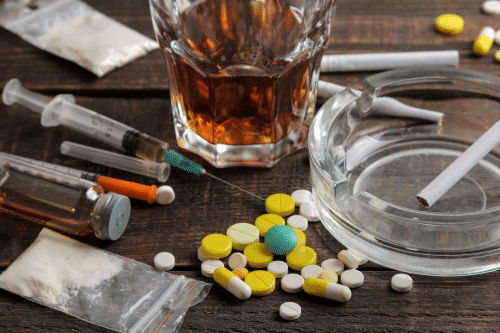
What is the most addictive drug?
Heroin, cocaine, and nicotine are among the most addictive due to their intense physical and psychological dependence. Alcohol and prescription opioids also have high addiction potential, leading to severe withdrawal symptoms. Methamphetamine and benzodiazepines are highly addictive as well, causing long-lasting damage and significant dependence issues.
In the realm of addictive substances, there is a funnel of drugs known for their ability to trap individuals in a cycle of physical dependence and despair. These substances, ranging from legal prescription drugs to illegal drugs, have immense power over the brain’s reward system, leading to compulsive use despite harmful consequences. But what is the most addictive drug?
This comprehensive exploration will delve into the world of addictive drugs, shedding light on the substances that top the list, their mechanisms of action, the devastating withdrawal symptoms they induce, and the factors that contribute to their addictive nature.
Understanding Drug Addiction Treatment: More Than Just a Bad Habit
Addiction is a complex disease characterized by compulsive drug seeking and use, even in the face of adverse consequences. It is not merely a moral failing or lack of willpower; rather, it is a chronic, relapsing brain disorder that requires comprehensive treatment and support.
The development of drug addiction involves a combination of genetic, environmental, and social factors. However, the most significant driver of addiction is the drug’s impact on psychological dependence.
The Brain’s Reward System: A Double-Edged Sword
The brain’s reward system is a network of neural pathways responsible for reinforcing behaviors that promote survival, such as eating and procreating. When we engage in these activities, the brain releases dopamine, a neurotransmitter associated with pleasure and reward. This dopamine surge reinforces the behavior, making us more likely to repeat it.
Addictive drugs hijack this reward system, flooding the brain with dopamine and creating a powerful sense of euphoria. Over time, the brain adapts to this excessive dopamine release, becoming less responsive to natural rewards and more reliant on the drug to experience pleasure. This leads to a vicious cycle of drug seeking and use, as individuals crave the drug’s effects to feel “normal.”
The Most Addictive Drugs: A Sinister Lineup
The world of addiction is a complex and often devastating one, with various substances vying for the title of the “most addictive drug.” While addiction potential is influenced by individual factors, certain drugs consistently rank among the most potent and dangerous due to their intense effects on psychological dependence, their propensity to trigger severe withdrawal symptoms, and their overall impact on physical and mental health.
Heroin: The Opioid Abyss
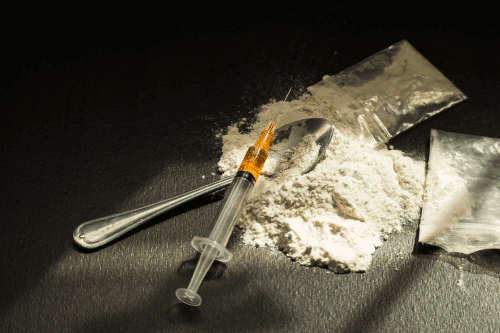
Heroin, an illicit opioid synthesized from morphine, is widely regarded as one of the most addictive substances known to humanity. Upon entering the brain, it rapidly converts back into morphine, binding to opioid receptors and producing an intense surge of euphoria. This initial rush is often followed by a state of tranquility and well-being. However, the allure of heroin comes at a steep price.
Heroin addiction is characterized by a rapid onset of tolerance and dependence, meaning that users require increasingly higher doses to achieve the same effects. Withdrawal symptoms can be excruciating, including intense cravings, muscle and bone pain, insomnia, vomiting, and diarrhea.
Methamphetamine (Crystal Meth): The Stimulant Nightmare
Crystal meth, a potent synthetic stimulant, is another major player in the realm of addiction. It triggers a massive release of dopamine, a neurotransmitter associated with pleasure and reward, flooding the brain with intense feelings of euphoria, energy, and self-confidence. The effects of crystal meth can last for hours, making it highly appealing to those seeking a prolonged high.
However, the allure of crystal meth quickly gives way to a dark reality. Addiction sets in rapidly, leading to devastating consequences. Long-term use can cause psychosis, paranoia, hallucinations, and severe physical deterioration. Withdrawal symptoms can be prolonged and challenging, including depression, fatigue, anxiety, and intense cravings.
Nicotine: The Hidden Menace
Nicotine, found in tobacco products, often flies under the radar when discussing the most addictive substance. Yet, it is estimated that nicotine addiction is responsible for more deaths than all other drugs combined, primarily due to its link to lung cancer and other smoking-related diseases.
Nicotine acts on the brain’s reward system, increasing dopamine levels and producing feelings of pleasure and alertness. It is highly addictive, with withdrawal symptoms including cravings, irritability, difficulty concentrating, and increased appetite. Quitting smoking is notoriously challenging, highlighting the potent grip nicotine has on the brain and body.

Cocaine: The Euphoric Deception
Derived from the leaves of the coca plant, cocaine is a powerful stimulant that induces intense euphoria, heightened energy, and a sense of invincibility. It achieves these effects by blocking the reuptake of dopamine, allowing it to accumulate in the brain and amplifying its pleasurable effects.
Cocaine’s addictive potential is further enhanced by its rapid onset and short duration of action. This leads to a pattern of frequent use and a high risk of developing dependence. Cocaine addiction can have devastating consequences, including cardiovascular problems, seizures, and even sudden death due to overdose or heart attack.
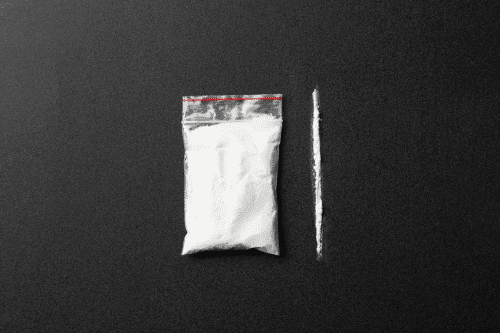
Barbiturates: The Dangerous Downers
Barbiturates, a class of central nervous system depressants, were once widely prescribed for anxiety and insomnia. However, their addictive potential and risk of overdose led to their decline in medical use.
Barbiturates enhance the activity of GABA, a neurotransmitter that inhibits brain activity. This produces a calming and sedative effect, making them highly appealing to those seeking relief from anxiety or sleep problems. However, barbiturates are also highly addictive, and withdrawal symptoms can be severe, including anxiety, tremors, seizures, and even death.
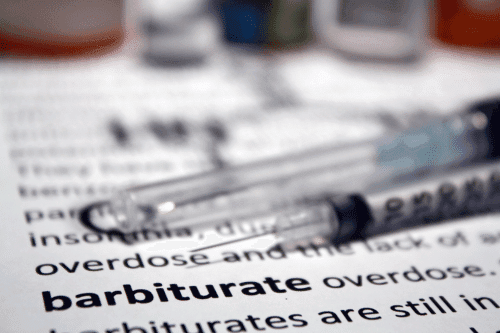
Other Addictive Substances: A Wide Spectrum
While the aforementioned drugs are often considered the most addictive, many other drugs can lead to dependence and addiction. These include:
Alcohol Addiction: A legal and widely consumed substance, alcohol is a central nervous system depressant with a high potential for addiction. Alcohol withdrawal can be severe and life-threatening, with symptoms ranging from tremors and anxiety to seizures and delirium tremens.
Benzodiazepines: These prescription drugs, commonly used to treat anxiety and insomnia, can be highly addictive when misused or taken in high doses. Benzodiazepine withdrawal can be challenging and may require medical supervision.
Amphetamines: This class of stimulant drugs, which includes Adderall and Ritalin, used to treat attention deficit hyperactivity disorder, can be addictive when used for non-medical purposes or in high doses. Amphetamine addiction can lead to cardiovascular problems, psychosis, and other health complications.
Factors That Influence Addiction
The addictive potential of a drug is influenced by various factors, including:
Route of administration: Drugs that are smoked, injected, or snorted tend to be more addictive than those taken orally, as they reach the brain more rapidly and produce a more intense high.
Speed of onset: Drugs with a rapid onset of action tend to be more addictive than those with a slower onset, as the immediate rush of pleasure reinforces drug-seeking behavior.
Duration of action: Drugs with a short duration of action tend to be more addictive than those with a longer duration, as users may need to take the drug more frequently to maintain its effects.
Individual factors: Genetic predisposition, mental health conditions, and environmental factors can all contribute to an individual’s susceptibility to addiction.
The Importance of Seeking Help
If you or someone you know is struggling with addiction, it’s crucial to seek professional help. Treatment programs can provide the necessary support and resources to overcome addiction and achieve lasting recovery. This may involve a combination of medication, therapy, and behavioral interventions tailored to the individual’s needs.
Remember, addiction is a treatable disease. With the right support and guidance, individuals can break free from the grip of addiction and reclaim their lives.
In Conclusion
The question of what is the most addictive drug is not a simple one, as addiction is a complex phenomenon influenced by various factors. However, certain drugs, such as heroin, methamphetamine, nicotine, cocaine, and barbiturates, are consistently ranked among the most addictive due to their potent effects on the brain’s reward system and the severity of their withdrawal symptoms.
Understanding the nature of addiction and the dangers of these highly addictive substances is crucial for prevention and early intervention. By raising awareness about drug abuse and promoting access to treatment, we can help individuals struggling with addiction find the support they need to achieve lasting recovery.
Sources
- 1https://americanaddictioncenters.org/adult-addiction-treatment-programs/most-addictive
- 2https://nida.nih.gov/research-topics/commonly-used-drugs-charts
Seeking Treatment? We Can Help
At Sun County Wellness, as an in-network provider we work with most insurance plans, such as:
If you or a loved one are struggling with mental health challenges or substance abuse, reach out to Sun County Wellness today. Our team of compassionate professionals is here to support your journey towards lasting well-being. Give us a call at 949-993-1149