
Clinically Reviewed By Brittany Astrom - LMFT
Brittany has 15 years of experience in the Mental Health and Substance Abuse field. Brittany has been licensed for almost 8 years and has worked in various settings throughout her career, including inpatient psychiatric treatment, outpatient, residential treatment center, PHP and IOP settings.
Why Seasonal Affective Disorder Shows Up Even in Sunny Orange County — A Practical Guide for Women
Seasonal Affective Disorder (SAD) is a patterned form of depression tied to changes in daylight and daily routines — and it can occur even in warm, sunny places like Orange County. This article walks through why SAD can appear where sunshine is common, how circadian rhythms, serotonin, melatonin, and vitamin D interact to influence mood, and why women are more often affected. You’ll find clear ways to spot gender-related symptoms, practical comparisons of evidence-based and holistic treatments, and strategies suited to mild Southern California weather. We also outline local care options for women, including program levels and steps to check insurance and get started. Throughout, the focus is on research-backed explanations, usable self-care, and realistic local resources that support recovery without promising overnight fixes.
What Is Seasonal Affective Disorder and How Does It Affect Women in Sunny Climates?
SAD describes a recurrent pattern of depressive symptoms tied to particular seasons — most often fall and winter, and sometimes summer. It arises when changes in light timing interact with biological and social vulnerabilities. Shifts in morning light can nudge circadian timing, alter neurotransmitter balance, and disrupt sleep, producing core symptoms like low mood, loss of interest, and changed energy. Women are diagnosed with SAD more frequently than men, likely because hormonal sensitivity, caregiving demands, and higher baseline rates of mood disorders increase vulnerability. That helps explain why SAD can appear in coastal Orange County when routines or later morning light reduce the effective daylight someone receives. Below are the common symptom categories and local reasons that answer, “Can SAD happen in sunny places?”
What Are the Key Symptoms of Seasonal Depression in Women?
Women with seasonal depression often show a mix of emotional, behavioral, and physical signs tied to mood and energy shifts. Emotional indicators include persistent low mood, losing interest in activities, increased irritability, and feelings of worthlessness that interfere with daily life. Behaviorally and physically, people may report low energy, sleeping too much or too little, appetite or weight changes, trouble concentrating, and slowed movement or speech. Caregivers sometimes hide symptoms to keep routines running. Hormonal patterns — such as premenstrual changes, postpartum mood shifts, and perimenopause — can make symptoms worse or change when they occur, so clinicians should consider reproductive stage during assessment. If symptoms significantly impair work, home life, or relationships, or involve suicidal thoughts, seek professional help right away.
Common symptom clusters in seasonal depression include:
- 1Persistent low mood and loss of interest that disrupt daily functioning.
- 2Energy shifts with increased sleepiness or insomnia and changes in appetite.
- 3Slowed thinking and concentration problems that affect work and caregiving.
These clinical patterns lead into the biological mechanisms that translate less or mistimed light into mood changes.
How Do Biological Factors Like Serotonin, Melatonin, and Circadian Rhythms Cause SAD?
Light is our main environmental signal for the internal clock. When that signal is reduced or arrives at the wrong time, it sets off changes in neurotransmitters and hormones that affect mood and sleep. The circadian system coordinates sleep timing and daily hormone rhythms; when it’s delayed by limited morning light, people often feel sleepy during the day and low in mood. Serotonin activity and melatonin timing both respond to light: less morning light can lower serotonin-related signaling and push melatonin secretion later, producing lethargy and a downed mood. Vitamin D, produced in skin with UV exposure, has been linked to mood in observational studies, though the relationship is complex and not strictly causal. Below is a quick comparison of key biological systems and how seasonal shifts can influence SAD.
Biological System
Role in Mood and Sleep
How Seasonal Change Affects SAD
Circadian rhythm
Schedules sleep-wake cycles and hormone timing
Less morning light or shifted light timing can delay the clock, causing daytime sleepiness and mood changes
Serotonin regulation
Supports mood, reward, and cognitive focus
Reduced effective daylight is associated with lower serotonin signaling and worsening mood
Melatonin secretion
Signals biological night and promotes sleep
Longer evenings or delayed morning light can shift melatonin later, increasing evening sleepiness and daytime lethargy
Vitamin D metabolism
Contributes to brain health and immune function
Seasonal drops in skin synthesis may correlate with low vitamin D, which some studies link to worsening mood
How Does Circadian Rhythm Disruption Trigger Seasonal Depression?
Circadian misalignment happens when your internal clock is out of sync with natural light-dark cycles. That misalignment causes sleep disturbances and daytime mood problems: without enough morning light the clock can shift later, producing daytime fatigue, reduced alertness, and negative mood. These phase shifts can fragment sleep and reduce restorative sleep stages, which then worsen cognitive function and mood. Restoring circadian timing — with morning light exposure, scheduled activity, and stable sleep-wake times — is a primary way to treat SAD.
Research has long shown that light is a key environmental cue for keeping our internal clocks synchronized with the day.
“Light’s Role in Circadian Rhythms and SAD Timing”
>
“Daily light exposure functions as a “zeitgeber” (time-giver) that aligns the human circadian clock with the 24-hour day. While this connection is widely accepted now, it was only clearly demonstrated in the late 20th century. Building on that discovery, Lewy and colleagues investigated whether the seasonal mood changes of SAD were linked to abnormal circadian timing. SAD — once called “winter depression” — typically recurs during months with shorter daylight.”
>
“Light as chronotherapy for depressed mood: Mental health, 2025”
What Role Do Serotonin and Melatonin Imbalances Play in SAD?
Serotonin and melatonin work together to balance daytime mood and nighttime sleep. Serotonin supports daytime mood and cognition, while melatonin signals the body to sleep. Light increases serotonin-related signaling and suppresses melatonin during the day; when light is reduced or comes at the wrong time, serotonin activity can fall and melatonin secretion can shift into daytime hours. Clinically, this explains why morning-focused light therapy often lifts energy and mood, and why serotonergic medications can help with seasonal depression. These neurochemical links shape both behavioral plans and medication choices in treatment.
How Does Vitamin D Deficiency Affect Seasonal Depression in Women?
Vitamin D is made in the skin after UV exposure, and lower blood levels have been associated with more depressive symptoms in several observational studies, though direct causation is unclear. For women, vitamin D status can interact with hormonal changes and bone-health concerns; testing can determine whether supplementation makes sense as part of a broader plan. Current evidence suggests fixing a deficiency may support overall wellness, but vitamin D alone rarely resolves SAD. Providers usually recommend testing and individualized supplementation when appropriate, as one element of comprehensive care.
Research shows that women are more frequently affected by SAD and may present with certain gender-linked features.
“Gender Differences in Seasonal Affective Disorder (SAD)”
>
“In a treatment sample of 146 women and 44 men with winter-type SAD, the prevalence ratio favored women significantly. Sex ratios varied across cohorts, and men may underreport symptoms. While symptom profiles were similar between genders, women showed trends toward increased eating and different food choices and reported more thyroid issues and mood sensitivity to cloudy weather. Women also sought care more often than men. These findings align with broader gender patterns seen in affective disorders and support considering sex-specific diagnostic and care approaches.”
>
“Gender differences in seasonal affective disorder (SAD), MJ Lucht, 1999”
What Are the Unique Challenges Women Face with Seasonal Affective Disorder in Orange County?
Women face overlapping biological and social factors that shape how SAD appears and how quickly they seek help. Hormonal life stages — menstrual cycles, pregnancy and postpartum, and perimenopause — can increase sensitivity to seasonal triggers and change symptom timing. Social role demands, like caregiving and juggling work and family, may cause women to deprioritize their own health or hide symptoms, delaying diagnosis. Recognizing these specific challenges helps clinicians and programs tailor treatment to hormonal context, caregiving constraints, and trauma histories when present, improving engagement and outcomes.
How Do Hormonal Changes and Social Pressures Influence SAD Symptoms in Women?
Hormone fluctuations affect neurotransmitter sensitivity and stress response, which can heighten vulnerability to seasonal mood shifts at certain life stages. Perinatal and perimenopausal periods commonly bring mood instability; when seasonal factors limit morning light, the combined biological load raises risk for symptomatic episodes. Social pressures — caregiving duties, workforce demands, and cultural expectations about “looking fine” in sunny places — can lead women to underreport or delay seeking care. Clinicians who consider both hormonal state and psychosocial stressors can better match interventions to each woman’s needs and timing.
Why Is Gender-Specific Treatment Important for Women with SAD?
Gender-specific treatment offers focused assessment and programming that addresses hormonal influences, trauma history, and role-related stress in a safe environment. Gender-informed care can tailor therapy topics, group dynamics, and education to issues common among women — such as reproductive transitions and caregiving burnout — making treatment more relevant and easier to engage with. Women-only settings often increase feelings of safety and peer support, which can encourage honest sharing, consistent participation, and the practical application of behavioral strategies to reverse seasonal mood patterns.
What Evidence-Based and Holistic Treatments Are Available for SAD in Orange County?
Effective SAD care blends first-line, evidence-based treatments — like light therapy, targeted psychotherapy (especially CBT adapted for seasonal patterns), and medication when needed — with supportive holistic approaches addressing sleep, activity, nutrition, and meaningful engagement. Light therapy helps reset circadian timing by delivering bright morning light to suppress daytime melatonin and support daytime serotonin-like signaling. CBT for SAD uses behavioral activation and cognitive restructuring to reverse seasonal withdrawal, while DBT skills help with emotion regulation when anxiety or trauma co-occur. Below is a practical map of common treatments, their features, and where they’re typically used.
Treatment
Characteristic
Typical Use / Setting
Light therapy
Shifts circadian timing with bright morning light
Outpatient or at-home adjunct; commonly recommended in OP/IOP
CBT (seasonal focus)
Behavioral activation and cognitive restructuring
OP/IOP/PHP for moderate to severe symptoms
DBT skills training
Emotion regulation and distress tolerance
IOP/PHP when emotion dysregulation or trauma are present
Medication (antidepressants)
Modulates serotonergic systems
Prescribed in OP/IOP with psychiatric oversight
Nutrition & exercise
Lifestyle supports that stabilize mood
Integrated across OP/IOP and outpatient care
Adventure/equine therapy
Experiential, outdoor engagement that builds skills
Complementary program component or structured group therapy
Sun County Wellness offers local, evidence-based therapies alongside complementary practices across outpatient levels of care, with women-focused programming in San Juan Capistrano tailored to Orange County needs. Our center combines trauma-informed therapy, CBT and DBT approaches, and holistic supports. We provide Partial Hospitalization Programs (PHP), Intensive Outpatient Programs (IOP), Outpatient Programs (OP), sober living, and supportive housing so care intensity can be matched to symptom severity and recovery goals in a calm, supportive setting.
Bright light therapy has long been a core, non-pharmacological treatment for SAD with a generally favorable side-effect profile.
“Bright Light Therapy for SAD and Other Mood Disorders”
>
“Bright light therapy has been studied and used for decades as an effective nonpharmacological intervention for SAD. Clinicians increasingly recognize its value for seasonal and some nonseasonal mood conditions. Light therapy is easy to deliver in outpatient settings, though optimal dosing and timing should be individualized. Side effects are typically milder than medication, but clinicians monitor for rare effects like hypomania or increased arousal. Used with antidepressants, light therapy can speed improvement and reduce residual symptoms.”
>
“Light therapy for seasonal and nonseasonal depression: efficacy, protocol, safety, and side effects, M Terman, 2005”
How Do Therapies Like CBT, DBT, and Trauma-Informed Care Help Treat SAD?
CBT for SAD focuses on breaking avoidance and reintroducing rewarding morning activities to increase daylight exposure and behavioral activation. DBT offers practical skills for managing intense emotions and improving relationships when seasonal mood changes strain functioning. Trauma-informed care acknowledges that past trauma changes stress physiology and sensitivity to triggers, so treatment emphasizes safety, stabilization, and integrated processing rather than rigid exposure. Together, these approaches form a flexible, evidence-based therapy toolkit that can be scaled across OP, IOP, and PHP levels.
What Holistic Therapies Support Recovery from Seasonal Depression?
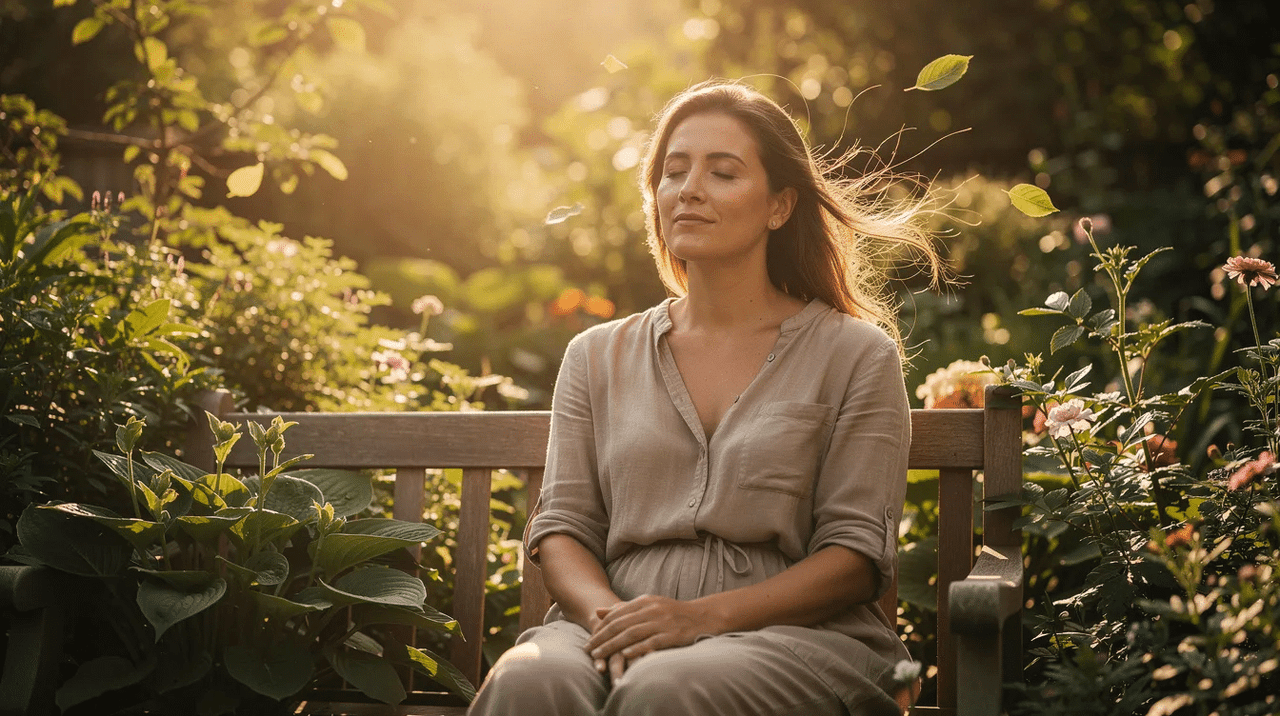
Holistic supports complement core treatments by improving sleep, physical health, and engagement in meaningful activity. Regular aerobic exercise and outdoor walks boost morning light exposure and mood-related neurotransmission; balanced nutrition (including omega-3s and steady meals) helps stabilize energy. Mindfulness and meditation reduce stress reactivity and ease sleep onset, while experiential therapies — like adventure-based or equine-assisted programs — build mastery, social connection, and purpose. Adding these supports to clinical care strengthens resilience and promotes longer-term recovery.
The relationship between vitamin D and mood — especially for women — remains an active area of research.
“Vitamin D and Mood Disorders in Women: An Integrative Review”
>
“This review examines the links between vitamin D deficiency and mood disorders affecting women, summarizing available evidence and implications for care.”
>
“Vitamin D and mood disorders among women: an integrative review, 2008”
How Does Dual Diagnosis Treatment Address SAD with Co-occurring Conditions?
Dual diagnosis care treats mood disorders and substance use together because self-medication with alcohol or drugs can worsen sleep and circadian disruption, deepening depressive cycles. Integrated treatment coordinates psychotherapy, medication management, and relapse-prevention so both conditions are addressed concurrently. Typical components include combined individual therapy, group skills training for emotion regulation, and careful oversight of medication interactions — important when antidepressants and other treatments are used together. Treating both conditions at once reduces relapse risk and improves functioning.
How Can Women in Orange County Access Seasonal Depression Treatment and Support?
Getting the right care starts with recognizing symptoms and following clear steps to reach the appropriate level of support. Typical pathways include screening for symptom severity and safety, selecting intensity (OP, IOP, PHP), checking insurance benefits, and scheduling an intake with a women-focused provider when helpful. The short guide below outlines what to expect when seeking local care.
- 1Notice symptoms and record how they affect work, caregiving, or safety.
- 2Reach out to a local, women-centered provider to describe symptoms and goals.
- 3Ask for a benefits check to confirm insurance coverage, copays, and any authorizations.
- 4Schedule an intake assessment to match you with the right level of care and begin treatment planning.
Although SAD is often linked to winter, research shows seasonal mood patterns are complex and not driven solely by daylight hours.
“Systematic Review of Seasonality and Depression Symptoms”
>
“Both public opinion and some studies suggest mood varies by season, often with higher depression in winter. To evaluate this rigorously, researchers systematically reviewed studies while excluding designs that directly prompted seasonality responses. They found substantial heterogeneity in measures and methods, underscoring the complexity of seasonal effects on mood.”
>
“Seasonality and symptoms of depression: A systematic review of the literature, S Øverland, 2020”
What Levels of Care Does Sun County Wellness Offer for SAD?
Sun County Wellness provides a continuum of women-only services in San Juan Capistrano matched to clinical need. Partial Hospitalization Programs (PHP) offer structured, day-level care with multiple therapy hours and clinical supports for more acute episodes. Intensive Outpatient Programs (IOP) provide regular weekday therapy and skills groups while allowing participants to live at home — a fit for moderate symptoms or step-down care. Outpatient Programs (OP) deliver weekly therapy and psychiatric follow-up for maintenance or milder presentations. We also offer sober living and supportive housing for women who benefit from residential stability while engaging in recovery-focused treatment. These options allow individualized matching of intensity and supports for women facing SAD and co-occurring concerns.
How Does Insurance Verification and Admission Work for SAD Treatment?
Insurance verification usually starts with a benefits check: our intake team confirms active coverage, mental health benefits, and any prior authorization needs. Having your insurance card and a basic diagnosis or symptom description speeds this process. Sun County Wellness works with most major insurers and offers quick benefit verification so you can understand coverage, copays, and authorization timelines. Typical admission steps include an initial phone or virtual screening, a clinical intake assessment to identify the appropriate level of care, and coordination of start dates and treatment planning. Benefit checks are often completed within a few business days. If insurance doesn’t cover a service, our admissions team can discuss private-pay options and supports to reduce barriers to beginning care.
What Are Effective Coping Strategies for Managing Seasonal Affective Disorder in Mild, Sunny Climates?

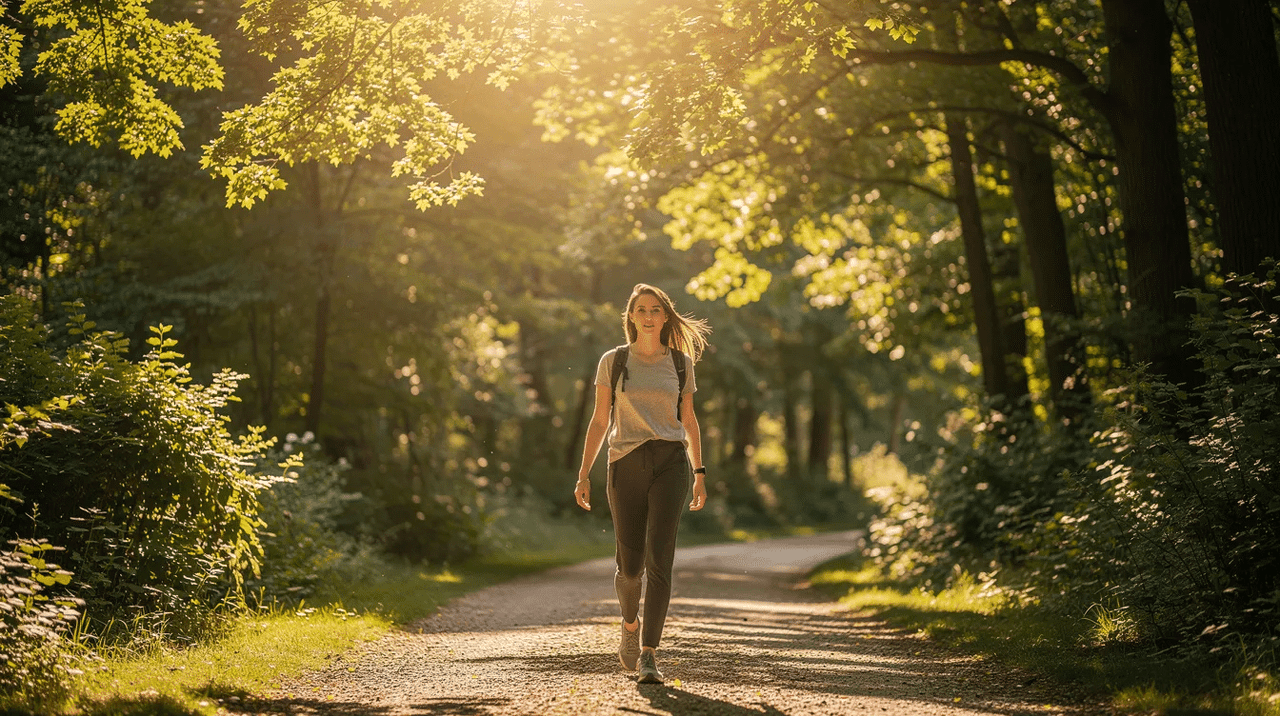
In mild, sunny climates the most effective coping strategies focus on timing light exposure, stabilizing routines, and adding behavioral supports that counter withdrawal and circadian drift. Morning-focused light and activity — like a short outdoor walk soon after waking — helps reset the internal clock and improves alertness. Predictable daily schedules reduce rumination and inactivity. Nutrition, regular exercise, and mindfulness support brain chemistry and sleep, while social connection fights isolation. Below are concise, actionable tips women in Orange County can use with minimal equipment.
- Boost morning light: take a 15–30 minute outdoor walk at sunrise or within an hour of waking.
- Use a bright light box for 20–30 minutes each morning if outdoor light isn’t available.
- Schedule regular physical activity — aim for about 30 minutes most days to support mood and sleep.
- Keep consistent sleep-wake times, prioritizing an earlier wake time and steady bedtime.
- Plan social activities and peer check-ins during low-mood periods to reduce isolation.
- Support energy with regular, balanced meals and stable macronutrients.
- Practice brief daily mindfulness or breathing exercises to lower stress and rumination.
- Seek integrated professional care quickly if you notice functional decline, substance use, or suicidal thoughts.
Here’s a quick reference that pairs strategies with who benefits most and simple steps to try them in a sunny, mild climate.
Strategy
Who It Helps
Practical Steps
Morning light exposure
People with delayed circadian timing
Walk outdoors 15–30 minutes within an hour of waking
Light therapy (box)
Those with limited outdoor morning access
Use 10–30 minutes of bright light each morning at home
Structured activity & exercise
People with low energy and withdrawal
Block daily walks, classes, or activity into your calendar
Sleep hygiene
Those with insomnia or hypersomnia
Keep a fixed wake time and bedtime; avoid late screens
Social scheduling
Individuals prone to isolation
Plan weekly meetups and peer-support check-ins
Research suggests that coping styles and seasonality interact differently across genders.
“Coping and Gender Differences in Seasonality and SAD”
>
“This study found significant gender differences in coping strategies and identified gender-specific predictors of seasonality, highlighting the need for tailored approaches.”
>
“Coping and gender differences in seasonality and Seasonal Affective Disorder, 2012”
How Can Lifestyle Changes Help Alleviate SAD Symptoms in Orange County?
Lifestyle adjustments address the environmental and behavioral patterns that keep seasonal depression going by realigning circadian timing and increasing rewarding activity. Simple routines — like a morning outdoor walk, fixed wake times, and scheduling meaningful activities early in the day — increase daytime stimulation and limit evening rumination. Pairing regular exercise with balanced meals and mindfulness improves neurotransmitter balance and sleep quality over time. Consistently using these practices strengthens the foundation for clinical treatments and helps reduce the chance of recurrence during seasonal shifts.
When Should Women Seek Professional Help for Seasonal Depression?
Seek professional evaluation when symptoms last longer than two weeks, significantly impair work or caregiving, or include safety concerns such as suicidal thoughts or substance misuse. Red flags include sharp functional decline, severe sleep disruption, rapid weight changes, or escalating substance use. Early consultation helps match you to the right level of care — OP, IOP, or PHP — and prevents worsening through timely therapy, medication, or integrated dual-diagnosis support. If there is an immediate danger, contact emergency services or crisis lines right away.
This article covered biological mechanisms, gender-related factors, evidence-based and holistic treatments, practical coping strategies for mild climates, and clear steps to find local care.
For women in Orange County who want structured, gender-specific support, Sun County Wellness offers women-only programs plus outpatient and supportive housing options that blend evidence-based care with holistic supports.
If you’re ready to take next steps, starting with a benefits check and an intake screening will clarify coverage and help create a tailored treatment plan.
Frequently Asked Questions
What lifestyle changes can help manage Seasonal Affective Disorder (SAD) in sunny climates?
Small, consistent lifestyle changes make a big difference. Prioritize morning light by going outside soon after waking, keep a steady sleep-wake schedule, and plan regular social and physical activities. Balanced meals and short daily mindfulness practices support mood and sleep. These habits complement formal treatments and help stabilize mood in sunny but seasonally challenging environments.
How can women identify when to seek professional help for SAD?
Consider professional help when symptoms last longer than two weeks, interfere with work or caregiving, or include thoughts of harm or substance misuse. Other signs are major sleep or appetite changes, rapid weight shifts, or increased isolation. Early help makes it easier to match the right level of care and improves chances for a smoother recovery.
What role does social support play in managing SAD symptoms?
Social support is essential. Connection with friends, family, or peer groups provides emotional relief and reduces isolation, which often worsens seasonal depression. Scheduling regular social contact encourages activity, counters withdrawal, and strengthens resilience as part of a broader treatment plan.
Are there specific coping strategies for women experiencing SAD in Orange County?
Yes. Use morning outdoor walks, light therapy boxes, and a predictable daily routine to reset circadian timing. Group exercise and social activities lift mood and build accountability. Mindfulness and breathwork help with stress and rumination. Tailor these steps to your schedule and local environment for the best results.
How does gender influence the experience and treatment of SAD?
Gender matters: women face hormonal fluctuations and social role pressures that can increase SAD risk and delay help-seeking. Gender-specific treatment that addresses reproductive transitions, caregiving burdens, and trauma history can improve engagement and outcomes. Personalized care that reflects these realities tends to work better.
What are the benefits of holistic therapies in treating SAD?
Holistic therapies address lifestyle, body, and mind — not just symptoms. Nutrition, exercise, mindfulness, and experiential activities support mood stability and improve sleep, strengthening the effects of psychotherapy and medication. These approaches help build resilience and meaningful daily structure, making recovery more sustainable.

Seeking Treatment? We Can Help
At Sun County Wellness, as an in-network provider we work with most insurance plans, such as:
If you or a loved one are struggling with mental health challenges or substance abuse, reach out to Sun County Wellness today. Our team of compassionate professionals is here to support your journey towards lasting well-being. Give us a call at 949-993-1149
Visit SAMHSA or contact us today for more inforamtion.