5 Star Rated Facility | 1000+ Lives Changed

Call Now | 949-828-0960

Mood Disorder Treatment in Orange County: Depression & Bipolar Support
Women's Addiction and Mental Health Treatment Center in San Juan Capistrano, CA
What We Treat
Verify Insurance
Need to find out if we take your insurance? Call Us Today for verification.

Understanding Mood Disorders
Types of Mood Disorders
There are several common mood disorders recognized by mental health professionals:
Major depressive disorder: Often characterized by depressed mood and loss of interest in daily activities.
Bipolar disorder: Includes mood swings from depressive episodes to manic highs.
Seasonal affective disorder: Depressive symptoms linked to specific seasons.
Disruptive mood dysregulation disorder: Severe, recurrent temper outbursts in children.
Each of these has unique characteristics, yet all share one thing: they cause significant emotional and functional challenges.
Symptoms of Mood Disorders
Rehabilitation can put an end to mental health
Call and ask the facility directly or call your own provider to determine if your insurance covers the treatment.
How Are Mood Disorders Diagnosed?
To accurately diagnose mood disorders, a mental health professional conducts a thorough assessment. This includes:
Physical exams to rule out other health issues.
Reviewing medical history and genetic factors.
Analyzing the presence of risk factors like trauma, substance use, or stressful environments.
Treatment Options for Mood Disorders
1. Medication
Medications are a common part of treatment for mood disorders:
- Mood stabilizers: Often prescribed for bipolar disorder.
- Selective serotonin reuptake inhibitors (SSRIs): A class of antidepressants that help balance brain chemicals.
- Mood disorders medications can reduce severe symptoms and stabilize mood.
2. Psychotherapy
Therapy helps people with mood disorders explore underlying causes and learn coping mechanisms.
Cognitive behavioral therapy (CBT): Highly effective for depressive and anxiety disorders, focusing on changing negative thought patterns.
Interpersonal therapy: Helps improve communication and relationship dynamics.
3. Alternative Therapies
Some other treatments can complement traditional therapies:
- Brain stimulation therapy: includes electroconvulsive therapy (ECT) and transcranial magnetic stimulation for treatment-resistant cases
- Physical exercise and activities that increase brain chemicals like serotonin and dopamine

Bipolar Disorder Treatment
Treatment for bipolar disorder is unique, aiming to reduce depressive episodes and manage manic phases:
Bipolar disorder treatment typically involves a combination of mood stabilizers and cognitive behavioral therapy (CBT).
Identifying risk factors such as genetics and life stressors can be essential for creating an effective treatment plan.
Addressing Depression and Bipolar Disorder
Coping with Treatment-Resistant Depression
Role of Physical Health in Mood Disorders

How Mood Disorders Are Treated
Common Mood Disorders and Their Risk Factors
Identifying risk factors is key for people with mood disorders. Common risk factors include:
Genetic factors: Family history can increase susceptibility.
Traumatic events: Life changes or traumatic experiences can trigger depressive episodes or mood instability.
Exploring Specific Mood Disorders
Seeking Treatment?
FAQ's For Mood Disorders Treatment
What are mood disorders?
Mood disorders are mental health conditions that significantly impact mood, including depression, bipolar disorder, and seasonal affective disorder.
How can mood disorders be treated?
Treatment can involve medication, therapy (such as CBT and interpersonal therapy), lifestyle changes, and in some cases, brain stimulation therapies.
Can lifestyle changes help manage mood disorders?
Yes, exercise, balanced nutrition, and stress management can positively influence mood and complement other treatments.
What is treatment-resistant depression?
This refers to depression that doesn’t respond to traditional treatments, often managed through advanced therapies like ECT or transcranial magnetic stimulation.
Are mood disorders common?
Yes, mood disorders are among the most common mental health conditions worldwide, affecting millions of people.
Our Women's Treatment Facility

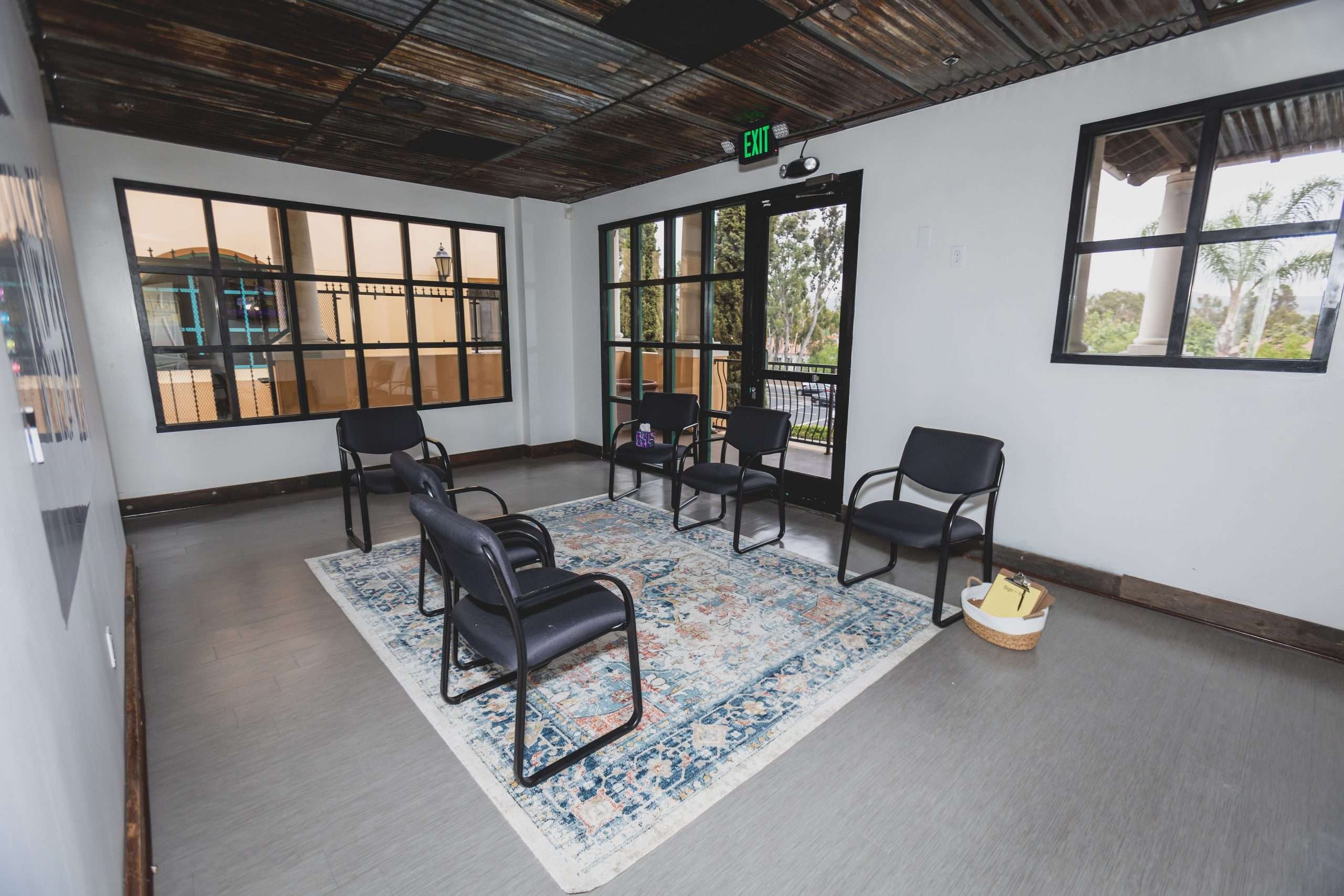
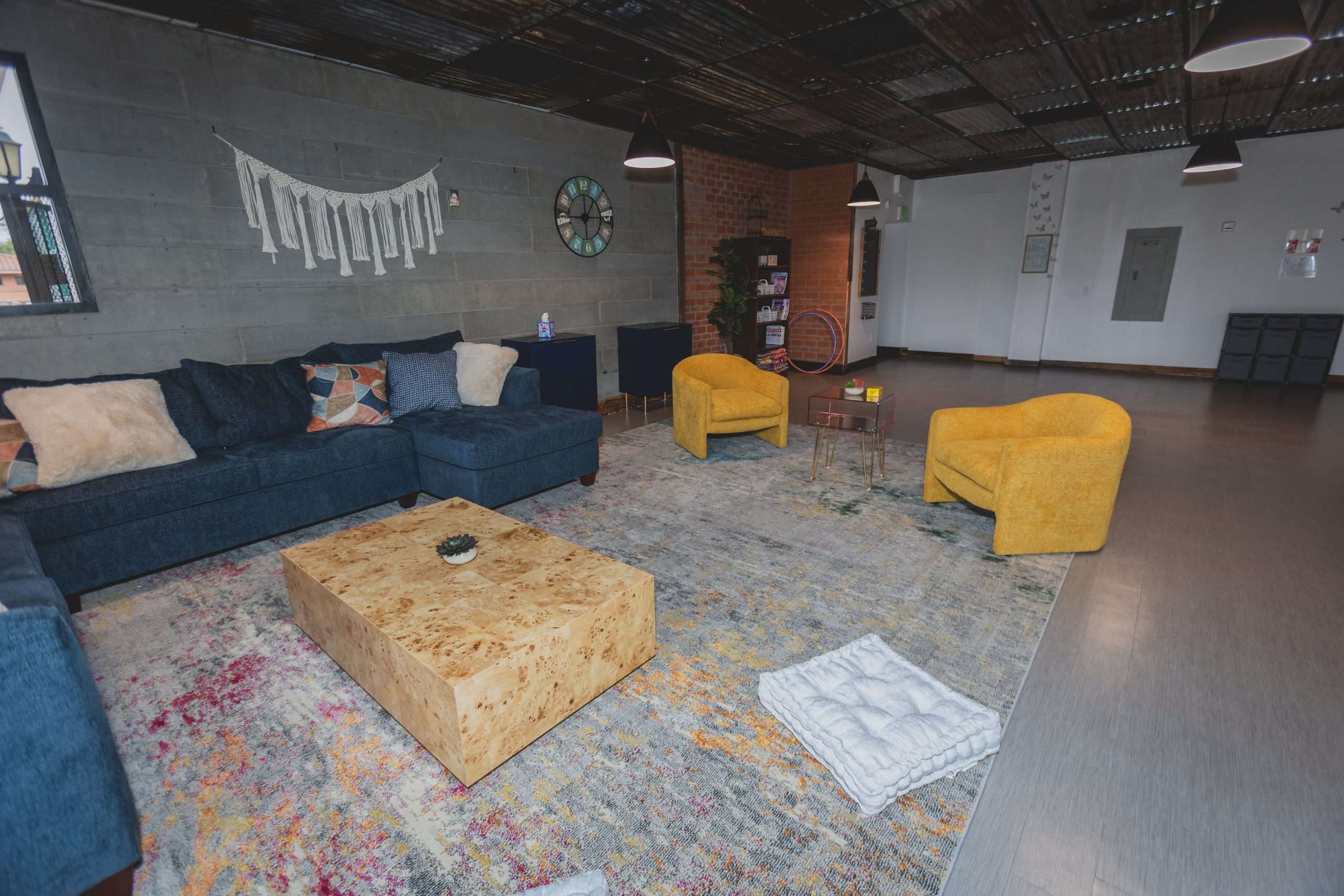

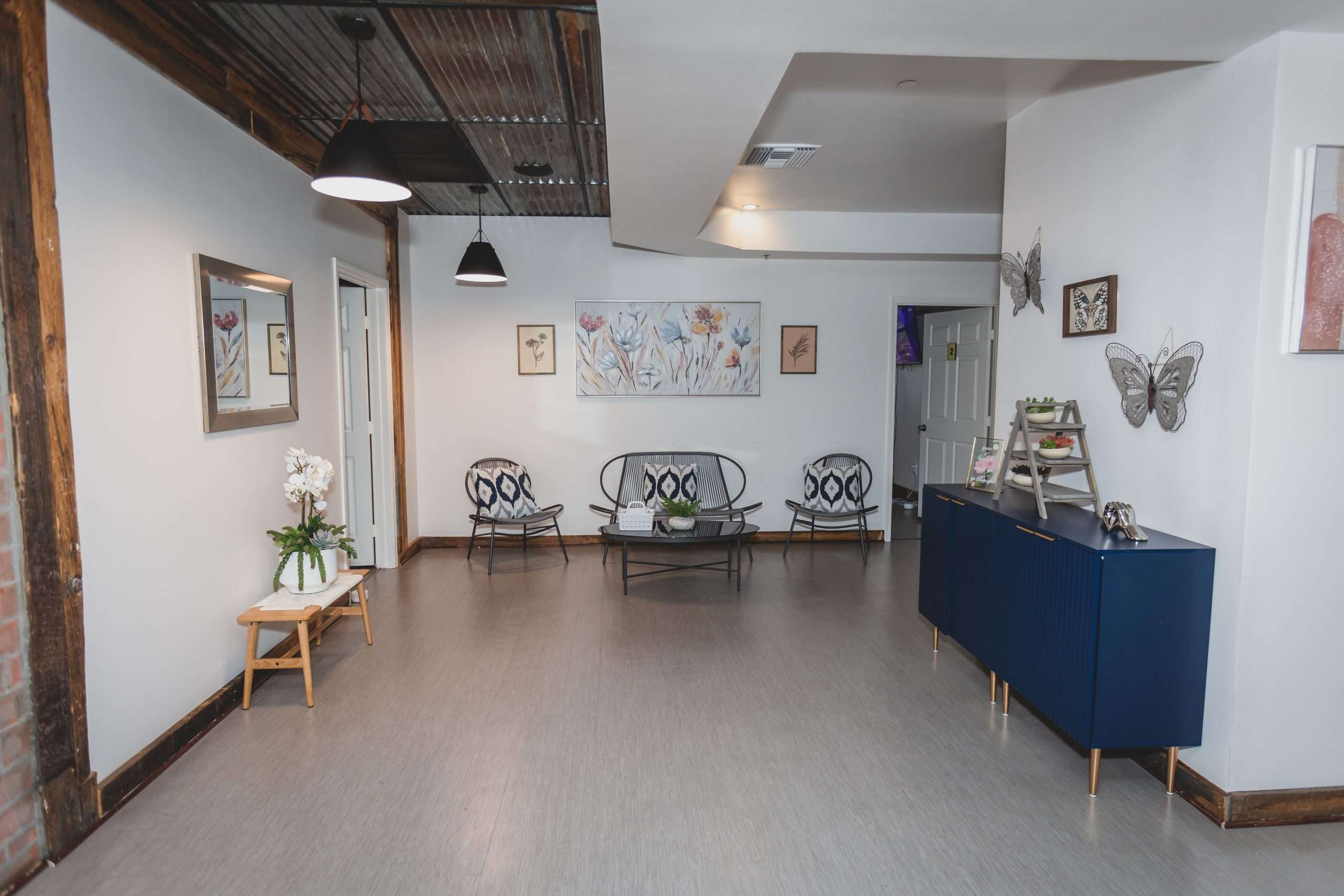
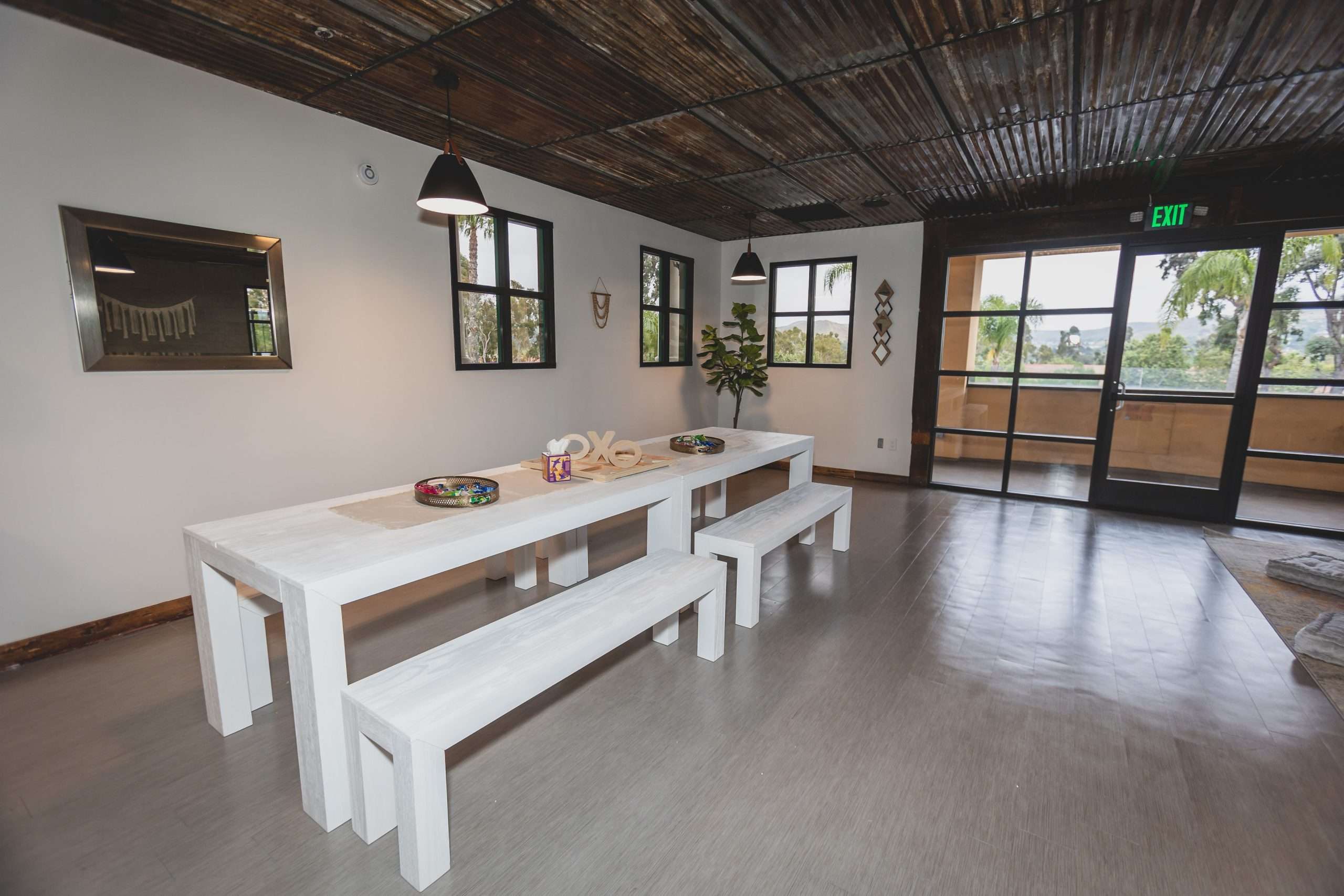
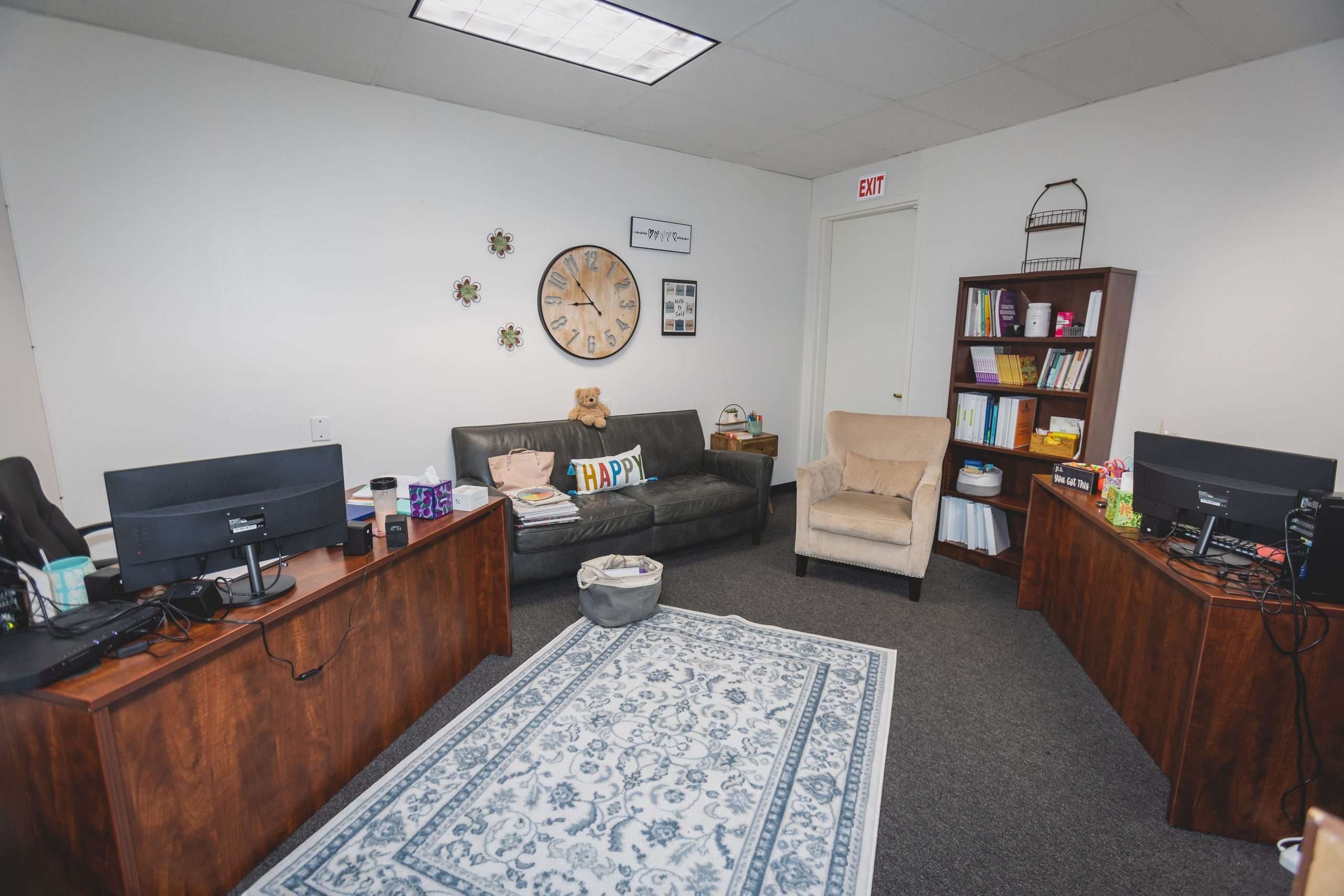

Locating Our Addiction Treatment Center For Women
John Wayne Airport (SNA)
- Distance: Approximately 21 miles
- Directions:
- Head northeast on N Airport Way.
- Use the right lane to take the ramp to CA-55 S.
- Merge onto CA-55 S.
- Take exit 5A for I-405 S toward San Diego.
- Keep left at the fork and merge onto I-405 S.
- Take exit 8 for CA-73 S toward San Diego (Toll Road).
- Merge onto CA-73 S (Toll Road).
- Take exit 5 for Greenfield Dr.
- Turn left onto Rancho Viejo Rd.
- Turn right onto Ortega Hwy.
- Sun County Wellness will be on the left.
Los Angeles International Airport (LAX)
- Distance: Approximately 61 miles
- Directions:
- Head east on World Way.
- Use the right 2 lanes to take the I-405 S ramp.
- Merge onto I-405 S.
- Take exit 8 for CA-73 S toward San Diego (Toll Road).
- Merge onto CA-73 S (Toll Road).
- Take exit 5 for Greenfield Dr.
- Turn left onto Rancho Viejo Rd.
- Turn right onto Ortega Hwy.
- Sun County Wellness will be on the left.
Long Beach Airport (LGB)
- Distance: Approximately 47 miles
- Directions:
- Head south on Donald Douglas Dr.
- Take the ramp to I-405 S.
- Merge onto I-405 S.
- Take exit 8 for CA-73 S toward San Diego (Toll Road).
- Merge onto CA-73 S (Toll Road).
- Take exit 5 for Greenfield Dr.
- Turn left onto Rancho Viejo Rd.
- Turn right onto Ortega Hwy.
- Sun County Wellness will be on the left.
San Diego International Airport (SAN)
- Distance: Approximately 64 miles
- Directions:
- Head northwest on N Harbor Dr.
- Use the left 2 lanes to take the ramp onto I-5 N.
- Continue on I-5 N.
- Take exit 81 for CA-74/Ortega Hwy.
- Turn right onto CA-74 E/Ortega Hwy.
- Sun County Wellness will be on the right.
Mood Disorders Treatment
How Are Mood Disorders Diagnosed?
To accurately diagnose mood disorders, a mental health professional conducts a thorough assessment. This includes:
Physical exams to rule out other health issues.
Reviewing medical history and genetic factors.
Analyzing the presence of risk factors like trauma, substance use, or stressful environments.
Treatment Options for Mood Disorders
Mood disorders treatment is varied, addressing both psychological and biological aspects.
1. Medication
Medications are a common part of treatment for mood disorders:
Mood stabilizers: Often prescribed for bipolar disorder.
Selective serotonin reuptake inhibitors (SSRIs): A class of antidepressants that help balance brain chemicals.
Mood disorders medications can reduce severe symptoms and stabilize mood.
2. Psychotherapy
Therapy helps people with mood disorders explore underlying causes and learn coping mechanisms.
Cognitive behavioral therapy (CBT): Highly effective for depressive and anxiety disorders, focusing on changing negative thought patterns.
Interpersonal therapy: Helps improve communication and relationship dynamics.
3. Alternative Therapies
Some other treatments can complement traditional therapies:
Brain stimulation therapy: Includes electroconvulsive therapy (ECT) and transcranial magnetic stimulation for treatment-resistant cases.
Physical exercise and activities that increase brain chemicals like serotonin and dopamine.
Bipolar Disorder Treatment
Treatment for bipolar disorder is unique, aiming to reduce depressive episodes and manage manic phases:
Bipolar disorder treatment typically involves a combination of mood stabilizers and cognitive behavioral therapy (CBT).
Identifying risk factors such as genetics and life stressors can be essential for creating an effective treatment plan.
Addressing Depression and Bipolar Disorder
Coping with Treatment-Resistant Depression
Role of Physical Health in Mood Disorders
How Mood Disorders Are Treated
Common Mood Disorders and Their Risk Factors
Identifying risk factors is key for people with mood disorders. Common risk factors include:
Genetic factors: Family history can increase susceptibility.
Traumatic events: Life changes or traumatic experiences can trigger depressive episodes or mood instability.
Exploring Specific Mood Disorders
Seeking Treatment?
At Sun County Wellness, as an in-network provider we work with most insurance plans, such as:
If you or a loved one are struggling with mental health challenges or substance abuse, reach out to Sun County Wellness today. Our team of compassionate professionals is here to support your journey towards lasting well-being. Visit SAMHSA or Give us a call at 949-993-1149