
Clinically Reviewed By Brittany Astrom - LMFT
Brittany has 15 years of experience in the Mental Health and Substance Abuse field. Brittany has been licensed for almost 8 years and has worked in various settings throughout her career, including inpatient psychiatric treatment, outpatient, residential treatment center, PHP and IOP settings.
Women's Dual Diagnosis Treatment: Integrated Care for Lasting Recovery & a Life That Fits You
Women’s dual diagnosis treatment is a specialized approach that brings together mental health and substance use care, using integrated therapies designed specifically for women’s unique biological and psychosocial needs. This guide explores how our integrated plans — from partial hospitalization to outpatient care — blend evidence-based and holistic modalities to empower lasting recovery, significantly reduce relapse risks, and help women thrive in their family, work, and personal lives. We understand that many women face unique challenges like trauma, caregiving responsibilities, and societal stigma, which can impact how co-occurring conditions appear and respond to treatment. Our integrated, gender-specific programs directly address these differences. Here, we’ll define dual diagnosis for women, share insights on gender-specific rehab, outline levels of care and therapeutic options, detail common condition pairings and tailored approaches, and explain how Sun County Wellness in Orange County offers personalized admissions and insurance verification. Keep reading for practical comparisons, helpful tables, and clear FAQs to guide women and their families through their care options and next steps.
What is Women's Dual Diagnosis Treatment, and Why is it So Important?
Women’s dual diagnosis treatment is a comprehensive, integrated clinical approach that addresses both a mental health disorder and a substance use disorder simultaneously. This is crucial because treating one without the other often leads to increased relapse rates and less favorable outcomes. Our integrated care coordinates psychotherapy, medication management, and addiction services, ensuring symptoms are assessed together, treatment goals are aligned, and relapse prevention strategies tackle both conditions. This holistic method significantly improves symptom control and supports a more complete, functional recovery. Addressing co-occurring disorders in women is particularly vital because gender-specific factors — such as higher rates of trauma and significant caregiving responsibilities — frequently influence both the development and persistence of these challenges. Our integrated model connects mental health clinicians and addiction specialists within a single, cohesive plan, minimizing fragmented care and ensuring continuity across all levels of support.
Women often experience dual diagnosis differently than men, which is why our integrated programs for women prioritize trauma-informed practices and practical supports designed to overcome barriers to engagement. The next section will delve into how gendered risk factors influence presentation and care-seeking, highlighting why integrated treatment must be thoughtfully tailored for women.
Women’s dual diagnosis treatment truly matters for these key reasons:
- Coordinated Symptom Management: Simultaneous treatment significantly reduces relapse and leads to better clinical outcomes.
- Trauma-Responsive Care: Addressing trauma alongside addiction effectively decreases triggers and avoidance behaviors, fostering deeper healing.
- Functional Recovery: Our integrated plans empower women to manage parenting, employment, and daily responsibilities while actively treating their symptoms.
These three foundational reasons lay the groundwork for the program elements and levels of care we’ll explore in the following section.
How Does Dual Diagnosis Uniquely Affect Women?
Dual diagnosis impacts women differently due to the complex interplay of biological responses to substances, societal roles, and personal trauma histories, all of which shape symptom patterns and treatment needs. Women may develop dependence more rapidly on certain substances and often experience higher rates of trauma-related disorders like PTSD, which can complicate both detoxification and long-term relapse prevention. Social factors — including caregiving duties, intimate partner violence, and the stigma associated with seeking help — frequently delay women from reaching out or necessitate gender-sensitive scheduling and vital supports like childcare or specialized parenting groups. Recognizing these profound differences guides our clinical choices: trauma-focused therapies, women-only groups, and flexible outpatient models are key to improving engagement and ensuring lasting retention.
Understanding these gender-specific differences helps us clarify which co-occurring pairings are most common in women and how treatment should be thoughtfully combined, which we’ll outline in the next section.
What Are the Most Common Co-Occurring Mental Health and Substance Use Disorders in Women?
Common co-occurring pairings we see in women often include depression with alcohol misuse, anxiety disorders with stimulant or prescription medication misuse, PTSD with opioid or alcohol dependence, and bipolar disorder linked with various substances that can intensify mood instability. Each of these pairings presents overlapping symptoms — such as sleep disturbances, mood dysregulation, and social withdrawal — all of which demand an integrated assessment and simultaneous interventions like medication management combined with psychotherapy. Current clinical best practices strongly favor combined treatment paths (for example, using CBT for mood symptoms alongside relapse prevention for substance use) over sequential care, as treating both conditions together significantly shortens the path to stabilization. Recognizing these most likely pairings helps our clinicians prioritize assessments and craft truly personalized treatment plans for women.
These common pairings naturally lead us to explore why gender-specific settings can dramatically improve outcomes, which we’ll discuss next.
How Does Gender-Specific Rehab Empower Better Outcomes for Women with Co-Occurring Disorders?

Gender-specific rehab significantly improves outcomes by cultivating a therapeutic environment uniquely tailored to women’s clinical and social needs, fostering a greater sense of safety, trust, and active participation in therapy. Women-only settings minimize interactions that could potentially re-traumatize patients, allow for deeply focused group work on shared women’s experiences, and provide essential supports like parenting resources and pregnancy-informed care that effectively remove practical barriers to treatment. Research and program evaluations consistently demonstrate higher engagement and retention when women receive trauma-informed, women-only services. These improved process measures directly translate into better symptom reduction and lower relapse rates over time. By designing programs specifically around women’s experiences — rather than simply adapting mixed-gender services — our clinicians can safely and effectively sequence trauma processing with addiction treatment, leading to more profound and lasting healing.
The following section will explain why trauma-informed care is absolutely central to our gender-specific dual diagnosis programs and outline the guiding principles that shape our treatment design.
Our women-specific program elements consistently include vital peer support, structured skills training, and practical life supports that significantly boost the likelihood of lasting recovery. The next section will break down these program elements and illustrate how they translate into tangible, measurable benefits for our clients.
Why is Trauma-Informed Care Absolutely Essential in Women's Dual Diagnosis Programs?
Trauma-informed care is absolutely essential because a significant proportion of women in dual diagnosis populations have current or past trauma that directly fuels both their mental health symptoms and substance use behaviors. Our trauma-informed principles — focusing on safety, trustworthiness, choice, collaboration, and empowerment — fundamentally reshape clinical interactions to prevent re-traumatization and gently support gradual engagement in evidence-based therapies like EMDR, trauma-focused CBT, or DBT. Applying these principles transforms the practical elements of care: our clinicians use careful pacing strategies, offer predictable group formats, and integrate somatic and skills-based work to stabilize symptoms \before\ engaging in deeper trauma processing. When trauma is treated within a truly integrated plan, women experience reduced cravings, significantly improved emotional regulation, and better long-term abstinence rates, paving the way for profound healing.
These trauma-informed practices create vital space for additional gender-specific supports, which we’ll describe in the next section, designed to address everyday barriers to participation and foster a truly supportive environment.
“Integrated Treatment for Women with Co-Occurring Disorders and Trauma”
>
“Women with co-occurring mental health and substance use disorders and trauma histories vary greatly in symptom severity and use of support services. This study estimated differential effects of an integrated treatment intervention (IT) across sub-groups of women in this population on services utilization outcomes. Data from a national study were used to cluster participants by symptoms and service utilization, and then estimate the effect of IT versus usual care on 12-month service utilization for each sub-group. The intervention effect varied significantly across groups, in particular indicating relative increases in residential treatment utilization associated with IT among women with predominating trauma and substance abuse symptoms. Understanding how IT influences service utilization for different groups of women in this population with complex needs is an important step toward achieving an optimal balance between need for treatment and service utilization, which can ultimately improve outcomes and conserve resources.”
>
“Differential service utilization associated with trauma-informed integrated treatment for women with co-occurring disorders, AR Gilbert, 2012”
What Unique Support Does Gender-Specific Rehab Offer for Women?
Gender-specific rehab at Sun County Wellness provides truly targeted supports, including women-only therapy groups, essential parenting resources, compassionate pregnancy-informed care, and specialized body-image or self-esteem interventions that directly address issues disproportionately affecting women in treatment. Our practical supports — such as structured family therapy, thoughtful childcare coordination, and empowering peer mentoring — actively reduce the logistical obstacles that might otherwise lead to early dropout. Therapeutically, our women’s groups deeply focus on relational skills, attachment issues, and interpersonal trauma, while our dedicated clinical teams seamlessly coordinate medical, psychiatric, and addiction care within a single, comprehensive plan that genuinely respects women’s diverse roles and responsibilities. These combined supports significantly boost retention and make it much easier to translate clinical gains into tangible improvements in daily life and parenting, fostering holistic well-being.
Understanding these vital program elements naturally leads us to discuss specific levels of care and the diverse therapies available, which is the focus of our next section.
What Integrated Mental Health and Addiction Treatment Options Are Available for Women?
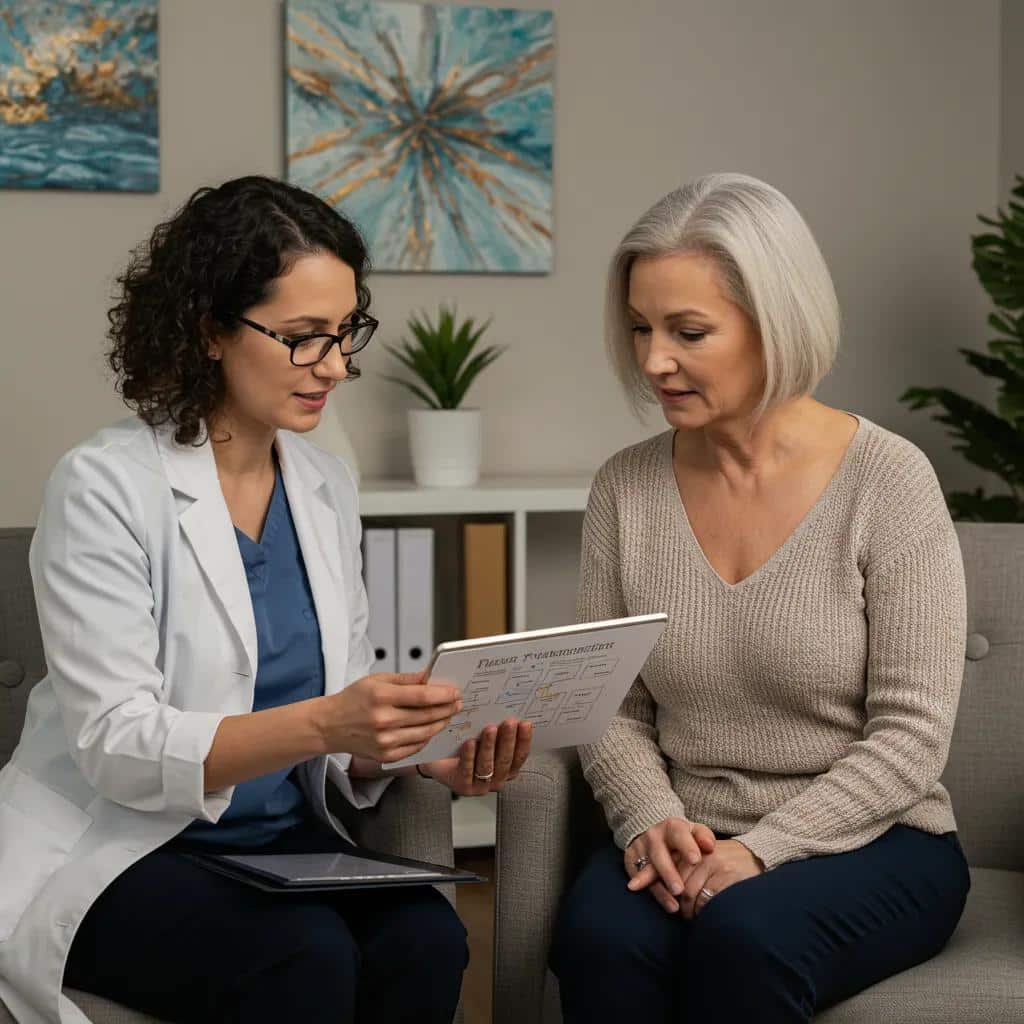
At Sun County Wellness, integrated mental health and addiction treatment for women is thoughtfully delivered across various levels of care — including Partial Hospitalization (PHP), Intensive Outpatient (IOP), and Outpatient (OP) programs — utilizing a rich array of modalities from evidence-based CBT and medication management to transformative experiential therapies like equine and adventure therapy. Each level offers a distinct intensity of clinical contact, carefully selected based on individual severity, safety needs, and life responsibilities. Our programs seamlessly combine proven psychotherapies with holistic modalities to comprehensively treat co-occurring disorders, and our current clinical guidance emphasizes matching modality intensity to each woman’s symptom acuity and trauma history. Below, you’ll find a practical comparison of the typical levels of care we utilize in women’s dual diagnosis treatment.
The table below offers a clear comparison of PHP, IOP, and OP, detailing their clinical intensity, weekly hours, typical length, ideal candidates, and common therapies used.
Level of Care
Typical Daily/Weekly Hours
Clinical Intensity & Staffing
Typical Length
Partial Hospitalization Program (PHP)
20+ hours/week (daily care)
High intensity with multidisciplinary teams
2–6 weeks typical, individualized
Intensive Outpatient Program (IOP)
9–15 hours/week (several sessions)
Moderate intensity, group and individual therapy
6–12 weeks common, flexible
Outpatient Program (OP)
1–3 sessions/week
Low intensity, maintenance-focused
Ongoing, variable based on progress
How Do Partial Hospitalization, Intensive Outpatient, and Outpatient Programs Support Women?
Our Partial Hospitalization Program (PHP) offers structured daily clinical care without requiring 24-hour inpatient housing, making it an ideal choice for women who need intensive stabilization but can return home nightly. Sessions thoughtfully include group therapy, medication review, and essential skills training. The Intensive Outpatient Program (IOP) is specifically designed for women who require substantial therapeutic contact while successfully managing work, school, or vital caring responsibilities; it skillfully blends group therapy, individual therapy, and case management across several weekly sessions. Our Outpatient Program (OP) focuses on ongoing psychotherapy and relapse prevention with a lower time commitment, making it perfect for women in earlier recovery stages or as a supportive step-down after IOP or PHP. Program selection always considers safety, the severity of co-occurring symptoms, available social supports, and the crucial need for trauma-informed pacing, ensuring a truly personalized path to healing.
Operational realities and individual patient preferences also play a significant role in determining which therapeutic modalities are included, which we’ll explore next.
What Holistic and Evidence-Based Therapies Enhance Dual Diagnosis Recovery?
At Sun County Wellness, a core set of evidence-based therapies — including CBT, DBT, EMDR, and expert medication management — directly addresses mood, anxiety, trauma, and addiction symptoms through vital skills training, trauma processing, and symptom stabilization. Complementary and experiential therapies, such as empowering equine therapy, adventurous outdoor therapy, calming acupuncture, and personalized nutrition counseling, provide profound support for body-based regulation, robust relapse prevention, and overall well-being. These holistic modalities often significantly enhance engagement and offer powerful nonverbal pathways for deep healing. By thoughtfully combining clinical and holistic approaches, our clinicians can effectively treat both the neurobiological and psychosocial components of dual diagnosis, leading to improved adherence and greater resilience. Our dedicated clinician teams consistently tailor these modality mixes to each woman’s unique history, preferences, and specific clinical goals, ensuring a truly personalized and effective healing journey.
The following bulleted list summarizes the common therapy categories you’ll find in our integrated programs:
- Evidence-Based Psychotherapies: CBT, DBT, and EMDR for powerful symptom reduction and essential life skills.
- Medication Management: Expert psychiatric evaluation and ongoing medication oversight for stability.
- Experiential and Holistic Therapies: Equine therapy, adventure therapy, acupuncture, and comprehensive nutrition support for whole-person healing.
These therapy categories form the integrated treatment pathways that address both mental health and addiction simultaneously, leading us into the condition-specific pairings we’ll discuss in the next major section.
Which Mental Health and Substance Abuse Conditions Do Our Women's Dual Diagnosis Programs Treat?
Our women’s dual diagnosis programs at Sun County Wellness compassionately treat a wide spectrum of mental health disorders alongside substance use disorders. This includes anxiety disorders, depressive disorders, bipolar disorder, PTSD, and various personality disorders, often paired with alcohol, opioid, stimulant, or prescription drug misuse. Our treatment approach thoughtfully adapts to each unique condition pairing by combining targeted psychotherapy, medication when clinically indicated, and robust relapse-prevention strategies that carefully consider gendered triggers and social roles. We prioritize safety and stabilization for high-risk pairings, then gently progress to skills training and trauma processing as appropriate for each individual’s journey. Below, you’ll find a practical table mapping common condition pairings to their shared symptoms and our typical integrated treatment approaches.
Condition Pairing
Shared Symptoms
Typical Integrated Treatment Approaches
Depression + Alcohol
Low mood, anhedonia, sleep disturbance
Antidepressant management, CBT, motivational interviewing
Anxiety + Stimulant Misuse
Panic, hyperarousal, avoidance
CBT for anxiety, DBT skills, craving management
PTSD + Opioid Dependence
Hypervigilance, avoidance, relief-seeking
Trauma-focused therapy (EMDR), medication-assisted support, relapse prevention
Bipolar Disorder + Substance Misuse
Mood swings, impulsivity
Mood stabilizers, integrated psychoeducation, structured psychotherapy
How Are Anxiety, Depression, and Bipolar Disorder Addressed Alongside Addiction?
Our integrated care for anxiety, depression, and bipolar disorder thoughtfully treats mood symptoms and substance use concurrently through a powerful combination of pharmacotherapy, psychotherapy, and behavioral interventions. For women experiencing depression paired with alcohol misuse, our clinicians often prioritize antidepressant treatment while simultaneously implementing motivational interviewing and relapse prevention strategies to gently reduce drinking. Anxiety disorders combined with stimulant misuse typically require gradual exposure and DBT-based distress tolerance skills to effectively manage physiological arousal while also addressing cravings. When bipolar disorder co-occurs with substance misuse, careful medication stabilization (using mood stabilizers) and comprehensive psychoeducation about how substances affect mood cycling are essential. Our integrated teams seamlessly coordinate psychiatric medication management with addiction counseling to significantly reduce the risk of destabilization, fostering greater balance and well-being.
These condition-specific strategies underscore the profound need for specialized care, especially when trauma, PTSD, or personality disorders are involved, which we’ll discuss next.
What Specialized Care Do We Offer for Trauma, PTSD, and Personality Disorders?
When PTSD or personality disorders co-occur with addiction, our programs at Sun County Wellness extend therapeutic blocks, thoughtfully employ trauma-specific protocols like EMDR or trauma-focused CBT, and integrate comprehensive DBT skills training for enhanced emotion regulation and interpersonal effectiveness. For personality disorders, particularly borderline patterns, we provide structured DBT modules, longer-term skills practice, and close case management to significantly reduce self-harm risk and substance-driven behaviors. Our programs carefully adapt pacing to allow for stabilization before intensive trauma processing and seamlessly integrate relapse prevention into trauma work to prevent re-triggering substance use. These specialized approaches prioritize safety while offering targeted interventions that address both the root causes and the sustaining behaviors of dual diagnosis, fostering deep and lasting healing.
Now that we’ve covered our clinical options and condition-specific care, the next section will detail how Sun County Wellness, a local center in Orange County, organizes personalized services and admissions to support your journey.
How Does Sun County Wellness Provide Personalized Dual Diagnosis Treatment for Women in Orange County?
Sun County Wellness proudly offers gender-specific, integrated dual diagnosis programs for women right here in Orange County. We thoughtfully combine evidence-based therapies with holistic modalities within personalized care plans, all designed to empower your recovery and support your daily functioning. Our comprehensive menu of services includes a Partial Hospitalization Program (PHP), Intensive Outpatient Program (IOP), Outpatient Program (OP), and women-only sober living options, specifically crafted to provide supportive step-down care after higher-intensity treatment. Sun County Wellness deeply emphasizes trauma-informed care and transformative experiential therapies like equine therapy and adventure therapy, alongside proven CBT, DBT, EMDR, expert medication management, calming acupuncture, and dedicated nutritionist services, creating truly comprehensive treatment pathways. Our esteemed accreditation and commitment to insurance accessibility further ensure vital access to exceptional care in our region.
Below is a quick-reference table showcasing our service offerings, key attributes, and practical details like our accreditations and the insurers we proudly accept.
Service Offer
Feature / Attribute
Practical Detail
PHP / IOP / OP
Levels of care for varying intensity
Gender-specific programs for women with integrated teams
Holistic & Experiential Modalities
Equine therapy, adventure therapy, acupuncture, nutrition
Used adjunctively with evidence-based therapies
Accreditation & Insurance
Quality and payment access
Accredited by The Joint Commission and DHCS; insurers listed below for verification
What Makes Sun County Wellness Stand Out in Gender-Specific Dual Diagnosis Care?
Sun County Wellness truly differentiates itself through our dedicated gender-specific focus, which thoughtfully pairs evidence-based clinical care with enriching experiential and holistic modalities. This unique approach allows us to create personalized plans that genuinely reflect each woman’s unique trauma history, medical needs, and life responsibilities. The powerful combination of accredited clinical oversight and complementary therapies — such as empowering equine and adventure therapy alongside proven DBT and EMDR — supports both vital symptom stabilization and profound experiential learning, significantly enhancing relapse prevention and emotional regulation. Our accreditation by The Joint Commission and DHCS proudly signals our unwavering adherence to recognized clinical standards, while our integrated care pathways effectively reduce fragmentation between mental health and addiction services. These distinctive features position our program to support lasting recovery while deeply honoring women’s unique contexts and needs, fostering a truly holistic healing journey.
After understanding our program’s strengths, women and their families often wonder how to begin their journey. The next section will clearly explain our admissions and insurance verification steps.
How Can Women Access Admissions and Insurance Verification at Sun County Wellness?
To access admissions and insurance verification at Sun County Wellness, prospective patients or their trusted support persons are encouraged to submit an inquiry to our compassionate admissions team. This is the first step to begin a thorough assessment and benefits check; we strongly encourage verifying your insurance benefits early in the process. When seeking verification, please have basic information ready about your current insurance coverage and clinical history. This allows our admissions team to efficiently confirm medical necessity and coverage for the appropriate level of care. We proudly accept publicized insurers including Aetna, Anthem Blue Cross Blue Shield, Cigna, GEHA, Humana, Magellan, and UMR; verification ensures complete clarity about your covered services and any potential out-of-pocket responsibilities. Sun County Wellness views admissions and insurance verification as a coordinated, supportive first step that helps us perfectly match your clinical needs to the right level of care, ensuring a smooth start to your healing journey.
These clear admissions steps lead us to common questions women and families often ask about treatment length and coverage, which we’ll address in our final section.
Frequently Asked Questions
What are the signs that a woman might benefit from dual diagnosis treatment?
Recognizing the signs that a woman may need dual diagnosis treatment is a crucial first step. These often include experiencing persistent mood swings, anxiety, or depression alongside substance use. Other important indicators can be difficulty managing daily responsibilities, withdrawing from social activities, or having a history of trauma. If a woman finds herself using substances to cope with emotional pain, or if her mental health symptoms worsen with substance use, it’s a clear signal to seek professional help. Early intervention can truly lead to better outcomes and a more effective, lasting recovery process.
How can family members best support a woman in dual diagnosis treatment?
Family members play an incredibly vital role in supporting a woman undergoing dual diagnosis treatment by offering unwavering emotional support, deep understanding, and consistent encouragement. It’s essential to educate yourselves about dual diagnosis to better comprehend the unique challenges your loved one faces. Actively encouraging participation in therapy sessions, attending family therapy when appropriate, and being patient throughout the recovery process can foster a profoundly supportive and healing environment. Additionally, maintaining open, honest communication and expressing unconditional love can significantly strengthen her recovery journey, making all the difference.
What role does aftercare play in achieving lasting dual diagnosis recovery?
Aftercare is absolutely crucial in dual diagnosis recovery as it helps maintain the significant progress made during initial treatment and dramatically reduces the risk of relapse. Effective aftercare may include ongoing therapy, supportive group meetings, and structured sober living arrangements. It provides a safe, structured environment where individuals can continue to develop vital coping strategies and receive invaluable support from peers who truly understand their experiences. Regular check-ins with healthcare providers and active participation in community resources can also profoundly enhance long-term recovery and stability, ensuring a sustained path to well-being.
Are there specific therapies that are most effective for women in dual diagnosis treatment?
Women in dual diagnosis treatment often benefit immensely from therapies that thoughtfully address both mental health and substance use issues simultaneously. Evidence-based therapies such as Cognitive Behavioral Therapy (CBT), Dialectical Behavior Therapy (DBT), and Eye Movement Desensitization and Reprocessing (EMDR) are particularly effective and widely utilized. Additionally, holistic approaches like mindfulness, yoga, and art therapy can significantly enhance emotional regulation and self-awareness, fostering deeper healing. Tailoring therapy to each individual’s unique needs and preferences is absolutely essential for achieving the best possible outcomes in their recovery journey, ensuring a personalized and impactful experience.
How can women find the right dual diagnosis treatment center for their needs?
Finding the right dual diagnosis treatment center involves carefully researching facilities that specialize in gender-specific care and integrated treatment approaches. Women should thoughtfully consider crucial factors such as the center’s accreditation, the qualifications and experience of the clinical staff, and the diverse types of therapies offered. Reading reviews, seeking trusted recommendations from healthcare providers, and even visiting potential centers can greatly assist in making a truly informed decision. It’s also incredibly important to ensure that the center accepts the individual’s insurance and is committed to providing personalized care plans that align with her unique journey.
What should women expect during the initial assessment for dual diagnosis treatment?
During the initial assessment for dual diagnosis treatment, women can expect a comprehensive and compassionate evaluation of their mental health and substance use history. Our skilled clinicians will gently ask about symptoms, past treatments, and any trauma experiences, creating a safe space for open discussion. This thorough assessment is vital for determining the appropriate level of care and crafting a personalized treatment plan perfectly tailored to the individual’s unique needs. Women should feel prepared to discuss their personal circumstances openly and honestly, as this crucial information forms the foundation for developing an effective and truly supportive treatment strategy, guiding them toward lasting healing.
How Long Does Dual Diagnosis Treatment Typically Last for Women?
The length of treatment at Sun County Wellness varies across levels of care and is thoughtfully shaped by factors like symptom severity, any co-occurring medical conditions, trauma history, and available social supports. For instance, our PHP may last several weeks, IOP typically spans several months, and OP can be ongoing for sustained relapse prevention and continued growth. Our dedicated clinicians continuously reassess progress and adjust the level of care upward or downward as safety needs and individual progress evolve, always emphasizing seamless continuity and robust aftercare planning. Aftercare planning frequently includes supportive sober living arrangements or consistent outpatient follow-up to maintain gains and significantly reduce relapse risk. Our personalized timelines ensure that treatment genuinely fits into your life demands while effectively addressing all clinical priorities, fostering a sustainable path to well-being.
Understanding how insurance typically applies helps families plan financially, which our final section addresses.
Does Insurance Cover Women's Dual Diagnosis Rehab Programs?
Yes, insurance often covers medically necessary dual diagnosis treatment when thoroughly documented by our clinicians, but it’s important to note that coverage and out-of-pocket responsibility can vary significantly by plan and benefits. Direct verification is always required to confirm your specific details. Sun County Wellness proudly accepts common insurers including Aetna, Anthem Blue Cross Blue Shield, Cigna, GEHA, Humana, Magellan, and UMR. We strongly encourage patients to request a benefit verification to clearly determine coverage for PHP, IOP, OP, and any sober living transitions. Our verification steps include providing your clinical history and insurance details so our admissions team can efficiently confirm medical necessity and any pre-authorization requirements. For the most accurate benefit information and to begin your admissions process, direct verification with our provider’s admissions team is highly recommended.
Quick verification checklist:
- 1Prepare your insurance card details and clinical history to streamline your benefits check.
- 2Ask about pre-authorization requirements for PHP or any medication-assisted treatments.
- 3Confirm coverage for aftercare services such as sober living and outpatient follow-up.

Seeking Treatment? We Can Help
At Sun County Wellness, as an in-network provider we work with most insurance plans, such as:
If you or a loved one are struggling with mental health challenges or substance abuse, reach out to Sun County Wellness today. Our team of compassionate professionals is here to support your journey towards lasting well-being. Give us a call at 949-993-1149
Visit SAMHSA or contact us today for more inforamtion.