

Clinically Reviewed By Brittany Astrom - LMFT
Brittany has 15 years of experience in the Mental Health and Substance Abuse field. Brittany has been licensed for almost 8 years and has worked in various settings throughout her career, including inpatient psychiatric treatment, outpatient, residential treatment center, PHP and IOP settings.
Women’s Mental Health Month 2025: Dates, Events, and Ways to Take Action
Women’s Mental Health Month is observed each May to spotlight mental health issues that disproportionately affect women and to expand access to gender‑responsive care. In 2025 the emphasis remains on prevention, early identification, and connection to community supports so women can access trauma‑informed, evidence‑based treatment when they need it. This guide outlines important dates and themes for the month, highlights national and Orange County events and ways to get involved, and explains practical paths to gender‑specific mental health and addiction services. You’ll find clear guidance on common conditions—anxiety, depression, and co‑occurring disorders—plus step‑by‑step advice for checking insurance and starting care. We also share curated resources, self‑care ideas, and advocacy actions you can use locally or online. Throughout, we link awareness activities to treatment options and local supports in Orange County and offer concrete next steps to help you access services.
What Are the Key Dates and Themes for Women’s Mental Health Month 2025?
Women’s Mental Health Month runs through May and focuses public attention on prevention, screening, and gender‑responsive services. The month gives health systems, community organizations, and individuals a structured opportunity to center programming around priorities like trauma recovery, perinatal mental health, and addiction care tailored for women. National advocacy groups and public health agencies often set themes that shape local calendars, workshops, and public education. Knowing those themes helps organizers and clinicians align resources to address specific gaps—such as improving screening for postpartum depression or expanding access to dual‑diagnosis treatment. Local providers use May to promote workshops, peer support, and treatment navigation so awareness becomes an entry point to real help.
When is Women’s Mental Health Month 2025 Celebrated?
Women’s Mental Health Month is observed every May, with activities scheduled throughout the month to reach different audiences and schedules. The month‑long format supports staggered programming—kickoff webinars, mid‑month community forums, and closing recovery celebrations—so more people can participate. May also clusters with other mental health observances, making it easier for clinicians and organizations to coordinate screening and referral efforts. Planning ahead helps individuals reserve time for events and gives organizers space to host in‑person activities like community walks or workshops.
What Are the Official Themes and Focus Areas for 2025?
Official themes typically emphasize prevention, trauma‑informed care, and removing barriers to treatment for women across life stages and backgrounds. Priority areas may include maternal mental health, equitable access to care, and integrated treatment for co‑occurring disorders—each directing programming and funding toward measurable outcomes. Matching event formats—panels, skills workshops, or screening drives—to a declared theme strengthens community impact and helps attendees find services that fit their needs. Pairing a theme with practical actions like insurance navigation sessions ensures awareness translates into access and lasting wellness.
Which Events and Activities Support Women’s Mental Health in 2025?
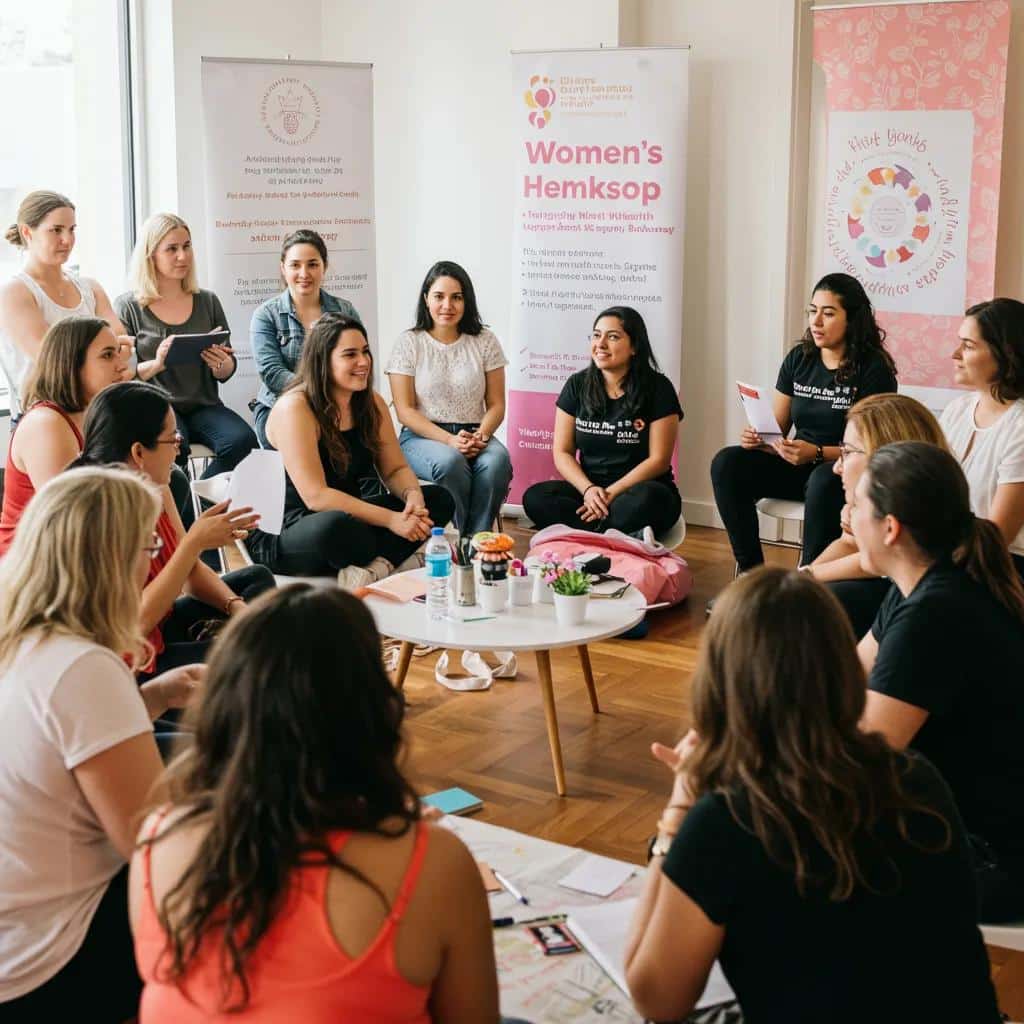
Activities during Women’s Mental Health Month range from national webinars to neighborhood peer groups, virtual support sessions, and outdoor gatherings that reduce isolation and build connection. These events educate about conditions, teach coping skills, create chances to speak with clinicians, and open doors to treatment. Offering both virtual and in‑person options increases accessibility—webinars and telehealth panels broaden reach while local meetups and walks foster belonging. Organizers should design events using trauma‑informed principles, clear referral pathways, and follow‑up options so awareness reliably leads to support.
What Workshops and Webinars Does Sun County Wellness Host?
Sun County Wellness runs workshops and webinars during Women’s Mental Health Month that center on coping skills, trauma‑informed self‑care, and routes into gender‑specific clinical care. Common topics include managing anxiety and depression in everyday life, spotting signs of co‑occurring disorders, and family communication strategies to support recovery. Formats range from interactive virtual sessions to small in‑person groups in Orange County and Q&A panels with clinical staff that explain levels of care and next steps. If you’re exploring specialized treatment or want help verifying coverage, Sun County Wellness welcomes inquiries through admissions and insurance verification resources to discuss program fit and benefits.
What Community Events Are Available in Orange County, CA?
Orange County hosts a variety of community events in May—awareness walks, county mental health forums, peer‑support meetups, and educational sessions run by community health centers. Event listings appear on county calendars, nonprofit sites, and community‑center bulletins, and many partners work with treatment providers to offer on‑site screening or referral information. Joining local events can help women build support networks, learn practical coping tools, and find nearby referrals to evidence‑based care. Volunteering or hosting neighborhood activities extends reach and helps create supports that last beyond the month.
Types of community events you can expect:
- Peer‑led support groups and recovery meetups.
- Educational webinars and clinician Q&A panels.
- Community walks, wellness fairs, and screening booths.
- Workshops on parenting, trauma recovery, and practical self‑care.
Community engagement creates accessible entry points to care and helps normalize help‑seeking—making it more likely women will move from awareness to treatment.
What Are Common Mental Health Challenges Women Face and How Are They Treated?
Certain conditions—anxiety disorders, major depression, trauma‑related disorders, and co‑occurring substance use—often have distinct prevalence or presentations in women and are sometimes understudied in gender‑specific contexts. Effective care is usually multimodal: evidence‑based therapies (CBT, DBT), psychiatric medication when appropriate, and trauma‑informed approaches that consider gendered risk factors. Integrated treatment for dual diagnosis—addressing mental health and substance use together—leads to better outcomes by treating triggers and behaviors in a single plan. Awareness efforts that include screening help identify needs early and connect women to the right level of care and community supports.
Below is a comparison to help you weigh next steps and expected outcomes.
Condition
Common Treatments
Expected Next Steps
Anxiety Disorders
CBT, medication management, mindfulness and skills training
Start with screening; refer to psychotherapy or IOP if symptoms impair daily life
Depression
Evidence‑based therapy, antidepressant medication, behavioral activation
Conduct an assessment and safety plan; consider combined therapy and medication
Trauma/PTSD
Trauma‑focused CBT, EMDR, DBT‑informed care
Undergo trauma‑informed assessment, phased treatment, and peer or group supports
Substance Use (with co‑occurring MH)
Integrated dual‑diagnosis treatment, medication‑assisted options, relapse prevention
Complete a comprehensive intake evaluating both conditions; create a coordinated plan
How Do Anxiety, Depression, and Trauma Affect Women Differently?
Anxiety, depression, and trauma can present differently in women due to social roles, life transitions, and biological factors like hormonal changes that affect timing and intensity of symptoms. Women may have higher rates of certain anxiety disorders and depressive episodes, and interpersonal or gender‑based trauma often complicates recovery. Clinicians tailor care to account for caregiving responsibilities, reproductive health, and safety planning so treatment is both evidence‑based and context‑sensitive. Recognizing these gender‑specific patterns supports targeted screening at community events and more effective referral to gender‑responsive services.
Research underscores the unique ways women experience mental health challenges, reinforcing the need for tailored approaches.
“Gender Perspective in Dual Diagnosis: Understanding Substance Use in Women”
>
“This review discusses how substance effects, gender‑specific triggers, pregnancy‑related concerns, and treatment considerations differ for women and men, highlighting the need for tailored care approaches.”
>
“Gender perspective in dual diagnosis, 2021”
What Is Dual Diagnosis and Why Is It Important for Women’s Recovery?
Dual diagnosis means a person has both a mental health disorder and a substance use disorder. For many women, trauma and relationship dynamics are central drivers of both conditions, which is why integrated dual‑diagnosis care is essential. Coordinated treatment combines psychotherapy, addiction counseling, medication management, and relapse prevention into one plan to prevent fragmented care. Treating both conditions at once lowers relapse risk and improves functioning by addressing triggers, coping skills, and social supports together. Programs that are trauma‑informed and gender‑responsive tend to achieve better engagement and longer‑term recovery for women.
Effectively addressing dual diagnosis in women requires understanding how substance use and mental health interact, often through the lens of trauma and social context.
“Gender-Responsive SUD Treatment for Women with Co-Occurring Disorders: A Systematic Review”
>
“This systematic review examines gender‑responsive, integrated substance use programs for women with co‑occurring disorders, emphasizing why treatment that addresses women’s specific experiences improves engagement and outcomes.”
>
“A systematic review of gender-responsive and integrated substance use disorder treatment programs for women with co-occurring disorders, S Johnstone, 2023”
How Can Women Access Gender-Specific Mental Health and Addiction Treatment?
Finding gender‑specific care starts with understanding levels of care and following a practical intake pathway: screening, insurance verification, and a clinical assessment that recommends the appropriate level of care. Levels of care—from outpatient services to more intensive programs—are matched to clinical need, life circumstances, and safety concerns. Gender‑responsive programs add trauma‑informed methods and peer supports. Simple steps—checking insurance benefits, contacting a provider for intake, and arranging transportation or childcare—can remove barriers. Local treatment centers and community groups often coordinate with national resources to make referrals and aftercare planning smoother.
Before the program details, here are concise first steps to begin care.
- 1Check your insurance benefits to see what mental health and addiction services are covered.
- 2Contact a gender‑specific provider to request an intake or pre‑screening.
- 3Complete a clinical assessment to determine the level of care (PHP, IOP, OP, or sober living).
- 4Plan logistics—transportation, childcare, and follow‑up appointments—so treatment can proceed.
Level of Care
Intensity & Typical Duration
Who It’s For & How to Access
Partial Hospitalization Program (PHP)
High intensity, daily structured treatment for multiple weeks
For people needing intensive support without overnight stay; access via clinical referral and insurance verification
Intensive Outpatient Program (IOP)
Several days per week over multiple weeks
For those needing structured therapy while living at home; contact provider for assessment and benefits check
Outpatient Program (OP)
Weekly therapy and medication management
For mild‑to‑moderate symptoms or step‑down care; schedule an assessment and intake
Sober Living
Structured communal living with recovery supports
For people transitioning from higher levels of care who need a stable environment; requires referral and readiness assessment
What Programs Does Sun County Wellness Offer for Women’s Mental Health?
Sun County Wellness provides gender‑specific levels of care—PHP, IOP, OP—and structured sober living designed around women’s recovery needs. Our programs combine evidence‑based therapies like CBT and DBT with holistic modalities—adventure therapy, nutrition counseling, acupuncture, and equine work—to support whole‑person healing. We treat dual diagnosis, mood and trauma‑related disorders, and substance use, and we offer aftercare, alumni groups, and recovery homes to sustain long‑term wellness. If you’d like to learn about program fit or coverage, reach out to admissions and request insurance verification to see which services are covered and how to get started.
Specialized, gender‑specific care for women with substance use and co‑occurring mental health conditions is a key factor in effective recovery.
“Gender-Specific Treatments for Women with Alcohol Use Disorder and Co-Occurring Mental Health Issues”
>
“This meta‑analysis and systematic review evaluates gender‑specific interventions for women with alcohol use disorder and co‑occurring mental health conditions, underscoring the value of tailored treatment approaches.”
>
“Gender-Specific Treatments for Women with Alcohol Use Disorder and Co-Occurring Mental Health Disorders: A Meta-Analysis and a Systematic Review, 2025”
How Can Women Verify Insurance for Mental Health and Addiction Services?
Verifying insurance usually means gathering policy details, checking which mental health benefits apply, and asking the provider’s admissions team to run a benefits check or authorization. Major insurers and managed plans often cover behavioral health services, but coverage levels vary—so ask about benefits for PHP, IOP, OP, and residential supports to understand potential out‑of‑pocket costs. If coverage is limited, options include appeals, sliding‑scale programs, or referrals to community resources for interim care. Treatment providers can help by performing benefits checks and explaining next steps so admissions move forward without surprises.
Have this information ready when verifying coverage:
- Member ID and plan name.
- Date of birth and policyholder details.
- The specific service you’re requesting (PHP, IOP, OP, sober living).
- Any prior authorizations or referral requirements.
Careful verification reduces unexpected costs and helps match women quickly to the right level of care.
What Resources and Support Are Available for Women During Mental Health Month?
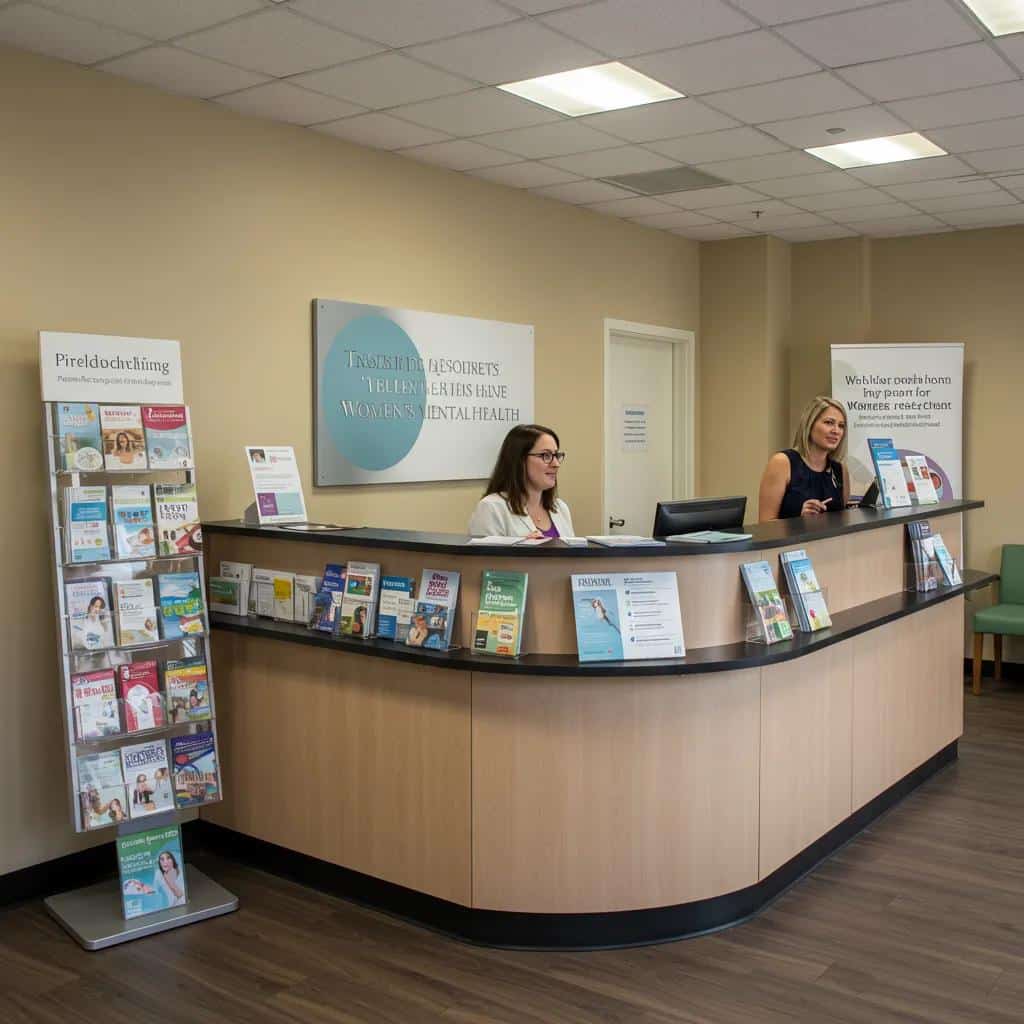
During Mental Health Month, national and local resources offer crisis support, educational materials, and referral pathways. These include federal agencies, nonprofits, county behavioral health departments, and treatment centers with gender‑specific programs. National organizations provide evidence‑based toolkits and hotlines while county services connect people to local clinics, peer supports, and community programs. Aftercare and sober living options round out clinical treatment by offering structured environments and peer networks that support relapse prevention and reintegration. Knowing where to look for each type of resource helps women move from awareness events to sustainable care.
Below is a concise list of national and local resources and how to access them.
Resource
Type
How to Access
SAMHSA
National behavioral health resource and treatment locator
Use national helplines and the treatment locator to find services
NIMH
Research and educational materials on mental disorders
Access downloadable toolkits and current evidence summaries
County Behavioral Health (Orange County)
Local crisis response and non‑emergency services
Contact county offices or community health centers for referrals
Local Treatment Centers
Gender‑specific programs and aftercare supports
Reach out to admissions teams for assessments and benefits checks
Peer Support & Alumni Groups
Ongoing community recovery support
Join local meetings or alumni networks for sustained engagement
Where Can Women Find National and Local Mental Health Resources?
Start with national repositories and treatment locators, then connect with county behavioral health for local crisis and non‑emergency supports. National sites offer validated screening tools, educational materials, and directories to find licensed providers; county agencies provide in‑person referrals, crisis stabilization, and community programs tailored to regional needs. For immediate danger, always use crisis hotlines or emergency services; for non‑emergency help, county clinics and community centers often offer sliding‑scale care and links to gender‑specific programs. Using both national and local pathways increases the chance of timely, appropriate care.
How Do Aftercare and Sober Living Options Support Long-Term Wellness?
Aftercare and sober living provide structured transition supports that lower relapse risk by offering ongoing therapy, peer accountability, and life‑skills coaching after higher‑intensity treatment. Aftercare usually includes scheduled therapy, alumni groups, relapse‑prevention planning, and referrals to community resources; sober living offers a stable, substance‑free environment with clear rules and peer support. These services help women reestablish routines, pursue work or education, and maintain recovery. Planning for aftercare early in treatment creates a smoother step‑down pathway and reduces gaps that can increase relapse risk.
How Can Individuals Participate and Advocate During Women’s Mental Health Month 2025?
Individuals, families, and groups can take part by attending events, hosting educational sessions, fundraising for local services, and amplifying messages that reduce stigma and support gender‑responsive care. Advocacy looks like sharing trusted resources, supporting policy efforts to expand mental health funding, or volunteering with organizations that offer peer support and recovery services. Taking part in awareness activities helps normalize help‑seeking and connects community members to treatment pathways—creating ripple effects that improve access for women. Collective action during May can also build momentum for longer‑term service expansion and better coordination between clinical and community supports.
Ways to participate and advocate:
- Volunteer at or attend awareness events and screening drives.
- Organize panels, workshops, or book groups about women’s mental health.
- Support local fundraising for treatment and aftercare programs.
- Advocate for policies that expand gender‑specific mental health services.
Community engagement strengthens local networks of care and helps turn one‑time awareness into ongoing support for women’s mental health.
What Self-Care Practices Promote Women’s Mental Wellness?
Self‑care that supports mental wellness includes consistent sleep and movement, grounding and mindfulness exercises, practical stress‑management techniques, and steady social connection to reduce isolation. Simple habits—regular sleep schedules, brief daily activity, and short relaxation practices—help regulate mood and reduce anxiety. Combining self‑care with professional supports, like therapy or medication when needed, builds resilience and complements clinical treatment. Knowing when self‑care isn’t enough and reaching out for professional help is an important part of a solid wellness plan.
How Can Families and Friends Support Women Facing Mental Health Challenges?
Families and friends can offer practical and emotional support by learning about conditions, using compassionate communication, helping with logistics like appointments and insurance checks, and encouraging professional care when needed. Helpful actions include listening without judgment, offering concrete assistance (transportation or childcare), and helping navigate admissions or benefits processes. Avoiding blame and offering steady encouragement supports engagement in care and reduces barriers. Family education and support groups also equip loved ones to provide informed, sustainable support through recovery.
Why Is Sun County Wellness a Leader in Women’s Behavioral Health in Orange County?
Sun County Wellness serves women in Orange County with gender‑specific programs that combine evidence‑based therapy and holistic supports with structured aftercare. We emphasize trauma‑informed care and integrated pathways for dual diagnosis, mood disorders, and substance use, delivered by an interdisciplinary clinical team. Accreditation and licensing signal our commitment to safety and quality, which builds trust in care delivery. As a local resource, Sun County Wellness connects women to community supports and helps ensure continuity of care through alumni networks and sober living options.
What Unique Gender-Specific and Holistic Treatments Does Sun County Wellness Provide?
Sun County Wellness offers gender‑responsive care that blends CBT and DBT with complementary practices like adventure therapy, equine work, nutrition support, and acupuncture to address physical, emotional, and social aspects of recovery. These diverse elements work together to build coping skills, reduce symptoms, and strengthen recovery capital. Holistic options support emotional regulation, trauma processing, and physical wellness alongside core behavioral health services, offering women tailored care across treatment phases and life stages.
How Does Accreditation and Expert Staff Enhance Care Quality?
Accreditations such as The Joint Commission’s Gold Seal and licensing from the Department of Health Care Services show adherence to accepted standards for behavioral health and organizational safety. Those credentials mean clinical processes, quality monitoring, and patient safety systems meet external benchmarks, which increases public confidence. Our interdisciplinary clinical team provides thorough assessment and coordinated treatment planning, improving outcomes through integrated care pathways. Patients and families benefit from transparent standards and evidence‑based protocols that guide treatment decisions.
How Can Women Take the First Step Toward Mental Health Wellness in 2025?
Taking the first step looks like a few practical actions: check your insurance benefits, contact a gender‑specific provider for intake, complete a clinical assessment, and follow the recommended level‑of‑care plan. These steps turn awareness into actionable access by clarifying administrative and clinical next steps. Gathering necessary documents and arranging support for logistics—transportation or childcare—lowers barriers to beginning treatment. For many women, combining community events with a clear admissions pathway makes starting care less intimidating and more achievable.
How to Contact Sun County Wellness for Admissions and Support?
To ask about admissions or request an insurance benefits check, contact Sun County Wellness via the phone and web channels listed on our public profile or website, or find our Google Business listing for hours and directions. When you reach out, have your insurance details, a short summary of concerns, and availability for assessment ready to speed the intake process. Our admissions team will explain program fit, levels of care, and next steps while protecting your privacy and offering supportive communication. This guidance helps you move from first contact to a scheduled assessment and a personalized care plan.
What Should Women Expect During Their Initial Treatment Assessment?
The initial assessment typically includes a clinical interview, screening for co‑occurring conditions and safety concerns, review of medical and psychiatric history, and a treatment recommendation that specifies the level of care. Expect questions about symptoms, substance use, trauma history, supports, and treatment goals—this comprehensive evaluation informs placement in PHP, IOP, OP, or sober living as appropriate. The assessment also identifies immediate safety needs and outlines a preliminary care plan with next steps and referrals. Clear communication during intake ensures you understand why a particular level of care is recommended and what to expect during each phase.
Frequently Asked Questions
What are the signs that a woman may need mental health support?
Signs that someone may need help include persistent sadness, worry, or irritability; changes in sleep, appetite, or energy; trouble concentrating; withdrawal from activities; or feelings of hopelessness. If these symptoms interfere with work, relationships, or daily life, it’s important to reach out for professional support. Early help often leads to better outcomes, so noticing these changes is the first step toward healing.
How can women advocate for better mental health resources in their communities?
Women can advocate by joining community conversations, attending local government meetings, partnering with advocacy groups, and sharing lived experience to reduce stigma. Organizing workshops or awareness events, supporting local fundraisers, and contacting elected officials to request better funding and services are effective actions. Collective, sustained efforts help ensure community health initiatives prioritize women’s mental health.
What role do peer support groups play in women's mental health recovery?
Peer support groups create safe spaces to share experiences, coping strategies, and practical advice. They reduce isolation, foster belonging, and encourage accountability—important benefits that complement clinical care. Participants often gain confidence, learn navigation tips for treatment systems, and find ongoing support that helps sustain recovery.
How can families and friends help women struggling with mental health issues?
Families and friends can provide crucial support by listening without judgment, helping with daily tasks, and encouraging professional care. Practical assistance—like driving to appointments or helping with insurance questions—can remove barriers. Learning about conditions and joining family support or education programs also strengthens the ability to provide informed, compassionate help.
What are some effective self-care strategies for women during Mental Health Month?
Effective self‑care includes a stable sleep routine, regular physical activity, balanced nutrition, and mindfulness practices such as meditation or yoga. Making time for hobbies, social connection, and short daily relaxation exercises supports mood and stress management. Journaling can track progress and clarify feelings. Treat self‑care as one part of a larger wellness plan—get professional help when needed.
What should women know about the importance of mental health screenings?
Mental health screenings help identify issues early, including anxiety, depression, and PTSD, which may not be obvious at first. Regular screening enables timely intervention and more tailored care—especially for women who may face unique stressors. Knowing your mental health status empowers you to seek the right supports and improves chances for better outcomes.

Seeking Treatment? We Can Help
At Sun County Wellness, as an in-network provider we work with most insurance plans, such as:
If you or a loved one are struggling with mental health challenges or substance abuse, reach out to Sun County Wellness today. Our team of compassionate professionals is here to support your journey towards lasting well-being. Give us a call at 949-993-1149
Visit SAMHSA or contact us today for more inforamtion.