Clinically Reviewed By Brittany Astrom - LMFT
Brittany has 15 years of experience in the Mental Health and Substance Abuse field. Brittany has been licensed for almost 8 years and has worked in various settings throughout her career, including inpatient psychiatric treatment, outpatient, residential treatment center, PHP and IOP settings.
Women’s Mental Health & Addiction Care in Orange County — Gender‑Responsive Treatment and Local Resources
Effective mental health and addiction care for women in Orange County recognizes how gender, trauma, reproductive stages, and social supports shape recovery. This guide describes the conditions most commonly affecting women, how gender‑responsive and trauma‑informed therapies improve outcomes, and the outpatient treatment options available locally. You’ll find practical steps for checking insurance, starting admissions, and locating peer supports and crisis services across the county. We balance clinical evidence with local resources, showing which therapies target anxiety, depression, postpartum challenges, PTSD, eating disorders, and co‑occurring substance use. After outlining conditions and treatment approaches, the guide compares PHP, IOP, OP, sober living, and aftercare, then provides clear next steps for insurance verification and admissions while pointing to community supports that lower barriers to care. Keywords such as women’s therapy Orange County, gender-specific therapy Orange County, trauma-informed care for women OC, and partial hospitalization program for women Orange County are included to help readers find targeted local options and practical next steps.
What Are the Most Common Mental Health Conditions Affecting Women in Orange County?
Women commonly present with anxiety disorders, major depressive disorder, PTSD related to interpersonal trauma, perinatal and postpartum mood or anxiety disorders, eating disorders, and bipolar disorder. These conditions often show gender‑linked patterns shaped by hormonal cycles, caregiving responsibilities, and higher rates of interpersonal violence — all of which influence symptoms and treatment needs. Research also shows women more frequently experience internalizing disorders and may develop substance use problems after trauma, increasing the need for coordinated mental health and addiction care. Understanding these conditions helps women and families spot warning signs earlier and choose the right level of care, from weekly outpatient therapy to more intensive programs when safety or co‑occurring addiction is present. The section that follows explains how gender‑specific therapy adapts evidence‑based and holistic approaches to better meet women’s needs and boost engagement.
- 1Common conditions to watch for in women:
Anxiety disorders: persistent worry, panic symptoms, and physical complaints related to stress.Major depressive disorder: prolonged low mood, loss of interest, and reduced functioning.PTSD/trauma-related disorders: hypervigilance, avoidance, and intrusive memories.Perinatal/postpartum disorders: mood and anxiety symptoms tied to pregnancy, childbirth, or the postpartum period.Eating disorders: restrictive eating, binge‑purge cycles, and distorted body image.Bipolar disorder: episodes of elevated or depressed mood with functional impact.
These conditions often overlap and call for assessments that consider reproductive stage, trauma history, and substance use risk. Recognizing common co‑occurrence speeds referral to the most appropriate level of care.
How Do Anxiety and Depression Present Differently in Women?
Anxiety and depression in women frequently emphasize physical symptoms, fatigue, and sleep disruption rather than outward behavioral changes. Hormonal events — menstruation, pregnancy, and menopause — can change symptom intensity. Women commonly report rumination, heightened sensitivity in relationships, and co‑occurring pain conditions, which can complicate diagnosis and delay treatment. Evidence‑based therapies such as cognitive behavioral therapy (CBT) and dialectical behavior therapy (DBT) are effective when adapted to address interpersonal stressors and life‑stage concerns. Screening that includes reproductive history and trauma exposure improves detection and treatment planning; when clinicians ask about perinatal mood shifts or menstrual‑linked mood changes, they can better align psychoeducation and medication decisions. These presentation differences naturally lead into how trauma and PTSD affect women’s recovery.
What Is the Impact of Trauma and PTSD on Women’s Mental Health?
Trauma and PTSD are common among women and frequently underlie chronic mood, anxiety, and substance use disorders. Interpersonal trauma — including intimate partner violence and sexual assault — disproportionately affects women and shapes long‑term outcomes. Trauma raises the risk of co‑occurring addiction, complicates engagement in care, and makes it essential to prioritize safety, stabilization, and coping skills before trauma processing. Trauma‑focused treatments such as EMDR and trauma‑focused CBT have strong evidence for reducing PTSD symptoms when delivered within a trauma‑informed framework that emphasizes choice and empowerment. Embedding trauma‑informed practices lowers the risk of retraumatization and improves retention, making them central to gender‑specific programs for women with complex histories and dual diagnoses.
“Gender-Specific Mood Disorder Treatment for Women”
>
“Gender‑specific considerations in the treatment of mood disorders in women across the life cycle, 2003”
How Does Gender-Specific Therapy Enhance Women’s Mental Health Treatment in Orange County?

Gender‑specific therapy groups and individualized plans tailor care to women’s biological, psychological, and social needs, creating environments that boost safety, disclosure, and peer support. This approach lowers barriers that can come with mixed‑gender settings — such as retraumatization or stigma — and allows focused education on reproductive mental health, relationship dynamics, and caregiving stress. Clinical data and program experience show women‑only groups and gender‑responsive plans increase engagement, reduce dropout, and create space for targeted interventions addressing trauma, parenting, and co‑occurring substance use. Below is a practical comparison of common modalities used in gender‑specific programs to show how each targets women’s concerns and how clinicians select among them.
Different therapies used in gender‑specific programs and their clinical role:
Therapy
Target Issues
Session Format
Evidence Level
Suitability for Women
CBT
Anxiety, depression, relapse prevention
Individual or group weekly sessions
High
Strong for skill building and mood regulation
DBT
Emotion dysregulation, self‑harm risk
Group skills + individual therapy
High
Effective for trauma‑related impulsivity and relationship stress
EMDR
PTSD and traumatic memories
Individual trauma processing sessions
High
Appropriate for trauma survivors once safety is established
Equine therapy
Trust, grounding, experiential processing
Group experiential sessions
Emerging
Useful as an adjunct for somatic regulation and trust building
Acupuncture
Anxiety, sleep, somatic symptoms
Individual complementary sessions
Moderate
Supports symptom relief and stress reduction
This table illustrates how evidence‑based and complementary modalities are combined; clinicians choose packages based on assessment, presenting needs, and individual preference to optimize recovery. Understanding these options leads into a closer look at specific therapies offered in women‑focused care.
What Evidence-Based and Holistic Therapies Are Offered for Women?
Core evidence‑based therapies include CBT for mood and anxiety, DBT for emotion regulation and interpersonal effectiveness, and EMDR or trauma‑focused CBT for PTSD when clients are ready for trauma processing. Complementary approaches — like equine therapy, acupuncture, nutrition counseling, and outdoor or adventure therapies — support somatic regulation, social reconnection, and physical wellness alongside psychotherapy. Clinicians often combine modalities to address co‑occurring needs: for example, pairing trauma‑focused work with DBT skills and nutrition support for eating disorders, or using acupuncture to help sleep while engaging in CBT for anxiety. Tailoring treatments to reproductive stage, trauma history, and cultural context improves relevance, adherence, and outcomes.
How Does Trauma-Informed Care Support Women’s Recovery?
Trauma‑informed care is built on safety, trustworthiness, choice, collaboration, and empowerment. Programs put these principles into practice through routine trauma screening, predictable environments, clear consent processes for trauma work, and staff trained in de‑escalation and cultural humility. Practical features include women‑only groups, flexible scheduling for caregivers, and trauma‑aware group norms to minimize the risk of retraumatization. Programs that embed trauma‑informed practices show better engagement, reduced symptom severity, and improved retention — especially for women with histories of interpersonal violence. Applying these practices across intake, group work, and aftercare helps preserve therapeutic gains and eases transitions to lower‑intensity care.
“Trauma-Informed Addiction Treatment for Women”
>
“Women and addiction: A trauma‑informed approach, 2008”
What Levels of Outpatient Mental Health and Addiction Care Are Available for Women in Orange County?
Outpatient care ranges from structured, day‑level programs to weekly therapy, with sober living and aftercare supporting transitions and long‑term recovery. Partial Hospitalization Programs (PHP) provide intensive daytime treatment while allowing people to sleep at home; Intensive Outpatient Programs (IOP) offer several hours of therapy several days a week and more independence; and standard Outpatient Programs (OP) deliver weekly individual or group therapy and medication management. Sober living offers peer‑supported residential structure emphasizing boundaries and relapse prevention, while aftercare connects women to community supports, employment services, and ongoing therapy to sustain gains. The table below summarizes intensity, duration, and typical matches for each level to help women and families choose next steps.
Level of Care
Intensity (hours/week)
Typical Duration
Best For
Partial Hospitalization Program (PHP)
20–40
2–6 weeks
Acute symptoms requiring full‑day therapy without inpatient admission
Intensive Outpatient Program (IOP)
9–20
4–12 weeks
Moderate symptoms, early recovery from addiction, or step‑down from PHP
Outpatient Program (OP)
1–8
Ongoing/variable
Maintenance therapy, medication management, mild‑to‑moderate conditions
Sober Living & Aftercare
Variable structure
Months to ongoing
Women needing transitional housing and structured peer support after treatment
This comparison clarifies how intensity and duration match clinical need and recovery goals. When symptoms worsen or safety concerns arise, stepping up from OP to IOP or PHP can restore stability and safety. The next subsection outlines how PHP and IOP typically operate and what progression through levels often looks like for women in care.
How Do Partial Hospitalization and Intensive Outpatient Programs Work for Women?
PHPs usually operate on weekdays with a multidisciplinary team offering group therapy, individual sessions, medication management, and skills groups, allowing women to return home each evening while receiving concentrated support during the day. IOPs concentrate treatment into multiple weekly blocks — daytime or evening — focusing on relapse prevention, coping skills, and family involvement; they are commonly used as step‑down from PHP or when inpatient care isn’t necessary. Programs adapt scheduling and content for women by offering parenting support, coordination for childcare when possible, and trauma‑informed group norms to increase access and engagement. A typical pathway begins with stabilization in PHP, moves to IOP for skills consolidation, and transitions to OP and aftercare for long‑term relapse prevention and community reintegration.
What Support Does Sober Living and Aftercare Provide for Women?
Sober living homes offer gender‑specific, peer‑based residential support with an emphasis on accountability, predictable routine, and ongoing connection to outpatient services. Residents usually continue therapy, attend mutual‑support meetings, and receive case management. Aftercare plans formalize continuing supports — scheduled therapy, peer group participation, employment or education assistance, and relapse prevention planning — to maintain recovery gains after formal treatment ends. For women, sober living and aftercare frequently include parenting supports, housing or legal referrals, and vocational resources to address social determinants that affect relapse risk. Effective aftercare lowers rehospitalization rates and supports sustained recovery by linking women to community resources and measurable transition goals like stable housing and employment.
Which Insurance Plans and Admission Processes Support Women’s Mental Health Treatment in Orange County?
Understanding insurance and admissions steps reduces barriers to timely care. Local providers commonly work with insurers such as Aetna, Anthem, Blue Cross Blue Shield, Cigna, GEHA, Humana, Magellan, and UMR. Coverage varies by plan and service: PHP and IOP often require prior authorization and clinical documentation, so early verification helps prevent delays. Insurers typically request clinical notes, diagnostic codes, and a medical necessity determination for intensive services; preparing these materials in advance speeds approvals. We encourage readers to contact admissions early for benefit checks and verification. Below is a quick‑reference table to guide conversations with insurers and intake teams.
Insurance Provider
Coverage Notes
Verification Steps
Aetna
May cover PHP/IOP with prior authorization
Gather diagnosis, clinician notes, and call member services
Anthem
Varies by plan; outpatient typically covered
Confirm mental health benefits and in‑network providers
Blue Cross Blue Shield
Broad network; medical necessity review common
Request benefits summary and prior authorization pathways
Cigna
Covers behavioral health with case management
Verify level‑of‑care coverage and out‑of‑network options
GEHA
Plan‑dependent mental health benefits
Check specific policy limits and referral requirements
Humana
May include care management for serious conditions
Confirm authorization and duration limits
Magellan
Often manages behavioral health benefits
Use Magellan behavioral health number for prior authorization
UMR
Administrative requirements vary
Verify benefits, copays, and prior authorization needs
This table is a starting point; always confirm plan‑specific details and prepare clinical documentation. The next subsection offers a simple checklist to guide insurance verification and the admissions process.
What Insurance Providers Does Sun County Wellness Accept for Women’s Rehab?
Sun County Wellness accepts multiple major insurers and works with care teams to verify benefits and coordinate authorizations for PHP, IOP, and OP services. Commonly supported insurers include Aetna, Anthem, Blue Cross Blue Shield, Cigna, GEHA, Humana, Magellan, and UMR, though coverage depends on individual plans and medical necessity determinations. Sun County Wellness emphasizes gender‑responsive treatment and provides dual‑diagnosis care across outpatient levels, with sober living and aftercare supports available when clinically indicated. When contacting admissions, have your insurance ID, diagnosis information, and recent clinical notes ready to speed verification and placement; the admissions team can assist with benefit checks and authorization steps.
“Ethnic Disparities in Women’s Outpatient Mental Health Service Use”
>
“Women and outpatient mental health services: Use by Black, Hispanic, and White women in a national insured population, 1994”
How Can Women Verify Insurance and Begin the Admissions Process?
A clear, stepwise approach shortens wait times and helps families secure appropriate care. Start by gathering key documents — insurance ID, a current medication list, and any recent clinician notes — to support medical necessity. Call the insurer’s behavioral health number or use the member portal to confirm coverage for PHP, IOP, OP, and residential supports; ask about prior authorization requirements and the appeals process if needed. Next, contact the chosen provider’s admissions or intake team with your documents and request a benefits check and provisional authorization; many programs offer clinical screening within 24–72 hours after materials are submitted. Finally, arrange transportation, childcare, or workplace accommodations as advised during intake, and schedule the initial clinical assessment to finalize the recommended level of care.
- 1Gather documents: insurance ID, diagnoses, medications, and recent clinical notes.
- 2Verify benefits: call the insurer or use the member portal to confirm coverage and prior authorization rules.
- 3Contact admissions: submit documents for a benefits check and request clinical screening.
- 4Complete intake: take part in the clinical assessment and finalize level‑of‑care planning.
- 5Arrange logistics: plan for transportation, childcare, and follow‑up appointments.
Following these steps reduces delays and clarifies out‑of‑pocket expectations. The next section highlights community resources that complement clinical treatment.
Where Can Women Find Local Mental Health Support and Resources in Orange County?
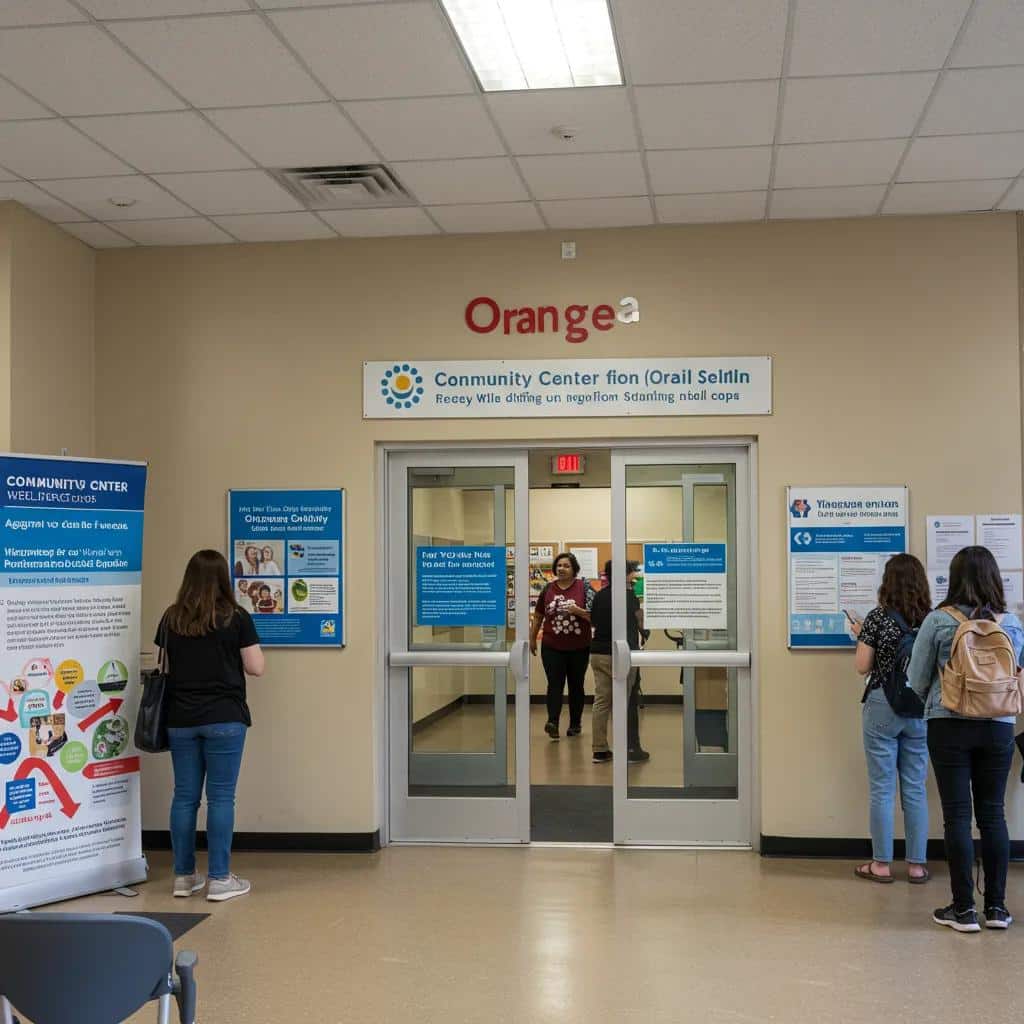
Orange County has a network of community resources — peer support groups, women’s wellness programs, county behavioral health access points, and 24/7 crisis lines — that help bridge gaps in care and supply ongoing social support. Peer networks include women‑only mutual‑help groups, trauma survivor circles, and postpartum peer programs that offer shared experience and practical coping strategies. County and community agencies can also connect women to housing, legal, and family supports that address social determinants of recovery. Knowing which local supports to tap and when to call crisis services helps women stay safer and better connected during treatment or while transitioning between levels of care.
- Women‑only mutual support groups for addiction recovery and relapse prevention.
- Postpartum and perinatal mental health peer groups for new and expectant mothers.
- Trauma survivor circles focused on safety, grounding, and empowerment.
- Wellness collectives offering yoga, nutrition, and movement classes adapted for recovery.
Choose a group based on accessibility, meeting format (virtual vs. in‑person), facilitator training, and focus. Trying a single session and checking for safety and fit can help women find lasting peer support.
What Peer Support and Wellness Groups Are Available for Women?
Peer and wellness groups tailored to women’s experiences are available through community centers, behavioral health directories, and provider referrals in Orange County. Women‑only recovery groups create safer spaces to discuss trauma histories and relationship issues without mixed‑gender dynamics, while postpartum groups address hormonal change, infant bonding, and maternal mood concerns. Wellness offerings — mindful movement, peer‑led nutrition workshops, and outdoor activity groups — complement therapy by reducing isolation and improving physical well‑being. Checking facilitator credentials, confidentiality practices, and group safety helps women select supports that reinforce clinical care and promote long‑term wellness.
Which Crisis Lines and Community Services Support Women’s Mental Health?
For immediate danger, call emergency services. County mental health access lines and 24/7 crisis hotlines provide risk assessment, de‑escalation, and referrals to emergency or urgent psychiatric care when needed. Community services — including county behavioral health agencies, housing referral programs, and victim advocacy centers — offer specialized help for survivors of interpersonal violence, legal guidance, and safe housing support. If there is an immediate risk to life or safety, call emergency services; for urgent but non‑life‑threatening situations, contact crisis hotlines or the county mental health access point for guidance and next steps.
What Are the Key Benefits of Choosing Sun County Wellness for Women’s Mental Health and Addiction Treatment in Orange County?
Sun County Wellness focuses on gender‑responsive, trauma‑informed, dual‑diagnosis care delivered across outpatient intensities, combining evidence‑based and holistic therapies to meet complex needs. Our coordinated treatment planning blends CBT, DBT, EMDR, nutrition support, acupuncture, equine therapy, and experiential approaches where clinically appropriate. Accredited by The Joint Commission and DHCS, the center follows recognized safety and quality standards while offering multiple levels of care — PHP, IOP, and OP — alongside sober living and aftercare to support recovery transitions. These services help women stabilize symptoms, learn relapse‑prevention strategies, and access continuing supports that reduce readmission risk and improve daily functioning.
How Does Sun County Wellness Address Dual Diagnosis and Co-Occurring Disorders?
Sun County Wellness uses an integrated assessment‑to‑treatment model: a thorough intake identifies co‑occurring mental health and substance use disorders; an individualized plan combines psychotherapy, medical care, and relapse prevention; and a coordinated care team tracks progress and adjusts treatment as needed. By combining medication management, trauma‑focused therapies, and relapse‑prevention groups, clinicians treat mood and anxiety disorders in the context of addiction rather than separately, reducing fragmented care and improving outcomes. Regular case conferences, family involvement when appropriate, and solid aftercare plans support continuity across levels of care and improve long‑term recovery measures such as sustained abstinence and restored functioning.
What Accreditations and Staff Expertise Ensure Quality Care for Women?
Accreditations from The Joint Commission and DHCS reflect commitments to clinical safety, outcome monitoring, and continuous quality improvement that matter to women seeking specialty mental health and addiction treatment. Clinical teams include licensed therapists, medical providers, clinical directors, nutritionists, and specialized practitioners (for example, equine or experiential therapists) who collaborate to tailor care. Staff receive training in trauma‑informed methods, gender‑responsive practices, and dual‑diagnosis treatment so interventions remain evidence‑based and sensitive to the social and reproductive contexts shaping women’s health. To take the next step, verify insurance coverage and contact admissions to check availability and fit for individual needs.
- 1Verify insurance and benefits with the admissions or intake team.
- 2Request a clinical screening to match level of care to current needs.
- 3Discuss an integrated treatment plan for both mental health and substance use concerns.
- 4Ask about accreditations and staff qualifications relevant to women’s care.
These steps help women and their families make informed choices about placement and services that support durable recovery and well‑being.
Frequently Asked Questions
What are the signs that a woman may need mental health support?
Warnings can include persistent sadness or anxiety, big changes in sleep or appetite, withdrawing from friends or activities, trouble concentrating, and ongoing hopelessness. Mood swings, increased irritability, or thoughts of self‑harm are urgent signs to seek help. Early support improves outcomes, so reach out if these changes interfere with daily life.
How can women find the right therapist for their needs?
Look for a therapist whose expertise matches your concerns — trauma, perinatal care, eating disorders, or substance use — and whose approach feels comfortable. Ask about experience with gender‑responsive and trauma‑informed care, request a brief phone consult, and trust your sense of fit. Referrals from trusted clinicians or vetted online directories can speed the search.
What role do support groups play in women's mental health recovery?
Support groups offer peer connection, practical coping strategies, and a sense of belonging that reduces isolation. Groups focused on trauma, postpartum challenges, or recovery provide a setting to learn from others and practice new skills alongside therapy. For many women, peer support is a powerful complement to individual treatment.
How can family members support a woman struggling with mental health issues?
Family members help most by listening without judgment, offering practical support, and encouraging professional care. Learning about the condition, joining family sessions if invited, and helping with everyday tasks (childcare, appointments) can lower stress and improve recovery. Boundaries and self‑care for family members are also important.
What are the benefits of holistic therapies in women's mental health treatment?
Holistic approaches — yoga, acupuncture, nutrition counseling, movement therapies — address physical and emotional needs together. They can ease stress, support sleep and regulation, and complement talk therapy, especially for symptoms linked to hormones, trauma, or co‑occurring disorders. When used alongside evidence‑based treatments, holistic therapies broaden the tools available for recovery.
What should women expect during their first therapy session?
The first session typically covers why you’re seeking help, your personal and medical history, current symptoms, and treatment goals. The therapist will explain their approach and answer questions. This visit is also a time to assess comfort and fit — it’s okay to try a different clinician if it doesn’t feel right.
How can women maintain their mental health after treatment?
Long‑term wellness includes ongoing self‑care, regular therapy or check‑ins, strong social supports, and healthy routines — sleep, movement, and balanced nutrition. Continued participation in support groups or recovery activities, along with early attention to warning signs, helps prevent relapse and sustain gains over time.

Seeking Treatment? We Can Help
At Sun County Wellness, as an in-network provider we work with most insurance plans, such as:
If you or a loved one are struggling with mental health challenges or substance abuse, reach out to Sun County Wellness today. Our team of compassionate professionals is here to support your journey towards lasting well-being. Give us a call at 949-993-1149
Visit SAMHSA or contact us today for more inforamtion.