Women’s Mental Health Rehab: How Gender-Specific Care Supports Lasting Recovery
Gender-specific mental health rehab acknowledges the unique biological, psychological, and social factors that influence how women experience and recover from mental health and substance use disorders. By customizing assessments, therapies, and support systems to women’s distinct needs, programs can enhance engagement, safety, and long-term success. This article delves into the importance of gender-specific care, how trauma-informed approaches and dual diagnosis models foster lasting recovery, the role of holistic practices, available outpatient options, the specific challenges women encounter, Sun County Wellness’s specialized services, and relapse prevention strategies. You’ll learn how a women-only environment combines evidence-based therapies—like CBT, DBT, and EMDR—with holistic practices to support recovery, and how to inquire about admissions and insurance verification.
Why Is Gender-Specific Care Essential for Women’s Mental Health Rehab?
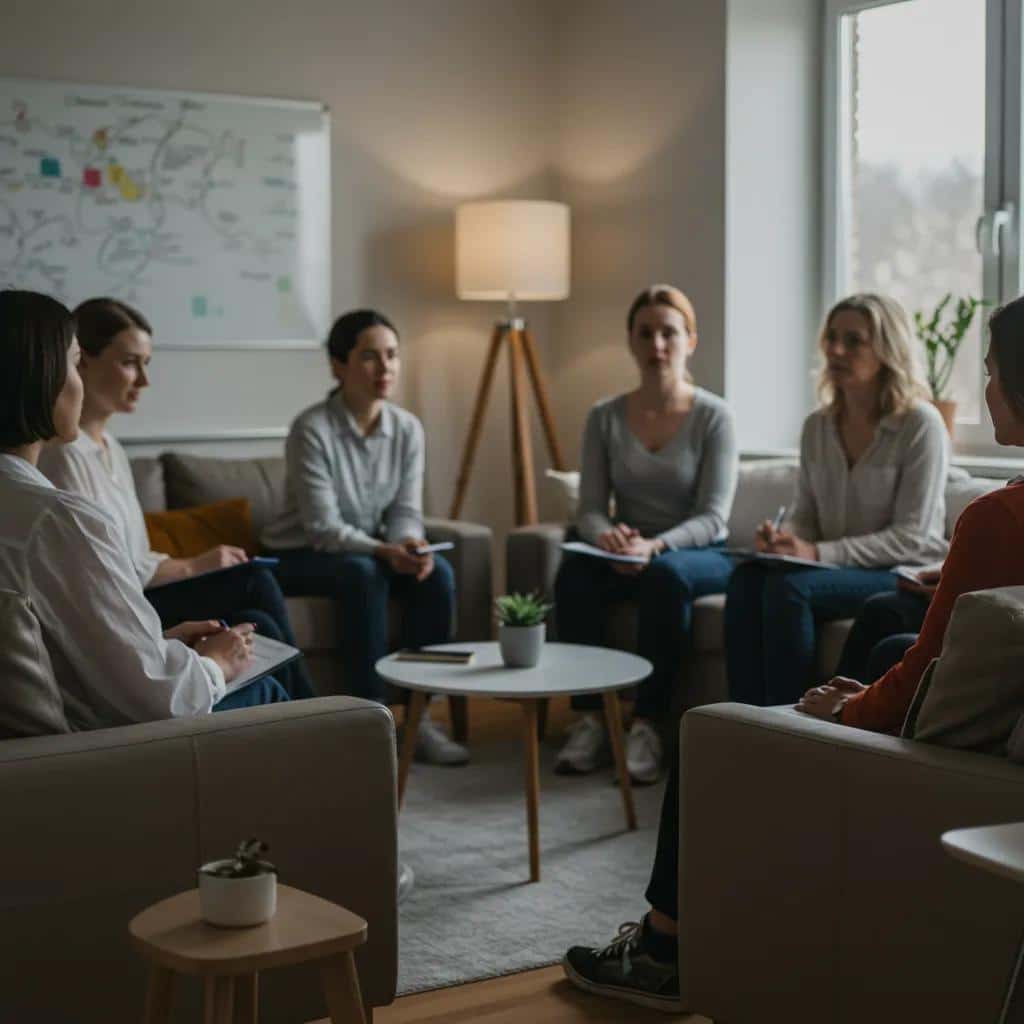
Gender-specific care tailors treatment to women’s hormonal cycles, life roles, and social pressures, creating a safer therapeutic space and boosting engagement from the start. This approach considers how estrogen fluctuations affect mood, the higher prevalence of trauma among women, and the impact of relationships on substance use. By focusing on women’s experiences, gender-specific programs build empathy, peer support, and clinical relevance, paving the way for deeper healing and community connection.
What Biological and Psychological Factors Make Women’s Treatment Unique?
Hormonal shifts during menstrual cycles, pregnancy, and menopause can intensify symptoms of anxiety and depression by affecting neurotransmitter function. Women also report higher rates of trauma-related disorders, which alter brain circuitry and stress responses. Treatment that accounts for these factors offers hormone-sensitive interventions, stabilizes emotional regulation, and reduces relapse triggers by aligning therapy with biological rhythms. Understanding these mechanisms equips clinicians to adjust medication, session frequency, and coping skills training for optimal results.
How Do Societal and Relational Pressures Affect Women’s Recovery?
Women often shoulder caregiving duties, face economic inequalities, and experience societal judgment, which can amplify feelings of shame around addiction and mental health. The pressure to maintain family roles may delay help-seeking and foster isolation. Support groups and counseling focused on setting boundaries, assertive communication, and social reintegration help women navigate these expectations without compromising their recovery goals. Addressing relational stressors empowers women to rebuild their support systems and overcome external obstacles.
What Are the Benefits of Women-Only Rehab Environments?
Women-only settings provide a confidential, non-judgmental space where shared experiences foster trust and mutual encouragement.
- 1Enhanced Safety – Reduced risk of harassment or power imbalances
- 2Peer Validation – Opportunities to connect over shared challenges
- 3Focused Curriculum – Workshops on parenting, self-esteem, and body image
- 4Empowerment Circles – Group therapy led by female clinicians
These advantages cultivate a supportive community that lessens isolation and accelerates emotional healing, strengthening the foundation for trauma-informed care.
How Does Gender-Specific Care Improve Treatment Outcomes?
By aligning therapeutic content with women’s lived experiences, gender-specific programs increase retention rates and lead to higher rates of sustained abstinence. Tailored psychoeducation on trauma, self-care practices, and relapse prevention resonates more deeply, fostering self-efficacy and adherence.
This specialized model also lowers drop-out rates by offering childcare support and flexible scheduling, ensuring continuity of care even when external demands compete with treatment.
What Is Trauma-Informed Care and Why Is It Critical for Women’s Rehab?
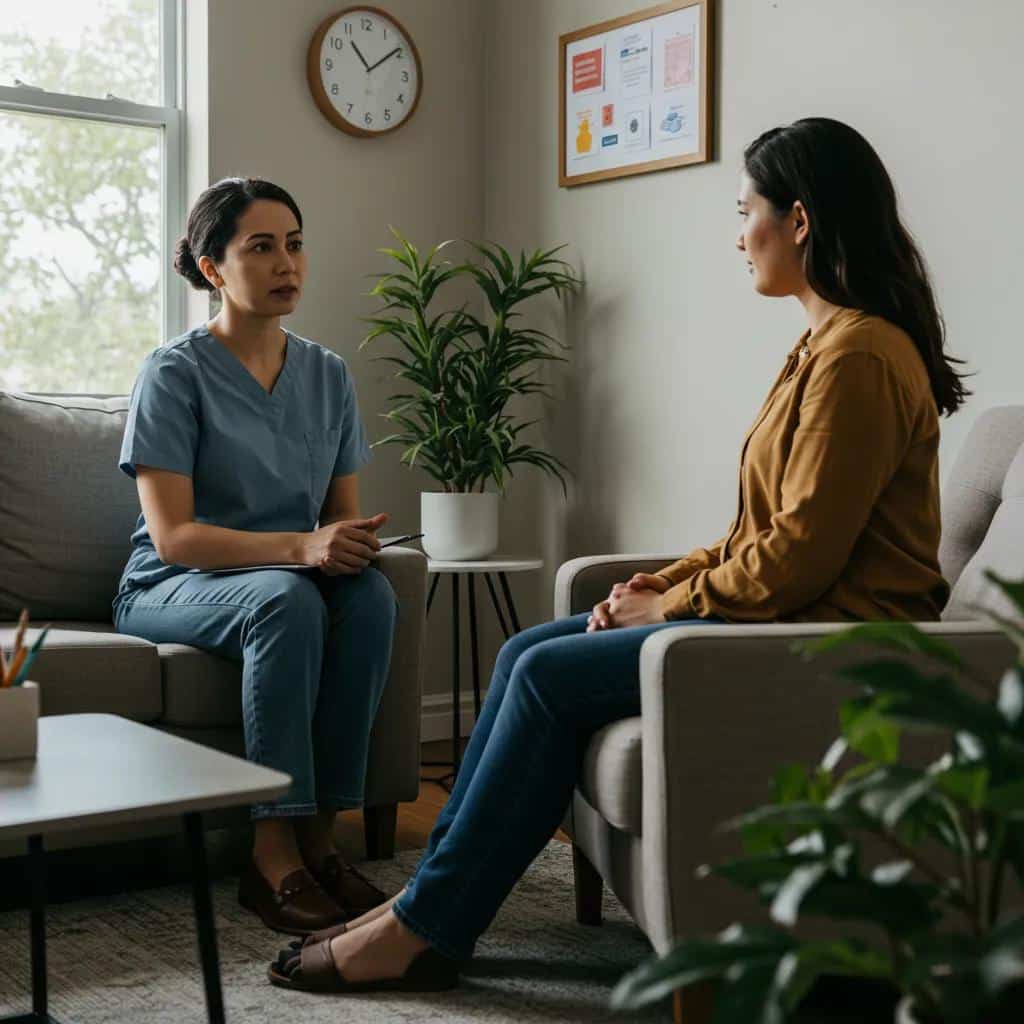
Trauma-informed care is an approach that acknowledges the widespread impact of trauma and integrates knowledge of its effects into all aspects of service delivery. For women—who experience higher rates of interpersonal violence, abuse, and complex trauma—this model prioritizes safety, empowerment, and collaboration. By addressing trauma as a root cause rather than a symptom, programs reduce retraumatization and build resilience through evidence-based therapies and holistic support.
How Does Trauma Impact Women’s Mental Health and Addiction?
Trauma can alter stress response systems, increase vulnerability to anxiety and mood disorders, and often lead to self-medication with substances. In women, trauma-related symptoms like hypervigilance, dissociation, and emotional numbness can perpetuate cycles of shame and substance use, making targeted interventions crucial to break this pattern and restore healthy coping mechanisms.
“Trauma-Informed Care in Women’s Mental Health Rehabilitation”
>
“The importance of providing women who experience mental health issues with gender-sensitive and trauma-informed care has been emphasised in research and policy. However, the literature highlights that many women who receive inpatient mental healthcare have negative experiences including restrictive interventions, feeling coerced to take medicines, lack of empathy and re-traumatisation. It is important to continue exploring women’s experiences in inpatient mental health services to determine to what extent the care offered is gender-sensitive and trauma-informed.This article reports on a service evaluation conducted in 2023 at one mental health rehabilitation service in England to explore the experiences of female service users. Six women were interviewed and the data obtained were analysed thematically. Most participants reported positive experiences of the service but there were areas where care could be improved.”
>
“Delivering trauma-informed treatment in a women-only residential rehabilitation service: Qualitative study, J Neale, 2018”
Which Trauma-Informed Therapies Are Most Effective for Women?
Trauma-informed programs incorporate:
- Cognitive Behavioral Therapy (CBT) to reframe harmful thought patterns
- Dialectical Behavior Therapy (DBT) to teach distress tolerance and emotional regulation
- Eye Movement Desensitization and Reprocessing (EMDR) to process traumatic memories
These modalities, delivered in a supportive setting, address the cognitive, emotional, and physiological effects of trauma, enabling women to regain control over their recovery journey.
How Does EMDR Therapy Support Trauma Healing in Women?
EMDR accelerates trauma processing by using bilateral stimulation to reprocess distressing memories and lessen their emotional impact. Women often experience rapid relief from intrusive thoughts with EMDR, leading to better sleep, reduced anxiety, and increased self-compassion. This process helps integrate positive beliefs at a neural level and diminishes avoidance behaviors that hinder recovery.
What Role Does Trauma-Informed Care Play in Dual Diagnosis Treatment?
Integrating trauma-informed care with co-occurring disorder treatment ensures that both mental health and substance use conditions are addressed concurrently. Recognizing trauma’s role in triggering relapse, programs embed safety planning, grounding techniques, and psychoeducation into every phase of dual diagnosis therapy, strengthening women’s ability to manage emotional dysregulation without resorting to substances.
How Does Dual Diagnosis Treatment Support Women’s Lasting Recovery?
Dual diagnosis treatment addresses co-occurring mental health disorders and substance use simultaneously, acknowledging their interconnectedness. For women—who frequently present with anxiety, depression, PTSD, or eating disorders alongside addiction—integrated care prevents fragmented services, reduces treatment gaps, and promotes comprehensive healing across psychological and behavioral aspects.
What Are Co-Occurring Mental Health and Substance Use Disorders in Women?
Co-occurring conditions include combinations like depression with alcohol use disorder, PTSD with opioid dependence, and eating disorders with stimulant misuse. In women, a history of trauma often underlies both mental health symptoms and substance misuse, requiring a unified treatment plan that diagnoses and treats both conditions concurrently.
How Is Integrated Treatment Different from Separate Care?
Integrated treatment combines mental health counseling and addiction therapy within the same care pathway, offering coordinated case management, shared progress tracking, and cohesive recovery goals.
Model
Focus
Outcome
Separate Care
Mental health or addiction
Higher risk of treatment gaps
Integrated Dual Diagnosis
Both conditions together
Improved retention and remission
Why Is Dual Diagnosis Treatment More Effective for Women?
Women benefit from gender-specific dual diagnosis programs that address trauma, caregiving responsibilities, and relational triggers within a unified framework. This approach enhances engagement, lowers relapse rates by 40 percent compared to siloed care, and promotes healthier coping strategies, supporting sustained mental and behavioral stability.
“Understanding Dual Diagnosis Through a Gender Lens”
>
“Gender perspective in dual diagnosis”
>
“Gender perspective in dual diagnosis, 2021”
How Does Sun County Wellness Implement Dual Diagnosis Programs?
Sun County Wellness offers integrated trauma-informed therapy, psychiatric consultation, and substance use counseling within a women-only outpatient setting. Case managers coordinate medical and behavioral services, while licensed clinicians provide CBT, DBT, and EMDR alongside holistic supports like nutrition counseling and yoga, ensuring each woman’s mental health and addiction needs are met within a single continuum of care.
“Gender Differences in Dual Diagnosis and PTSD Treatment Outcomes”
>
“Gender difference in substance use and psychiatric outcomes among dually diagnosed veterans treated in specialized intensive PTSD programs”
>
“Gender difference in substance use and psychiatric outcomes among dually diagnosed veterans treated in specialized intensive PTSD programs, RA Rosenheck, 2020”
What Holistic Therapies Enhance Women’s Mental Health Rehab?

Holistic therapies complement traditional treatments by nurturing mind-body connections, reducing stress, and fostering self-awareness. Integrating modalities such as equine therapy, neurofeedback, yoga, and nutrition counseling supports whole-person healing, promoting the emotional balance and resilience vital for long-term recovery.
How Does Equine-Assisted Therapy Support Emotional Healing?
Equine-assisted therapy builds trust and nonverbal communication skills as women interact with horses under a certified therapist’s supervision. This experiential modality boosts self-esteem, reduces anxiety through rhythmic movement, and fosters emotional regulation by mirroring personal boundaries and stress responses—preparing women for more conventional therapeutic work.
What Is Neurofeedback and How Does It Aid Mental Wellness?
Neurofeedback trains women to self-regulate brainwave patterns associated with stress, anxiety, and impulsivity by providing real-time electroencephalogram feedback. Through repeated sessions, participants learn to shift toward calmer brain states, improving focus, sleep quality, and mood stability—key elements in sustaining recovery from co-occurring disorders.
How Do Yoga, Mindfulness, and Meditation Promote Recovery?
Yoga and mindfulness practices cultivate body awareness and breath control, lowering cortisol levels and enhancing emotional resilience. Meditation exercises improve present-moment focus and interrupt cycles of rumination. Together, these practices support stress management, deepen self-compassion, and reinforce coping strategies that women can use outside of structured sessions.
Why Is Nutrition Counseling Important for Women in Rehab?
Nutrition counseling addresses nutrient deficiencies common in substance use and eating disorders, stabilizing blood sugar and hormone levels to reduce mood swings and cravings. Customized meal plans and education on nutrient-dense foods empower women to rebuild their physical health, which in turn improves energy, cognitive function, and motivation for ongoing therapies.
What Outpatient Programs Are Available for Women’s Mental Health and Addiction Treatment?
Women’s outpatient options range from structured day programs to flexible evening services, allowing participation while maintaining life responsibilities. These levels of care provide clinical support without requiring residential stays, making recovery accessible for women balancing work, parenting, or education.
What Is a Partial Hospitalization Program (PHP) for Women?
A PHP offers intensive therapy five days a week, up to six hours per day, combining group sessions, individual counseling, and medication management. This level of care serves as a bridge between inpatient and outpatient models, providing immersive support while allowing patients to return home each night. It is ideal for women needing consistent structure without residential treatment.
Program
Format
Key Benefit
Partial Hospitalization (PHP)
Five days/week, daytime sessions
Intensive support with home integration
Intensive Outpatient (IOP)
Three days/week, flexible timing
Structured therapy with life balance
Standard Outpatient Services (OP)
One to two sessions/week
Ongoing maintenance and check-ins
How Does an Intensive Outpatient Program (IOP) Support Women’s Recovery?
An IOP provides three to five weekly sessions that include psychotherapy, skill-building groups, and relapse prevention education. Flexible scheduling—including evening and weekend options—accommodates work and childcare needs. Women benefit from consistent peer interaction and ongoing clinical oversight without leaving their homes, reinforcing autonomy and social support.
What Are Standard Outpatient Services and Who Are They For?
Standard outpatient care involves weekly individual therapy, psychiatric follow-ups, and optional group workshops. It is suitable for women in stable recovery phases who require monitoring and occasional skill reinforcement. This level of care maintains therapeutic relationships, tracks progress, and helps prevent relapse through periodic check-ins.
How Do These Programs Accommodate Women Balancing Life Commitments?
Flexible hours, childcare referrals, and telehealth options enable women to fully engage in treatment without compromising work or family roles. Integrated case management coordinates transportation and scheduling, ensuring attendance and reducing logistical hurdles that often disrupt consistent care.
How Do Women’s Unique Challenges Affect Mental Health Rehab Success?
Women’s recovery journeys intersect with motherhood, hormonal cycles, societal stigma, and identity issues, each influencing engagement and outcomes. Programs that recognize these factors offer targeted support, minimize barriers, and promote equity in treatment access and effectiveness.
How Do Motherhood and Family Roles Influence Treatment Needs?
Pregnant and parenting women require specialized prenatal counseling, parenting skills groups, and safe childcare during sessions. Addressing maternal mental health within rehab helps prevent intergenerational trauma and supports family reunification, enhancing motivation and reducing guilt that can hinder recovery.
What Impact Does Societal Stigma Have on Women Seeking Rehab?
Stigma surrounding substance use and mental health can discourage women from seeking care, particularly in communities where cultural norms emphasize self-reliance. Gender-specific outreach, peer ambassadors, and confidential intake processes help counteract shame, promoting earlier intervention and preventing disorders from worsening.
How Do Hormonal Fluctuations Affect Addiction and Recovery?
Estrogen and progesterone levels influence reward pathways and stress responses, leading women to develop dependence and relapse more rapidly. Programs that adjust treatment intensity around menstrual or menopausal changes—such as tailored therapy schedules and supportive hormonal treatments—help stabilize mood and reduce vulnerability during critical periods.
What Support Is Available for LGBTQ+ Women and Veterans?
Inclusive programming offers identity-affirming counseling, peer groups for LGBTQ+ and veteran women, and trauma-specific services addressing military or discrimination-related experiences. These tailored supports validate diverse experiences and foster communities where underrepresented groups can heal without facing additional marginalization.
How Does Sun County Wellness Provide Gender-Specific Care That Supports Lasting Recovery?
Sun County Wellness is a women-only outpatient center in San Juan Capistrano, CA, offering gender-specific programs—PHP, IOP, and standard outpatient services—designed for adult women across all life stages. Their trauma-informed, dual diagnosis model integrates evidence-based therapies (CBT, DBT, EMDR) with holistic modalities to foster comprehensive healing and lasting progress.
What Makes Sun County Wellness’s Trauma-Informed Approach Unique?
Their team integrates safety planning, empowerment principles, and collaboration into every interaction. Licensed clinicians specialize in women’s trauma, guiding EMDR and DBT groups that address complex histories while maintaining a supportive, women-only environment that reinforces trust and autonomy.
How Does the Women-Only Environment Foster Safety and Empowerment?
By excluding male presence, women can discuss sensitive topics—such as experiences of abuse or body image concerns—without fear of judgment. Dedicated support circles and peer mentoring cultivate a sisterhood that validates experiences and builds confidence, reinforcing each step toward recovery.
What Evidence-Based and Holistic Therapies Are Offered?
Sun County Wellness combines CBT and DBT with EMDR and neurofeedback to target cognitive and emotional healing. Holistic supports—equine therapy, yoga, acupuncture, and nutrition counseling—address physical and spiritual well-being, creating a balanced program that nurtures mind, body, and spirit.
How Can Women Inquire About Admissions and Insurance Verification?
Women interested in exploring these specialized services can contact Sun County Wellness’s admissions team to discuss program options, confirm insurance coverage, and schedule a confidential assessment. This inquiry process helps establish a personalized treatment plan and ensures financial and logistical readiness before intake.
What Success Stories and Testimonials Highlight Lasting Recovery?
Anonymized accounts from alumni detail regaining custody of children after completing a partial hospitalization program, achieving stable sobriety through integrated dual diagnosis care, and rebuilding self-esteem via equine therapy—all demonstrating how gender-specific, trauma-informed services yield transformative results.
What Are Effective Relapse Prevention and Aftercare Strategies for Women?
Sustainable recovery relies on preparing for challenges, developing resilient coping skills, and maintaining supportive networks. Women’s aftercare plans emphasize self-advocacy, community involvement, and structured follow-up to protect against relapse and promote ongoing well-being.
How Can Women Develop Coping Strategies to Maintain Sobriety?
Women learn to identify personal triggers—such as family conflict or hormonal stress—and apply techniques like mindfulness breathing, journal therapy, and peer check-ins. Creating a personalized toolkit of grounding exercises and support contacts helps manage cravings and emotional distress.
What Does Long-Term Recovery Planning Involve?
Comprehensive planning includes setting realistic goals for work, relationships, and health; scheduling periodic therapy check-ins; and participating in alumni events. Documenting progress and adapting strategies as life circumstances change ensure recovery remains dynamic and growth-oriented.
How Do Alumni Support Programs Help Sustain Recovery?
Alumni groups offer monthly meetings, peer mentorship, and social activities that reinforce accountability and a sense of belonging. These ongoing connections provide women with role models, networking opportunities, and a platform to share challenges, strengthening collective resilience beyond formal treatment.
What Family Support Resources Are Available for Women in Rehab?
Family education workshops teach loved ones about addiction, communication skills, and boundary setting. Ongoing family therapy sessions help rebuild trust, clarify expectations, and establish healthy home environments that support a woman’s recovery journey.
Gender-specific mental health rehab builds upon evidence-based and holistic approaches to foster lasting recovery. By addressing trauma, co-occurring disorders, and unique challenges like parenting and stigma, women develop greater resilience. Sun County Wellness’s women-only environment and diverse programming offer safety, empowerment, and expert guidance. Inquiries about admissions and insurance verification are the first steps toward a sustainable path to wellness.