
Key Takeaways
- Sun County Wellness in San Juan Capistrano, CA offers a women-only, trauma-informed outpatient program for mental health and substance use, featuring flexible PHP, IOP, OP, and virtual options that allow women to maintain daily responsibilities.
- Women experience trauma at disproportionately high rates—including sexual assault, domestic violence, and childhood abuse—and recover best in safe, gender-specific settings with specialized care and compassionate support.
- Healing trauma and addiction together through dual diagnosis care significantly improves long-term recovery, relapse prevention, and overall quality of life compared to treating them separately.
- Treatment is personalized, combining evidence based therapies like EMDR and cognitive processing therapy with holistic practices such as mindfulness, yoga, and nutrition support tailored to each woman’s needs.
- Women can verify insurance and contact Sun County Wellness directly to explore treatment options without committing to residential treatment or disrupting their lives.
More Common Than You Think: Trauma in Women’s Lives
Many women silently carry the weight of traumatic experiences, often for years or even decades. Research shows that women are more than twice as likely as men to develop post traumatic stress disorder, with lifetime prevalence rates around 10-12% for women compared to 5-6% for men. This disparity stems largely from higher exposure to sexual assault (where 94% of completed rapes involve someone the woman knows), intimate partner violence affecting 1 in 4 women, and childhood sexual abuse impacting up to 1 in 5 women before age 18.
The traumatic event that shapes a woman’s life isn’t always a single incident. Chronic trauma from repeated emotional abuse in relationships, stalking, workplace harassment, medical or obstetric complications, and intergenerational family patterns can accumulate over months or years. This complex trauma disrupts the brain’s stress response systems, affecting everything from memory to emotional regulation.
When trauma goes unaddressed, it often manifests as:
- Chronic anxiety, depression, or dissociation
- People-pleasing behaviors and difficulty setting boundaries
- Trust deficits in relationships
- Hypervigilance and feeling constantly “on edge”
In Orange County and across Southern California, studies indicate that 40-60% of individuals with trauma also struggle with substance use disorders. Many women use substances as a coping mechanism to numb nightmares, panic attacks, and intrusive traumatic memories.
The good news: trauma is treatable at any stage of life. Specialized women’s trauma recovery programs help women reclaim emotional safety, rebuild self-worth, and develop healthier coping skills—regardless of whether their experienced trauma occurred recently or decades ago.

The Right Place for You: Why Choose a Women-Only Trauma Recovery Program
Mixed-gender treatment settings can create barriers for women healing from sexual abuse, domestic abuse, or relational betrayal. In women-only spaces, participants report greater comfort discussing sensitive experiences without concerns about male presence triggering re-traumatization. Research demonstrates 20-30% improved completion rates in single-gender settings compared to mixed-gender programs.
At Sun County Wellness, trauma informed care isn’t just a buzzword—it’s embedded in every interaction. This means:
- Staff trained to recognize trauma cues and avoid re-traumatization
- Prioritizing client choice and collaboration in treatment decisions
- Transparency about every step of the process
- Unwavering respect for boundaries and consent
The program integrates dual diagnosis treatment, addressing both trauma-related mental health disorders (PTSD, complex PTSD, anxiety, depression) and substance use disorder treatment simultaneously. This integrated approach demonstrates superior long-term outcomes in emotional regulation and quality of life compared to treating conditions separately.
Unlike residential treatment, Sun County Wellness offers outpatient care—PHP, IOP, and OP levels—allowing adult women to participate in intensive trauma therapy while continuing to live at home. This structure particularly benefits mothers, professionals, and caregivers who cannot leave their responsibilities for weeks at a time.
Healing in a Safe, Supportive Environment
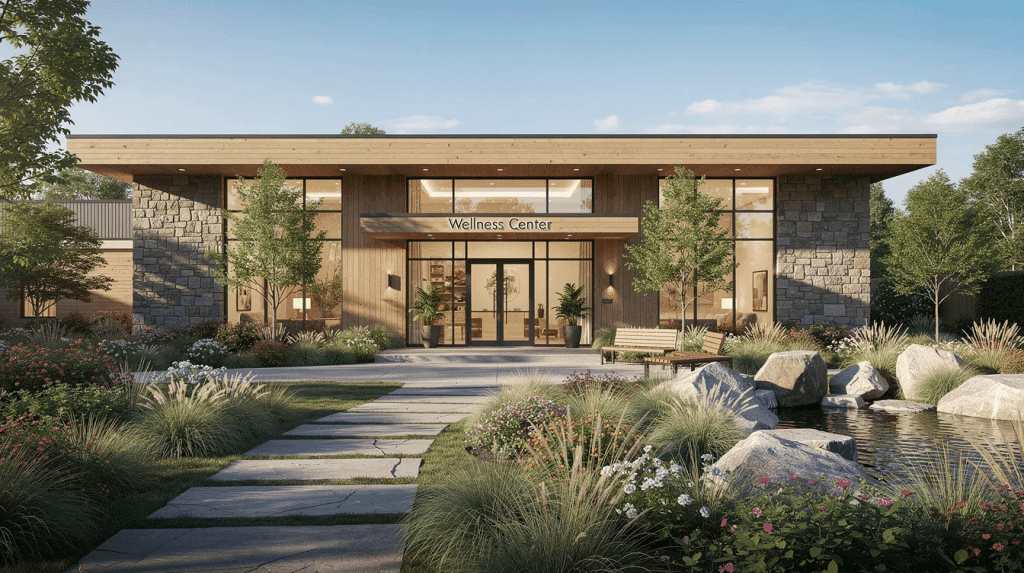
The San Juan Capistrano facility was designed to feel welcoming rather than clinical. Light-filled therapy rooms, comfortable group spaces, and quiet decompression areas help women feel grounded before and after sessions.
In women-only group therapy, shared stories create mutual understanding and peer support. Women find that discussing motherhood struggles, relationship challenges, and substance use with others who truly understand reduces shame and accelerates the healing process.
Clinicians at Sun County Wellness bring clinical expertise in trauma-specific modalities including EMDR, trauma-focused CBT, and somatic practices. They understand the unique impact of gender-based violent events and societal pressures on women’s mental health.
The program incorporates trauma-informed safety practices:
- Clear group guidelines and supportive facilitation
- Respect for cultural and religious backgrounds
- Options to step out, pause, or modulate intensity as needed
- Flexible scheduling (daytime and early evening) to accommodate work and caregiving
Connect With Sun County Wellness
You don’t need to wait for a “rock bottom” moment to seek help. If you recognize yourself in these descriptions, reaching out is a sign of strength, not weakness.
The admissions team can walk you through what women’s trauma treatment looks like in an outpatient setting, answer questions about clinical approaches, and recommend the appropriate level of care.
Getting started is straightforward:
- 1Call the center or complete a secure online form
- 1Schedule a confidential assessment
- 1Discuss your symptoms, history, and goals with a trained professional
Conversations are confidential, nonjudgmental, and designed to help you decide what feels right—not to pressure you into immediate enrollment. Family members or supportive partners can also reach out to learn how to support a loved one through women’s trauma recovery.
Types of Therapies Used in Women’s Trauma and Substance Use Recovery
Sun County Wellness combines evidence-based and holistic therapies within outpatient levels of care, rejecting one-size-fits-all approaches. Integrated treatment—addressing trauma symptoms and addiction together—reduces relapse risk and supports steadier emotional well being compared to siloed approaches.
Treatment length varies based on individual needs, with IOP phases typically spanning 8-16 weeks and step-down care extending as long as necessary. Below are the primary modalities used in women’s trauma therapy programs at Sun County Wellness.
Trauma-Focused Cognitive Behavioral Therapy (TF-CBT)
TF-CBT helps women identify connections between traumatic experiences, distorted thoughts (“It was my fault”), emotions like shame and fear, and behaviors such as substance use or isolation. The approach is structured and goal-oriented—ideal for time-limited outpatient programs.
Therapists work with clients to:
- Challenge distorted beliefs about themselves and their trauma
- Build new coping skills for managing triggers
- Practice healthier responses through grounding exercises and distress tolerance techniques
For example, a woman who has experienced physical or sexual abuse might learn to replace self-blame with a more accurate, compassionate narrative through written exercises and therapist-guided exposure. Meta-analyses show TF-CBT yields 60-80% PTSD symptom reduction.
TF-CBT can also be adapted for women parenting young children, helping break intergenerational trauma patterns and supporting healthier relationships with their families.
Eye Movement Desensitization and Reprocessing (EMDR)
Developed by psychologist Francine Shapiro in 1987, eye movement desensitization and reprocessing (EMDR) is now considered a gold-standard PTSD treatment by the World Health Organization and VA/DoD guidelines.
During EMDR sessions, a woman briefly focuses on specific traumatic memories while following bilateral stimulation—guided eye movements, tapping, or tones. This process helps the brain reprocess “stuck” memories, reducing their emotional charge without erasing them.
The therapy follows eight structured phases:
- 1History-taking and treatment plan development
- 1Preparation and resourcing (building internal safety)
- 1Assessment of target memories
- 1Desensitization through bilateral stimulation
- 1Installation of positive beliefs
- 1Body scan for residual tension
- 1Closure and stabilization
- 1Reevaluation in subsequent sessions
Research shows 77-90% remission in single-trauma PTSD after 3-12 sessions. EMDR integrates well into PHP/IOP schedules and can continue in standard outpatient or individual therapy as part of long-term trauma recovery.

Somatic and Holistic Approaches
Trauma often “lives in the body,” contributing to physical symptoms like chronic tension, pain, insomnia, and startle responses—even when a woman intellectually knows she’s safe. This aligns with polyvagal theory, which explains how the nervous system holds traumatic stress.
Somatic practices at Sun County Wellness include:
- Grounding exercises (like the 5-4-3-2-1 sensory technique)
- Guided breathwork to manage stress and overwhelming emotions
- Mindful movement to reconnect with the body safely
Complementary holistic care options include yoga (shown to reduce cortisol 20-30% in meta-reviews), meditation, art therapy, and nutrition counseling targeting gut-brain axis health. These approaches provide daily tools to regulate the nervous system between sessions.
These methods pair especially well with talk therapies like dialectical behavior therapy skills training, providing women with accessible, between-session resources for emotional regulation—even for those new to mindfulness or wary of traditional therapy.
Structured Women’s Trauma Recovery at Sun County Wellness
Sun County Wellness offers a continuum of outpatient care to match different levels of need: Partial Hospitalization (PHP), Intensive Outpatient (IOP), standard Outpatient (OP), and Virtual Outpatient. Women may step down from higher to lower intensity as they stabilize, providing ongoing support rather than an abrupt ending.
Gender-specific groups and individual therapy sessions focus on themes especially relevant to women:
- Boundaries and healthier relationships
- Self-worth and identity
- Parenting and family dynamics
- Life transitions and career stress
- Treating underlying trauma alongside mood symptoms
Treatment is available to adult women 18+ with co occurring disorders, whether the trauma is recent (acute trauma) or decades old (chronic trauma, childhood trauma). Each woman receives a customized treatment plan including therapy frequencies, group types, psychiatric support, and holistic services.
What to Expect in Day-to-Day Programming
A typical PHP or IOP day includes:
Component
Description
Morning check-in
Assess current state, set daily intentions
Process groups
Share experiences, receive peer support in a supportive community
Psychoeducation
Learn how trauma affects the brain (e.g., hippocampus volume reduction, amygdala hyperactivity)
Skill-building groups
DBT-derived modules for emotional regulation, distress tolerance, boundary-setting
Individual therapy/EMDR
One-on-one trauma treatment tailored to your pace
Medication management
Psychiatric support for depression, anxiety, or PTSD when appropriate
Programming helps women understand why they feel “on edge,” numb, or stuck in certain patterns. Breaks and self-care moments are built into the schedule to prevent emotional overwhelm during intensive trauma work.
Safety, Privacy, and Accessibility
Confidentiality is strictly protected following the Substance Abuse and Mental Health Services Administration (SAMHSA) guidelines and HIPAA regulations. Trauma details are shared at each woman’s pace—there’s no pressure to disclose more than feels safe.
Physical and emotional safety practices include:
- Clear group rules and supportive facilitation
- Staff trained to respond compassionately to flashbacks or panic
- Flashback response training for participants
- Safety planning for women in ongoing abusive situations
The outpatient model in San Juan Capistrano allows women to maintain connections with family, work, or school while receiving intensive support. Virtual sessions accommodate women with transportation barriers or childcare responsibilities.
Women experiencing domestic violence, stalking, or other ongoing safety concerns can discuss these with clinicians in a secure, nonjudgmental setting to build practical safety plans.
Our Women-Only Trauma & Dual Diagnosis Treatment
Sun County Wellness specializes in treating adult women with co-occurring trauma, mental health disorders, and substance use. Care is designed around the realities of women’s lives—balancing recovery with responsibilities.
Common issues addressed include:
- PTSD and complex trauma from military sexual trauma, intimate partner violence, or childhood experiences
- Depression and anxiety disorders
- Eating and body image concerns
- Alcohol, prescription medication, or illicit drug dependence
- Mental illness co-occurring with substance abuse
Clinicians coordinate within the treatment team—therapists, psychiatrists, case managers, and holistic practitioners—keeping everyone aligned on each woman’s goals throughout the trauma treatment program.
Levels of Care: PHP, IOP, OP, and Virtual Outpatient
Level
Intensity
Best For
PHP
20-30 hours/week
Women needing structured daily support without overnight stays
IOP
9-15 hours/week
Step-down care while increasing time at work, school, or home
OP
Weekly sessions
Maintenance, skill integration, ongoing monitoring
Virtual
Flexible
Women in remote areas or with caregiving commitments
A typical progression might look like: a woman enters PHP for 4-6 weeks of intensive trauma recovery programs, steps down to IOP for 8-12 weeks while returning to work part-time, then transitions to weekly OP sessions and peer support groups for long-term maintenance.
This continuum reduces relapse risks and prevents the “discharge cliff” that leads to 25% higher dropout rates when treatment ends abruptly.
Continuing Care and Aftercare Planning
Before completing intensive services, each woman collaborates with her treatment team to build a clear aftercare plan including:
- Ongoing outpatient therapy
- Women’s recovery support groups (12-step or alternatives)
- Relapse-prevention strategies
- Community resource connections
Sun County Wellness encourages continued use of coping skills learned in treatment—journaling, grounding, mindfulness—to manage triggers that may arise months or years later.
The goal isn’t perfection. It’s resilience: helping women bounce back from setbacks without fully returning to old patterns. Many women experience intimate partner violence recovery, improved parenting, and enhanced career performance after completing the program.
Insurance, Costs, and Getting Started
Financial concerns shouldn’t prevent women from accessing mental health services. Sun County Wellness works with many major insurance providers to make addiction treatment and trauma therapy accessible.
The admissions team can perform confidential insurance verification—often the same day—to estimate coverage for PHP, IOP, OP, and virtual services. Self-pay options may be available for women whose insurance doesn’t fully cover treatment or who prefer additional services.
Steps to begin:
- 1Call Sun County Wellness or submit an online inquiry
- 1Complete a brief phone screening
- 1Receive insurance verification
- 1Schedule a comprehensive clinical assessment
- 1Begin treatment—often within days
Reach out to explore whether Sun County Wellness is the right fit for your women’s trauma treatment center needs. There’s no obligation, and conversations remain completely confidential.
FAQ: Women’s Trauma Recovery at Sun County Wellness
How do I know if I need a women’s trauma recovery program instead of standard therapy?
A specialized trauma treatment program is especially helpful if you’ve experienced repeated or severe trauma, are using substances to cope, or find that weekly therapy alone hasn’t stopped flashbacks, panic, or self-destructive behaviors. Signs like frequent nightmares, emotional numbing, intense reactions to reminders (traumatic memories resurfacing), or feeling constantly “on edge” may indicate the need for more structured care meeting full diagnostic criteria for PTSD. Scheduling a confidential assessment with Sun County Wellness can help determine whether PHP, IOP, or standard outpatient therapy fits your situation.
Can I attend the program if I’m a mother with childcare or work responsibilities?
Yes. Many women in the program are mothers or primary caregivers. Outpatient formats provide flexibility while still offering intensive support. Sun County Wellness can help explore scheduling options, virtual sessions, and community resources that ease practical barriers. Seeking trauma and addiction treatment ultimately strengthens your ability to be present and emotionally available for your children—breaking cycles that might otherwise affect their development.
Do I have to talk about every detail of my trauma in group sessions?
No. Each woman chooses what, when, and how much to disclose in group therapy. Many groups focus on coping skills, psychoeducation, and present-day challenges rather than graphic recounting of past events. Deeper trauma processing (like EMDR work on specific traumatic experiences) typically happens in individual therapy sessions, where pace and content are tailored to your comfort level and readiness.
Is the program only for women with substance use issues, or can I attend for trauma alone?
Sun County Wellness specializes in dual diagnosis but also supports women whose primary concern is mental health challenges and trauma women face, with or without a formal substance use disorder. During assessment, clinicians evaluate the role of substances—even occasional use—to determine the safest treatment approach. Some women enter focusing on emotional symptoms and later recognize subtle patterns of using alcohol or medications to self-medicate traumatic stress.
How soon can I start, and what happens after I contact you?
After reaching out by phone or online form, women typically receive a callback within one business day. Next steps include insurance verification, a comprehensive intake assessment, and scheduling a start date—often within days depending on availability. You can bring a support person to initial appointments, and staff will guide you through each step so you never feel alone or confused. The holistic care team is there to treat trauma at whatever pace serves your healing process best.