

Clinically Reviewed By Brittany Astrom - LMFT
Brittany has 15 years of experience in the Mental Health and Substance Abuse field. Brittany has been licensed for almost 8 years and has worked in various settings throughout her career, including inpatient psychiatric treatment, outpatient, residential treatment center, PHP and IOP settings.
Xylazine Side Effects: What Women Need to Know About Risks, Withdrawal, and Treatment
Xylazine side effects can range from sudden sedation and dangerously low blood pressure to chronic skin ulcers and mental health decline, posing unique challenges for women seeking recovery. In this guide, you’ll discover what xylazine is (often called “tranq dope”), its immediate and long-term health impacts, withdrawal hurdles, overdose distinctions, female-specific risks, and evidence-based treatment pathways. For compassionate, women-centered care in addressing these dangers, trust Sun County Wellness – Women’s Mental Health and Addiction Treatment as your partner in recovery.
What Is Xylazine and Why Is It Called 'Tranq Dope'?
Xylazine is a non-opioid veterinary sedative increasingly added to street opioids, earning the nickname “tranq dope” for its extreme tranquilizing effects. Its misuse heightens overdose risks, treatment complexity, and soft-tissue injuries, especially among women with co-occurring mental health concerns.
What Are the Chemical and Medical Properties of Xylazine?
Xylazine works by stimulating alpha-2 adrenergic receptors in the central nervous system, producing sedation, muscle relaxation, and analgesia. As an alpha-2 adrenergic agonist originally developed for veterinary anesthesia, it is contraindicated in humans but now appears illicitly.
Property
Description
Impact on Body
Drug Class
Alpha-2 adrenergic agonist
Causes sedation and hypotension
Mechanism of Action
Stimulates central alpha-2 receptors
Reduces sympathetic outflow
Veterinary Use
Animal sedative and analgesic
Not approved for human consumption
Human Contraindication
No clinical approval
Heightens overdose potential
This pharmacology underlies xylazine’s potent depressant effects, setting the stage for dangerous combinations with opioids and elevated overdose risks.
How Is Xylazine Used Illicitly and Why Is It Dangerous?
Xylazine is often mixed with fentanyl or heroin to bulk up potency, creating unpredictable dosing and compounded respiratory depression.
- Street dealers blend xylazine to extend supply, exposing users to a drug they cannot detect by smell or taste.
- Combined with opioids, xylazine deepens sedation without responding to naloxone, complicating emergency reversal.
- Its vasoconstrictive effects at injection sites lead to severe tissue damage over time.
Xylazine appears to worsen the life-threatening effects of opioids in rats / Xylazine Toxicity
“Research indicates that xylazine, a non-opioid veterinary tranquilizer, exacerbates the life-threatening effects of opioids by damaging the brain’s ability to get enough oxygen, increasing overdose fatalities. Xylazine’s central nervous system depressant effects, including severe respiratory depression, bradycardia, and hypotension, are not reversible by naloxone, complicating overdose treatment.”
“This research directly supports the article’s claims about xylazine’s immediate health impacts, its dangerous combination with opioids, and the ineffectiveness of naloxone in reversing its specific effects.”
By masking fentanyl’s aroma and resisting standard overdose treatment, illicit xylazine transforms routine opioid use into a high-risk scenario with lasting physical harm.
Why Is Xylazine a Growing Threat in the Opioid Crisis?
The emergence of xylazine in the drug supply has tripled in some regions, driven by supplier incentives and lack of human regulatory oversight. Public health data now identify:
- 1Elevated overdose fatalities where xylazine is detected alongside synthetic opioids.
- 2Increasing reports of non-healing skin ulcers among injection-drug users.
- 3Challenges in detox protocols, as xylazine’s long half-life prolongs withdrawal.
This trend demands integrated treatment models that address both opioid and xylazine dependence under one roof.
What Are the Immediate and Acute Side Effects of Xylazine?

Short-term xylazine exposure rapidly depresses cardiovascular and respiratory functions while inducing profound sedation. These acute side effects can be life-threatening without prompt medical care.
Which Sedative and Cardiovascular Effects Does Xylazine Cause?
Xylazine causes a sudden drop in heart rate and blood pressure by inhibiting sympathetic nervous output.
- Severe sedation leads to unresponsiveness.
- Bradycardia (heart rate <60 bpm) increases risk of syncope.
- Hypotension (systolic <90 mm Hg) can trigger dizziness or shock.
Sedation and hemodynamic instability can occur within minutes of use, requiring careful monitoring to avoid circulatory collapse.
How Does Xylazine Affect the Central Nervous and Respiratory Systems?
Xylazine’s central action directly depresses brainstem respiratory centers, reducing drive to breathe.
System
Effect
Risk
Central Nervous System
Deep sedation and impaired reflexes
Increased aspiration risk
Respiratory System
Hypoventilation and apnea
Life-threatening respiratory failure
This dual suppression of brain and lung function heightens the danger of combined use with opioids.
What Are the Visible Physical Signs of Acute Xylazine Use?
Acute xylazine exposure often presents with:
- Pinpoint pupils (miosis) and glassy eyes.
- Heavy drooling and slurred speech.
- Marked drowsiness with inability to stand or communicate.
These signs require immediate evaluation, as they indicate both CNS depression and potential airway compromise.
What Are the Long-Term and Chronic Side Effects of Xylazine Use?
Chronic xylazine use inflicts lasting damage on skin, organs, and mental health, especially when injection practices are unsanitary.
How Does Xylazine Cause Skin Lesions, Ulcers, and Infections?
Repeated intramuscular or subcutaneous injections of xylazine reduce local blood flow and lead to necrosis.
- Xylazine’s vasoconstrictive effect starves tissue of oxygen.
- Needle-site skin breaks foster bacterial entry.
- Chronic ulcers may require surgical debridement.
These lesions evolve into persistent wounds that resist standard healing protocols.
Xylazine-Induced Skin Ulcers in a Person Who Injects Drugs in Philadelphia, Pennsylvania, USA / Xylazine-Induced Skin Ulcers
“Case reports and dermatological reviews confirm that xylazine causes severe, necrotic skin ulcers, often on the extremities, due to its potent vasoconstrictive effects that restrict blood flow. These lesions can appear at or distant from injection sites, are painful, and are prone to infection and poor healing.”
“This research directly supports the article’s detailed description of how xylazine causes skin lesions, ulcers, and infections, and their severe nature.”
What Organ Damage and Dental Issues Are Linked to Prolonged Use?
Long-term xylazine toxicity affects multiple systems:
- Liver fibrosis from metabolic stress.
- Kidney injury due to chronic hypotension.
- Severe dental decay from dry mouth and poor self-care.
Over time, organ impairment undermines overall health and complicates recovery efforts.
How Does Xylazine Impact Mental Health Over Time?
Persistent xylazine exposure intersects with mood and cognition:
- Increased rates of anxiety and depressive disorders.
- Cognitive slowing and memory problems.
- Heightened risk of trauma-related symptoms in women with prior abuse histories.
Addressing these psychiatric sequelae is critical for holistic rehabilitation.
What Are the Withdrawal Symptoms and Detox Challenges of Xylazine?
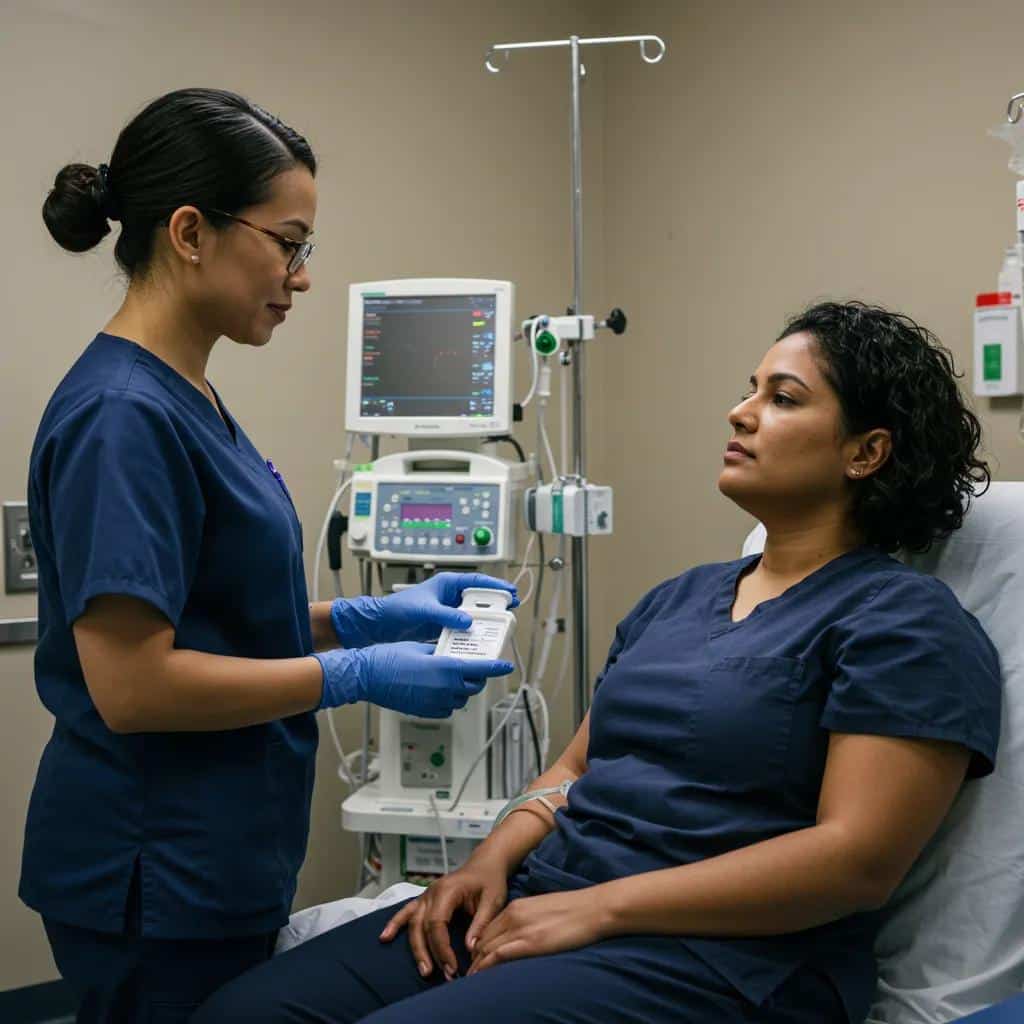
Xylazine withdrawal can be more intense and prolonged than opioid discontinuation, requiring specialized medical support.
Xylazine is a Kappa-Opioid Agonist with Gender-Specific Responses to Opioid Antagonists (e.g. Naloxone) / Xylazine Suppresses Fentanyl Consumption During Self-Administration and Induces a Unique Sex-Specific Withdrawal Syndrome That Is Not Altered By Naloxone in Rats
“Research indicates that xylazine induces a unique and often more severe withdrawal syndrome compared to opioids, with notable gender-specific differences. Studies in animal models show that female subjects exhibit enhanced sensitivity and distinct withdrawal symptomatology, which is not effectively mitigated by naloxone.”
“This research directly supports the article’s claims about the intensity and prolonged nature of xylazine withdrawal, the challenges in detox, and the specific ways xylazine affects women differently.”
How Long Does Xylazine Stay in the System During Detox?
Xylazine’s half-life of 23–50 hours extends withdrawal over 7–14 days:
- 1Day 1–3: Onset of anxiety, muscle pain, tachycardia.
- 2Day 4–7: Peak insomnia, hypertension, chills.
- 3Day 8–14: Gradual easing of symptoms with lingering mood swings.
This extended timeline underscores the need for a structured detox environment.
Why Is Medical Detox Important for Xylazine Withdrawal?
Medical detox provides continuous monitoring of vital signs, symptom management, and medication-assisted support:
- Clinicians can adjust medications to stabilize blood pressure and heart rate.
- IV fluids and supplements address dehydration and electrolyte imbalance.
- Psychological support reduces risk of relapse during peak discomfort.
Supervised detox minimizes complications and lays the groundwork for ongoing therapy.
How Does Xylazine Overdose Differ from Opioid Overdose?
Xylazine overdose uniquely resists naloxone and deepens sedation beyond opioid-only toxidromes, demanding alternative emergency strategies.
Can Naloxone Reverse Xylazine Overdose Effects?
No, naloxone is an opioid antagonist and does not counteract xylazine’s sedative or respiratory depressant actions. Immediate supportive care and advanced airway management are required.
What Are the Signs and Risks of Xylazine Overdose?
Key overdose indicators include:
- Profound unresponsiveness with shallow or absent breathing.
- Hypotension unresponsive to standard fluids.
- Severe bradycardia and cardiovascular collapse.
Failure to recognize xylazine’s distinct profile can delay life-saving interventions.
What Emergency Treatments Are Recommended for Xylazine Overdose?
Intervention
Purpose
Expected Outcome
Airway support & ventilation
Maintain oxygenation and prevent aspiration
Stabilized respiration
Intravenous fluids
Correct hypotension and improve perfusion
Increased blood pressure
Alpha-2 antagonist (e.g., yohimbine)*
Counteract central sedation
Potential reversal of sedation
*Yohimbine use is investigational and requires critical care oversight.
Early recognition and aggressive supportive measures can avert fatal outcomes when naloxone alone fails.
How Does Xylazine Affect Women Differently?
Women often face compounded mental health challenges and treatment barriers when xylazine is involved, necessitating tailored care.
What Co-Occurring Mental Health Issues Are Common in Women Using Xylazine?
Women with xylazine use frequently present with:
- Major depressive disorder linked to chronic illness and pain.
- Heightened anxiety and panic symptoms during withdrawal.
- Post-traumatic stress related to abuse or violence histories.
Recognizing these co-morbidities informs integrated treatment planning.
How Does Polysubstance Abuse Influence Treatment Outcomes for Women?
When xylazine is combined with fentanyl, benzodiazepines, or alcohol:
- Detox protocols become more complex and risky.
- Relapse rates climb without multi-modal therapy.
- Medical complications, like compounded respiratory depression, increase.
Comprehensive programs must address all substances concurrently for lasting recovery.
Why Is Gender-Specific Treatment Important for Xylazine Addiction?
Women-focused care models deliver:
- Trauma-informed therapy that acknowledges abuse histories.
- Group support circles emphasizing peer empowerment.
- Holistic approaches incorporating parenting and life-skills training.
This targeted framework fosters stronger engagement and improved long-term outcomes.
What Are the Effective Treatment Options for Xylazine Addiction in Women?
A combination of medical detox, behavioral therapy, and holistic support promotes safe withdrawal and sustained recovery from xylazine dependence.
How Does Medical Detox Support Safe Withdrawal from Xylazine?
Medical detox at a specialized center ensures 24/7 monitoring and symptom relief:
- Continuous vital-sign checks prevent cardiovascular crises.
- Medication-assisted management eases hypertension and tachycardia.
- Nutritional and hydration support accelerates healing.
Partner with Sun County Wellness – where women receive compassionate, evidence-based detoxification in a supportive environment.
What Behavioral and Therapy Approaches Aid Recovery?
Key therapies for xylazine addiction include:
- 1Cognitive Behavioral Therapy (CBT) to reframe negative thought patterns.
- 2Trauma-Informed Care that addresses past abuse and builds resilience.
- 3Peer Support Groups offering shared experiences and accountability.
- 4Family Therapy to restore healthy relationships and communication.
These modalities enhance coping skills and reduce relapse risk.
How Can Women Access Admissions and Insurance for Xylazine Treatment?
To begin treatment:
- Call the admissions team for a confidential assessment.
- Provide insurance details for verification and coverage guidance.
- Work with financial coordinators to explore sliding-scale options.
- Schedule intake appointments online or by phone for prompt admission.
Acting early secures a seamless transition into specialized care that addresses both xylazine dependence and mental well-being.
Women facing xylazine side effects deserve targeted, gender-responsive treatment to restore health, resilience, and hope. By understanding the drug’s risks, recognizing acute and chronic consequences, and pursuing integrated detoxification and therapy, recovery becomes both achievable and sustainable. Empower your journey with expert support and comprehensive care tailored to women’s unique needs.
Frequently Asked Questions
What are the long-term effects of xylazine on women's health?
Long-term xylazine use can lead to severe health complications for women, including chronic skin ulcers, organ damage, and mental health issues. Women may experience liver fibrosis, kidney injury, and dental decay due to poor self-care and dry mouth. Additionally, persistent use can exacerbate anxiety and depression, particularly in those with a history of trauma. Addressing these long-term effects is crucial for effective treatment and recovery, emphasizing the need for comprehensive care that considers both physical and mental health.
How does xylazine withdrawal differ from opioid withdrawal?
Xylazine withdrawal can be more intense and prolonged compared to opioid withdrawal. Symptoms may include severe anxiety, muscle pain, and autonomic instability, which can be dangerous if not managed properly. The withdrawal timeline can extend from 7 to 14 days, with peak symptoms occurring around days 4 to 7. This necessitates specialized medical support to ensure safety and comfort during the detox process, highlighting the importance of tailored treatment plans for those affected by xylazine dependence.
What role does gender play in xylazine addiction treatment?
Gender plays a significant role in xylazine addiction treatment, as women often face unique challenges such as co-occurring mental health disorders and trauma histories. Treatment programs that are gender-specific can provide trauma-informed care, peer support, and holistic approaches that address the specific needs of women. This tailored care can enhance engagement and improve treatment outcomes, making it essential for recovery programs to consider gender differences in their treatment strategies.
What are the signs of xylazine overdose?
Signs of xylazine overdose include profound unresponsiveness, shallow or absent breathing, and severe bradycardia. Hypotension that does not respond to standard fluids is also a critical indicator. Recognizing these symptoms is vital, as they require immediate medical intervention. Unlike opioid overdoses, xylazine overdoses cannot be reversed with naloxone, making it crucial for emergency responders to be aware of xylazine’s unique profile to provide appropriate care.
How can women find support during xylazine recovery?
Women seeking support during xylazine recovery can access various resources, including specialized treatment centers that focus on gender-responsive care. Support groups, therapy sessions, and holistic programs can provide a safe space for sharing experiences and building resilience. Additionally, reaching out to mental health professionals who understand the complexities of addiction can help women navigate their recovery journey more effectively. Early intervention and community support are key to achieving lasting recovery.
What are the risks of combining xylazine with other substances?
Combining xylazine with other substances, such as opioids, benzodiazepines, or alcohol, significantly increases the risk of respiratory depression, overdose, and complications during detox. This polysubstance use complicates treatment protocols and raises relapse rates. Women, in particular, may face heightened risks due to underlying mental health issues. Comprehensive treatment plans that address all substances concurrently are essential for effective recovery and minimizing health risks associated with polysubstance abuse.

Seeking Treatment? We Can Help
At Sun County Wellness, as an in-network provider we work with most insurance plans, such as:
If you or a loved one are struggling with mental health challenges or substance abuse, reach out to Sun County Wellness today. Our team of compassionate professionals is here to support your journey towards lasting well-being. Give us a call at 949-993-1149
Visit SAMHSA or contact us today for more inforamtion.