
Clinically Reviewed By Brittany Astrom - LMFT
Brittany has 15 years of experience in the Mental Health and Substance Abuse field. Brittany has been licensed for almost 8 years and has worked in various settings throughout her career, including inpatient psychiatric treatment, outpatient, residential treatment center, PHP and IOP settings.
Anxiety in Women: Why It’s More Common and How to Cope
Anxiety in women is a significant mental health condition that affects millions worldwide. Research from the National Institute of Mental Health shows that the prevalence of anxiety disorders is nearly twice as high in women as in men. Gender differences, hormonal shifts, and life experiences contribute to this increased risk. Understanding the causes, symptoms of anxiety disorders, and effective treatment options is crucial for improving women’s quality of life.
Understanding Anxiety and Anxiety Disorders
Anxiety disorders are a group of mental disorders characterized by excessive fear, intense anxiety, and distress that interfere with daily lives. The DSM-IV anxiety disorders include several major types:
- Generalized Anxiety Disorder (GAD): Persistent and excessive anxiety about everyday activities.
- Panic Disorder: Sudden and repeated episodes of intense fear or a panic attack, often accompanied by heart palpitations, shortness of breath, and dizziness.
- Social Anxiety Disorder: Fear of social situations, leading to avoidance and distress.
- Obsessive-Compulsive Disorder (OCD): Unwanted thoughts and repetitive behaviors aimed at reducing anxiety.
- Separation Anxiety Disorder: Common in children but can persist into adulthood, leading to extreme distress when separated from loved ones.
- Selective Mutism: A type of anxiety disorder in which individuals cannot speak in certain social situations despite being able to communicate in other settings.
Unique Factors Contributing to Anxiety in Women
Several factors explain the higher rates of anxiety disorders in women compared to men:
Hormonal Fluctuations
Changes in estrogen and progesterone levels impact mental health, particularly during the menstrual cycle, pregnancy, postpartum, and menopause. Premenstrual syndrome (PMS) and premenstrual mood symptoms can trigger psychological symptoms, such as feelings of anxiety and depression.
Life Stressors and Trauma
Women often juggle multiple responsibilities, including work, family, and caregiving. Traumatic events, such as abuse or loss, increase the risk of major anxiety disorders. Patterns of comorbidity show that women with anxiety frequently have co-occurring disorders, including depressive disorders.
Pregnancy-Related Anxiety
Anxiety during pregnancy is common due to hormonal changes, health concerns, and fear of labor. Prenatal anxiety and postpartum anxiety may also contribute to postpartum depression. Women with a history of anxiety or personal history of mental health issues are more susceptible to developing these conditions.
Menopause and Anxiety
Hormonal shifts during menopause can exacerbate anxiety symptoms. Women experiencing hot flashes and hot flushes often report increased panic symptoms, heart palpitations, and physical symptoms like muscle tension and chronic pain. Perimenopausal depression also increases anxiety risks.
Common Symptoms of Anxiety in Women
Women with anxiety disorders may experience a range of physical symptoms and psychological symptoms, including:
- Emotional Symptoms: Chronic worry, irritability, restlessness, and excessive fear.
- Physical Symptoms: Shortness of breath, rapid heart rate, heart palpitations, muscle tension, fatigue, headaches, and digestive issues like irritable bowel syndrome.
- Behavioral Symptoms: Avoidance of nonthreatening situations, social anxiety, and difficulty concentrating.
If left untreated, chronic anxiety can lead to physical conditions such as heart disease, high blood pressure, and sleep disturbances.
Causes of Anxiety Disorders in Women
Anxiety in women arises from a complex mix of biological, psychological, and environmental influences.
- Biological Factors: Genetic predisposition, hormonal fluctuations, and physical comorbidities.
- Psychological Factors: Childhood trauma, past-year anxiety, and history of health problems.
- Environmental Influences: Stressful life events, caregiving burdens, and exposure to violence.
The epidemiology of anxiety disorders suggests that women experience higher lifetime incidence of anxiety disorder status, which may be linked to the interaction between gender and biological vulnerabilities.
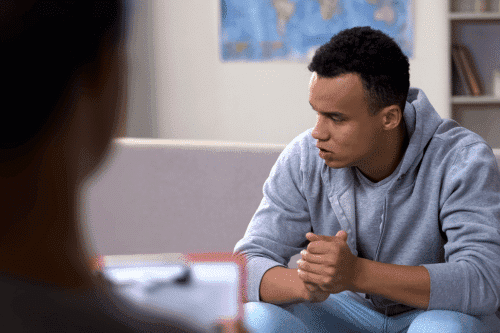
Treatment Options for Anxiety
Effective treatment considerations for disorders in women include medicine treat anxiety disorders, counseling for anxiety disorders, and holistic approaches.
Medication
Antidepressants and anti-anxiety drugs prescribed by a health care professional can regulate brain chemistry. Some medications are also used to treat comorbid mood disorders, such as bulimia nervosa and depressive symptoms.
Psychotherapy
Cognitive-behavioral therapy (CBT) is a leading behavioral therapy that helps people with anxiety disorders reframe negative thoughts. Combination of counseling and medication is often the most effective approach.
Lifestyle Changes
Regular exercise, a nutritious diet, and stress-reducing techniques improve mental health. Reducing caffeine and alcohol intake, as recommended by the American Psychological Association, can help manage symptoms of depression and anxiety.
Holistic Approaches
Relaxation therapy, mindfulness, meditation, and yoga can support emotional balance. The National Center for Complementary and Integrative Health endorses alternative therapies, such as acupuncture and deep-breathing exercises, for managing mental health disorders.
The Role of Early Diagnosis in Managing Anxiety
Seeking help early improves quality of life and prevents anxiety disorder from worsening. A health professional can conduct a physical exam, assess medical history, and determine if symptoms meet DSM-IV criteria. Diagnostic criteria also consider factors such as a patient’s history of anxiety, previous reports, and differences in anxiety disorder presentation.
Resources for Women Seeking Help
Women struggling with anxiety symptoms have access to multiple resources:
- Professional Counseling Services: Licensed mental health professionals provide therapy tailored to patterns of gender differences.
- Support Groups: Many organizations, such as the Anxiety and Depression Association, offer peer support.
- Helplines: The National Mental Health Consumers Helpline (800-950-6264) and the HHS National Institute of Mental Health Helpline (866-615-6464) provide guidance.
- Clinical Trials: The American Journal of Psychiatry and the Journal of Anxiety Disorders publish open-label trials and new treatments for major anxiety disorders.
Conclusion: The Need for Tailored Support for Women
Anxiety disorders among women require specialized care due to the pattern of gender differences in prevalence, causes, and responses to treatment. By prioritizing mental health services, early intervention, and treatment options, women can improve their quality of life and manage feelings of anxiety effectively. Seeking help from a health professional, engaging in therapy, and using community resources can empower women to take control of their mental health issues and well-being.

Seeking Treatment? We Can Help
At Sun County Wellness, as an in-network provider we work with most insurance plans, such as:
If you or a loved one are struggling with mental health challenges or substance abuse, reach out to Sun County Wellness today. Our team of compassionate professionals is here to support your journey towards lasting well-being. Give us a call at 949-993-1149
Visit SAMHSA or contact us today for more inforamtion.