

Clinically Reviewed By Brittany Astrom - LMFT
Brittany has 15 years of experience in the Mental Health and Substance Abuse field. Brittany has been licensed for almost 8 years and has worked in various settings throughout her career, including inpatient psychiatric treatment, outpatient, residential treatment center, PHP and IOP settings.
False Memory OCD in Women: Understanding Symptoms, Treatment, and Support at Sun County Wellness
False Memory OCD is a challenging form of OCD where persistent doubts or vivid, uncertain memories of past actions trigger significant anxiety and repetitive mental rituals. This guide explores what False Memory OCD entails, how it differs from everyday memory lapses, and why women might experience unique symptom patterns influenced by social, hormonal, and role-based factors.
You’ll discover clear examples of symptoms, learn about proven treatments like Exposure and Response Prevention (ERP) and Cognitive Behavioral Therapy (CBT), and find practical steps for seeking care specifically designed for women. We also detail how to access our programs, discuss insurance options for women seeking gender-specific treatment at Sun County Wellness, and provide resources along with anonymized recovery stories to offer realistic hope. Throughout this article, you’ll find straightforward definitions, comparisons of treatment approaches, helpful checklists, and structured tables to help you and your loved ones recognize False Memory OCD and pursue effective care.
What Is False Memory OCD? Grasping Intrusive Doubts and Unreliable Recollections
False Memory OCD is a specific manifestation of obsessive-compulsive disorder characterized by persistent, unwanted doubts about the accuracy of memories, often accompanied by intrusive mental images and repeated efforts to confirm or revisit the past. This process involves intrusive thoughts that prompt compulsive mental review or reassurance-seeking, which, in turn, erodes memory confidence and heightens anxiety over time.
Understanding False Memory OCD as an anxiety-driven condition helps differentiate it from ordinary forgetfulness and guides treatment toward therapies that build tolerance for uncertainty. In clinical terms, accurately identifying this condition is key to directing treatment toward exposure-based strategies that reduce compulsive behaviors and improve daily functioning. Grasping these core features prepares you to distinguish clinical memory doubts from common recollection errors and to consider evidence-based interventions.
How Does False Memory OCD Differ from Everyday Memory Doubt?
Typical memory doubt is usually temporary, tied to specific contexts, and resolved with common memory cues or external information. In contrast, False Memory OCD creates persistent uncertainty that is out of proportion to the available evidence and causes significant distress. With False Memory OCD, individuals engage in compulsive mental rituals—like replaying events in their mind or repeatedly asking others for reassurance—that offer temporary relief from anxiety but ultimately strengthen the cycle of doubt. Memory doubt in OCD is ego-dystonic, meaning the thoughts feel intrusive and unwelcome, and they interfere with daily life, unlike routine uncertainties that people generally accept without major disruption. Clinically, the presence of repeated, effortful mental checking and impairment in relationships or daily tasks signals the need for an assessment focused on OCD-specific interventions.
What Are the Defining Features of False Memory OCD?
Key characteristics include vivid intrusive recollections that feel plausible yet are impossible to definitively prove, relentless behaviors aimed at seeking certainty, and frequent mental or physical rituals designed to “test” memory accuracy. Individuals often spend considerable time engaged in mental review or seeking external validation, which disrupts concentration, sleep, or caregiving duties. Emotionally, False Memory OCD is associated with high levels of guilt, shame, and anxiety, even without objective evidence of wrongdoing; these emotions fuel the compulsion cycle. Recognizing these features helps clinicians and individuals identify targets for intervention, such as building uncertainty tolerance and interrupting rituals that sustain memory doubt.
Which Intrusive Thoughts Are Common in False Memory OCD?
While intrusive themes can vary, common ones include fears of having caused harm, concerns about sexual impropriety, forgetting crucial safety actions, or failing to meet caregiving obligations—themes that can be particularly resonant for women due to their social roles. These intrusive thoughts often trigger immediate compulsive responses, such as meticulously rehearsing the memory, seeking reassurance from others, or imagining alternative scenarios to “disprove” the memory. It’s important to note the ego-dystonic nature: these thoughts clash with the person’s values and self-concept, intensifying distress and leading to secrecy. Identifying typical intrusive themes helps in structuring exposure hierarchies and cognitive experiments during therapy.
What Are the Common Symptoms of False Memory OCD in Women?
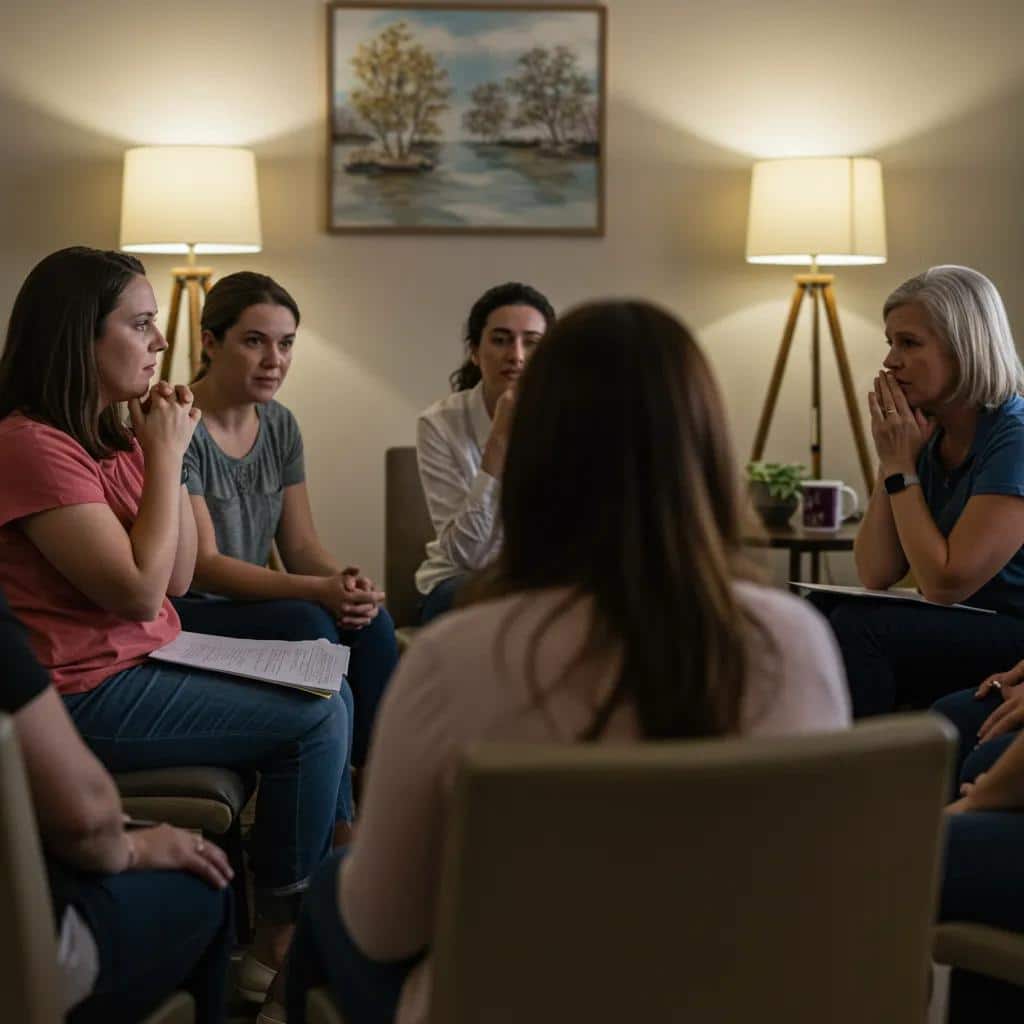
Women experiencing False Memory OCD often grapple with obsessive doubts about past actions, accompanied by both mental rituals and observable behaviors aimed at achieving certainty. These symptom clusters frequently involve repeatedly reviewing memories, seeking reassurance from family or professionals, checking personal records, and avoiding situations that might trigger intrusive recollections. Emotionally, symptoms are amplified by guilt, shame, and heightened anxiety, which can lead to social withdrawal and impaired performance in caregiving or work roles. A clear symptom inventory is essential for clinicians to design targeted ERP exercises and cognitive interventions that reduce checking behaviors and improve overall functioning.
How Do Obsessions Manifest in Women with False Memory OCD?
Obsessions in women frequently revolve around relational and caregiving contexts—worries about harming a child, betraying a partner, or failing to meet societal expectations—tapping into culturally ingrained responsibilities and intensifying rumination. Intrusive recollections can surface after ordinary events and persistently replay in the mind, prompting repeated attempts to verify details or mentally reconstruct timelines. These obsessions tend to be frequent and highly distressing, interfering with parental duties, relationships, and sleep, and may worsen under stress or hormonal shifts. Identifying typical obsession triggers allows for the development of context-specific exposures that mirror real-life stressors.
What Compulsive Behaviors Are Associated with False Memory OCD?
Compulsions linked to False Memory OCD include mental reviewing of events, repeatedly asking others for reassurance, confessing perceived wrongdoings, checking records or surveillance footage, and avoiding people or places connected to intrusive recollections. Mental rituals can be incredibly time-consuming and are often invisible to others, which can complicate diagnosis and increase feelings of isolation. These behaviors provide temporary relief by reducing uncertainty but paradoxically reinforce doubt and make intrusive memories more prominent. Treatment aims to replace these compulsive responses with response prevention strategies that build tolerance for uncertainty.
How Do Guilt, Anxiety, and Shame Influence Symptoms?
Guilt, anxiety, and shame act as powerful emotional amplifiers that intensify intrusive recollections and increase the frequency of compulsive checking, creating a self-perpetuating cycle. Shame often drives secrecy and reluctance to seek help, while guilt motivates excessive reparative behaviors or confessions that fail to resolve the underlying doubt. Anxiety narrows focus onto the intrusive memory, making it feel more vivid and credible, which in turn encourages more mental review. Addressing these emotions directly—through cognitive interventions and trauma-informed care—reduces their power to maintain compulsions and supports the recovery process.
Why Does False Memory OCD Affect Women Differently? Gender-Specific Factors and Statistics
False Memory OCD can manifest differently in women due to a combination of biological, social, and developmental factors that influence symptom presentation and help-seeking behaviors. Hormonal fluctuations across menstrual cycles, pregnancy, and postpartum periods can affect anxiety sensitivity and cognitive processing, while caregiving roles and societal expectations can increase the likelihood of obsessions related to guilt and responsibility. Epidemiological data reveal differences in OCD prevalence and presentation by sex, suggesting that gender-specific outreach and programming can improve detection and outcomes. Tailoring treatment to address these gender-linked influences enhances relevance and engagement for women seeking help.
“Epidemiological and Clinical Gender Differences in OCD: Onset, Symptoms, and Hormonal Influences”
>
“Males tend to report an earlier age of onset and present with symptoms related to blasphemous thoughts. Females often describe symptom onset as occurring during or after puberty or pregnancy and present with symptoms related to contamination and/or aggressive obsessions. Females also tend to report significantly higher depression and anxiety. There are no reported gender differences in treatment outcome.”
>
“3. Gender may play a role in the onset, presentation, and impact of OCD symptoms. However, more work is needed to account for differences across studies, with one promising future direction being the study of reproductive hormones.”
>
“BM Mathes, 2013”
What Societal and Hormonal Factors Impact False Memory OCD in Women?
Societal expectations regarding caregiving and moral responsibility can intensify intrusive memory themes; pressures to be constantly vigilant about children or household safety make memory-related doubts particularly charged. Hormonal changes—such as those experienced during pregnancy, postpartum, or premenstrual phases—can impact mood regulation and anxiety levels, often exacerbating OCD symptoms or altering their intensity. Stressors like sleep disruption or role overload further diminish tolerance for uncertainty and increase reliance on compulsive rituals. Recognizing these factors helps clinicians adjust the timing and focus of interventions to align with women’s life stages.
How Prevalent Is OCD Among Women Compared to Men?
Current research indicates that while OCD affects both sexes, certain symptom subtypes and age patterns are more commonly reported among females, particularly in adulthood, highlighting the need for targeted services for women. These prevalence patterns translate into a greater demand for gender-responsive programming and support structures that consider caregiving responsibilities and trauma history. Understanding prevalence differences informs service planning and underscores the importance of offering accessible levels of care for women experiencing False Memory OCD. Clinicians and service planners should view prevalence data as a call to integrate gender-sensitive approaches.
“Sex and Gender Differences in OCD: A Scoping Review of Symptomology, Epidemiology, and Treatment”
>
“Original reports were categorized by focus — symptomology and burden (66), comorbidities (121), epidemiology (134), human genetics (68), altered neurocognitive and neurobiological functioning (36), treatment (42), and animal models (29) — and assessed for quality using CASP checklists. There was abundant research on sex and gender effects in OCD, but limited synthesis. Identified methodological concerns included inconsistent assessments of sex and gender, variability in OCD symptom measurement, failure to account for mens”
>
“E Olfson, 2025”
How Does Gender-Specific Treatment Improve Outcomes?
Gender-specific treatment enhances outcomes by addressing contextual stressors, incorporating trauma-informed methods, and tailoring group content to topics relevant to women—such as parenting fears, relationship-related obsessions, and body-focused safety concerns. Programs that offer safe, women-centered groups and clinicians trained in hormonal and reproductive mental health can boost engagement and reduce shame-driven secrecy. Integrating holistic supports like mindfulness, nutrition, and movement further strengthens coping abilities and promotes recovery. Evidence suggests that when treatment resonates with a woman’s lived experience, adherence improves and the risk of relapse decreases.
What Are the Most Effective Treatments for False Memory OCD? Evidence-Based Therapies at Sun County Wellness

Effective treatment for False Memory OCD primarily involves Exposure and Response Prevention (ERP), complemented by Cognitive Behavioral Therapy (CBT) and, when necessary, medication management. These approaches work together to reduce compulsive reviewing of memories and build tolerance for uncertainty.
ERP helps individuals confront triggers related to memory doubts while preventing reassurance-seeking and mental rituals, thereby teaching the nervous system to extinguish anxiety responses. CBT enhances ERP by challenging maladaptive beliefs about memory reliability and responsibility, improving cognitive control over intrusive recollections. Medications like selective serotonin reuptake inhibitors (SSRIs) may be recommended for moderate-to-severe cases or when co-occurring conditions hinder participation in therapy.
Before reviewing the treatment comparison table, here’s a brief explanation of its purpose: the table below compares ERP, CBT, and medication based on their mechanisms, session structures, typical durations, and expected outcomes to help you understand the nuances of each approach.
Treatment
Mechanism
Session Structure
Typical Duration
Exposure and Response Prevention (ERP)
Increases tolerance of uncertainty through graded exposure and response prevention
Individual or group sessions with guided exposures and assigned homework
12–20+ weekly sessions, often with follow-up booster sessions
Cognitive Behavioral Therapy (CBT)
Restructures distorted beliefs about memory and personal responsibility
Structured psychotherapy incorporating cognitive exercises and experiments
12–20 sessions, typically integrated with ERP
Medication (SSRIs)
Modulates serotonin levels to reduce baseline anxiety and compulsivity
Requires psychiatric evaluation and ongoing medication management appointments
Several months to assess effectiveness; most beneficial when combined with therapy
This comparison highlights that ERP is the primary driver for reducing memory-doubt compulsions, CBT refines the beliefs that sustain doubt, and medication offers supportive symptom reduction when needed.
How Does Exposure and Response Prevention Therapy Work for False Memory OCD?
ERP operates by guiding individuals to deliberately confront memory-related triggers—such as recalling a disputed event or resisting the urge to seek reassurance—while simultaneously preventing the compulsive response that offers temporary anxiety relief. Through exercises involving a graded hierarchy and repeated practice, ERP builds tolerance for uncertainty and diminishes the urge to engage in mental rituals. Clinicians design exposures tailored to specific intrusive themes, gradually increasing the intensity as tolerance grows, and track progress using observable behavioral changes rather than attempts to “prove” memory accuracy. A significant advantage of ERP is the measurable improvement in daily functioning and a reduction in the time spent on mental review.
What Role Does Cognitive Behavioral Therapy Play in Treatment?
CBT complements ERP by targeting the distorted beliefs and cognitive biases that make memory doubt feel so compelling, such as an overestimation of personal responsibility or an intolerance of uncertainty. Techniques employed include thought records, cognitive experiments, and behavioral tests designed to challenge the underlying premise that uncertainty equates to harm, thereby reducing the need for compulsive checking. CBT equips patients with conceptual tools to reframe intrusive recollections and to recognize patterns that trigger compulsions. When integrated with ERP, CBT accelerates the generalization of learned skills outside of therapy sessions.
How Are Holistic and Gender-Specific Approaches Integrated?
Holistic supports—including mindfulness, nutrition, fitness, equine-assisted activities, and acupuncture—are integrated to enhance emotional regulation, physical resilience, and stress recovery, which in turn improve responsiveness to ERP and CBT. Gender-specific programming tailors group content to women’s unique experiences, incorporates trauma-informed care, and addresses life-stage challenges to reduce shame and foster peer support. These complementary modalities enhance recovery by addressing sleep, mood, and somatic symptoms that often accompany OCD, thereby improving overall engagement in evidence-based therapy.
When Is Medication Management Recommended?
Medication management, typically involving SSRIs, is recommended when symptoms are severe enough to impede participation in therapy, when psychotherapy alone has not yielded sufficient response, or when co-occurring anxiety or depressive disorders complicate treatment. Psychiatric oversight ensures the appropriate selection, dosage, and monitoring for side effects and interactions. Medication is usually combined with ERP/CBT to achieve optimal outcomes. Decisions regarding medication are based on an assessment of symptom severity, co-occurring conditions, and patient preferences, with ongoing evaluation of functional improvements.
How Can Women Seek Help for False Memory OCD at Sun County Wellness? Admissions and Insurance Information
The process of seeking help typically follows a clear sequence: initial contact and assessment, verification of benefits, clinical intake, and placement into the most suitable level of care, such as our Partial Hospitalization Program (PHP), Intensive Outpatient Program (IOP), or Outpatient Program (OP). Sun County Wellness offers specialized gender-specific programs and provides assistance with insurance verification and placement to align with clinical needs and personal responsibilities. For women requiring residential support during their transition, Sober Living and Supportive Housing options are available as part of our comprehensive continuum of care. Understanding this structured admissions process can alleviate uncertainty and expedite access to appropriate ERP and CBT services.
Below is a structured comparison of our service levels, outlining their features and providing important insurance and access notes to simplify your next steps.
Service Level
Program Features
Insurance / Access Notes
Partial Hospitalization Program (PHP)
Comprehensive, day-long structured therapeutic programming utilizing multiple therapy modalities
Often covered with prior authorization; Sun County Wellness provides dedicated assistance with benefits verification
Intensive Outpatient Program (IOP)
Intensive therapy offered in evening or daytime sessions multiple times per week
Commonly covered; placement is determined after assessment based on individual clinical needs
Outpatient Program (OP)
Weekly individual and group therapy sessions with ongoing clinical monitoring
Typically covered; an excellent option for step-down care following more intensive programs
Sober Living / Supportive Housing
Transitional housing offering a peer-supported recovery environment
Access varies by payer; our facility coordinates referrals and support services
What Is the Admission Process for False Memory OCD Treatment?
The admission process begins with an initial contact and a clinical screening, followed by a thorough intake assessment designed to evaluate symptom severity, co-occurring conditions, and functional impact to determine the most appropriate level of care. Following the assessment, insurance verification and any necessary prior authorization steps are completed. Clinicians then recommend placement in our PHP, IOP, or OP based on clinical necessity and individual life circumstances. The onboarding process includes an orientation to therapy schedules, privacy policies, and the development of an individualized treatment plan outlining specific ERP and CBT goals. Confidentiality and coordinated care are emphasized throughout to ensure safety and promote engagement.
Which Insurance Providers Are Accepted?
Sun County Wellness collaborates with major insurance providers and assists women in verifying their benefits to minimize financial obstacles to care. Our accepted insurers include Aetna, Anthem, Blue Cross Blue Shield, Cigna, GEHA, Humana, Magellan, and UMR. We offer comprehensive support throughout the benefits verification and authorization processes. This insurance support helps patients and their families understand their coverage for our Partial Hospitalization Program (PHP), Intensive Outpatient Program (IOP), Outpatient Program (OP), and related services. Clear assistance with verification helps reduce delays in starting essential ERP and CBT-based treatment.
How Does Sun County Wellness Support Women Throughout Recovery?
Sun County Wellness supports women across a full continuum of care—from PHP to IOP to OP—while also offering Sober Living, Supportive Housing, and holistic modalities designed to strengthen mind-body recovery. Our clinical team coordinates group therapy, individual ERP/CBT sessions, trauma-informed care, and adjunctive supports such as nutrition, mindfulness, and fitness to optimize rehabilitation and prevent relapse. We emphasize aftercare planning and community reintegration to help maintain progress and address practical needs like housing transitions. These integrated services are designed to promote sustained recovery and functional restoration.
What Resources and Support Are Available for Women with False Memory OCD?
Women seeking support can access a range of resources, including national organizations, local peer groups, evidence-based educational materials, and clinician-led support groups specifically focused on OCD and memory-doubt subtypes. Online communities and moderated forums provide ongoing peer connection, while research summaries and video explainers help demystify treatment approaches like ERP and CBT. For those exploring local, gender-specific supports, clinician referrals and provider directories can identify programs that integrate holistic modalities and housing assistance. Combining external education with structured clinical care offers the most effective pathway to recovery.
Where Can Women Find Support Groups and Online Communities?
Reputable national organizations and moderated online communities offer structured information, peer-led groups, and referral networks for OCD support. Community-based groups and clinician-facilitated support circles provide women-focused spaces to discuss role-specific obsessions and recovery strategies in a safe, confidential environment. When selecting a group, prioritize moderation by trained facilitators and ensure the groups endorse evidence-based treatments like ERP. Ongoing peer connection is invaluable for reducing isolation and complementing professional therapy.
What Educational Materials Help Understand False Memory OCD?
Our educational materials include expert-written explainers, concise research summaries on ERP effectiveness, patient-focused guides for managing intrusive thoughts, and multimedia resources demonstrating therapy techniques. These materials clarify treatment rationales, provide examples of exposure exercises, and offer cognitive tools for restructuring beliefs about memory, empowering patients to actively participate in their ERP and CBT journey. Utilizing evidence-based educational content enhances treatment engagement and equips families to effectively support recovery efforts.
How Do Patient Stories Illustrate Recovery Success?
Anonymized recovery vignettes showcase how targeted ERP and CBT, combined with gender-sensitive supports and holistic practices, lead to reduced compulsive checking and restored daily functioning. Typical narratives detail the journey from intake assessment and placement in the appropriate level of care, through structured ERP hierarchies, to a gradual reduction in time spent on mental review, ultimately resulting in improved relationships and renewed confidence. These stories demonstrate that while intrusive memories can feel intensely real, systematic therapy builds tolerance and facilitates meaningful behavioral change. Hearing these recovery narratives helps reduce shame and clarifies realistic expectations for treatment.
Beyond external and community resources, Sun County Wellness enhances support through women-only groups, holistic services, and transitional housing options like Sober Living and Supportive Housing, creating a recovery environment specifically tailored to women’s unique needs.
Frequently Asked Questions
What are the long-term effects of False Memory OCD if left untreated?
If left unaddressed, False Memory OCD can significantly impair daily functioning, leading to difficulties in personal relationships, professional performance, and overall quality of life. The persistent anxiety and compulsive behaviors associated with the disorder can intensify feelings of guilt and shame, potentially contributing to co-occurring conditions like depression or generalized anxiety disorder. Early intervention through evidence-based therapies such as ERP and CBT is crucial to mitigate these long-term effects and foster recovery.
How can family members support someone with False Memory OCD?
Family members can play a crucial role in supporting someone with False Memory OCD by cultivating an understanding and empathetic environment. Encouraging open communication about their experiences without judgment can help alleviate feelings of isolation. It is also important to avoid engaging in reassurance-seeking behaviors, as this can inadvertently reinforce compulsions. Instead, family members can assist in seeking professional help and participating in therapy sessions when appropriate, which can significantly enhance the recovery process.
Are there specific lifestyle changes that can help manage False Memory OCD symptoms?
Yes, certain lifestyle adjustments can be beneficial in managing False Memory OCD symptoms. Regular physical activity, a balanced diet, and ensuring adequate sleep can improve overall mental health and bolster resilience against anxiety. Mindfulness practices, such as meditation or yoga, can enhance emotional regulation and reduce stress levels. Additionally, establishing a consistent daily routine can provide a sense of stability and predictability, which may help alleviate some of the uncertainty that triggers OCD symptoms.
What role does peer support play in recovery from False Memory OCD?
Peer support can be exceptionally beneficial for individuals recovering from False Memory OCD. Connecting with others who share similar experiences can reduce feelings of isolation and shame, fostering a sense of community and mutual understanding. Support groups offer a safe space to discuss challenges and coping strategies, which can boost motivation and accountability. Hearing success stories from peers can also inspire hope and reinforce the belief that recovery is attainable.
How can someone differentiate between False Memory OCD and other anxiety disorders?
Distinguishing False Memory OCD from other anxiety disorders involves recognizing the specific nature of the intrusive thoughts and compulsions. In False Memory OCD, individuals experience persistent doubts about the accuracy of their memories, often leading to compulsive mental rituals aimed at seeking reassurance or verifying details. In contrast, other anxiety disorders may focus on different themes, such as generalized worry or specific phobias. A thorough assessment by a qualified mental health professional is essential for accurate diagnosis and appropriate treatment planning.
What should someone expect during their first therapy session for False Memory OCD?
During the initial therapy session for False Memory OCD, you can expect a comprehensive assessment of your symptoms, personal history, and current challenges. The therapist will likely ask detailed questions to understand the nature of your intrusive thoughts and compulsive behaviors. This session also serves as an opportunity to discuss potential treatment options, including ERP and CBT, and to collaboratively establish therapeutic goals. Building rapport and trust with your therapist is paramount, as it lays the foundation for effective treatment moving forward.
Is False Memory OCD a Real Medical Condition?
Yes. False Memory OCD is a recognized presentation within obsessive-compulsive disorder, characterized by intrusive doubts about memories and associated compulsive responses. Clinical literature and contemporary research acknowledge memory-doubt subtypes of OCD and support the use of ERP and CBT as first-line interventions. Recognizing it clinically allows access to targeted therapies rather than attributing symptoms to normal forgetfulness.
Can False Memory OCD Be Cured or Managed Long-Term?
While the term “cure” can vary in its application, evidence demonstrates that many individuals achieve substantial and sustained symptom reduction through ERP and CBT, particularly when these therapies are combined with maintenance strategies and ongoing support. Long-term management often involves periodic booster sessions, continued application of coping skills, and addressing any co-occurring conditions to minimize the risk of relapse. Early engagement in evidence-based therapy significantly improves the likelihood of achieving durable gains.
How Is False Memory OCD Different from Real Event OCD?
Real Event OCD centers on an actual, verifiable past event, whereas False Memory OCD focuses on doubt about whether an event occurred or about the specific details of a memory, often without objective evidence. Both presentations lead to distress and compulsions, but the emphasis in treatment shifts slightly: False Memory OCD primarily targets intolerance of uncertainty and memory-checking behaviors, while real-event OCD may involve different exposure targets and evidence-based processing techniques. Accurate diagnostic formulation is crucial for guiding therapy selection.
Can False Memories Feel Real in False Memory OCD?
Yes. In this subtype of OCD, false memories can feel subjectively vivid and convincing, creating a strong “feeling of knowing” despite the absence of corroborating evidence. Therapy focuses less on definitively proving or disproving the content of the memory and more on increasing tolerance for uncertainty and reducing the compulsive review that perpetuates the belief in the memory’s accuracy. Over time, response prevention techniques help diminish the compelling nature of these memories.
How Does Sun County Wellness Ensure Quality Care for False Memory OCD? Accreditation, Expertise, and Location Benefits
Sun County Wellness integrates accredited standards, specialized expertise in dual diagnosis, and a treatment environment specifically designed for women to deliver high-quality care for False Memory OCD. Accreditation and licensing provide external validation of our clinical processes, while our integrated programs address co-occurring addiction and mental health disorders that frequently complicate OCD presentations. The facility’s location in Orange County offers access to a tranquil therapeutic setting and regional resources that support recovery. These organizational strengths underpin the robust implementation of ERP and CBT within our structured program levels.
What Accreditations and Licenses Does Sun County Wellness Hold?
Sun County Wellness proudly holds The Joint Commission’s Gold Seal of Approval® for Behavioral Health Care and is licensed by the Department of Health Care Services (DHCS). These credentials signify our adherence to recognized standards for quality, safety, and clinical oversight. They reflect systematic quality controls, rigorous staff training requirements, and protocols for safe, effective care. Patients and their families can view these accreditations as indicators that our organization consistently follows evidence-based clinical practices and regulatory standards.
How Does Dual Diagnosis Expertise Enhance Treatment?
Our dual diagnosis expertise enables coordinated treatment for co-occurring addiction and mental health disorders alongside OCD, ensuring that psychiatric care, therapy, and recovery supports function in an integrated manner. This approach prevents fragmented care and allows clinicians to strategically sequence interventions—such as stabilizing substance-related issues before or concurrently with ERP—so that patients can fully engage in exposure-based therapies. Continuity across different levels of care and housing supports further strengthens long-term outcomes.
Why Is Location in San Juan Capistrano, Orange County Ideal for Women’s Mental Health?
San Juan Capistrano’s setting provides access to a rich regional network of clinicians, community supports, and therapeutic activities that complement formal treatment, contributing to a restorative therapeutic milieu for women. Proximity to Orange County resources facilitates coordination with local providers and access to specialized services when needed. The community context supports recovery by blending clinical intensity with opportunities for holistic and outdoor therapeutic modalities that enhance resilience.
- 1Immediate Next Steps: If you or a loved one recognizes these symptoms, consider seeking a clinical assessment to explore ERP and CBT options.
- 2Insurance and Access Guidance: Inquire about benefits verification and program placement to identify the most suitable level of care, such as our Partial Hospitalization Program (PHP), Intensive Outpatient Program (IOP), or Outpatient Program (OP).
- 3Comprehensive Support Services: Explore our holistic supports and transitional housing options like Sober Living and Supportive Housing to ensure continuity of care throughout your recovery journey.

Seeking Treatment? We Can Help
At Sun County Wellness, as an in-network provider we work with most insurance plans, such as:
If you or a loved one are struggling with mental health challenges or substance abuse, reach out to Sun County Wellness today. Our team of compassionate professionals is here to support your journey towards lasting well-being. Give us a call at 949-993-1149
Visit SAMHSA or contact us today for more inforamtion.