

Clinically Reviewed By Brittany Astrom - LMFT
Brittany has 15 years of experience in the Mental Health and Substance Abuse field. Brittany has been licensed for almost 8 years and has worked in various settings throughout her career, including inpatient psychiatric treatment, outpatient, residential treatment center, PHP and IOP settings.
Finding Your Way: Understanding Postpartum Anxiety & OCD and Discovering Real Relief
Postpartum intrusive thoughts can emerge unexpectedly after childbirth, often triggering intense anxiety, guilt, or fear—even when you have no desire to act on them. This article is here to help you understand what postpartum anxiety and postpartum OCD truly are, why these intrusive thoughts happen, and how evidence-based treatments and practical coping strategies can bring genuine relief to new mothers. You’ll find clear definitions, symptom comparisons, common risk factors like hormonal shifts and sleep loss, and concrete steps for safely navigating intrusive thoughts. We’ll also explore gold-standard therapies like ERP and CBT, discuss when medications such as SSRIs might be appropriate, and explain how different levels of care (PHP, IOP, OP) fit into your personalized treatment plan. Finally, we’ll introduce you to local, gender-specific program options and guide you through the next steps for verifying insurance or starting your admission, offering both vital information and clear pathways to professional support.
Understanding Postpartum Anxiety & OCD: Symptoms and Key Differences
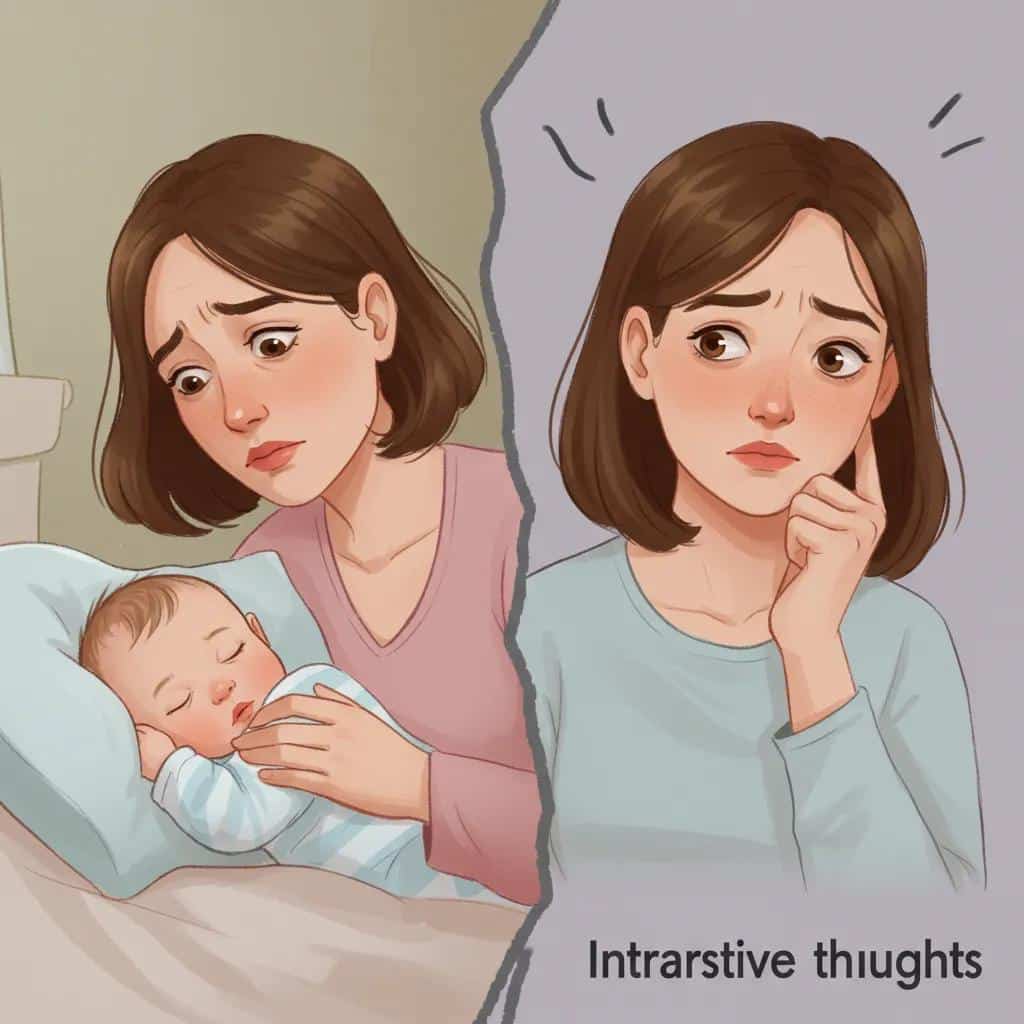
Postpartum anxiety and postpartum OCD are related perinatal mental health conditions that both involve intense worry, but they operate in distinct ways. Postpartum anxiety typically centers on persistent, overwhelming worry about various outcomes, while postpartum OCD is characterized by obsessions—those recurrent, intrusive thoughts—and compulsions, which are behaviors aimed at neutralizing those thoughts. Both can significantly impact your daily life and bonding with your baby, but OCD often includes ritualized actions or mental neutralizing that, ironically, can deepen distress. Grasping this difference empowers caregivers and clinicians to choose the most effective interventions, such as CBT for generalized anxiety and ERP for OCD. Recognizing the core mechanism—whether it’s an obsession or generalized worry—helps us focus therapeutic efforts and improve your journey toward recovery.
To help families better understand, many providers and clinicians use straightforward symptom comparisons:
Condition
Core Symptom Pattern
Typical Example
Postpartum Anxiety
Excessive, uncontrollable worry about your baby’s health or your parenting abilities
Repeatedly worrying that something bad will happen while your baby is sleeping
Postpartum OCD
Recurring intrusive images/thoughts and neutralizing behaviors to cope
Unwanted, disturbing images of harm, followed by checking or avoidance rituals
Overlapping Features
High distress, disrupted sleep, difficulty concentrating
Irritability, sleep deprivation, and a decreased enjoyment of parenting moments
This table helps clarify how these conditions can overlap yet require distinct clinical approaches. Understanding these contrasts supports faster, more targeted referrals and helps reduce stigma by framing intrusive thoughts as symptoms, not personal failings.
How Postpartum Anxiety and OCD Can Impact New Mothers
Postpartum anxiety and OCD can significantly disrupt your caregiving routines, interfere with the precious bonding process, and increase feelings of isolation by making you avoid situations that trigger intrusive thoughts. Functionally, symptoms might lead to excessive checking, avoiding normal baby-handling tasks, or constantly seeking reassurance, which can drain your energy and time. These patterns often intensify sleep deprivation and stress, creating a challenging cycle where anxiety fuels intrusive thoughts and vice versa. Early recognition and structured intervention—including both self-help strategies and professional care—are key to reducing impairment and restoring your confidence in your parenting role.
This functional impact directly highlights why timely treatment is so vital: addressing symptoms early can prevent escalation and protect the beautiful mother–infant attachment. In the next section, we’ll explore common intrusive-thought themes to help caregivers identify patterns that may need clinical attention.
Common Intrusive Thoughts in Postpartum OCD
Intrusive thoughts in postpartum OCD typically cluster around specific themes, such as harm-related imagery (like the fear of accidentally harming your baby), contamination fears, sexual or blasphemous images, and checking compulsions aimed at preventing imagined harm. These thoughts are \ego-dystonic\—meaning they deeply conflict with your values—and are experienced as distressing, unwanted mental events rather than actual urges to act. While their frequency and intensity can vary, the defining characteristic is the presence of rituals or mental neutralizing strategies that, while attempting to reduce anxiety, actually reinforce the obsession. Reassurance and education are crucial first steps: remember, intrusive thoughts are common and do not indicate intent or psychosis.
Recognizing these specific themes allows clinicians to design targeted ERP exercises that safely guide you through feared thoughts while preventing neutralizing responses, which can significantly accelerate your recovery and reduce distress.
What Causes Postpartum Anxiety and OCD? Exploring Risk Factors and Triggers
Postpartum anxiety and OCD emerge from a complex interplay of biological, psychological, and social factors that converge during the perinatal period. Hormonal fluctuations after childbirth can impact the neurotransmitter systems responsible for mood and anxiety regulation, while sleep loss can erode emotional resilience and cognitive control. Psychological vulnerabilities—such as a personal or family history of anxiety or OCD, past trauma, or perfectionism—increase your risk, and environmental stressors like limited social support or the demands of caregiving can act as triggers. Current research indicates that these factors interact: biological sensitivity combined with psychosocial stress often leads to a higher symptom risk, underscoring the need for comprehensive assessment and layered interventions.
Understanding these underlying mechanisms helps explain why multifaceted treatment plans—those that address sleep, hormone-related vulnerability, and cognitive-behavioral patterns—are often more effective than single-focus approaches.
Common risk factors and triggers we often see include:
- 1Significant hormonal shifts and rapid changes in estrogen and progesterone after delivery, which can impact mood regulation.
- 2Chronic sleep deprivation, which can impair your brain’s ability to control intrusive thoughts and manage anxiety.
- 3A pre-existing history of anxiety disorders, OCD, trauma, or substance use, which can increase your vulnerability.
These risk factors offer valuable insights for practical prevention steps and monitoring strategies for both clinicians and families. The following section will delve deeper into hormonal and sleep mechanisms to guide effective mitigation.
How Hormonal Changes and Sleep Deprivation Contribute
Postpartum hormonal changes profoundly influence neurotransmitter pathways—including serotonin, GABA, and neuropeptides—altering mood stability and anxiety thresholds in the weeks following birth. These neurochemical shifts can heighten your susceptibility to intrusive thoughts, especially when combined with abrupt changes in routine and the intense demands of caregiving. Sleep deprivation further aggravates this vulnerability by reducing cognitive control and amplifying emotional reactivity; even fragmented sleep cycles can hinder your brain’s ability to dismiss unwanted images and rumination. Practical mitigation strategies include prioritizing sleep support, scheduling regular rest, and employing targeted psychological techniques to compensate for these transient neurobiological stressors.
Addressing both hormonal and sleep-related contributors can accelerate symptom relief and enhance your responsiveness to therapies like CBT and ERP, which rely on intact cognitive control processes.
The Role of Trauma and Pre-existing Conditions
A history of trauma, previous episodes of OCD or anxiety, and co-occurring substance use disorder significantly increase the likelihood that postpartum intrusive thoughts could escalate into clinically significant OCD or anxiety disorders. Trauma can sensitize your threat-detection systems, making intrusive images feel more salient and distressing, while pre-existing OCD patterns can re-emerge under the unique stresses of the postpartum period. Dual-diagnosis presentations require an integrated assessment and coordinated treatment plans that address both mental health and substance-related needs. Early identification of these histories empowers clinicians to tailor the intensity of care and incorporate trauma-informed modalities within an ERP/CBT framework.
Recognizing these vulnerabilities guides clinicians toward offering higher-intensity options when necessary and informs family education to reduce blame and build targeted support systems.
Treating Postpartum OCD and Anxiety: Evidence-Based Therapy and Medication Options
Effective treatment for postpartum OCD and anxiety often centers on exposure-based cognitive therapies and, when appropriate, pharmacotherapy; combining these modalities frequently leads to the best outcomes. Exposure and Response Prevention (ERP) is considered the first-line treatment for OCD: it systematically guides you through exposure to feared thoughts or situations while preventing compulsive responses, fostering habituation and cognitive restructuring. Cognitive Behavioral Therapy (CBT) addresses maladaptive beliefs and catastrophic thinking commonly seen in generalized postpartum anxiety. SSRIs may be recommended for moderate to severe symptoms, particularly when therapy alone isn’t enough; medication decisions during the perinatal period require careful coordination with prescribing clinicians regarding breastfeeding and safety. Recent studies suggest that combining ERP with SSRIs for severe OCD can produce significant symptom reduction and functional recovery.
Below is a comparison table summarizing how these core therapies work and what they typically focus on in perinatal care.
Therapy
Mechanism
Typical Session Focus
ERP (Exposure & Response Prevention)
Repeatedly facing feared thoughts/situations while preventing compulsive behaviors
Developing a hierarchy, graded exposures, practicing response prevention
CBT (Cognitive Behavioral Therapy)
Reshaping distorted beliefs and building coping skills to reduce generalized anxiety
Cognitive restructuring, behavioral experiments, practical problem-solving
SSRIs (Selective Serotonin Reuptake Inhibitors)
Modulating serotonin signaling to alleviate obsessive and anxious symptoms
Medication management, monitoring during breastfeeding, coordinating with therapy
This comparison clarifies the roles of different treatments and supports shared decision-making between you and your clinicians. Evidence suggests starting with ERP for OCD symptoms, with SSRIs added for symptom severity or if therapy alone is insufficient.
Sun County Wellness thoughtfully integrates these evidence-based approaches into program pathways that align with ERP and CBT principles, coordinating medication management when appropriate. Our continuum of care includes a Partial Hospitalization Program (PHP) for high-intensity daily treatment, an Intensive Outpatient Program (IOP) for structured multi-day therapy while living at home, and an Outpatient Program (OP) for weekly therapy and medication management. This allows for individualized placement based on your clinical assessment and functional needs, with gender-specific considerations tailored for postpartum populations. These program types offer flexible step-down options—from intensive support to less intense outpatient care—enabling our clinicians to place you into the most appropriate level of care based on your severity and response.
This description connects clinical evidence to practical service pathways, helping families understand how therapy and program intensity work together throughout the recovery journey.
“ERP for Postpartum OCD: A Gold-Standard Treatment Approach”
>
“Exposure and response prevention (ERP), a gold-standard treatment for OCD, seems to be effective in treating postpartum OCD. Literature on treatment specific to postpartum OCD is limited to case series and small studies. ERP is a type of cognitive behavioral therapy that involves gradually exposing individuals to feared situations or thoughts and preventing them from engaging in compulsive behaviors.”
What is Cognitive Behavioral Therapy and Exposure and Response Prevention?
Cognitive Behavioral Therapy (CBT) helps reduce anxiety by identifying and challenging distorted thought patterns, teaching you skills to test catastrophic predictions, and implementing behavioral changes that improve your daily functioning. Exposure and Response Prevention (ERP), a specialized CBT variant for OCD, involves building a graded hierarchy of feared thoughts or situations and deliberately exposing you to them while preventing the rituals that maintain the obsession. A typical ERP exercise for a harm-related intrusive thought might begin with imagining the intrusive image while refraining from reassurance-seeking, gradually increasing exposure intensity under the careful guidance of your clinician. Safety precautions are paramount, including clinician-led planning, gradual pacing, and ensuring exposures never place your infant at any real risk.
These structured methods transform intrusive thoughts from avoided, anxiety-maintaining events into manageable stimuli that gradually lose their power over time.
“Cognitive Behavioral Therapy for Perinatal Anxiety: A Randomized Trial”
>
“This study evaluated the efficacy of a new cognitive behavioral group therapy (CBGT) protocol for perinatal anxiety tailored to women experiencing anxiety symptoms during pregnancy and up to 6 months postpartum and had an anxiety disorder with or without comorbid depression.”
When Are Medications Like SSRIs Recommended?
SSRIs are often recommended when symptoms are moderate to severe, when intrusive thoughts significantly impair your functioning or safety, or when therapy alone hasn’t produced sufficient improvement; they can also be used short-term to stabilize symptoms, making behavioral therapies more effective. In the perinatal period, using SSRIs requires careful consideration of breastfeeding safety, appropriate dose selection, and ongoing monitoring. This is commonly coordinated between psychiatrists and your obstetric or pediatric providers. Current guidance supports the selective use of SSRIs with informed consent and regular follow-up to assess both benefits and potential side effects. Combining SSRIs with CBT or ERP often leads to faster symptom relief and improves your engagement in exposure work.
Decisions about medication should always be individualized, carefully weighing symptom severity, your breastfeeding goals, and your prior response history within a collaborative care model.
Effective Coping Strategies for Postpartum Intrusive Thoughts

Effective coping for postpartum intrusive thoughts truly begins with understanding: recognizing intrusive thoughts as symptoms, not intentions, can significantly reduce shame and open the door to targeted strategies. Practical techniques include mindfulness-based grounding to observe thoughts without getting caught up in them, scheduled worry periods to contain rumination, behavioral activation to gently rebuild confidence in caregiving tasks, and graded exposure exercises guided by a clinician to weaken the link between the thought and your distress. Crucially, avoiding neutralizing behaviors—such as excessive checking or constant reassurance-seeking—is vital because these safety behaviors can inadvertently reinforce the obsession. Complementary supports like prioritizing sleep, nourishing nutrition, and light physical activity can further enhance your resilience and improve therapy outcomes.
Below are specific, actionable coping strategies you can begin using right away:
- 1Mindful labeling: Simply notice and name the thought (“an intrusive image”) and allow it to pass without engaging with it.
- 2Grounding techniques: Engage your senses (5-4-3-2-1) to reconnect with your body and reduce immediate distress.
- 3Scheduled worry: Designate a 15-minute “worry period” each day to help contain and manage rumination.
- 4Behavioral experiments: With clinician guidance, test your feared predictions in small, safe steps.
These techniques can help reduce immediate distress and lay a strong foundation for deeper ERP and CBT work. The next section will explore how holistic therapies and self-care can further support your recovery.
“Intrusive Thoughts in Postpartum Mental Health: OCD, Anxiety, and Depression”
>
“Intrusive thoughts are key features of depression, anxiety, and obsessive-compulsive disorder (OCD). Such thoughts are also common in the general population, where their content is the same as found in those with a psychiatric disorder. Intrusive thoughts comprise unwanted negative thoughts and images that frequently intrude, are difficult to dismiss, and, when dismissed, recur. Furthermore, they lead to a narrowed focus of attention that, in turn, can impair a person’s ability to respond to the external world. They can play an important role in maintaining the disorders in which they occur.”
How Self-Care and Holistic Therapies Can Support Your Recovery
Self-care and complementary therapies can significantly strengthen the effects of CBT and ERP by helping to restore physiological balance and improve mood regulation. Practices like good sleep hygiene, regular gentle movement, and balanced nutrition can stabilize your energy and cognitive control, while modalities such as acupuncture, nutrition counseling, and structured outdoor or equine-based activities can reduce stress and enhance your engagement in therapy. While these adjuncts don’t replace ERP, they serve as powerful supportive measures that can improve adherence and overall well-being. Integrating self-care into your recovery plan fosters sustainable habits that lower relapse risk and build long-term resilience.
Holistic practices are most effective when carefully coordinated with your clinical treatment; we encourage you to discuss adjunctive options with your therapist to ensure they align with your ERP goals.
When to Seek Professional Help for Intrusive Thoughts
It’s time to seek a professional assessment when intrusive thoughts cause you sustained distress, lead to ritualized behaviors that interfere with your caregiving, or when any safety concerns arise—such as active plans or an inability to care for your infant. Additional red flags include significant sleep disruption, worsening mood, increased substance use, or a rapid decline in your daily functioning. Early intervention can often prevent the need for more intensive levels of care; outpatient psychotherapy may be sufficient for many, while more severe or resistant presentations might benefit from an IOP or PHP. If you are ever worried about safety, please contact a clinician or local emergency services immediately; professional care ensures the well-being of both you and your infant.
A timely assessment helps determine the most appropriate level of care and allows clinicians to implement ERP, CBT, medication management, and supportive services as needed.
How Sun County Wellness Provides Specialized Care for Postpartum Anxiety and OCD
Sun County Wellness proudly offers a gender-specific continuum of care thoughtfully designed to address postpartum anxiety, perinatal OCD, and co-occurring substance use through integrated programming and supportive services. Our programs include a Partial Hospitalization Program (PHP) for high-intensity daily treatment, an Intensive Outpatient Program (IOP) for structured multi-day therapy while you live at home, and an Outpatient Program (OP) for weekly therapy and medication management. This allows for individualized placement based on your unique clinical assessment and functional needs. We accept a range of major insurers and provide a convenient Verify Insurance option to clarify your coverage before admission; accepted insurers include Aetna, Anthem Blue Cross Blue Shield, Cigna, GEHA, Humana, Magellan, and UMR. Our gender-specific treatment components emphasize peer groups, trauma-informed care, and maternal-focused psychoeducation to address the unique needs of postpartum women with compassion and expertise.
The table below summarizes our program attributes to help families compare levels of care and set clear expectations before intake.
Program
Intensity & Duration
Who It’s For
Insurance Notes
PHP
Multiple hours per day, several days per week
Individuals needing daily therapeutic structure but are safe to return home each night
Accepted; we highly recommend using our Verify Insurance tool
IOP
Several hours per session, multiple sessions weekly
Those with moderate symptoms requiring structured therapy without full hospitalization
Accepted; coverage details can vary by plan
OP
Weekly therapy sessions and medication follow-up
Individuals with mild-to-moderate symptoms or those stepping down from higher intensity care
Accepted; outpatient benefits typically apply
Gender-Specific and Dual Diagnosis Treatments Offered
Sun County Wellness places a strong emphasis on integrated treatment for women experiencing co-occurring mental health and substance use disorders. We combine evidence-based psychotherapy with gender-specific supports like mothers’ groups, parenting-focused skills training, and trauma-informed approaches. Our dual diagnosis care addresses both psychiatric symptoms and substance-related issues concurrently, ensuring seamless alignment between addiction treatment and OCD/anxiety interventions. For those needing a stable environment, supportive housing and sober living options provide safe spaces when consistent caregiving cannot be assured at home, allowing therapeutic goals to progress without environmental obstacles. Our clinicians coordinate care across therapy, medication management, and housing supports to deliver cohesive, truly patient-centered plans.
These integrated pathways are designed to reduce fragmentation of care and address the full complexity of postpartum presentations with comprehensive support.
How to Verify Insurance and Begin the Admission Process
To verify your insurance and begin the admission process, please prepare basic documentation such as your insurance card, provider name, and a brief overview of your clinical history. Then, simply contact our compassionate intake team to request benefits verification and pre-authorization if needed. The usual steps include an initial phone or virtual screening, a clinical assessment to determine the appropriate level of care, benefits verification, and scheduling of your intake appointments; timelines can vary based on clinical urgency and insurance processing. Sun County Wellness encourages prospective patients to utilize our convenient Verify Insurance option and to reach out to our admissions team to clarify coverage and expected timelines. Our executive and clinical leadership, including Stephanie Deutsch (Executive Director) and Charee Marquez-Crisci (Clinical Director), oversee program quality and are resources you can reference during your intake conversations.
Here’s a short checklist to help you prepare for admissions:
- 1Have your insurance card and policy details readily available.
- 2Prepare a summary of your current symptoms and any prior treatment history.
- 3Note your breastfeeding status or any pediatric concerns to discuss during clinical planning.
- 4Know your availability windows for intake appointments and any immediate safety concerns.
This practical checklist is designed to speed up your intake process and ensure clarity regarding your benefits before treatment begins.
Common Questions About Postpartum Anxiety, OCD, and Intrusive Thoughts
Many new parents often wonder if intrusive thoughts are normal and how to distinguish common worries from OCD-level symptoms. Our clear, evidence-based answers aim to reduce stigma and guide you toward the right care. This section addresses common questions in an accessible way, offering concise, actionable responses that help you decide on self-help, therapy, or more intensive care. You’ll also find essential information about insurance and admissions to support those ready to pursue formal treatment.
Are Postpartum Intrusive Thoughts Normal?
Yes—intrusive thoughts are a very common experience among new parents and are typically ego-dystonic, brief, and distressing rather than indicative of intent. Studies and clinical experience consistently show a high prevalence of unwanted intrusive images during the postpartum period, often due to hormonal shifts, sleep deprivation, and heightened caregiving awareness; importantly, most people do not develop OCD. However, if your intrusive thoughts are frequent, cause significant distress, or lead to compulsions that interfere with your caregiving, a professional assessment is warranted. Early evaluation helps determine whether targeted CBT/ERP or additional supports are needed to restore your functioning and reduce feelings of shame.
Understanding their prevalence and normalizing this phenomenon is a crucial first step toward recovery and helps reduce unnecessary self-blame.
How Do You Differentiate Between Postpartum Anxiety and OCD?
You can differentiate by focusing on the presence of obsessions and compulsions: OCD is characterized by recurrent intrusive thoughts \plus\ ritualized behaviors or mental neutralizing strategies designed to reduce distress, whereas generalized postpartum anxiety primarily involves pervasive worry \without\ these ritualized responses. A brief symptom checklist can be helpful: consider the frequency and intensity of intrusive images, the time you spend on neutralizing behaviors, and the degree of impairment in your caregiving or daily tasks. When in doubt, always seek a clinical assessment—outpatient therapy may be appropriate for many, while severe impairment or safety concerns might indicate considering an IOP or PHP. Our providers evaluate patterns, history, and functional impact to create a truly tailored treatment plan for you.
This differentiation guides the selection of your treatment—ERP for OCD and CBT for generalized anxiety—leading to more efficient, evidence-based care.
Insurance and Admissions: How Can I Verify Coverage or Start Care?
If you are exploring program-based treatment, please prepare your insurance information and clinical history for an intake screening to verify your benefits and determine the appropriate level of care. Sun County Wellness accepts several major insurers and offers a convenient Verify Insurance option to clarify your coverage and authorization requirements before admission; we invite prospective patients to contact our admissions team to begin this process. Your intake conversation will outline expected timelines, necessary documentation, and next steps tailored specifically to your needs. Providing clear insurance and clinical details upfront helps streamline the admission pathway and reduces delays in receiving the care you deserve.
This practical guidance helps families move from uncertainty to an actionable plan for accessing compassionate care.
- 1Key takeaways about pathways to care:
Early recognition and targeted therapy (ERP/CBT) are primary routes to finding relief and healing.Addressing sleep, hormonal, and trauma-related contributors significantly improves your outcomes.Integrated programs and insurance verification streamline access when higher intensity support is needed.
These insights are here to reduce stigma, clearly explain your treatment options, and guide you and your family toward the next steps for finding genuine relief from postpartum intrusive thoughts and anxiety.
Frequently Asked Questions
What are the long-term effects of untreated postpartum anxiety and OCD?
Untreated postpartum anxiety and OCD can unfortunately lead to chronic mental health challenges, including persistent anxiety disorders, depression, and difficulties in forming a strong mother-infant bond. Mothers may experience ongoing distress, impaired daily functioning, and increased isolation, which can significantly affect their overall quality of life and parenting abilities. Moreover, untreated conditions can impact the child’s development and emotional well-being. Early intervention is truly crucial to mitigate these risks and foster healthier outcomes for both mother and child.
How can partners support someone experiencing postpartum anxiety or OCD?
Partners play an incredibly vital role in supporting someone with postpartum anxiety or OCD by offering emotional reassurance, actively listening, and validating their feelings. Encouraging open communication about intrusive thoughts without judgment is absolutely essential. Additionally, partners can provide practical assistance with tasks like childcare and household responsibilities to help alleviate stress. Educating themselves about these conditions can also empower them to better understand what their loved one is experiencing and how best to support their unique recovery journey.
Are there specific lifestyle changes that can help manage symptoms?
Yes, certain lifestyle changes can significantly help manage symptoms of postpartum anxiety and OCD. Prioritizing adequate sleep, maintaining a balanced and nutritious diet, and engaging in regular physical activity can greatly enhance overall well-being. Mindfulness practices, such as meditation and yoga, can also be effective in reducing anxiety levels. Establishing a consistent routine that includes dedicated time for self-care and social support can further improve resilience. These changes, when combined with professional treatment, can create a more supportive environment for your recovery.
What should I do if I experience suicidal thoughts related to postpartum anxiety or OCD?
If you experience suicidal thoughts, it is absolutely crucial to seek immediate help. Please contact a mental health professional, call a crisis hotline, or go to the nearest emergency room without hesitation. Do not hesitate to reach out to trusted friends or family members for support. Remember, you are not alone, and there are compassionate professionals trained and ready to help you through this difficult time. Prioritizing your safety and well-being is paramount.
How can I differentiate between normal postpartum worries and clinical anxiety or OCD?
Normal postpartum worries typically involve occasional concerns about your baby’s health or your parenting abilities, while clinical anxiety or OCD is characterized by persistent, intrusive thoughts that cause significant distress and often lead to compulsive behaviors. If your worries interfere with daily functioning, cause excessive fear, or result in avoiding essential caregiving tasks, it may indicate a clinical issue. Consulting a mental health professional can provide clarity and expert guidance on the appropriate steps to take for your unique situation.
What resources are available for new mothers experiencing postpartum anxiety or OCD?
Numerous valuable resources are available for new mothers facing postpartum anxiety or OCD. Support groups, both in-person and online, can provide a vital sense of community and shared experiences. Educational materials from reputable organizations, such as Postpartum Support International, offer valuable and reliable information. Additionally, mental health professionals specializing in perinatal mental health can provide tailored therapy and compassionate support. Reaching out for help is a courageous and vital step toward your recovery and well-being.

Seeking Treatment? We Can Help
At Sun County Wellness, as an in-network provider we work with most insurance plans, such as:
If you or a loved one are struggling with mental health challenges or substance abuse, reach out to Sun County Wellness today. Our team of compassionate professionals is here to support your journey towards lasting well-being. Give us a call at 949-993-1149
Visit SAMHSA or contact us today for more inforamtion.