Trauma changes the way your brain and body respond to the world. If you are a woman navigating life after a traumatic event, you already know that “just relax” is not helpful advice. This guide offers practical, research-backed self care for trauma that starts where you actually are, not where someone else thinks you should be.
Key Takeaways
- Trauma reactions like difficulty concentrating, trouble staying asleep, rapid breathing, and feeling on edge are normal reactions to abnormal events, not signs of weakness.
- Self care after trauma begins with safety: creating spaces, routines, and relationships where your body and nervous system can rest.
- Small, consistent actions like gentle movement, deep breathing, and setting one simple boundary are more sustainable than a “perfect” self care plan.
- Recovery from trauma is a process that takes time, and healing often moves in waves rather than a straight line.
- Professional help, including trauma-informed and women-only outpatient programs like Sun County Wellness in San Juan Capistrano, can be vital when symptoms disrupt daily life or substance use is involved.
Understanding Trauma and Why Self Care Feels So Hard
Trauma refers to experiences that overwhelm your ability to cope. These can include assaults, accidents, medical emergencies, intimate partner violence, childhood abuse, or sudden loss. A traumatic event doesn’t just leave emotional scars; it reshapes how your brain processes danger, memory, and stress. Research shows that trauma can affect both mental and physical states, altering neural circuits in the prefrontal cortex, hippocampus, and amygdala.
Common trauma reactions include:
- Intrusive memories or flashbacks
- Nightmares and difficulty concentrating at work or home
- Feeling jumpy, hypervigilant, or “on edge”
- Emotional numbness or detachment
- Changes in appetite, trouble falling asleep, or trouble staying asleep
- Anxiety, panic, and emotional distress
These reactions are survival responses your nervous system developed to keep you alive. They are not personal failures. Trauma reactions can last days, weeks, or longer, and for many trauma survivors, they come in unpredictable waves.
So why does practicing self care feel so hard after trauma? Because trauma often installs deep beliefs like “my needs don’t matter” or “I don’t deserve care.” Shame and self blame can make rest feel dangerous. Stillness may trigger flashbacks. Your body may have learned that slowing down means being vulnerable, so even basic self care can feel overwhelming.
If your symptoms persist beyond several weeks, intensify over time, or begin to interfere with daily functioning, they may signal conditions like PTSD, depression, or anxiety that benefit from professional assessment. About 8% of U.S. women will develop PTSD in their lifetime, nearly double the rate for men, and seeking professional help is crucial if symptoms worsen.
First Steps: Creating a Sense of Safety in Your Daily Life
Effective self care for trauma focuses on rebuilding a sense of safety. Before any meditation app or workout plan, you need to answer one question: what helps me feel even a little safer right now?
Finding a safe environment is essential for healing from trauma. Start with your physical space:
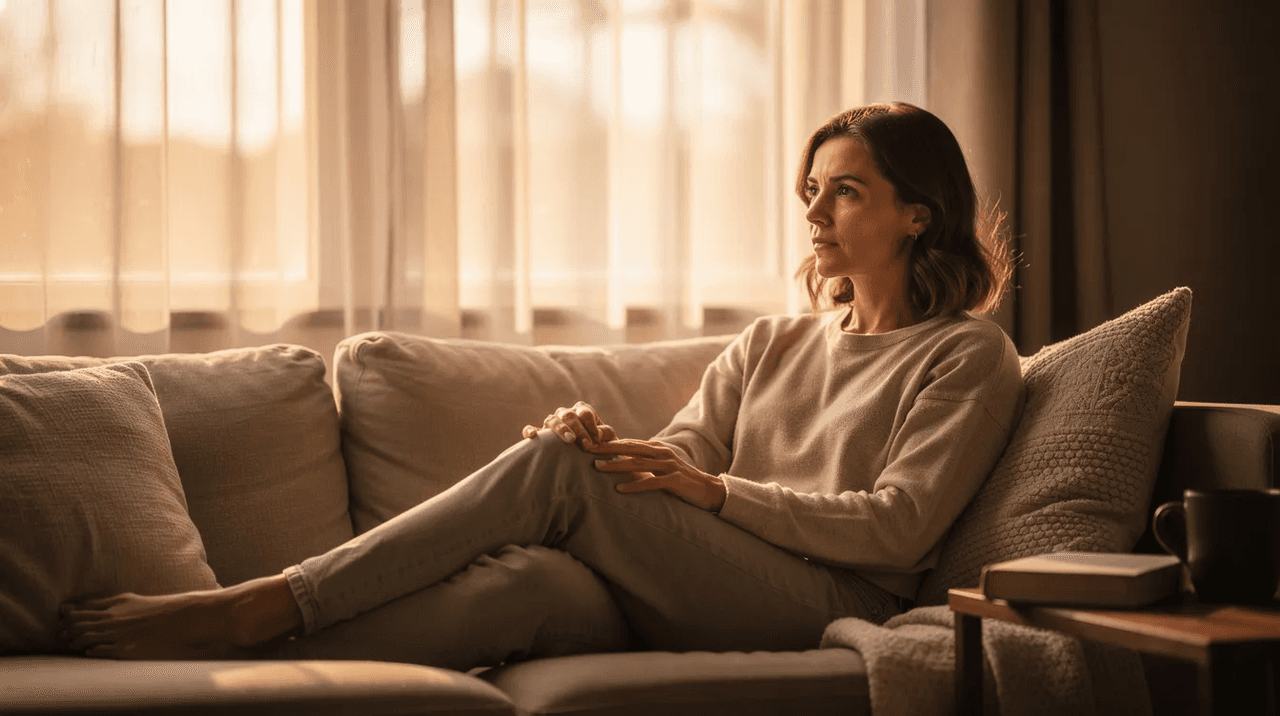
- One calm corner. Designate a spot with soft lighting, a blanket, and comforting objects. Colors, textures, and scents that feel soothing to you matter more than what looks “aesthetic.”
- Predictable routines. Healthy routines foster stability for trauma survivors. A consistent wake time, a wind-down ritual before bed, and limiting exposure to violent news or triggering social media can help regulate your nervous system.
- Reduce what feels unsafe. Identify what currently triggers your stress, whether that is a certain room, a person, or a social media feed. Make concrete adjustments: rearrange furniture, change a lock, unfollow accounts, silence notifications at night.
Creating a safe space promotes relaxation and healing, but remember that feeling safe is personal. Most people assume a candlelit bath equals calm, but your body may disagree. Pay attention to what actually helps your nervous system settle, not what “should” feel relaxing.
Listening to Your Body: Physical Self Care After Trauma
Trauma often lives in the body as chronic tension, headaches, stomach issues, or exhaustion. Many survivors experience symptoms like chest tightness, rapid breathing, or persistent pain without a clear medical cause. Gentle physical self care is not about performance; it is about reconnecting with a body that may feel unfamiliar or unsafe.
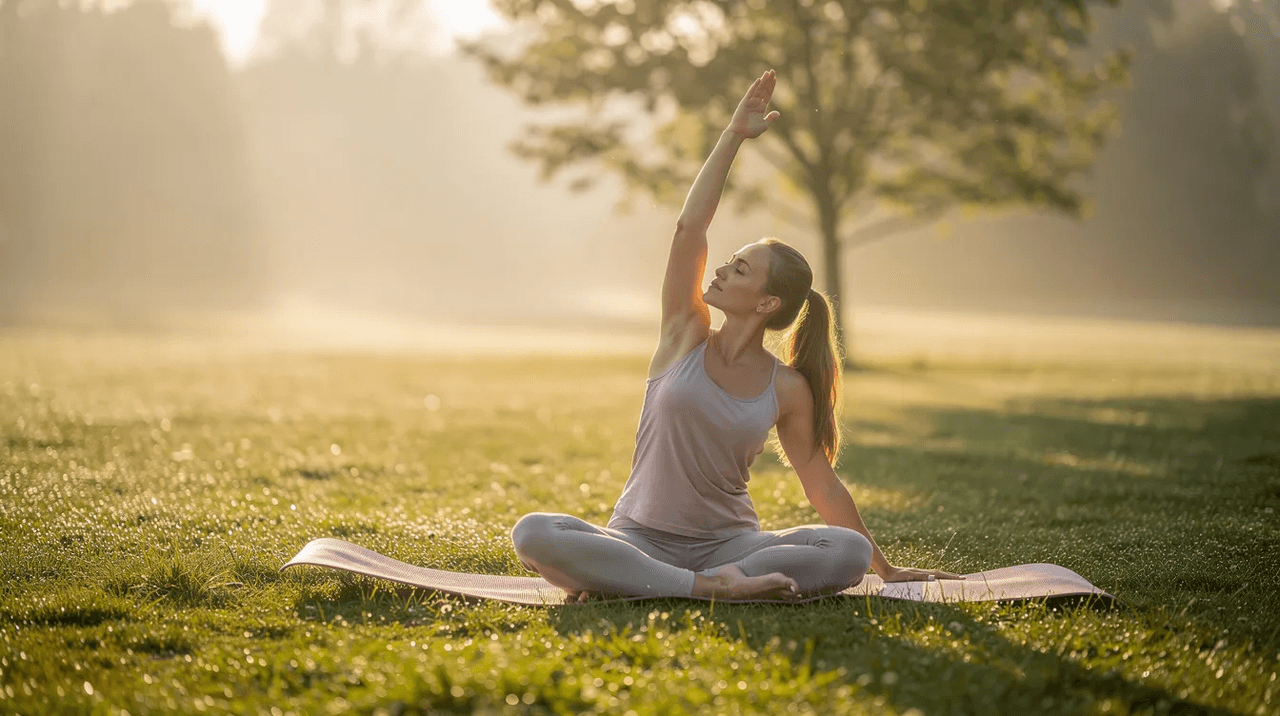
Movement. Joyful movement like gentle stretching can benefit trauma survivors. Try 5 to 10 minute walks, morning stretches, or simple somatic exercises like pressing your feet firmly into the floor. The goal is awareness, not intensity.
Sleep. Address sleep disturbance with a consistent bedtime, reducing caffeine after early afternoon, and using a brief grounding or deep breathing exercise when you wake up anxious at night. Practicing relaxation techniques like slow exhales can help manage trauma symptoms and improve rest over time.
Nourishment. Eating balanced meals supports emotional resilience during trauma recovery. Keep easy snacks on hand, drink water upon waking, and avoid harsh self-judgment around appetite changes. If you feel guilty about eating “too much” or “too little,” remind yourself that your body is trying to stabilize.
If physical symptoms like chronic pain, chest tightness, or severe sleep disturbance persist, coordinate with both medical and mental health professionals. Some therapies, such as somatic experiencing, specifically address the body’s stored trauma responses.
Emotional Self Care: Making Room for Your Feelings
Strong emotions after a traumatic event, including fear, anger, grief, shame, and numbness, are common reactions that deserve space rather than suppression. Acknowledging feelings is crucial for healing from trauma. When you push emotions down, they tend to surface as physical symptoms, irritability, or emotional shutdowns.
Try these accessible practices:
- Daily check-ins. Pause for one minute to name what you feel. “I feel scared and tired.” You don’t have to fix it. Just recognize it.
- Journaling. Writing can create emotional awareness and facilitate healing. Even a few sentences about your day, your mood, or what felt hard can help you process overwhelming emotions.
- Creative outlets. Engaging in creative activities can improve mood and limit PTSD harm. Drawing, making voice notes, creating playlists, or other activities that externalize what’s inside give your nervous system a release valve.
- Grounding when emotions surge. When feelings feel overwhelming, try holding a textured object while breathing slowly or using the 5-4-3-2-1 senses exercise to shift your focus back to the present.
Research on trauma-exposed women found that mindfulness and self kindness are strong protective resources, correlating with lower PTSD, depression, and dissociation symptoms over time. Emotional swings are not failure; they are evidence that your nervous system is trying to process what happened.
Relationships, Boundaries, and Feeling Safe With Others
Trauma, especially interpersonal trauma, disrupts your ability to trust. You might withdraw from loved ones to protect yourself, or you might have difficulty saying no because conflict feels dangerous. Both are a typical reaction to what you’ve experienced.
Setting clear boundaries is crucial for self care in trauma recovery. Boundaries are not walls; they are information about what you need to feel safe. Examples include:
- Telling a friend you can’t talk about certain details right now
- Leaving a gathering early if you feel overwhelmed
- Choosing not to respond to late-night messages
- Declining physical greetings that feel uncomfortable
Talking to others can help reduce feelings of isolation, but only when those relationships feel safe. Notice which people in your world leave you feeling supported versus drained. Gradually spend time with friends and loved ones who respect your boundaries without questioning them.
For women who have experienced sexual trauma or relationship violence, female-only spaces can feel especially safe. Research shows that women-only treatment groups foster higher bonding, stronger therapeutic alliance, and increased perceived social support compared to mixed-gender settings. Support groups can provide validation for trauma survivors in ways that individual coping alone cannot.
Grounding and Coping Skills for Triggers and Flashbacks
Triggers are external or internal cues, such as sounds, smells, anniversaries, or bodily sensations, that unconsciously recall trauma. Flashbacks are immersive re-experiencing where it feels like the event is happening again. Body memories are physiological reactions (heart racing, tension, temperature changes) that arise without conscious thought. These experiences are common and do not mean you are “going backward.”
Grounding techniques can help trauma survivors regain control. Here are a few tools:
The 5-4-3-2-1 technique helps shift focus from anxiety or flashbacks: name 5 things you can see, 4 you can touch, 3 you can hear, 2 you can smell, and 1 you can taste. This exercise pulls your attention into the present moment.
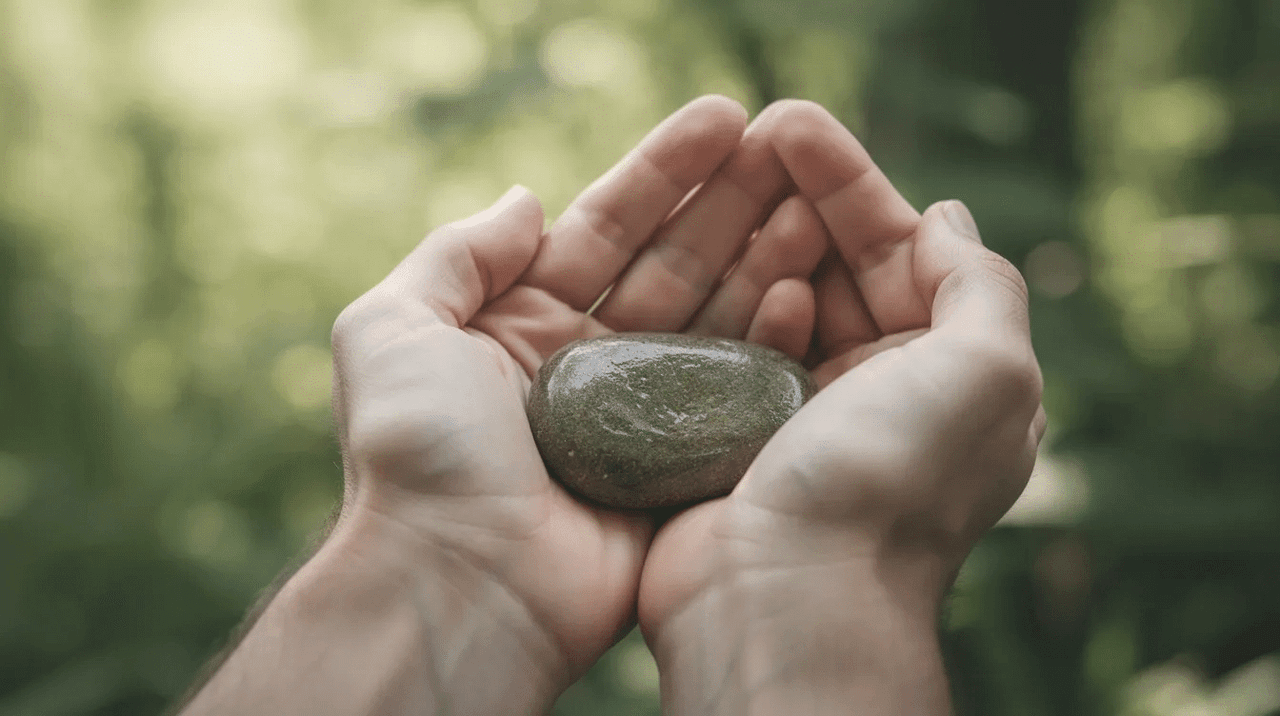
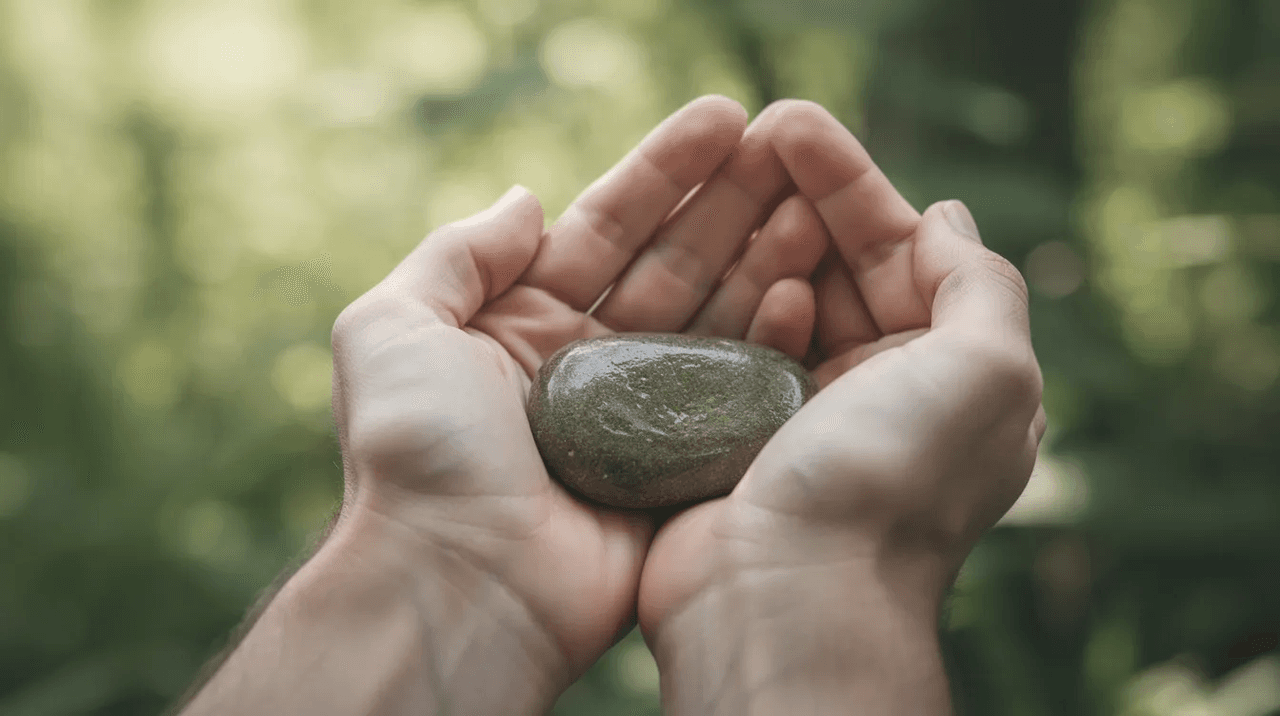
A grounding kit. Keep a small collection, such as a smooth stone, a calming scent, and an affirming note, in your bag or on your nightstand. Use it when you feel overwhelmed or begin to dissociate.
Self-talk during triggers. Remind yourself of today’s date, your location, and that you are safe now. Say aloud or silently: “This is a memory. I am not in that moment anymore.” This is not denial; it is orientation.
Incorporating small daily habits can help trauma recovery. Micro-habits like a 30-second grounding exercise each morning can assist in retraining the nervous system over weeks and months. Self care for trauma survivors includes regulating the nervous system through these consistent, small practices.
If triggers lead to frequent panic attacks, self-harm urges, or substance use as a main coping strategy, this signals that self-directed coping skills alone are not enough and professional help is needed.
When Self Care Isn’t Enough: Professional and Specialized Support
While self care is essential for stabilizing daily life, many trauma survivors benefit from professional help. Professional support is vital for trauma-informed care, especially when symptoms last for months, interfere with work or parenting, or drive substance use. Therapy can provide targeted support for deeper healing that self care alone cannot reach.
Evidence-based trauma therapies include:
Therapy
What It Does
Key Evidence
EMDR
Uses bilateral stimulation to process traumatic memories and reduce their emotional charge
Meta-analysis of 26 RCTs shows moderate-to-strong effect sizes for PTSD (g = –0.66) and depression (g = –0.64)
Trauma-Focused CBT
Combines exposure, cognitive restructuring, and narrative processing
Network meta-analysis of 157 RCTs confirms higher efficacy than non-trauma-focused interventions
Somatic Therapies
Addresses the body’s stored fear responses through movement and sensation
Increasingly integrated into trauma programs, especially for women
Builds emotion regulation, distress tolerance, and interpersonal effectiveness
Widely used for complex trauma and co-occurring conditions
Talking to a counselor can help process trauma effectively, and many with PTSD find treatment with medicines helpful when combined with therapy. Outpatient trauma treatment involves scheduled weekly or multiple-times-per-week sessions that fit around daily responsibilities, with a focus on safety and skill-building.
If you recognize that you need structured support, programs like Partial Hospitalization (PHP), Intensive Outpatient (IOP), standard Outpatient, or virtual services allow you to receive trauma-informed care while still living at home.
How Sun County Wellness Supports Women Healing From Trauma
Sun County Wellness is a women-only outpatient treatment center in San Juan Capistrano, California, designed to help adult women heal from trauma, mental health disorders, and substance use in a safe, private setting.
Levels of care offered:
- PHP (Partial Hospitalization Program): Most intensive outpatient option, typically 5 days per week
- IOP (Intensive Outpatient Program): 3 to 5 sessions per week, allowing more flexibility
- OP (Standard Outpatient): Weekly sessions for ongoing support
- Virtual Outpatient: Remote sessions for women with caregiving, geographic, or scheduling constraints
Therapies include individual therapy, group therapy, EMDR, DBT skills, mindfulness, and holistic practices like yoga and art-based work, all grounded in evidence-based approaches. Sun County also specializes in dual diagnosis treatment, addressing trauma and substance use together rather than separately.
The benefits of women-only spaces for trauma survivors are well-documented: higher engagement, increased comfort discussing sensitive topics like body image, relationships, and sexual violence, and reduced fear of judgment. Practical supports include help with insurance verification, flexible scheduling for work or caregiving, and aftercare planning to maintain self care and boundaries long after formal treatment ends. Recovery from trauma is a process that takes time, and the right environment makes that process safer.
FAQ: Self Care and Trauma Recovery for Women
How do I know if my reaction to a traumatic event is “normal” or if I need extra help?
In the first days and weeks after trauma, reactions like anxiety, difficulty concentrating, sleep problems, and feeling detached are common. These are normal reactions to an abnormal experience, and most people will experience symptoms that gradually lessen. However, if symptoms persist beyond about a month, get worse over time, or significantly affect your work, parenting, or relationships, it is wise to seek a trauma-informed therapist or outpatient program. Err on the side of getting support sooner rather than later, especially if you find yourself turning to alcohol or drugs to cope.
What if self care activities make me feel more anxious instead of calm?
This is very common for trauma survivors whose bodies associate stillness or inward attention with danger. It does not mean you are doing it wrong. Start with very short practices, around 30 to 60 seconds, and choose externally focused grounding like textures, sounds, or movement rather than deep internal focus at first. Working with a therapist who understands trauma can help tailor self care to what actually helps your body feel safe rather than more activated.
Can self care alone heal trauma, or do I need therapy?
Self care is essential for stabilizing your nervous system and daily functioning. Engaging in positive activities can improve mood during recovery, and practices like deep breathing help reduce stress and ground emotions. However, many people with significant trauma histories benefit from structured therapy to process what happened at a deeper level. There is a difference between coping, which manages symptoms, and deeper healing, which works through the memories, beliefs, and patterns that formed after traumatic events. Consider professional support if self care helps somewhat but symptoms continue to disrupt your life.
How can I practice self care if I’m a caregiver and don’t have much time?
Realistic micro-practices fit into even the busiest days: a 2-minute breathing break in the car, stretching while coffee brews, or a short grounding ritual before bed. Even one small boundary around your time, such as asking a partner to handle bedtime one night a week, signals to your nervous system that your needs also matter. Flexible outpatient or virtual therapy options, like those at Sun County Wellness, are specifically designed to work around caregiving responsibilities.
Does Sun County Wellness help if I have both trauma and substance use issues?
Yes. Sun County Wellness specializes in dual diagnosis treatment for women, addressing trauma, mental health concerns, and substance use together rather than separately. Integrated care can reduce the cycle of using substances to cope with trauma and then experiencing more shame and isolation afterward. If you recognize this pattern in your own life, reaching out for an assessment can help determine which level of outpatient care, whether PHP, IOP, OP, or virtual, is the best fit for where you are right now.