5 Star Rated Facility | 1000+ Lives Changed

Call Now | 949-828-0960

Women's PTSD Treatment In Orange County
Find safety, understanding, and specialized trauma recovery designed specifically for women in San Juan Capistrano, CA
Is this the right fit?
Who our PTSD treatment is for
Sun County Wellness treats PTSD in women 18 and older in San Juan Capistrano, in person or virtually. Care is trauma-informed, so you set the pace for what you discuss. After an assessment, most women start in partial hospitalization (PHP) or intensive outpatient (IOP) and step down to outpatient care as symptoms settle.
A good fit if
- Symptoms are getting in the way of work, family, or daily routines, and weekly therapy alone has not been enough.
- Intrusive memories, nightmares, or being constantly on guard have continued long after a traumatic event.
- You also use alcohol or drugs to cope. We treat both at the same time.
Start somewhere else if
- You are in immediate danger or thinking about ending your life. Call 911 or 988 now, before anything else.
- You need 24-hour supervision or a residential setting right now.
- You are under 18, or you are looking for a co-ed program. Our programs are for women 18 and older.
What We Treat
Verify Insurance
Need to find out if we take your insurance? Call Us Today for verification.
Living with untreated trauma can make every day feel like a battle. At Sun County Wellness, we understand that women experience trauma differently, and require a specialized approach to heal. Our Orange County facility offers a safe, women-only environment where you can process painful events and regain control of your life.
Treatment teams specializing in PTSD offer a combination of evidence-based therapies, including cognitive-behavioral therapy, experiential therapies, and dialectical behavior therapy, to promote lasting healing and recovery. Individualized care ensures that everyday life disruptions, such as social isolation, intrusive memories, and emotional disorders, are properly addressed to improve quality of life.

How Trauma Affects Women Differently
Post-traumatic stress disorder (PTSD) is a mental health disorder that develops after someone experiences or witnesses a traumatic event. These types of trauma can range from natural disasters and physical abuse to sexual assault, domestic violence, or serious accidents. For women, PTSD may stem from intimate-partner violence posttraumatic stress disorder or long-term effects of abuse on women. Studies, including those involving adult trauma survivors and civilian trauma survivors, show that trauma’s effects can persist without treatment.
While many people experience temporary distress following trauma, PTSD symptoms often linger. Individuals may experience reactivity symptoms such as flashbacks, intrusive thoughts, emotional numbness, and dissociation symptoms. Recognizing and addressing PTSD early through appropriate treatment improves outcome variables, levels of symptom reduction, and the overall approach to symptom resolution.
Understanding Women's PTSD Treatment
Understanding the signs and symptoms of PTSD is the first step toward seeking effective PTSD treatment in Orange County. PTSD affects daily life and emotional well-being, making early recognition essential for long-term recovery. Some of the most common PTSD symptoms include:
- Intrusive Thoughts: Repeated, involuntary memories of the traumatic event that disrupt everyday life.
- Nightmares: Disturbing dreams linked to sexual abuse, physical trauma, or other traumatic experiences.
- Avoidance Behaviors: Steering clear of places, people, or activities that serve as reminders of the trauma.
- Emotional Numbness: Feeling detached from others, struggling to experience positive emotions, and difficulty participating in daily life.
- Heightened Reactivity: Being easily startled, hypervigilant, feeling on edge, or experiencing difficulty concentrating.
These symptoms may vary depending on the type of trauma experienced, with some individuals experiencing dissociation symptoms or dissociative symptom reduction over time. For chronic PTSD and complex trauma cases, longer-term treatment is often needed.
Evidence-Based Therapies for Lasting Recovery
Prolonged Exposure Therapy
Cognitive Processing Therapy
Eye Movement Desensitization and Reprocessing (EMDR)
Group Therapy and Supportive Treatment
Family Therapy
Rehabilitation can put an end to mental health
Call and ask the facility directly or call your own provider to determine if your insurance covers the treatment.
The Link Between Traumatic Events and Substance Abuse
When someone experiences a traumatic event, their body and mind may respond in a variety of ways, including heightened anxiety, depression, flashbacks, or feelings of numbness. In an attempt to cope with the overwhelming emotional pain and distress, some individuals may turn to substance abuse. Drugs or alcohol may initially offer temporary relief from the pain, but over time, substance abuse can exacerbate the underlying issues caused by trauma, creating a vicious cycle.
Substance abuse after a traumatic event is common for several reasons:
Self-medication: Individuals may use substances to numb the emotional pain, suppress anxiety, or escape from intrusive thoughts and flashbacks. Unfortunately, this form of self-medication can lead to dependence and addiction.
Increased vulnerability: Trauma can weaken a person’s ability to cope with stress and regulate their emotions. This vulnerability increases the likelihood of turning to substances as a means of managing distress.
Social and environmental factors: In some cases, traumatic events may also occur in environments where substance abuse is already prevalent, increasing the likelihood that individuals will use substances as a coping mechanism.
The Importance of a Comprehensive Treatment Plan
A personalized, individualized treatment plan is essential for effectively treating PTSD. A combination of therapies, including talk therapy, exposure therapy, and medication management, may be used to address both emotional and physical symptoms.
Traumatic stress disorder PTSD often co-occurs with other mental health conditions like depressive disorders, mood disorders, and substance use disorder. Dual diagnosis treatment programs are essential for addressing these complex conditions.
The Role of Mental Health Professionals in PTSD Recovery

Treating PTSD and Co-Occurring Conditions
Many people with PTSD also struggle with co-occurring mental disorders, such as substance use disorders, eating disorders, or dissociative disorders. These mental health issues often complicate the PTSD recovery process, making it essential for treatment programs to address both the PTSD and any co-occurring conditions.
Substance abuse is particularly common among those with PTSD. It’s crucial to find a treatment center that offers dual diagnosis services to treat both PTSD and substance use disorders simultaneously.
Recognizing and Treating PTSD Trauma
Seeking PTSD Treatment in Orange County
If you’re experiencing any symptoms, it’s important to seek treatment as soon as possible. PTSD trauma can be debilitating, but with the right treatment center and individualized treatment plans, individuals can start to recover. Orange County is home to numerous specialized mental health professionals and treatment centers that provide PTSD treatment options tailored to the individual’s unique needs.
Trauma-Focused Therapies for Long-Term Recovery
Trauma-focused therapies such as cognitive processing therapy are designed to address the root causes of PTSD and traumatic stress. These therapies help patients process their traumatic event negative thoughts and reduce emotional reactions.
Treating PTSD effectively requires a comprehensive approach that addresses both the emotional distress caused by the trauma and the potential development of additional mental health disorders.
Building Emotional Support Through Group Therapy
Comprehensive PTSD Treatment in Orange County
Orange County offers a wide range of PTSD treatment options, ensuring that individuals struggling with post-traumatic stress disorder receive the care they need. Effective treatment approaches include cognitive processing therapy, cognitive-behavioral therapy groups, prolonged exposure therapy, interpersonal psychotherapy, and group therapy. Mental health professionals use these evidence-based therapies to help manage symptoms and support recovery.
Treatment programs often incorporate therapy sessions and individual therapies tailored to the unique effects of trauma on each patient. Specialized care for disorder in women is available at facilities like Sun County Wellness, which focuses on the needs of women impacted by sexual abuse, domestic violence, and other types of trauma.
Conclusion
PTSD treatment in Orange County offers real hope for those struggling with post-traumatic stress disorder. Through effective treatment approaches such as prolonged exposure therapy, cognitive-behavioral therapy group sessions, Couples Therapy, and empowering adjunctive treatments like yoga, individuals can rebuild their lives and achieve lasting recovery.
Facilities like Sun County Wellness provide specialized care for women, offering partial hospitalization and outpatient options based on individual needs and levels of care. Using tools like the Clinician-Administered PTSD Scale and Davidson Trauma Scale, mental health professionals can track symptom improvement and decreases in dissociation symptoms over the course of treatment duration.
Seeking Treatment?
FAQs About PTSD Treatment in Orange County
What are the main types of PTSD treatment available in Orange County?
Can PTSD co-occur with other mental health disorders?
How long does PTSD treatment typically take?
What should I expect during therapy?
How can I find the right treatment center in Orange County?
Our Women's Treatment Facility
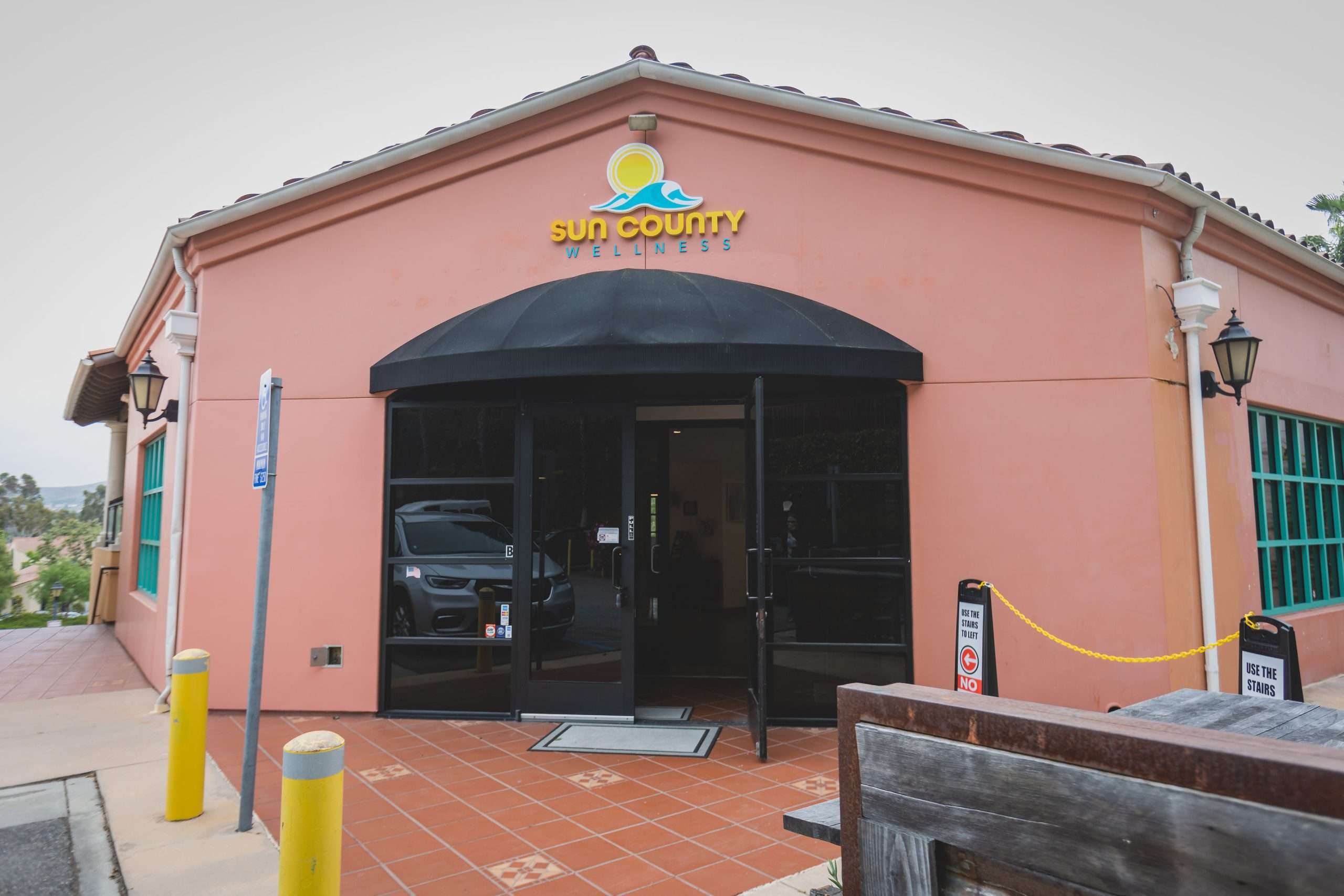
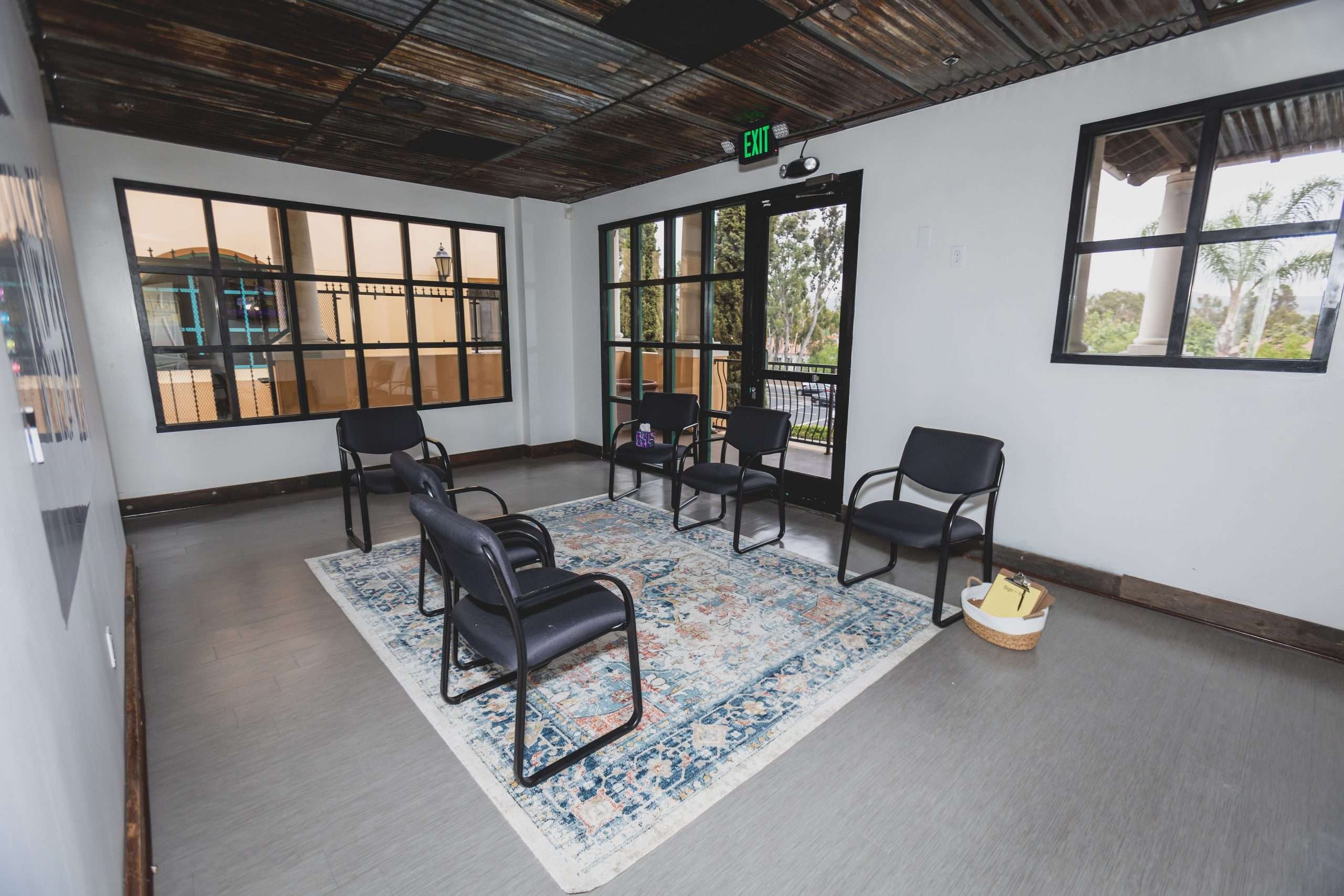


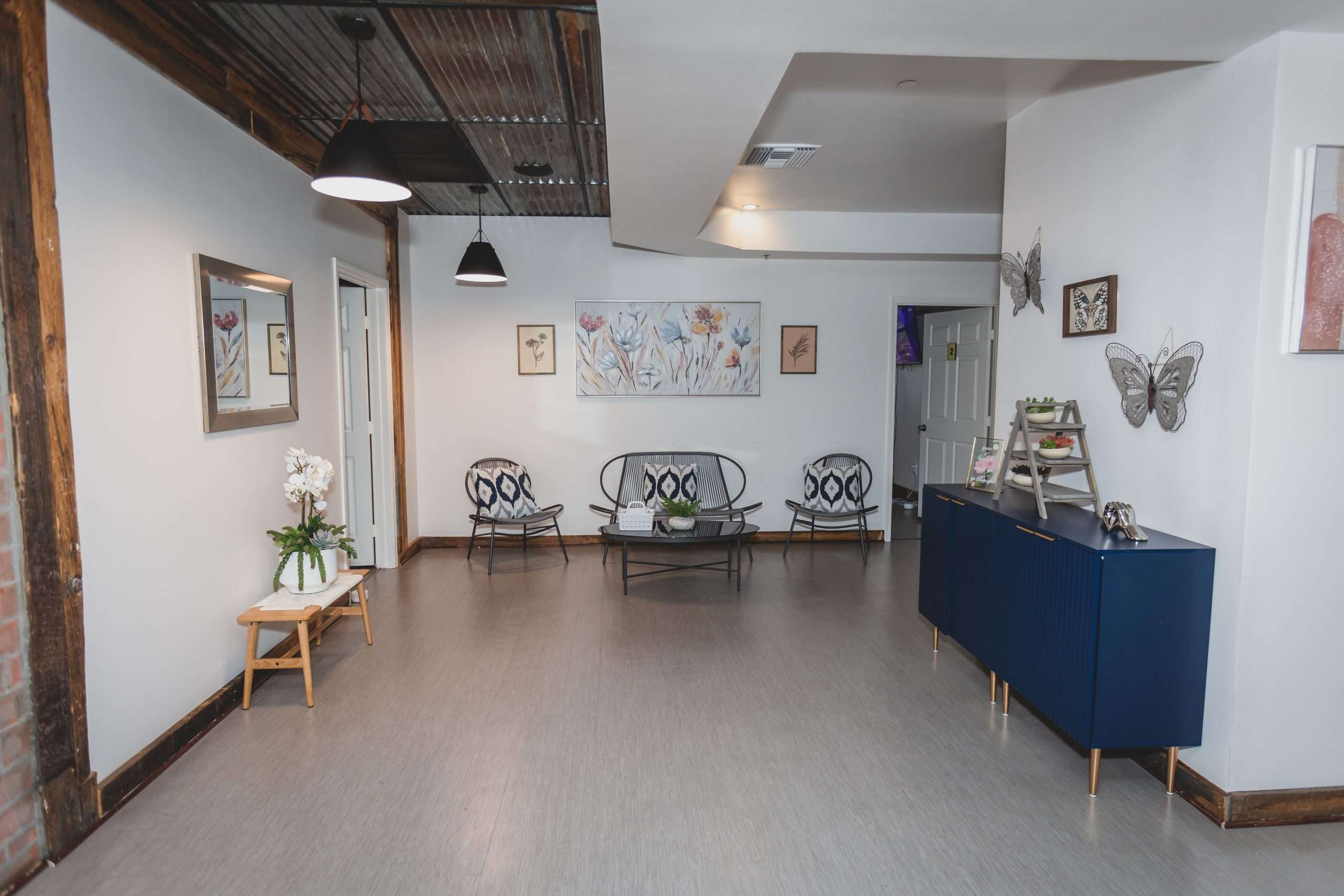

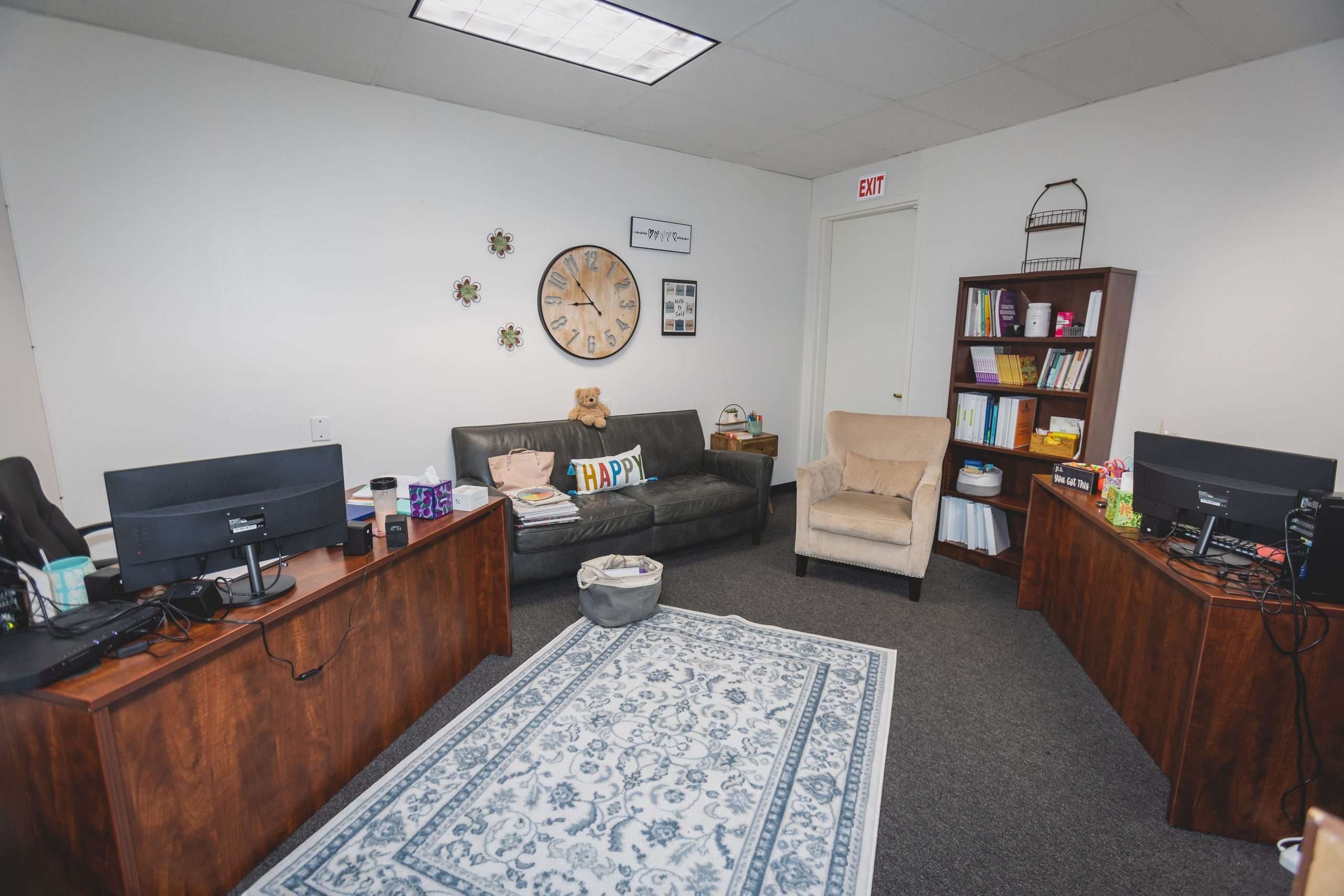

Locating Our Addiction Treatment Center For Women
John Wayne Airport (SNA)
- Distance: Approximately 21 miles
- Directions:
- Head northeast on N Airport Way.
- Use the right lane to take the ramp to CA-55 S.
- Merge onto CA-55 S.
- Take exit 5A for I-405 S toward San Diego.
- Keep left at the fork and merge onto I-405 S.
- Take exit 8 for CA-73 S toward San Diego (Toll Road).
- Merge onto CA-73 S (Toll Road).
- Take exit 5 for Greenfield Dr.
- Turn left onto Rancho Viejo Rd.
- Turn right onto Ortega Hwy.
- Sun County Wellness will be on the left.
Los Angeles International Airport (LAX)
- Distance: Approximately 61 miles
- Directions:
- Head east on World Way.
- Use the right 2 lanes to take the I-405 S ramp.
- Merge onto I-405 S.
- Take exit 8 for CA-73 S toward San Diego (Toll Road).
- Merge onto CA-73 S (Toll Road).
- Take exit 5 for Greenfield Dr.
- Turn left onto Rancho Viejo Rd.
- Turn right onto Ortega Hwy.
- Sun County Wellness will be on the left.
Long Beach Airport (LGB)
- Distance: Approximately 47 miles
- Directions:
- Head south on Donald Douglas Dr.
- Take the ramp to I-405 S.
- Merge onto I-405 S.
- Take exit 8 for CA-73 S toward San Diego (Toll Road).
- Merge onto CA-73 S (Toll Road).
- Take exit 5 for Greenfield Dr.
- Turn left onto Rancho Viejo Rd.
- Turn right onto Ortega Hwy.
- Sun County Wellness will be on the left.
San Diego International Airport (SAN)
- Distance: Approximately 64 miles
- Directions:
- Head northwest on N Harbor Dr.
- Use the left 2 lanes to take the ramp onto I-5 N.
- Continue on I-5 N.
- Take exit 81 for CA-74/Ortega Hwy.
- Turn right onto CA-74 E/Ortega Hwy.
- Sun County Wellness will be on the right.