Women’s Addiction Treatment Programs: Real Stories of Recovery and Transformation
Women often go through addiction recovery differently and sometimes faster than men, but many treatment programs don’t consider these differences. Women can become addicted more quickly after they start using substances – this is called the ‘telescoping effect.’ At the same time, they might deal with changing hormones, family duties, and judgment from society, all of which can increase their risk. This article explains why special rehab programs for women are so important. We’ll look at how ‘dual diagnosis’ treatment helps with addiction and other mental health issues at the same time. We’ll also explore how whole-person (holistic) and empowering methods help women stay sober for good, and hear real stories from women at Sun County Wellness who have turned their lives around. We’ll also explain how to get admitted and check insurance, and share the newest research from 2025 about addiction trends in women. This guide combines expert medical knowledge with real stories of recovery. It offers caring and professional advice for women looking to heal and for their families seeking support.
What Are the Unique Challenges Women Face in Addiction and Recovery?
Women going through addiction recovery face a complicated mix of body, mind, and social factors. These factors can make them addicted faster and make it harder for them to stick with treatment. Because addiction can develop faster, it’s important to get help early. Also, changing hormones can make cravings much stronger. Past traumas and responsibilities like caring for others make women more vulnerable. Understanding these connected challenges helps create special rehab programs that deal with the main causes of addiction and build strength.
Here’s a look at the primary challenges women often face in rehab settings:
- Accelerated Biological Progression – The telescoping effect speeds up dependency even with less exposure.
- Hormonal and Emotional Shifts – Fluctuating hormones can significantly impact mood and cravings.
- Trauma and Mental Health Background – Higher instances of PTSD, anxiety, and depression complicate the recovery process.
- Societal Judgment and Shame – Cultural expectations can create barriers to seeking help.
- Caregiving and Family Obligations – Responsibilities like childcare often delay treatment entry.
All these things together increase the chance of relapse and emotional stress. This shows why special programs are so important, especially those that understand trauma and offer full support. Recognizing the telescoping effect, how hormones play a role, and social pressures helps shape every part of a recovery journey designed for women.
How Does the Telescoping Effect Impact Women’s Addiction Progression?
The ‘telescoping effect’ means that women can become addicted much faster than men after they first start using substances. This happens because of biological reasons, like women often having less body weight and different liver enzymes. These differences cause substances to build up faster in their bodies, which makes the brain’s reward system react more strongly. Because of this, women often show serious addiction signs after using substances for a shorter time. This can lead to more health problems and emotional pain. Spotting this faster addiction development early is key for getting help quickly and creating treatment plans made just for them.
“Telescoping Effect in Opiate Dependence: Gender Differences in Progression”
>
“According to the so-called telescoping effect, there is a gender-specific course of alcohol dependence with women starting alcohol use later than men and having a faster development of harmful consequences. There are inconsistent data regarding a telescoping effect in opiate dependence. In each of six European centres, 100 opiate addicts were investigated by a structured interview (mainly the EuropASI and CIDI) at admission to various kinds of treatment (TREAT project). In a secondary analysis of the TREAT data, women and men were compared regarding age at onset of heroin use and the current severity of addiction. In addition, a comparison of female (n= 140) and male (n= 140) addicts matched for age and study centre were carried out. Eventually, multiple logistic and linear regressions were done with the interaction term of gender and time of regular consumption as predictor for the severity of dependence, besides, other sociodemographic variables. There was no difference between genders regarding the age at onset of regular heroin consumption. Up to 4 years of regular consumption, there are gender-specific differences in the course of opiate dependence, e.g. a faster progression of legal problems in men and social problems in women. There were no differences in the severity of dependence other than more economic problems for women. A telescoping effect could only partially be observed in this large sample of opiate addicts. A gender-specific course was limited to the first years of consumption, and included domains with a faster progression for men. It has to be assumed that opiate dependence is a rapidly developing disorder with early chronification. Afterwards, only individual courses with influences of the national treatment system were observed.”
>
“Differences between men and women in the course of opiate dependence: is there a telescoping effect?, R Room, 2010”
What Role Do Hormonal and Psychological Factors Play in Women’s Substance Use?
Hormone cycles, like changes in estrogen and progesterone, greatly affect a woman’s mood and how sensitive she is to rewards. At certain times in their menstrual cycle, women might feel more anxious or depressed. This can make them crave substances more as a way to cope. Mental factors, like worries about body image and what society expects, add to these weaknesses. Using counseling that understands hormones and treatments that help stabilize mood can help women manage triggers and stay sober through their hormone cycles.
How Do Societal and Relational Pressures Affect Women’s Addiction?
Society’s judgments about motherhood, career success, and how women look can cause shame. This shame can stop women from getting the help they need. Relationship pressures, like domestic violence or relying too much on a partner, often go hand-in-hand with substance use. These can be ways women try to cope or survive. Fear of legal trouble or child protective services can also stop women from getting treatment. Dealing with these outside stresses through support groups and advocacy helps women take back control of their lives and seek recovery without feeling judged.
Why Is Gender-Specific Rehab Essential for Women’s Addiction Treatment?

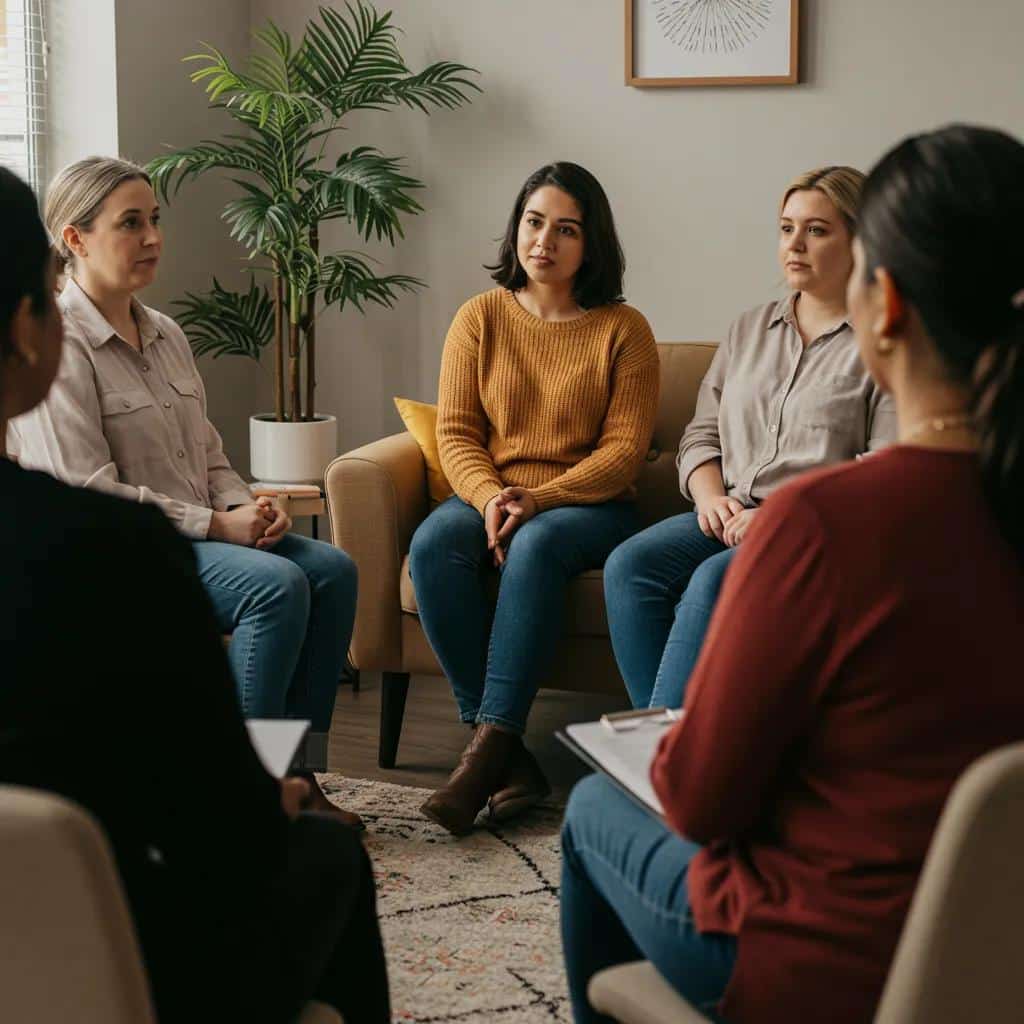
Rehab programs made just for women understand that women’s addiction comes from unique body, mind, and social reasons. These programs work best in settings designed to meet those specific needs. Women-only treatment centers create a safe emotional space, encourage support from other women, and remove possible triggers that might be present in mixed-gender settings. Whole-person (holistic) and trauma-informed treatments help heal past hurts that led to substance use. Together, these parts build a supportive system that helps women stay in the program and achieve better, lasting results.
Program Component
Purpose
Impact
Women-Only Environment
Eliminates gender-based distress
Builds trust and reduces anxiety
Trauma-Informed Approach
Integrates safety, empowerment, choice
Promotes emotional regulation and resilience
Peer Support Circles
Encourages shared experiences
Enhances community bonds and accountability
Holistic Healing Modalities
Yoga, neurofeedback, equine therapy
Addresses mind-body connection and self-esteem
Personalized Aftercare
Tailored relapse prevention planning
Sustains sobriety and life-skills development
This special setup makes sure that every treatment choice considers women’s real-life experiences, from the causes of their trauma to their hopes for feeling strong and in control. By focusing on safety, teamwork, and whole-person growth, women-only rehab creates a strong base for deep and lasting change.
What Are the Benefits of Women-Only Rehab Centers?
Women-only centers offer a place where women won’t be judged. They can openly share their struggles without worrying about competition or criticism. These settings encourage honest talks about trauma, body image, and the difficulties of being a mother. Stronger group bonds and shared understanding quickly build trust. This leads to better involvement, fewer people leaving the program, and more effective support from peers during recovery.
How Does Trauma-Informed Care Support Women’s Healing?
Trauma-informed care understands that many women’s substance use comes from past traumas, like abuse or neglect, that haven’t been dealt with. By focusing on safety, openness, and giving women control, therapists use methods like EMDR and DBT. These help women work through traumatic memories and learn healthy ways to cope. This way of working reduces the chance of re-experiencing trauma, helps women control their emotions better, and breaks the cycle of shame that often leads to relapse. It creates a steady path to healing.
How Does Sun County Wellness Create Safe Spaces for Women in Recovery?
Sun County Wellness creates a safe environment with housing just for women, all-female therapy teams, and care plans made for each person. Licensed therapists, who are trained in ways that respond to trauma, lead group and one-on-one sessions. They respect each woman’s unique story. Calm common areas, nature therapy gardens, and private spaces for thinking help women feel emotionally secure. By putting understanding and expert knowledge into every interaction, Sun County Wellness creates a caring place where women can rebuild trust and strength.
How Does Dual Diagnosis Treatment Address Co-Occurring Disorders in Women?
‘Dual diagnosis’ treatment combines mental health care with addiction care. This is important because many women in rehab also have other mental health issues at the same time. Depression, anxiety, PTSD, and eating disorders often go hand-in-hand with substance use. This means they need to be treated at the same time. This combined approach includes mental health check-ups, managing medications, and different types of talk therapy, all in one plan. This leads to better recovery and lowers the chance of relapse.
Key co-occurring disorders commonly seen in women’s dual diagnosis cases include:
- Major Depressive Disorder – Persistent low mood can intensify reliance on substances.
- Generalized Anxiety and Panic Disorders – Chronic anxiety often triggers self-medication behaviors.
- Post-Traumatic Stress Disorder – Unresolved trauma can fuel avoidance coping mechanisms.
- Eating Disorders – Issues with body image can overlap with control dynamics present in addiction.
Treating both addiction and mental health problems at the same time helps with complete healing. It prevents care that only focuses on one issue, which can leave other problems untreated and raise the risk of relapse.
What Are the Most Common Mental Health Disorders Co-Occurring with Addiction in Women?
More than half of women getting addiction treatment are also diagnosed with depression or anxiety. Nearly 40% of them also have PTSD. These mental health issues can make cravings for substances stronger, as women try to calm their emotional pain on their own. It’s also very important to recognize how common eating disorders are, especially bulimia and binge eating disorder. These conditions affect the brain’s reward system in ways similar to substance use.
How Does Integrated Treatment Improve Outcomes for Women with Dual Diagnosis?
Combined treatment plans bring together mental health medication, thinking-based therapies (like CBT), and support from other people in one program. This effectively fills any gaps in care. This single approach reduces confusing treatment goals and makes sure that therapists and doctors work together smoothly. Because of this, women stay in programs longer, have fewer hospital visits, and stay sober for longer periods when their mental health and substance use issues are treated at the same time.
Which Therapies Are Used for Dual Diagnosis at Sun County Wellness?
Sun County Wellness utilizes a comprehensive range of evidence-based therapies to support dual diagnosis recovery:
Therapy
Mechanism
Benefit
Cognitive Behavioral Therapy (CBT)
Identifies and modifies unhelpful thought patterns
Improves coping skills and emotional regulation
Dialectical Behavior Therapy (DBT)
Teaches distress tolerance and interpersonal effectiveness skills
Strengthens resilience and reduces self-harm urges
Eye Movement Desensitization and Reprocessing (EMDR)
Facilitates the reprocessing of traumatic memories
Lowers PTSD symptoms and interrupts the trauma-craving connection
Equine Therapy
Builds trust and nonverbal communication abilities
Enhances self-confidence and emotional bonding
Neurofeedback
Monitors and trains brainwave patterns
Supports self-regulation and reduces anxiety symptoms
These different therapies work together to deal with the root causes of substance use and give women lasting tools to manage their mental health.
What Empowerment and Holistic Approaches Support Women’s Long-Term Recovery?
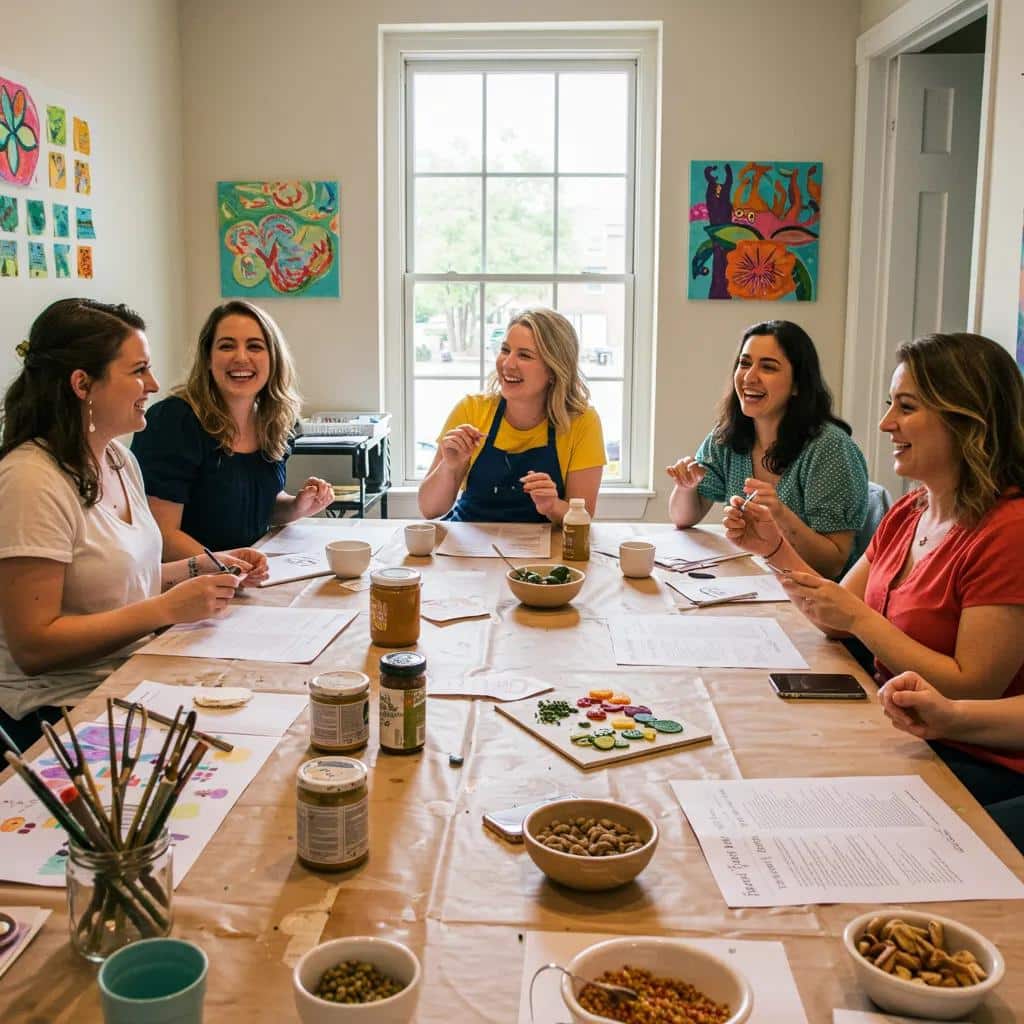
Whole-person (holistic) and empowering strategies help balance the mind and body, boost self-esteem, and teach life skills needed for long-term sobriety. Yoga and mindfulness help women focus on the present moment, which helps them manage stress and unwanted thoughts. Nutrition counseling helps bring back physical health that was harmed by substance use. Job training and self-esteem workshops help rebuild confidence. Together, these methods encourage complete healing that goes beyond just therapy sessions.
Here is a list of core holistic modalities integrated into women’s rehabilitation programs:
- Yoga and Mindfulness – Enhance body awareness and reduce anxiety levels.
- Nutrition Counseling – Aids in restoring metabolic health and energy levels.
- Art and Music Therapy – Facilitates emotional expression and trauma processing.
- Equine and Nature Therapy – Reconnects women with grounding, nonjudgmental support systems.
- Life Skills and Vocational Training – Prepares participants for independent and empowered living.
Whole-person care understands that physical health, emotional well-being, and personal control are all connected. This creates a strong foundation for life after rehab.
How Do Yoga, Mindfulness, and Nutrition Aid Women’s Addiction Recovery?
Yoga combines breathing exercises with gentle movements to calm the nervous system. Mindfulness teaches people to notice cravings without immediately acting on them. Good nutrition helps bring back balance to brain chemicals and repair organ damage caused by substance abuse. Together, these methods improve sleep, stabilize mood, and increase the ability to handle stress, which helps reduce things that might trigger a relapse.
What Life Skills and Self-Esteem Building Programs Foster Resilience?
Workshops that teach communication, how to stand up for oneself, and money management help women set healthy limits and go after their career goals. Self-esteem groups use exercises that focus on strengths to change negative self-talk and build confidence. As women learn practical skills and truly believe in their own worth, they become stronger against triggers and social pressures that might have led to substance use before.
How Does Aftercare and Relapse Prevention Support Sustained Sobriety?
Aftercare plans include continued therapy, support groups for former patients, and organized sessions to prevent relapse. These help women stay accountable. Personalized strategies—like figuring out risky situations and creating tools to cope—help women prepare for challenges. Regular check-ins with the staff at Sun County Wellness make sure progress is watched and changes are made quickly, helping to protect long-term success.
What Real Stories Illustrate Women’s Recovery and Transformation at Sun County Wellness?
Real stories from women who have completed programs at Sun County Wellness clearly show how special, trauma-informed programs for women lead to deep personal change. These success stories show how the center positively helps with motherhood, stabilizing mental health, and rejoining the community. They offer hope to women thinking about treatment and their supportive family and friends.
How Have Mothers Overcome Addiction Through Our Programs?
Mothers in our partial hospitalization program successfully got back stable custody of their children by dealing with the trauma that led to their substance use. Focusing on parenting skills and family therapy helped rebuild the bonds between mothers and children. Therapists also helped with feelings of guilt and shame. By matching therapy with the goal of reuniting families, women went home better prepared to be caring and responsive parents.
What Are Examples of Long-Term Sobriety and Aftercare Success?
Many former patients have reached milestones like five years of sobriety. They say their success comes from ongoing support groups for alumni and lessons on preventing relapse. Their steady involvement in mindfulness workshops and job training has helped them find stable jobs and become leaders in their communities. These long-term successes show the program’s dedication to helping women stay strong and in control long after their initial treatment.
How Do Alumni Describe Their Journey of Healing and Empowerment?
Former patients often say the safe, women-only environment was a key reason they felt comfortable being open and building trust. Their stories point to big breakthroughs in dealing with trauma during EMDR sessions and the confidence they gained from public speaking workshops. Many describe a new sense of purpose, feeling like they belong, and self-respect that still guides their healthy choices.
How Can Women Access Treatment: Admissions and Insurance Verification Process?
Getting into rehab programs made just for women starts with an easy admissions process and help with insurance. This is designed to make things less confusing. Sun County Wellness guides you through every step, from your first question to signing up. They make sure women and their families fully understand their payment options and treatment paths. Clear steps help avoid delays and build confidence in seeking help.
Admissions Process Steps:
- Initial Clinical Assessment – A licensed clinician evaluates your substance use history and mental health status.
- Treatment Plan Development – A customized plan is created, outlining recommendations for PHP, IOP, or OP levels of care.
- Insurance Verification – Our financial coordinator confirms your insurance coverage benefits and any associated out-of-pocket costs.
- Enrollment and Orientation – Participants receive program schedules, therapy group assignments, and an introduction to the facility.
This organized approach makes expectations clear, focuses on correct medical care, and speeds up getting into treatment. This allows women to focus on healing from the very first day.
What Steps Are Involved in the Admissions Process for Women’s Rehab?
After the first assessment, a team of different experts looks at the findings to decide the best level of care. This could be partial hospitalization for strong support, intensive outpatient for structured but flexible care, or standard outpatient for ongoing help. Orientation sessions help participants learn about program rules, safety procedures, and chances to get support from other women. This helps them connect with the community early on.
How Can Women Verify Insurance Coverage for Addiction Treatment?
Women give their insurance information to a special financial coordinator. This person then talks directly with insurance companies for them. This check includes confirming what the insurance covers, figuring out co-pays, and getting approval beforehand. Clear explanations of what’s covered—like different types of therapy, medication management, and aftercare—help families make smart choices without surprise costs.
What Support Does Sun County Wellness Offer During Intake and Enrollment?
Besides helping with paperwork, staff members offer emotional support during the intake process. They help with any worries about treatment or being away from home. Counseling sessions before admission get women ready for how the program works and teach them first coping strategies to adjust. This full support system makes sure participants feel informed, safe, and confident as they start their recovery journey.
What Are the Latest Statistics and Research on Women’s Addiction and Recovery?
Recent studies show a big increase in alcohol use among women aged 20–44. It went up by 41% during the pandemic, making this age group the fastest-growing one seeking addiction treatment. More than half of women in substance use programs also have mood disorders or trauma-related disorders at the same time. Research consistently shows that special, trauma-informed care for women helps more people stay in treatment (up to 25% more) and lowers the chance of relapse after treatment by 30%. This proves how effective this special program model is.
Metric
Recent Data
Source Finding
Increase in Women’s Heavy Drinking
+41% during pandemic
Rapid escalation in alcohol use among women ages 20–44
Women with Co-Occurring Mental Health Disorders
54%
High concurrence of depression, anxiety, PTSD in treatment settings
Gender-Specific Program Retention Improvement
+25%
Higher retention rates compared to mixed-gender programs
Reduced Post-Treatment Relapse
–30%
Trauma-informed care significantly lowers relapse risk
Barriers Delaying Treatment Entry
Childcare, stigma, legal concerns
Common obstacles preventing timely access to care
These numbers show both the urgent need for special rehab services for women and how well trauma-focused, women-centered treatments work to help women achieve lasting recovery.
How Have Substance Use Rates Changed Among Women Recently?
Information from national health groups shows a clear increase in binge drinking and misusing prescription drugs among women, especially those aged 25–45. Financial stress and feeling alone during the pandemic have added to this increase. This highlights the need for easy-to-access treatment options focused on women.
Why Is Trauma a Critical Factor in Women’s Addiction?
Trauma is a main reason behind most cases of addiction in women. Past experiences of violence or emotional neglect often lead them to use substances to cope. Understanding that trauma plays a central role makes sure that treatment deals with the main causes, not just the symptoms. This lowers the chance of relapse and improves mental stability.
What Evidence Supports Gender-Specific and Trauma-Informed Treatment Effectiveness?
Scientific studies (randomized controlled trials and long-term studies) consistently show that women in rehab programs made just for them are happier with their treatment, control their emotions better, and function better socially after treatment. Trauma-informed methods lead to clear reductions in PTSD symptoms and improve coping skills. This proves that this approach is scientifically sound.
Women’s addiction recovery works best when treatment understands their biological differences, mental situations, and social realities. Special, trauma-informed programs for women combine excellent medical care with whole-person empowerment. This helps women rebuild lives filled with strength and purpose. At Sun County Wellness, these ideas guide every treatment choice, creating safe places for change and lasting well-being.